Best shore fishing spots near Honolulu
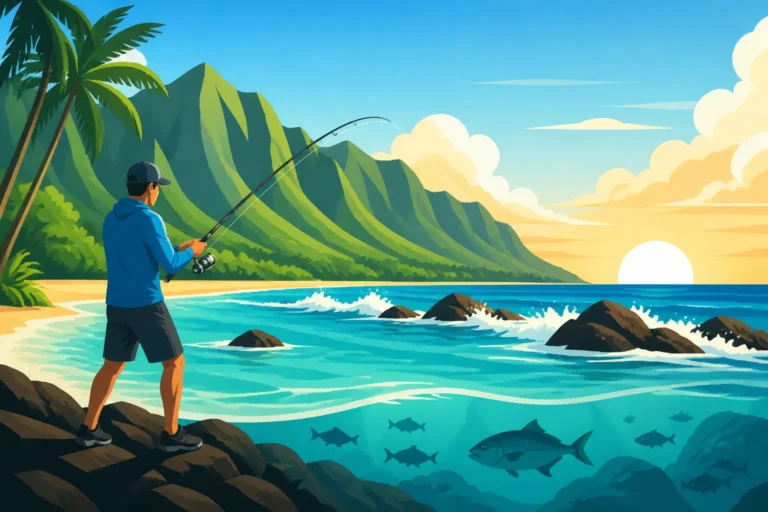
Oh, the allure of fishing in Hawaii! It’s easy to picture yourself casting a line into turquoise waters, reeling in a beautiful fish with Diamond Head looming in the background. But let's be real, finding those prime shore fishing spots when you're smack dab in a bustling city like Honolulu can feel like trying to find a quiet corner at a luau – challenging, but absolutely doable if you know where to look. This guide is here to cut through the confusion and point you directly to some of the best, most accessible shore fishing locations right here on Oahu, near the heart of Honolulu, so you can spend less time searching and more time with a line in the water.
Navigating the Urban Angler's Paradise: Understanding Honolulu Shore Fishing
Shore fishing in Honolulu offers a unique blend of urban convenience and stunning natural beauty. Unlike the more remote, rugged coastlines you might find on other islands or even other parts of Oahu, fishing near Honolulu means you’re often just a stone's throw from amenities, shops, and sometimes, even other curious onlookers. This accessibility is a huge plus, especially if you're visiting or don't have a whole day to dedicate to a fishing expedition. However, it also means you're sharing the space – with swimmers, surfers, kayakers, and other recreational users. Patience, situational awareness, and respect for others are key here. You're not just casting into the ocean; you're casting into a vibrant, shared community space.
It’s a different kind of challenge, too. The fish here are often pressured, meaning they can be a bit more cautious and require a more finessed approach than their counterparts in less populated areas. But the rewards are just as sweet, whether it's a feisty papio, a hard-fighting ulua, or even a smaller reef fish destined for the dinner table. You're part of a long-standing tradition here, too, where local anglers have been "hukilau" (fishing with nets) and casting lines for generations. Understanding this balance between convenience and community, and the unique challenges it presents, is the first step to a successful Honolulu shore fishing adventure.
Prime Shore Fishing Locations Near Honolulu
While Honolulu is a major metropolitan area, it's blessed with incredible coastline, and there are several fantastic spots where you can wet a line without venturing too far. Each location offers a slightly different experience, target species, and set of conditions. Remember, local knowledge is invaluable, so don't be shy about observing what others are doing, or even politely asking for tips (but always be respectful and don't expect them to give away their secret honey hole!).
Kapiolani Park and Diamond Head
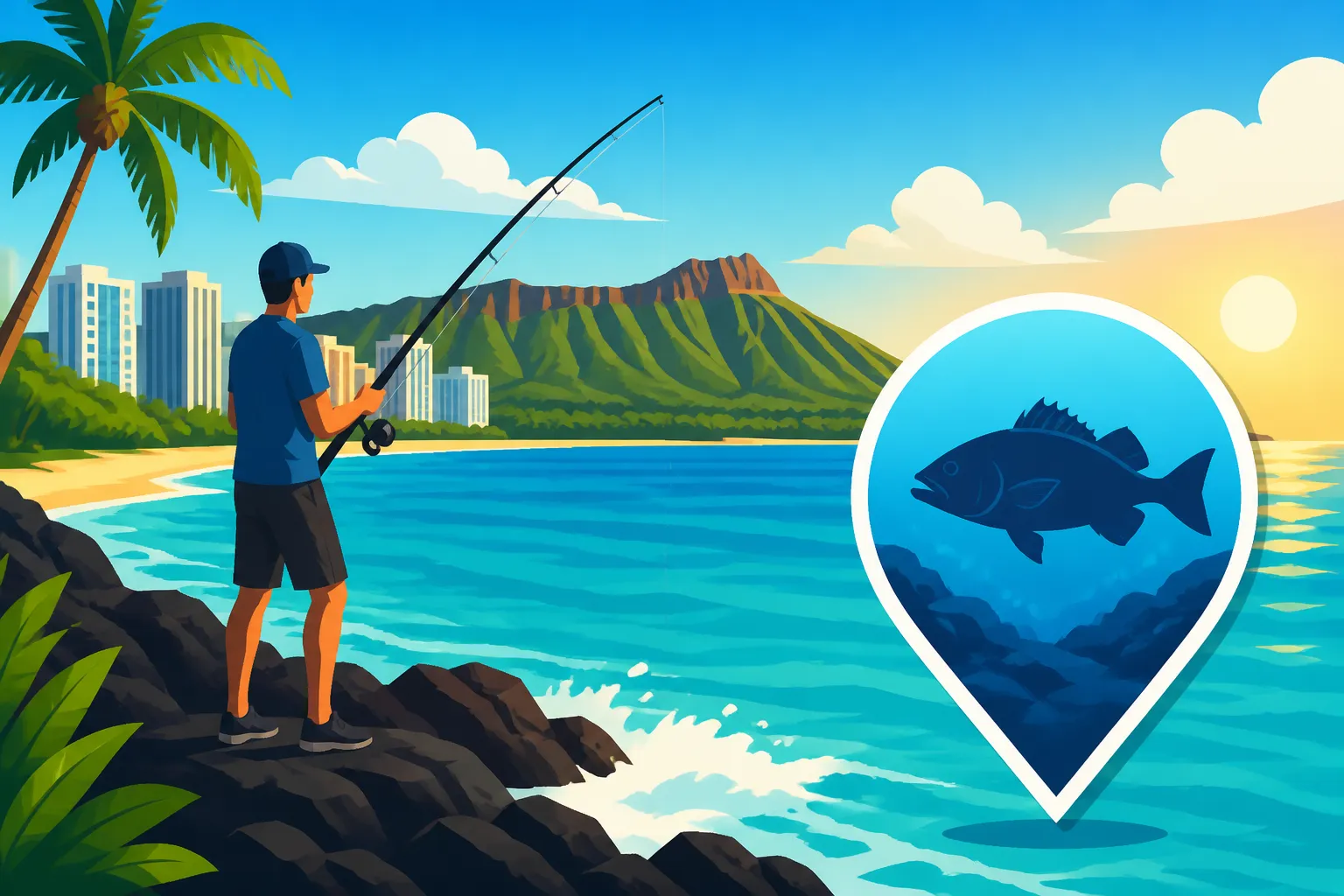
Just east of Waikiki, the areas around Kapiolani Park leading up to Diamond Head are iconic for a reason. This stretch offers easy access to rocky outcrops and sandy beaches, providing varied habitats for different species. The waters here are generally clear, which means you might need lighter line and a more subtle approach, especially during the day.
Accessibility and Experience: You can literally walk here from many Waikiki hotels, making it incredibly convenient. Parking is available, though it can get busy, especially on weekends. The atmosphere is relaxed, with families picnicking, joggers, and tourists enjoying the views. It’s a great spot for beginners because of its accessibility and relatively calm waters, though experienced anglers will also find challenges.
Target Species: This area is excellent for smaller reef fish and various types of papio (juvenile trevally), including bluefin trevally, golden trevally, and omilu. You might also encounter needlefish, triggerfish, and small goatfish. During dawn and dusk, or with a rising tide, there's always a chance for a larger ulua to cruise by, especially if you're fishing near deeper cuts or drop-offs around the rocky points. Moi, a prized eating fish, can also be caught here, particularly during their open season.
Best Conditions and Techniques: Early mornings and late afternoons are often the most productive. A rising or falling tide can concentrate baitfish and bring predators closer to shore. Light tackle spinning gear is perfect here. For bait, try pieces of shrimp, squid, or small chunks of fresh fish. Artificial lures like small Kastmasters, spoons, or soft plastics can also be very effective for papio. Whipping (casting and retrieving rapidly) with small grubs or metal jigs is a popular and productive technique. Always be mindful of swimmers, especially in the more sandy, heavily trafficked areas.
Kewalo Basin and Ala Moana Beach Park
Moving westward from Waikiki, you hit Kewalo Basin and the adjacent Ala Moana Beach Park. These spots offer a stark contrast to the more natural Diamond Head area, providing a more urban fishing experience.
Kewalo Basin: This is primarily a commercial harbor, home to numerous fishing charters (if you ever decide to try offshore fishing, sites like FishingBooker can help you find a great charter here!). While the inner basin is restricted, the outer areas and rocky breakwater can be productive.
Accessibility and Experience: Parking is usually available in dedicated lots, but it can fill up quickly with charter boat traffic. The environment is bustling with boats coming and going, so you’ll need to be aware of your surroundings. Fishing along the breakwater or near the harbor entrance offers deeper water access closer to shore.
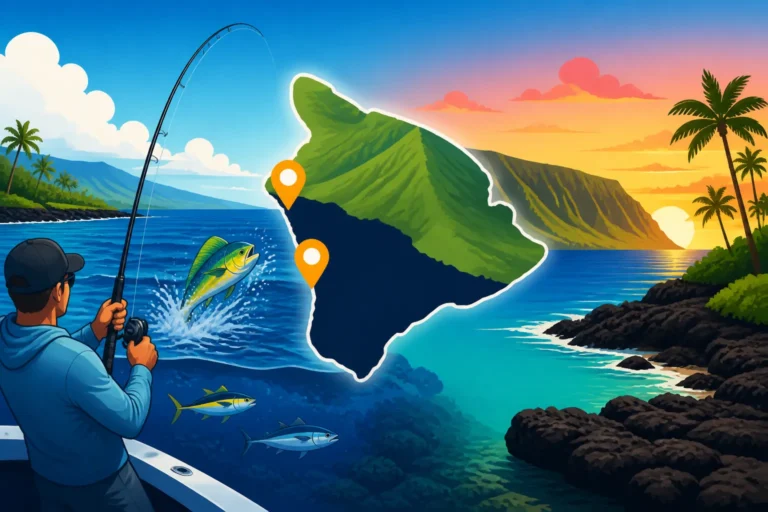
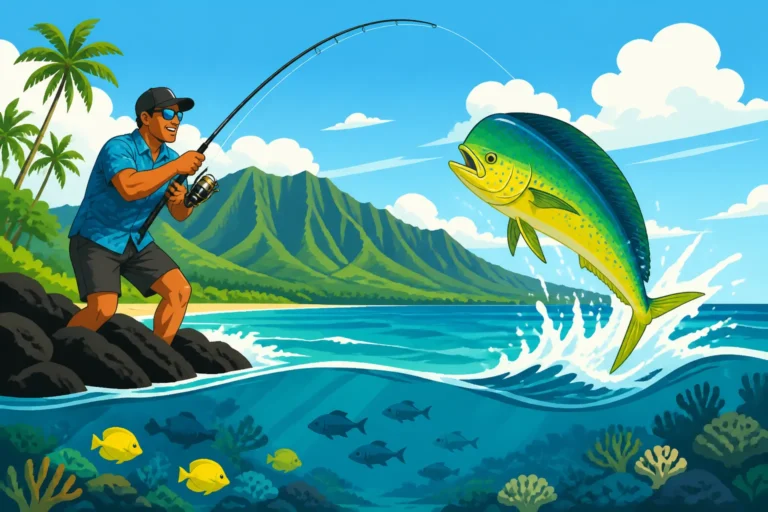
Target Species: The currents and deeper water around Kewalo Basin can attract a wider variety of fish. You’re still likely to catch papio and reef fish, but there’s a better chance of encountering barracuda, small groupers, and even larger pelagics like small tuna or mahimahi if you're casting far out or using heavier gear from the jetties. The presence of baitfish schools often means bigger predators aren't far behind.
Ala Moana Beach Park: This large, man-made park runs along a protected reef, creating a calm, sandy lagoon perfect for swimming and paddleboarding. While less known for serious fishing, certain areas can surprise you.
Accessibility and Experience: Easy parking in multiple lots. The park is very popular, so expect crowds. The shallow, calm waters make it less ideal for targetting larger predatory fish, but it can be a pleasant, low-key spot for families or those looking to catch smaller species.
Target Species: Smaller reef fish, juvenile papio, and sometimes moi can be found here, especially near the rockier sections or where the reef drops off slightly. It's not a spot for trophy hunters, but a good place to enjoy a relaxing session.
Best Conditions and Techniques: For Kewalo, heavier tackle than Kapiolani might be warranted if you're targeting bigger fish from the breakwater. Live bait, such as opelu or akule (if you can catch them), or larger chunks of squid or fish, can be effective. Stronger currents here might require heavier weights. For Ala Moana, stick to light tackle and small baits, similar to Kapiolani Park, focusing on structure. Keep an eye on the Hawaii Fishing Regulations Explained and especially the Hawaii Bag and Size Limits by Species for anything you plan to keep.
Sand Island Recreation Area
Just past the bustling industrial areas and accessible via a bridge, Sand Island offers a more rugged and less touristy fishing experience, despite being so close to Honolulu. It’s a favorite among local anglers.
Accessibility and Experience: Plenty of parking, though the park can get busy on weekends with families enjoying the beaches and picnic areas. The western side of the island offers a long stretch of rocky coastline and jetties that provide access to deeper, more current-swept waters. The atmosphere is decidedly local, giving you a real feel for Hawaii's fishing culture.
Target Species: This is a prime location for targeting larger papio and ulua (giant trevally). The rocky structure and strong currents here attract these powerful predators. You can also catch barracuda, various reef fish, and occasionally even small sharks or rays. The possibility of a true trophy fish keeps many anglers coming back.
Best Conditions and Techniques: Big waves and strong currents are common here, so be cautious and dress appropriately. Dawn, dusk, and night fishing are particularly productive for ulua. Heavy tackle is a must – think 10-12 foot surf rods, paired with large spinning reels spooled with 30-50lb braid, and a heavy monofilament leader. Sliding bait rigs with whole or large chunks of fresh bait (like opelu, akule, or small kahawai) are extremely popular and effective. Cast out, let your bait settle on the bottom, and wait for that telltale scream of your drag. For specific species, check out Hawaii Papio and Ulua Size Rules to ensure compliance. You might also want to explore How to Catch Ulua from Shore for more in-depth strategies.
Ala Wai Canal
A totally different kind of fishing experience, the Ala Wai Canal runs parallel to Waikiki Beach, offering a brackish water environment. It’s not the picturesque ocean fishing, but it’s incredibly accessible and can be surprisingly productive.
Accessibility and Experience: You can literally fish from almost anywhere along its banks, often right in the middle of urban Honolulu. Plenty of parking nearby, but often metered. The canal is busy with outrigger canoes, joggers, and passersby, so it's a very public fishing spot.
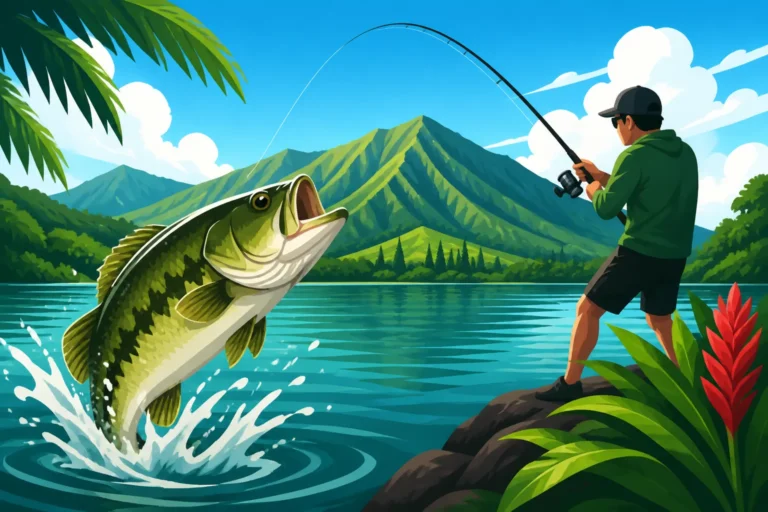
Target Species: The canal is well-known for peacock bass, tilapia, and barracuda. You might also find some tarpon and various small baitfish. It's a great spot for light tackle action, and the peacock bass offer a fantastic fight.
Best Conditions and Techniques: The canal can be fished anytime, though early mornings and late afternoons are often best. Look for structure like bridge pilings, submerged debris, or areas where the canal narrows. Light to medium spinning gear is ideal. For peacock bass, small crankbaits, spinnerbaits, and soft plastic jerkbaits are very effective. For tilapia, bread balls or small pieces of shrimp on a simple hook and bobber rig work wonders. Live bait, like small goldfish (check regulations for bait use first), can also tempt the larger predators. Remember, freshwater species rules apply here; you’ll need to understand the nuances of the Hawaii Freshwater Fishing License and Rules and other related regulations.
Essential Gear and Savvy Techniques for Honolulu Shorelines
Having the right tools for the job can make all the difference, especially when you're targeting the strong, reef-dwelling fish around Honolulu. While you can certainly get by with basic gear, investing in a few key items will significantly improve your chances and enjoyment.
Rods, Reels, and Line for Shore Casting
Shore fishing in Hawaii, especially near Honolulu, often means casting into varied terrain – from open sandy beaches to rocky points and harbor jetties. This dictates your gear choices.
Light Tackle (Kapiolani Park, Ala Moana, Ala Wai Canal): For these calmer, shallower areas, a medium-light to medium action spinning rod, around 7 to 9 feet in length, is perfect. Pair this with a 2500-4000 series spinning reel. Spool it with 10-20lb braided line, which offers excellent casting distance and sensitivity, and a 15-25lb fluorocarbon leader. Fluorocarbon is less visible in clear water and more abrasion-resistant around light reef structure. This setup is ideal for whipping small papio or finesse fishing in the canal.
Heavy Tackle (Sand Island, Kewalo Breakwater, larger ulua): When you're targeting hard-fighting ulua or fishing in areas with heavy current and sharp reef, you need serious gear. A 10 to 12-foot heavy action surf rod is essential for launching heavy baits and weights. Match this with a robust 8000-14000 series spinning reel or a conventional reel, capable of holding 300+ yards of line. Fill your spool with 30-50lb braided line, and connect it to a heavy-duty monofilament or fluorocarbon leader, 50-80lb test, depending on the target. This kind of setup allows you to handle powerful runs and prevent fish from burying you in the reef.
Baits, Lures, and Rigs That Get Bites
Locals have perfected a range of baits and lures for Honolulu's waters.
Live Bait: This is often the most effective for larger predators like ulua and barracuda. Small fish like opelu, akule, or even small kahawai (ladyfish) are excellent choices. You might need to catch these first with a cast net or Sabiki rig, which is a whole adventure in itself!
Cut Bait: Fresh cut pieces of fish (akule, skipjack tuna, or even store-bought mackerel/sardines), squid, or shrimp are universally effective for a wide range of species, from papio to ulua. The fresher, the better!
Artificial Lures:
- Metal Jigs/Spoons: Brands like Kastmaster or local favorites in sizes from 1/2 oz to 2 oz are great for whipping papio and small barracuda. Silver, gold, or blue/silver combinations are popular.
- Soft Plastics: Grubs, paddle tails, and jerk shads rigged on jig heads can be deadly for papio and smaller reef fish, especially in clearer waters. Experiment with natural colors like white, clear, or light green.
- Poppers/Topwater Lures: For aggressive papio and barracuda, especially at dawn or dusk, throwing a topwater lure can be exhilarating. The commotion on the surface often triggers explosive strikes.
- Crankbaits/Spinnerbaits: Essential for peacock bass in the Ala Wai Canal. Bright colors like chartreuse, firetiger, or pearl white often get the most attention.
Rigs:
- Bottom Fishing Rig: A simple sliding sinker rig (egg sinker above a swivel, then a 1-3 foot leader to a hook) is versatile for bait fishing on the bottom. Hook sizes from 1/0 to 8/0, depending on target species.
- Sliding Bait Rig (for Ulua): This specialized rig allows you to cast a heavy weight and then slide a live or cut bait down the line, away from your main line, into deeper water or current. It involves a main line, a heavy lead, and a separate leader with a hook attached with a release clip or a simple loop.
- Float Rig: For fishing live bait or shrimp closer to the surface, especially in the canal or calmer ocean areas, a bobber or float rig is ideal. This keeps your bait suspended at a desired depth.
Here’s a quick overview of some Honolulu shore fishing characteristics:
| Location | Primary Target Species | Typical Tackle | Best Conditions | Accessibility |
|---|---|---|---|---|
| Kapiolani Park/Diamond Head | Papio, Moi, small reef fish | Light Spinning | Dawn/Dusk, high tide, calm | Easy |
| Kewalo Basin Breakwater | Papio, Barracuda, Ulua, small pelagics | Medium-Heavy | Strong currents, deeper water | Moderate |
| Ala Moana Beach Park | Small reef fish, juvenile papio | Light Spinning | Calm, shallow waters | Easy |
| Sand Island Recreation Area | Ulua, large Papio, Barracuda | Heavy Surf | Night, strong currents, big waves | Moderate |
| Ala Wai Canal | Peacock Bass, Tilapia, Barracuda | Light-Medium | Any time, structure-focused | Easy |
Respecting the `Aina: Regulations and Responsible Fishing Practices
Fishing in Hawaii is a privilege deeply intertwined with local culture and environmental responsibility. It's not just about catching fish; it's about respecting the land (`aina) and sea (kai) that provide for us.
Understanding Licenses and Regulations
First and foremost, you need to know about fishing licenses. For ocean fishing, residents typically don't need one unless they are commercial fishing, but non-residents do for certain marine activities. However, freshwater fishing in places like the Ala Wai Canal always requires a license for both residents and non-residents above a certain age. You can find all the details you need on the Hawaii Fishing License Guide for 2026 or specifically check Do You Need a Fishing License in Hawaii. It’s easy to buy them online or from authorized vendors, and it’s a non-negotiable step. The penalties for Fishing Without a Required License in Hawaii: Penalties can be steep, so don't risk it.
Beyond licenses, there are crucial regulations regarding bag limits, size limits, and closed seasons for specific species. For instance, Moi has a specific closed season to protect spawning populations, and Uhu (parrotfish) also have very specific rules. Always consult the latest rules from the Hawaii Department of Land and Natural Resources (DLNR) Division of Aquatic Resources (DAR). These regulations are designed to ensure sustainable fishing for generations to come. Many areas, such as Marine Life Conservation Districts (MLCDs) or Fish Replenishment Areas (FRAs), have strict rules or are completely closed to fishing. For example, Hawaii Marine Life Conservation Districts, Explained provides vital information on these sensitive zones that anglers must respect.
Protecting the Environment and Local Community
Leave No Trace: This is paramount. Pack out everything you pack in, and if you see litter, pick it up. Discarded fishing line, hooks, and plastic can severely harm marine life.
Respect Private Property and Access Points: While Hawaii has strong public shoreline access laws, always be mindful of where you are. Hawaii shoreline fishing rights and public access rules details what you can and cannot do regarding access. Don't trespass, block driveways, or leave your vehicle improperly parked.
Handle Fish Responsibly: If you plan to release a fish, do so quickly and carefully. Minimize its time out of water, use wet hands to handle it, and revive it gently before release. For fish you keep, dispatch them humanely and store them properly.
Be Mindful of Others: Share the shoreline. Don't cast near swimmers, surfers, or other anglers. Be courteous and keep your noise levels down, especially in residential areas or during early morning/late night fishing sessions.
Invasive Species: Be aware of invasive species like Taape and Roi. While legal to harvest, you should never release them back into the water if you catch them, as they can outcompete native species.
Honolulu offers an amazing opportunity to connect with Hawaii's fishing traditions and experience the thrill of the catch without straying far from the city's comforts. By understanding the unique challenges, knowing the best spots, equipping yourself with the right gear, and always fishing responsibly, you'll be well on your way to creating unforgettable fishing memories on Oahu's beautiful shores. Remember, if you're ever looking to expand beyond the shore, services like FishingBooker can help you explore charter options right from Honokohau Harbor or other major ports for a different kind of adventure.
Disclaimer
Please note: Fishing regulations, open seasons, and license requirements can change. Always consult the latest official rules and advisories from the Hawaii Department of Land and Natural Resources (DLNR) Division of Aquatic Resources (DAR) before heading out. This guide provides general information and recommendations, but it is the angler's responsibility to be aware of and comply with all current local, state, and federal regulations.