Best fishing spots for papio along Oahu’s shoreline
Finding those lively papio along Oahu's sprawling coastline can sometimes feel like chasing a ghost, especially with so many beautiful, yet sometimes challenging, spots. It’s a common frustration: you know they’re out there, darting through the shallows, but where’s the best place to cast your line for a shot at these feisty fighters? This guide is here to cut through the guesswork, sharing my favorite shoreline locations and proven strategies to help you hook into some fantastic papio fishing right here on Oahu.
Understanding Papio and Why Oahu is Prime Territory
For many local anglers and visitors alike, catching papio is a quintessential Hawaiian fishing experience. They're quick, they're strong for their size, and they're incredibly rewarding to land from shore.
The Allure of Papio Fishing
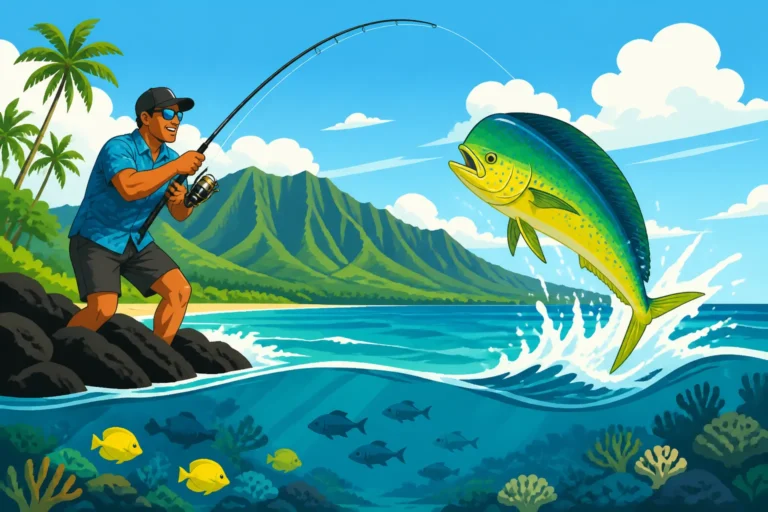
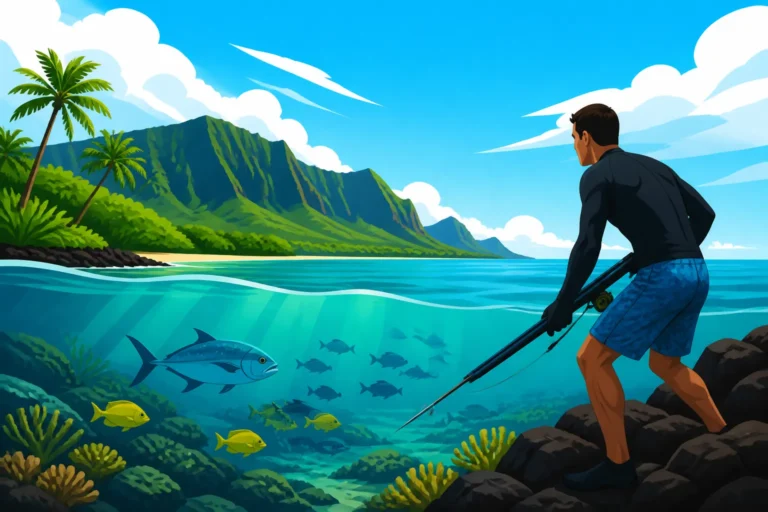
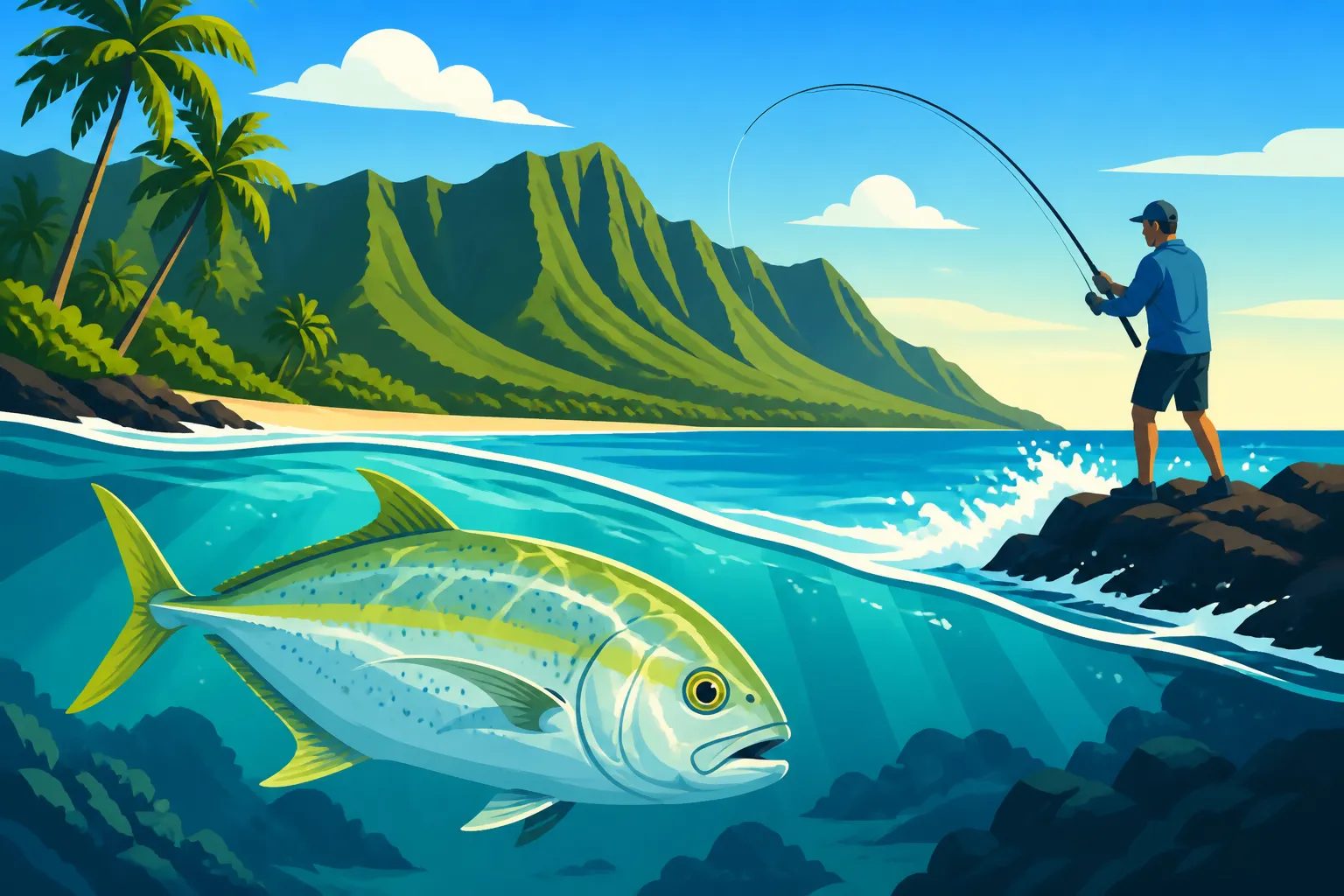
Papio isn't just one type of fish; it's the general term used for juvenile trevally in Hawaii, encompassing species like ulua (Giant Trevally), omilu (Bluefin Trevally), and white papio (Dusky Trevally). What makes them so captivating is their aggressive nature and their tendency to school in various shoreline habitats. They're ambush predators, often hiding near structure or patrolling the edges of reefs, waiting to pounce on unsuspecting baitfish. Landing a papio on light tackle from shore provides an exhilarating fight, with quick runs and powerful head shakes that can easily snap a carelessly handled line.
Oahu, with its incredibly diverse coastline, offers an unparalleled playground for papio anglers. From the calm, shallow flats of the Windward side to the rugged, wave-battered shores of the North Shore, and the busy, structure-rich areas of the South Shore, there’s a spot for every skill level and preference. The island's volcanic geology has created an abundance of rocky points, sandy coves, protected bays, and intricate reef systems – all ideal hunting grounds for papio. This variety means that no matter the prevailing weather conditions or swell direction, you can usually find a sheltered or productive spot to target these energetic fish.
Key Factors for Finding Papio on Oahu
Success in papio fishing on Oahu, or anywhere for that matter, often boils down to understanding a few critical environmental factors. It's not just about showing up with a rod; it's about reading the ocean.
First and foremost are tides and currents. Papio are opportunistic feeders, and strong tidal movements can stir up baitfish and small crustaceans, concentrating them in specific areas like channels or along current lines. The incoming and outgoing tides often create feeding frenzies, making these periods prime time for casting. Observing where the water is moving and how it interacts with the shoreline structure can give you a huge advantage.
Next, structure is paramount. Papio love to hang out around anything that offers cover or an ambush point. This includes rocky outcrops, submerged reefs, lava formations, jetties, pier pilings, and even dense patches of seaweed. These structures provide refuge from larger predators and serve as perfect hiding spots for them to surprise their prey. Look for areas where different types of structure meet, or where sand transitions to rock, as these are often highly productive zones.
Finally, the presence of baitfish is a dead giveaway. If you see schools of small baitfish like opelu or akule flickering near the surface, or hear the telltale splashes of predators busting them, you're in the right spot. Papio will actively hunt these schools, making them easier to target. Sometimes, the best way to find papio is simply to find their food. Also, remember that different times of day and year can impact papio activity, with dawn and dusk often being the most productive. For a deeper dive into the species itself, you might find our guide on Ulua vs Papio: What's the Difference incredibly helpful.
Top Shoreline Spots for Papio Across Oahu
Oahu truly is a papio paradise, but knowing where to go is half the battle. Let's break down some of the island's most consistent producers.
Windward Coast Gems
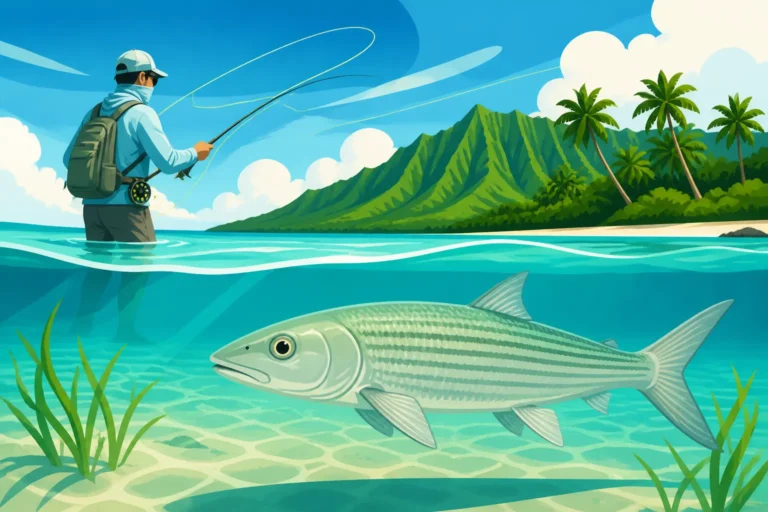
The Windward side of Oahu, known for its lush green mountains and stunning bays, offers a different kind of papio fishing experience. These areas often feature shallower flats, protected bays, and less intense surf, making them fantastic for light tackle and wading.
Kaneohe Bay is a prime example. This massive bay, sheltered by a barrier reef, has countless nooks and crannies for papio to hide. You’ll find them patrolling the edges of the numerous patch reefs, around the mouths of canals and streams that feed into the bay, and even along the mangrove-lined shores. Access can be tricky, often requiring a small boat or kayak to reach the best spots, but shore access points like those near He'eia Kea Small Boat Harbor can still yield results, especially at dawn or dusk. You’ll want to focus on areas with good water movement and signs of baitfish.
Another excellent spot is Malaekahana State Park up near Laie. The long, sandy beaches here are interspersed with rocky points and reef sections. During calmer conditions, you can often find papio just beyond the shore break, particularly around the rocky outcroppings that extend into the water. Wading out a bit (with proper reef shoes!) and casting small lures or live bait into the channels and deeper pockets can be very effective. It’s a beautiful, less crowded area, perfect for a peaceful morning of fishing. If you're looking for an experienced hand to show you the ropes in these unique environments, checking platforms like FishingBooker can connect you with local guides who specialize in these more intricate bay and flat fishing techniques.
Leeward Side Hotspots
The Leeward coast, stretching from Ko Olina down towards Kaena Point, is characterized by its drier climate, often calmer waters (especially during winter), and rugged lava rock shorelines. These areas can be incredibly productive for larger papio and even full-grown ulua.
Areas around Nanakuli and Waianae are legendary for their rocky points and drop-offs. Here, you're often fishing into slightly deeper water with more wave action, which larger papio absolutely love. Look for areas where currents sweep past prominent rock formations or where there are distinct channels running parallel to the shore. These spots require more robust tackle, as papio here can be substantial and will try to cut you off on the sharp lava. Live bait, like opelu or akule, fished on sliding sinker rigs, can be deadly effective. Night fishing in these areas is also very popular for those targeting bigger trevally.
Further down, the coastline around Barbers Point offers diverse opportunities. While some areas are industrial, there are public access points and rocky stretches that hold fish. The blend of sandy stretches and rocky ledges creates perfect ambush points for papio. Pay attention to changes in depth and current flow around any visible structure. This area can be good for both whipping with lures and soaking bait. These deeper, more exposed areas might require some advanced Shore Fishing Techniques for Hawaii to truly master.
South Shore & Metro Area Opportunities
Don't let the urban sprawl of Honolulu fool you; the South Shore still holds some fantastic papio fishing spots, often surprisingly close to bustling areas.
Kewalo Basin and the surrounding coastline are surprisingly productive. While much of it is commercial harbor, the rock walls and nearby beaches can offer excellent opportunities, especially during outgoing tides when baitfish are flushed out. Fishing near the channel mouths or around any jetties can be fruitful. Similarly, the rocky ledges extending from Diamond Head offer prime habitat. These areas often have strong currents and deeper water close to shore, attracting schools of papio. Access can be challenging in some spots, requiring a bit of a hike, but the rewards are often worth it.
Further east, Sandy Beach Park and the adjacent rocky points are famous for their strong shore break and powerful currents. While known more for bodyboarding, the rockier sections hold plenty of papio. Anglers here often use heavier tackle and sturdy rigs to battle fish in the turbulent water. It's an exciting, albeit sometimes challenging, spot where you really have to pay attention to the waves and your footing. For the young anglers or beginners, finding a guide through FishingBooker who specializes in family-friendly trips can make these accessible urban spots less intimidating and more enjoyable.
North Shore Challenges and Rewards
The legendary North Shore of Oahu is a different beast entirely. While famous for its massive winter waves, during the calmer summer months, or in specific sheltered coves, it can be a thrilling place to hunt papio.
During the summer, when the swells are down, spots like Waimea Bay offer excellent fishing, particularly along the rocky edges of the bay and near the river mouth (when flowing). The sand often meets rock here, creating ideal feeding zones. Smaller papio can be found closer to shore, while larger ones might patrol the slightly deeper areas just beyond the breaking waves.
Similarly, areas within Pupukea Beach Park, especially around Shark's Cove (a Marine Life Conservation District, so check regulations carefully for adjacent fishing zones) and the rocky outcroppings, can be productive when the ocean is calm. The intricate reef system here provides abundant food and shelter. Anglers often target pockets of deeper water or channels that cut through the reef. Be mindful of changing conditions, as a sudden swell can make these spots dangerous. The rugged nature of these locations means you'll need to know your Hawaii Fishing Regulations Explained before you even cast a line.
Essential Techniques and Gear for Oahu Papio
Having the right approach and equipment makes all the difference when targeting papio from Oahu's diverse shorelines.
Tried-and-True Shore Casting Methods
For papio, there are two primary methods that most local anglers swear by: whipping and bait fishing.
Whipping, or casting with artificial lures, is a highly active and often thrilling way to catch papio. It involves using light to medium spinning tackle and repeatedly casting and retrieving various lures. The key is to imitate a fleeing baitfish. Small grubs (like those from Berkeley Gulp! or similar soft plastic brands), metal jigs, small topwater poppers, and lipped plugs are all incredibly effective. The retrieve speed and action will depend on the lure and conditions, but generally, you want to vary it to entice a strike. Focus on casting around structure, into channels, and where you see signs of bait. This active approach allows you to cover a lot of water and find where the fish are holding. Many anglers love to "whip" for papio, and there are specific techniques that can make you more successful, as detailed in our guide on Best Techniques for Whipping for Papio.
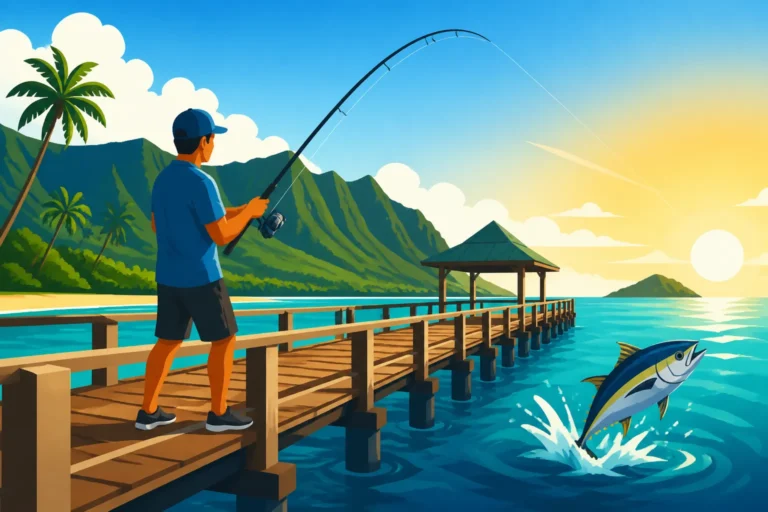
Bait fishing, on the other hand, is a more passive but equally effective method, especially for larger papio. This usually involves a sliding sinker rig, where a weight slides freely above a swivel, followed by a fluorocarbon leader and a strong hook. Live bait, such as opelu, akule, or even small shrimp, are incredibly effective. If live bait isn't available, fresh dead bait like cut pieces of squid, octopus, or small fish can also work wonders. Cast your bait out into promising areas, especially channels, drop-offs, or near submerged rocks, and let it soak. The sliding sinker allows the fish to pick up the bait without immediately feeling the weight of the sinker, leading to more confident bites. For a general overview of techniques, check out How to Catch Papio on Hawaii's Shoreline.
Reading the Water and Tides
Being able to "read the water" is an art form that separates successful anglers from those who just get lucky. Papio are creatures of opportunity, and understanding their environment is crucial.
Observation is key. Before making your first cast, take a few minutes to watch the water. Look for any signs of baitfish activity—nervous schools darting, flashes, or even birds diving. Observe the wave patterns: where are the waves breaking, where are the calm spots, and are there any rip currents or channels created by the water movement? Papio often position themselves on the edges of these currents to ambush prey.
Tides play a monumental role. The incoming and outgoing tides create currents that sweep food sources in and out, activating feeding behavior. Generally, the hour or two leading up to and after a high or low tide can be particularly productive. However, the best tide can vary by location. For example, some shallow flats might only be fishable on a high incoming tide, while a rocky point might fish better on an outgoing tide that flushes bait around it. Learning about the specific Hawaii Fishing Seasons by Month can also give you insights into when certain baitfish are more prevalent, directly impacting papio activity.
Recommended Gear for Shoreline Papio
Having the right tackle ensures you can effectively cast, fight, and land papio without breaking your gear or losing too many fish.
For whipping, a medium-light to medium action spinning rod, typically 7 to 9 feet long, paired with a 2500 to 4000 series spinning reel, is ideal. Spool it with 10-20 lb braided line, which offers incredible casting distance and sensitivity. A 15-30 lb fluorocarbon leader (2-4 feet long) is crucial for abrasion resistance against rocks and the papio's rough mouths. Lures should be in the 1/4 oz to 1 oz range, depending on your rod and target species.
For bait fishing, especially if you're targeting potentially larger ulua-sized papio, a medium-heavy to heavy action surf rod, 10 to 12 feet long, paired with a robust 6000-10000 series spinning reel, is more appropriate. Load it with 30-50 lb braided line, and use a 40-80 lb fluorocarbon leader. Hook sizes will vary depending on your bait, but strong, sharp circle hooks (like Mustad Demon Perfect Circle or Owner Mutu Light) from 3/0 to 6/0 are common. Pyramid or bank sinkers from 2 oz to 6 oz are useful for holding bottom in current. Remember, these fish can put up a serious fight, so quality gear is an investment.
Don't forget safety gear: sturdy reef shoes or boots are essential for navigating rocky shorelines. A good pair of polarized sunglasses will help you spot fish and structure underwater. Sunscreen, a hat, and plenty of water are also non-negotiable for a comfortable and safe day out in the Hawaiian sun.
Respecting the Resource and Regulations
Part of enjoying Hawaii's incredible fishing is ensuring it remains sustainable for future generations. That means understanding and respecting the rules.
Hawaii Fishing License Requirements
One common question among anglers, especially those visiting from out of state, is whether they need a license to fish in Hawaii. For most recreational ocean fishing from shore or boat, Hawaii residents actually do not require an ocean fishing license. This is a fantastic benefit for locals! However, if you are planning to fish in freshwater areas, such as the Wahiawa Public Fishing Area on Oahu, or if you are a non-resident doing any marine fishing, then a license is required. It’s important to always check the most current regulations, as things can change. You can find comprehensive details in our Do You Need a Fishing License in Hawaii guide, and for specifics on freshwater, check out Hawaii Freshwater Fishing License and Rules.
If you're chartering a boat, the charter captain typically handles the necessary commercial licenses, and you, as a passenger, are often covered. However, it’s always a good idea to confirm with your chosen charter beforehand, especially if booking through a service like FishingBooker, where they can often provide details about local requirements.
Conservation Practices
Beyond licenses, practicing good conservation habits is crucial for maintaining healthy fish populations.
Know your bag and size limits: The Department of Land and Natural Resources (DLNR) sets specific regulations for various species, including papio. These limits ensure that enough fish can reproduce and grow, preventing overfishing. For instance, different species of papio/ulua have specific minimum sizes. Our Hawaii Bag and Size Limits by Species and Hawaii Papio and Ulua Size Rules articles can provide you with the most up-to-date information. Always measure your catch and release anything that doesn't meet the legal requirements promptly and carefully.
Catch and release with care: If you're not planning to keep your catch, or if it's undersized, handle the fish as little as possible. Use wet hands to avoid removing their protective slime layer, and consider using barbless hooks for easier removal. Release them quickly into the water, ensuring they swim off strongly.
Be mindful of protected areas: Hawaii has Marine Life Conservation Districts (MLCDs) where fishing may be restricted or entirely prohibited. Knowing the boundaries of these areas, such as parts of Hanauma Bay or certain reef systems, is vital. Fishing in a restricted zone can lead to heavy fines. Our guide on Hawaii Marine Life Conservation Districts, Explained offers detailed information.
By understanding the species, knowing the best spots, mastering the right techniques, and always respecting the regulations, you're not just fishing – you're actively participating in the unique and vibrant fishing culture of Hawaii.
Oahu Papio Fishing Hotspots & Characteristics
Here's a quick overview of some of the prime papio fishing spots on Oahu, highlighting their key characteristics and what to expect.
| Location Category | Specific Spot | Primary Habitat Type | Best Conditions | Common Techniques | Notes & Access Considerations |
|---|---|---|---|---|---|
| Windward Coast | Kaneohe Bay (various points) | Shallow flats, patch reefs, mangrove edges | Incoming/outgoing tide, calm water | Whipping, live bait (kayak) | Great for light tackle, often requires exploring for access or a small boat. |
| Malaekahana State Park | Sandy beach with rocky outcrops/reefs | Calm to moderate surf, clean water | Whipping, dead bait | Good shore access, watch for submerged rocks, wear reef shoes. | |
| Leeward Coast | Nanakuli/Waianae Shoreline | Rocky points, lava flow drop-offs | Moderate swells, strong currents | Live bait, heavy whipping | Can yield larger papio; tackle must be robust for rocky terrain. Night fishing popular. |
| Barbers Point | Mixed sand/rocky ledges, industrial areas | Moderate currents, calm to moderate surf | Whipping, dead bait | Check public access points carefully, watch for submerged obstacles. | |
| South Shore | Kewalo Basin (outer walls) | Harbor channel edges, rock walls | Outgoing tide, calm harbor conditions | Whipping, dead bait | Urban fishing, busy area. Good for quick trips. |
| Diamond Head Ledges | Rocky ledges, deeper drop-offs | Moderate swell, strong currents | Whipping, live bait | Requires some hiking, can be crowded. Produces consistent action. | |
| Sandy Beach Park | Heavy shore break, rocky sections | Moderate to strong surf (outer edges) | Heavy whipping, sliding bait | Exciting but challenging due to waves. Not for beginners during high surf. | |
| North Shore | Waimea Bay (rocky edges) | Sandy beach, rocky points, river mouth | Calm summer conditions | Whipping, small live bait | Best during summer. Avoid during big winter swells. |
| Pupukea Beach Park (reefs) | Fringing reef system, deeper pockets | Calm conditions, clean water | Whipping, small jigs | MLCD adjacent, confirm legal fishing zones. Beautiful scenery but sensitive environment. |
Disclaimer
The information provided in this guide is for general informational purposes only and is subject to change. Fishing regulations, seasons, and access points can vary and be updated by the Hawaii Department of Land and Natural Resources (DLNR). Always consult the most current official DLNR regulations before engaging in any fishing activity. Adherence to all local, state, and federal laws is the responsibility of the angler. Fishing inherently carries risks; exercise caution and practice safe fishing techniques.