When Hawaii’s ocean waters get too rough to shore fish
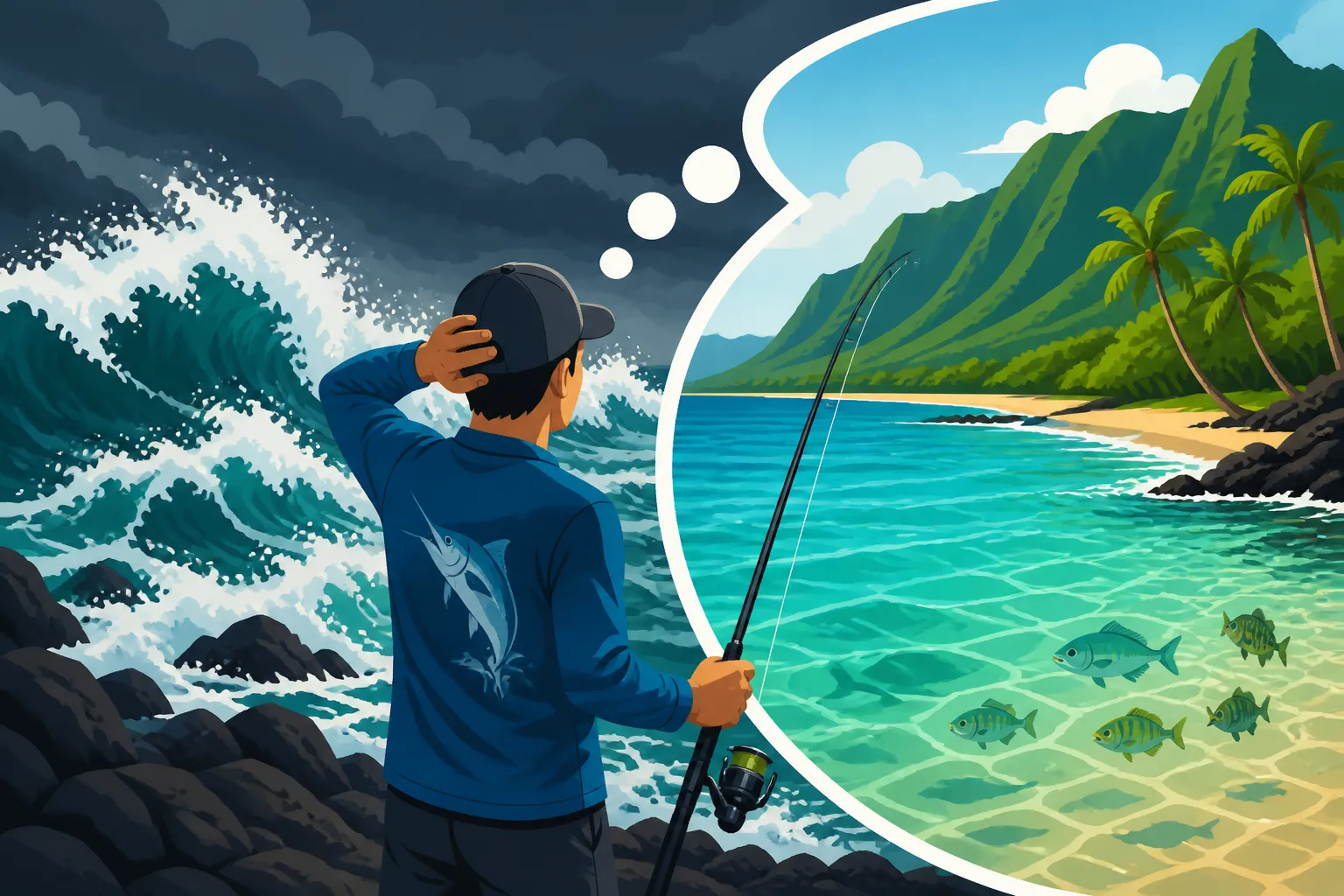
There’s nothing quite as frustrating as waking up with your fishing gear ready, bait bought, and a prime spot picked out, only to arrive at the shoreline and realize the ocean is a raging mess. Rough conditions don't just make fishing impossible; they can be downright dangerous. This guide is here to help you understand when Hawaii's beautiful, powerful ocean waters are simply too rough for shore fishing, keeping you safe and helping you plan your next successful outing.
Understanding Ocean Conditions for Shore Fishing
Shore fishing in Hawaii is an incredible experience, but it requires a deep respect for the ocean. Unlike boat fishing where you can often seek calmer waters, shore anglers are directly exposed to the full force of waves, currents, and wind. Knowing what makes the water "too rough" isn't just about catching fish; it's about personal safety.
Swell Direction and Size: The Primary Factors
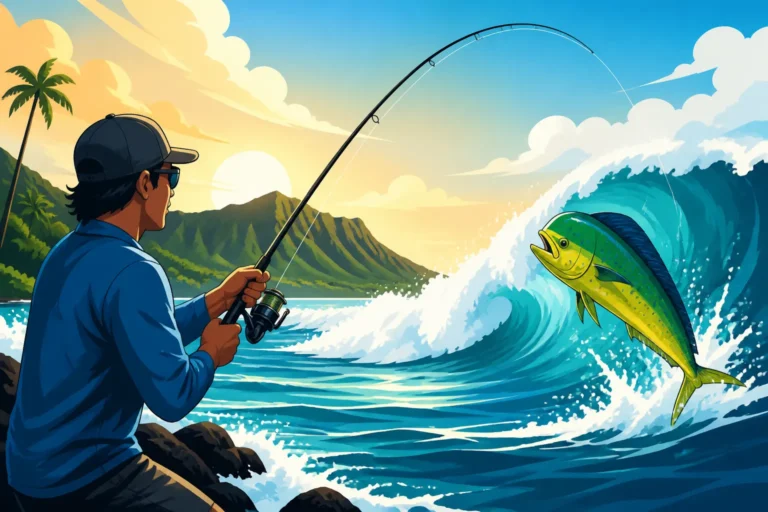
When you talk about rough ocean waters, swell is usually the first thing that comes to mind. Swell refers to the organized waves generated by distant storm systems. Here in Hawaii, we get swells from all directions – north, south, east, and west – depending on the season and distant weather patterns. A small, clean swell might create perfect conditions for a long cast, but a large, powerful swell can turn a favorite fishing spot into a death trap.
Imagine you're at a popular spot like Makapu'u Point on Oahu. A north swell might wrap around and create manageable waves, but a direct, large east swell driven by trade winds could make the entire shoreline impassable with massive, crashing waves. What might be calm on one side of an island could be absolutely treacherous on the other. Generally, anything consistently above 6-8 feet of face height for an incoming swell, especially when coupled with a short period (the time between waves), is going to make shore fishing incredibly challenging and risky. Waves that are breaking close to shore with significant force can easily knock you off your feet, drag you into the water, or send dangerous debris flying.
Wind Speed and Direction: Surface Chop and Casting Challenges
While swell provides the raw power of the ocean, wind is the sculptor of the surface. Strong winds can create immediate, local chop that makes the water incredibly messy, regardless of the underlying swell. This "wind chop" might not be as powerful as a large swell, but it can make casting nearly impossible, tangle your line constantly, and obscure your view of the water, making it harder to spot fish or potential hazards.
For example, a strong trade wind (typically from the northeast) blowing directly onto a windward shore like Sandy Beach Park can create constant white water and make it nearly impossible to keep your line in the water, let alone feel a bite. Even if the swell is modest, sustained winds of 15-20 knots or more can create conditions that are simply not conducive to enjoyable or effective shore fishing. Furthermore, strong winds can make it dangerous to navigate rocky shorelines or even stand firmly on uneven ground. Wind can also push spray high into the air, soaking you and your gear, leading to discomfort and potentially damaging your electronics.
Tidal Impact and Current Strength: Safety and Access
Tides play a crucial, often underestimated, role in shore fishing conditions. A rising tide can bring waves further up the beach, encroaching on your safe fishing zone. A dropping tide can expose slippery rocks and shallow reef, making access difficult or even trapping you. But it's the currents generated by tidal shifts, especially around points, channels, and harbor mouths, that can be truly dangerous.
During strong tidal movements, powerful rip currents can form, capable of sweeping an angler out to sea. Even seemingly gentle currents can make it impossible to keep your bait where you want it or feel subtle bites. Consider fishing near a channel on a day with a strong outgoing tide; the water might look relatively calm, but the sheer force of the current could be dangerous if you accidentally fall in, or simply make it impossible to fish effectively. Knowing the local tides and how they interact with the specific geography of your chosen spot is as vital as checking the swell. A general rule of thumb: if the current is strong enough to visibly drag large amounts of seaweed or debris at a fast pace, it's likely too strong to safely fish in or near.
Recognizing "Too Rough" Conditions on the Ground
Sometimes, no matter how much you check the forecast, the ocean has a mind of its own. It's essential to develop an eye for reading the water and prioritizing safety once you're on location.
Visual Cues: Reading the Water
When you arrive at your chosen spot, take a good five to ten minutes to simply observe the water before even thinking about setting up your gear. Look for these red flags:
- Consistent White Water: If the entire shoreline is a mass of breaking white water, with no clear lulls or calmer spots, it's too rough. This indicates powerful, turbulent conditions that will make fishing impossible and dangerous.
- Waves Breaking Far Out: Waves that are breaking a significant distance from shore, especially if they're reforming and breaking again closer in, suggest a very powerful swell. These waves will carry immense energy.
- Rips and Strong Currents: Look for channels of turbulent, discolored water moving rapidly away from shore, or for areas where the water is visibly rushing around points or submerged obstacles. These are often rip currents or strong coastal currents.
- Excessive Spray: If large amounts of sea spray are constantly being thrown high into the air, coating the rocks or beach, it means waves are breaking with significant force. This makes footing treacherous and reduces visibility.
- Debris in the Water: Lots of floating debris like branches, logs, or even large pieces of seaweed can indicate strong currents and powerful wave action. These can foul your lines, damage your gear, and even pose a physical threat if large enough.
When conditions are rough, your usual Shore Fishing Techniques for Hawaii might not be effective, and you may need to reconsider your approach or location.
Safety First: When to Stay Home or Find Shelter
This is the most critical part. No fish is worth risking your life. If you observe any of the visual cues mentioned above, or if your gut tells you it's unsafe, pack up and leave. There are always other days and other spots.
- Don't Turn Your Back on the Ocean: This is an old but vital Hawaiian saying. Never, ever take your eyes off the waves. Rogue waves can appear out of nowhere, even on seemingly calm days, and sweep you off rocks or the beach.
- Assess Your Footing: Wet, mossy, or rocky shorelines are inherently slippery. If waves are consistently washing over your chosen spot, or if the footing feels unstable due, you're in a high-risk area.
- Solo Fishing in Rough Conditions: Avoid fishing alone in rough conditions. If something happens, having another person nearby could be the difference between life and death.
- Wear Appropriate Footwear: Tabis or other non-slip reef shoes are essential for traction on slippery surfaces. Bare feet or flip-flops are an invitation for an accident in anything but the calmest conditions.
- Life Jackets: While not typical for all shore fishing, if you're fishing from extremely exposed points or rocky ledges where there's a real risk of being swept in, wearing a life jacket is a smart move. For those bringing younger anglers, remember to always adhere to Hawaii life jacket rules for children.
It’s always better to be safe than sorry. Remember, there are plenty of Best Shore Fishing Spots in Hawaii that are safer choices when the ocean is angry.
Equipment Limitations: What Your Gear Can (and Can't) Handle
Even if you can technically cast in rough conditions, your gear might not be up to the task, and the experience will likely be miserable.
- Light Tackle vs. Heavy Tackle: Light tackle is almost useless in heavy surf. The currents and waves will immediately drag your line, making it impossible to feel a bite or keep your bait in place. If you're targeting species like ulua, which often thrive in turbulent waters, you'll need heavy gear capable of handling the conditions. This usually means a long, stout rod (10-14 feet) with a heavy-duty reel spooled with 50-80 lb braided line, capable of throwing heavy weights (8-12 oz or more) and large baits. You can explore How to Catch Ulua from Shore for more details on specific gear requirements.
- Bait Presentation: In rough water, delicate bait presentations are out. Your bait needs to be robust enough to stay on the hook and withstand the pummeling of waves and currents. Live bait, cut bait, or durable artificials are typically used.
- Line Management: Wind knots, tangles, and snagging are exponentially more common in rough water. If you're spending more time untangling your line than fishing, it's a clear sign the conditions are too challenging for your setup or skill level.
- Reel Protection: Saltwater is corrosive. In very rough conditions, your reel will be constantly exposed to spray. Make sure your reel is sealed or take extra precautions for cleaning and maintenance afterward. A good quality reel, perhaps from a brand like Shimano or Penn (available on platforms like Amazon if you're shopping online), designed for saltwater exposure is essential.
Sometimes, the best solution isn't to force the issue, but to explore alternative fishing methods. For instance, kayak fishing offers a different perspective and can often navigate conditions that would be too rough for shore, though it comes with its own set of safety concerns. You can learn more in our guide on the Best Kayak Fishing Spots in Hawaii.
| Condition Aspect | Ideal for Shore Fishing | Challenging for Shore Fishing | Too Rough/Dangerous for Shore Fishing |
|---|---|---|---|
| Swell Height | < 3 feet (face height) | 3-6 feet | > 6 feet, especially with short period |
| Swell Period | > 10 seconds | 6-10 seconds | < 6 seconds (choppy, powerful) |
| Wind Speed | < 10 knots | 10-20 knots | > 20 knots (strong surface chop) |
| Wind Direction | Offshore or light cross | Onshore (creating chop) | Strong onshore (whiteout conditions) |
| Current Strength | Light to moderate | Noticeable drift | Strong rips, visible debris movement |
| Visibility | Clear, water movement visible | Murky near shore | Whiteout, constant heavy spray |
| Footing | Dry, stable rocks/sand | Wet, moderately slippery | Consistently washed over, very unstable |
Planning Ahead: Resources for Checking Ocean Forecasts
The key to avoiding those frustrating and potentially dangerous "too rough" days is diligent preparation. Always check the forecast before you leave the house.
Essential Online Tools and Apps
Hawaii has fantastic resources for ocean conditions. Here are some of the most widely used by local anglers and watermen:
- National Weather Service (NWS) Honolulu: Their marine forecasts are highly detailed and provide information on swell height, period, and direction, as well as wind speed and direction for various zones around the islands.
- Surfline / Magicseaweed: While primarily for surfers, these sites offer excellent, localized swell and wind forecasts. Pay attention to the "swell direction" and "period" in addition to the overall "surf height." These will give you a good indication of how the waves will hit your specific shore fishing spot.
- Windy.com / Windguru: These platforms offer incredibly visual wind forecasts, showing wind speed, gusts, and direction across the islands. This is crucial for anticipating chop and casting conditions.
- NOAA Tides & Currents: Essential for understanding tidal shifts and potential current strength, especially in channels and near harbors.
- Hawaii's Division of Aquatic Resources (DAR): While not a weather site, the DAR website is where you can find essential information on Hawaii Fishing Regulations Explained, including any seasonal closures or special area rules that might affect your plans. Knowing these rules is just as important as knowing the weather.
It’s a good practice to cross-reference a few of these sources. If they all point to high swell, strong winds, and short periods, it’s a clear sign to reconsider your plans.
Local Knowledge and Experienced Anglers
There's no substitute for talking to local fishermen. They know the nuances of each spot – how a certain swell direction behaves, where the rips form, and which areas get hammered by the wind. Strike up a conversation at a tackle shop, a local market, or even respectfully observe at a fishing spot. Most local anglers are happy to share advice, especially if it helps keep you safe and fosters respect for the ocean. They can often tell you about a particular spot's peculiarities, like how a specific north swell might wrap around a point, making an otherwise calm area surprisingly rough.
Don't be afraid to ask about specific areas, like Best Rocky Point Fishing Spots on Maui or Best Sandy Beach Fishing Spots on Kauai, and how they respond to different weather patterns. This hyper-local insight is invaluable and can’t always be gleaned from an app.
Alternative Spots and Techniques for Challenging Days
So, the forecast looks gnarly for your go-to shore spot. Don't despair! Hawaii offers so many diverse fishing opportunities that a "too rough" day for one type of fishing might be perfect for another.
- Seek Leeward Sides: If a strong swell is hitting one side of the island, the opposite, leeward side might be significantly calmer. For instance, if a massive north swell is shutting down the North Shore of Oahu, the leeward south shore might be perfectly fishable.
- Harbors and Protected Bays: Many harbors, like Keehi Lagoon or Honokohau Harbor, offer protected waters that are often fishable even in rough offshore conditions. While you might not be targeting the same species as open shoreline fishing, these spots can offer consistent action for papio, various reef fish, and sometimes even larger predators that patrol the harbor entrances. Check out Best Harbor Fishing Spots in Hawaii for ideas.
- Freshwater Fishing: Hawaii also has freshwater fishing opportunities! If the ocean is truly unwelcoming, consider heading inland. Places like Wahiawa Reservoir on Oahu offer bass and peacock bass fishing that is completely unaffected by ocean swells. You'll need a different license for this, so be sure to read our guide on the Hawaii Freshwater Fishing License and Rules.
- Change Your Technique: Instead of traditional bait and wait, you might try Wading Techniques for Hawaii Shore Fishing if the inner reef flats are calm enough, or even consider targeting different species that prefer turbulent water if you have the right heavy gear and skill.
Remember, having a Hawaii Fishing License Guide for 2026 is always the first step, no matter where or how you decide to fish. Planning ahead and being flexible will ensure you still get to enjoy fishing, even when the ocean decides to put on a show.
Navigating the Challenges of Rough Ocean Waters
Ultimately, knowing when Hawaii's ocean waters are too rough for shore fishing comes down to a combination of understanding forecasts, reading the water, respecting the power of nature, and prioritizing your safety above all else. There will always be another day to wet a line. The ocean is an incredible, life-giving force, but it demands respect. By being prepared, knowledgeable, and humble, you can ensure your fishing adventures in Hawaii are not only successful but also safe and memorable.
Disclaimer
The information provided in this guide is for general informational purposes only and is not a substitute for professional advice or your own responsible judgment. Ocean conditions can change rapidly and unexpectedly. Always exercise extreme caution, observe local conditions, and prioritize personal safety. Adhere to all local regulations and seek guidance from experienced local anglers or authorities when in doubt.