Best technique for chunking bait for ulua
Catching ulua, also known as Giant Trevally, from Hawaii's shores is a dream for many anglers, but it’s notoriously challenging, often leading to frustration for those who don't know the most effective methods. This guide is dedicated to breaking down one of the most reliable and productive techniques for landing these powerful fish: chunking bait. We're going to dive deep into everything from selecting your gear to mastering the cast, helping you understand how to maximize your chances of success.
Understanding Ulua and Why Chunking Bait Works So Well
Ulua are revered in Hawaii for their incredible fighting spirit and impressive size. These apex predators cruise the reefs and open ocean, constantly on the hunt. They're intelligent, opportunistic feeders, and they can be incredibly picky sometimes, which is where the right technique makes all the difference.
The Hunter of Hawaiian Waters
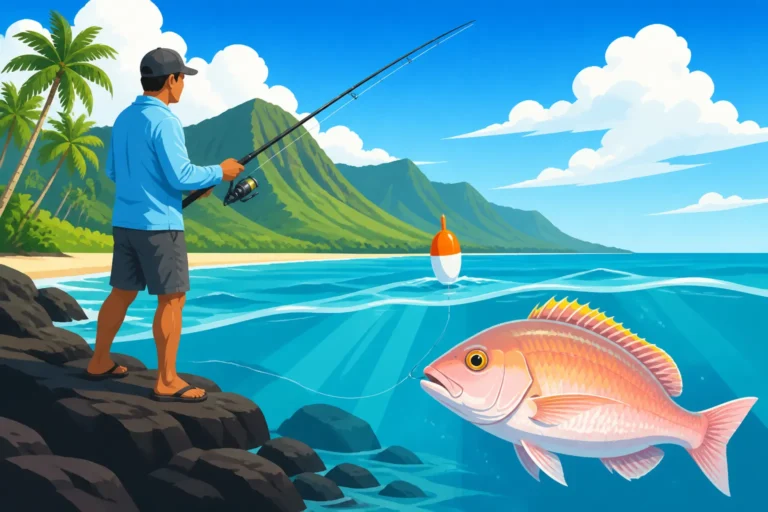
Ulua, along with their younger counterparts, papio, are found throughout Hawaii's nearshore and offshore waters. They patrol reef edges, channels, and rocky points, often venturing into deeper areas but also coming into the surf zone to ambush prey. Their diet is varied, including smaller fish, crustaceans, and even squid. What makes them such a formidable target is their sheer power and stamina. Once hooked, an ulua will make blistering runs, often trying to cut you off on reef structure or dive into deep crevices. It takes a solid angler with the right gear and technique to bring one to shore. For more insights into these magnificent fish, check out Ulua (Giant Trevally) Fishing in Hawaii. You might also find it useful to understand Ulua vs Papio: What's the Difference to help identify your catch.
The Appeal of Chunking
So, why chunking? Chunking is essentially creating a scent trail in the water to attract fish. It's a method where you cut up bait fish into small pieces, or "chunks," and continuously throw them into the water. This creates a food source that drifts with the current, drawing predatory fish, like ulua, closer to your main baited hook. The key here is consistency and matching your hook bait to the chum. This technique works exceptionally well for ulua because they are scent-oriented hunters. The steady stream of scent and small food morsels acts like an irresistible dinner bell, pulling them from their hiding spots or migratory paths right to your fishing zone. It also helps to get them into a feeding frenzy, making them less wary of a hooked bait.
Essential Gear for a Successful Ulua Chunking Session
You can't go after a beast like ulua with flimsy gear. Chunking for ulua demands heavy-duty tackle that can withstand immense pressure and violent runs. Skimping on your setup is a surefire way to end up broken off and disappointed.
Rod and Reel: Power and Capacity
When you're chunking for ulua, you need a rod and reel combo that can handle the raw power these fish possess.
- Rods: Look for heavy-action surfcasting rods, typically 10 to 14 feet long. The extra length helps with casting heavier baits and chunks far out, getting past the immediate shore break, and also aids in leverage when fighting a strong fish. A rod with a sturdy backbone and a sensitive tip is ideal – you need to feel the subtle pickups but have the power to turn a fish away from structure. Some anglers even use custom-built rods specifically designed for Hawaiian ulua fishing.
- Reels: A large, robust conventional or spinning reel is a must. For conventional reels, models known for their strong drag systems and high line capacity are preferred. Think of reels capable of holding at least 400-500 yards of 80-100 pound braided line. Spinning reels for ulua need to be equally tough, with sealed drag systems to prevent sand and saltwater intrusion, and a gear ratio that allows for powerful cranking. Many anglers swear by high-end reels found on sites like Amazon that are known for their durability in saltwater conditions.
Line, Leader, and Terminal Tackle
The connection between you and the ulua is critical. Every component needs to be top-notch.
- Main Line: Braided line is the standard for ulua chunking due to its incredible strength-to-diameter ratio and lack of stretch, which provides excellent sensitivity. A minimum of 80-pound test braid is recommended, but many go up to 100-130 pound, especially when fishing rocky areas where abrasions are common. The no-stretch property allows for solid hooksets even at long distances. For details on what line to use, you can read more about Best line for surfcasting from a rocky shore.
- Leader: This is where you need to be serious. Ulua have abrasive mouths and powerful jaws. A heavy monofilament or fluorocarbon leader is essential to absorb shock and resist cuts. Many anglers use 150-300 pound test monofilament for their main leader, often several feet long. Some even double this up, creating a "shock leader" to absorb the initial impact of the cast and the powerful strike of an ulua. For specific recommendations, explore How thick a leader you need for ulua fishing.
- Hooks: Large, super-strong circle hooks are generally preferred when chunking for ulua. Sizes range from 16/0 to 20/0, depending on your bait size. Circle hooks are excellent because they typically hook the fish in the corner of the mouth, leading to fewer gut-hooked fish and often better hook-up ratios when fish are aggressively feeding on chunks. Ensure your hooks are sharp and robust enough not to straighten under extreme pressure. Brands available on platforms like Amazon often offer heavy-duty, corrosion-resistant options.
- Weights: Pyramid sinkers or Sputnik sinkers (spider weights) are common for chunking from shore. You need enough weight to hold your bait in place against the current and surf, typically ranging from 6 to 12 ounces, or even more in very heavy surf. Sputnik sinkers with their wire arms are particularly effective at digging into sandy bottoms and holding firm.
Here's a quick overview of essential gear:
| Gear Item | Recommendation | Why It's Important |
|---|---|---|
| Rod | 10-14 ft, heavy action surfcasting rod | Long casts, leverage for fighting large fish, sensitive tip for bites |
| Reel | Large conventional or spinning (80-130 lb line) | High line capacity, strong, sealed drag for powerful runs, durability in saltwater |
| Main Line | 80-130 lb braided line | Strength, sensitivity, no stretch for solid hooksets |
| Leader | 150-300 lb monofilament or fluorocarbon | Abrasion resistance, shock absorption, critical for landing ulua |
| Hooks | 16/0 – 20/0 strong circle hooks | Secure hooksets in the jaw, minimizes gut-hooking, withstands ulua's power |
| Weights | 6-12 oz pyramid or Sputnik sinkers | Holds bait in place against current/surf, prevents drift |
| Bait Knife | Sharp, sturdy filet knife | Efficiently cut chunks and prepare main bait |
| Cooler | Large, insulated | Keeps bait fresh and your catch chilled |
| Headlamp | Powerful, waterproof (for night fishing) | Essential for rigging, casting, and landing fish in the dark. See Night Fishing for Ulua in Hawaii for more tips. |
| Rod Holders | PVC pipe or metal spike rod holders | Keeps rods secure, allows hands-free chunking |
Selecting and Preparing Your Bait for Chunking
The success of your chunking operation hinges almost entirely on the quality and presentation of your bait. Ulua are discerning, and fresh, oily bait is usually the ticket.
Choosing the Best Baits
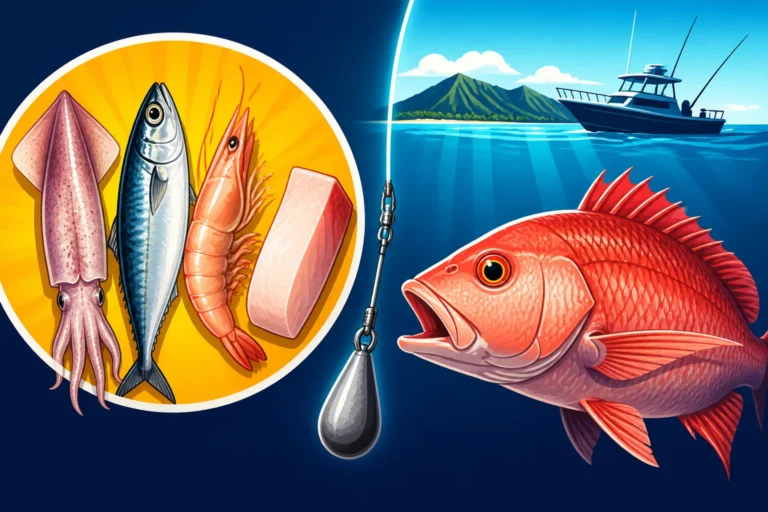
When it comes to ulua, oily fish are king. The oilier the fish, the stronger the scent trail it leaves in the water, which is exactly what we want for chunking.
- Opelu (Mackerel Scad): This is arguably the most popular and effective bait for ulua. Opelu are incredibly oily, release a strong scent, and are a natural food source for ulua. You can often catch your own opelu with sabiki rigs in harbors or bays, ensuring maximum freshness.
- Akule (Bigeye Scad): Another excellent choice, very similar to opelu in its oil content and effectiveness. Best bait for ahi fishing might give you some ideas on general oily baits, and many of those apply to ulua too.
- Mackerel or Sardines: If opelu or akule are hard to come by, fresh mackerel or sardines can be a good substitute. Look for them at local fish markets or tackle shops.
- Squid: While not as oily, fresh squid can also be effective, especially for the main hook bait, as it's tough and stays on the hook well. Sometimes, a combination of squid and oily fish works wonders.
The fresher the bait, the better. Frozen bait can work, but freshly caught bait has a stronger scent and a more natural texture.
Preparing Your Chunks and Hook Bait
This is where the "chunking" technique gets its name. Proper preparation is vital.
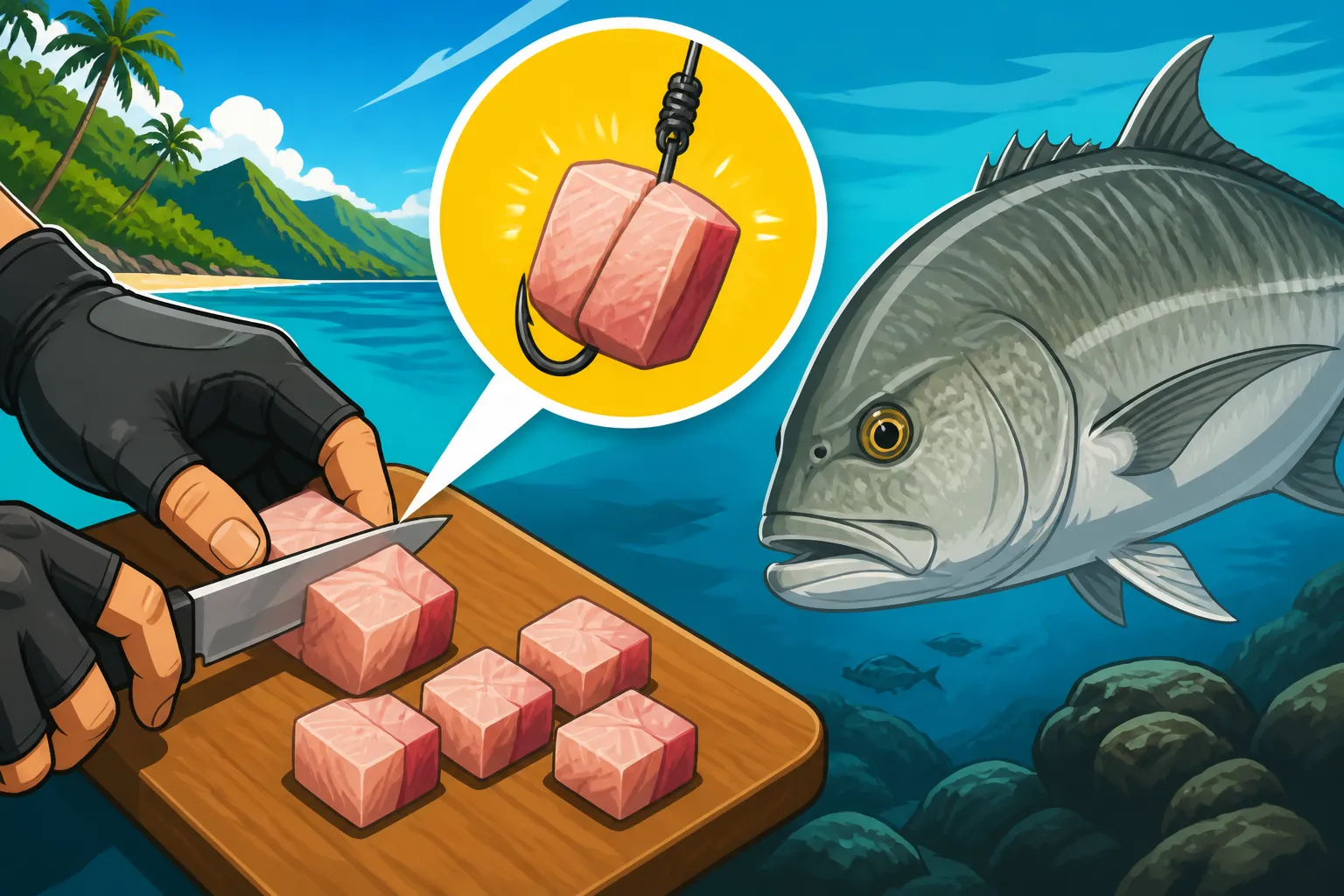
- Cut the Chunks: Using a sharp bait knife (you can find reliable ones on Amazon), cut your chosen bait fish into small, bite-sized pieces, roughly 1/2 to 1 inch cubes. The goal is to create consistent pieces that drift naturally in the current without being too large to satiate the fish or too small to be easily ignored. Keep the chunks in a separate bucket or cooler from your main hook baits to maintain freshness and prevent contamination.
- Prepare the Hook Bait: For your main hook bait, you'll want a larger, more substantial piece of the same fish you're using for chunks. A good size is typically a 2-4 inch thick slab, often cut from the middle section of the fish, ensuring it has skin and scales for durability. This larger piece is designed to entice a bigger ulua that has been drawn in by the smaller chunks. For some ideas on ideal baits, refer to Best whole bait for ulua sliding rigs. You can also leave the head and tail attached to a whole small fish for your main bait if targeting trophy-sized ulua.
- Keep it Fresh: Always keep your bait on ice until ready to use. This not only preserves the bait but also helps it firm up, making it easier to cut and ensuring it stays on the hook longer. A well-insulated cooler is your best friend here.
Mastering the Chunking Technique for Ulua
Now that you have your gear and bait ready, let's get into the nitty-gritty of the chunking process itself. This isn't just about throwing bait in the water; it's a strategic operation.
Location, Location, Location
Before you even start chunking, picking the right spot is crucial. Ulua often frequent areas where they can ambush prey or where current lines bring food to them.
- Rocky Points and Ledges: These provide cover and structure for ulua. The wash from waves over these areas can dislodge small prey, attracting predators.
- Channels and Gaps: Areas where water funnels through, such as between reefs or near harbor entrances, can be prime feeding grounds.
- Shoreline Edges Near Deep Water: Ulua will often cruise the transition zones where shallow reefs meet deeper water.
- Night Fishing: Ulua are often more active feeders at night, especially during certain moon phases. This is a prime time for chunking. Consider reading Best night fishing spots on Oahu or Night Fishing for Ulua in Hawaii for more detailed information on nocturnal strategies.
Once you’ve found a promising spot, observe the currents. You want your chunk trail to drift naturally through the area you intend to fish, leading fish to your main hook bait.
The Art of the Chum Slick
Creating an effective chum slick is the core of chunking.
- Initial Burst: Start by tossing a good handful of chunks into the water. This initial burst gets the scent trail established quickly. Don't throw too much at once, or you'll feed the fish without getting them to your hook.
- Consistent Dribble: After the initial burst, switch to a consistent, slow dribble of chunks. Toss 2-3 pieces every minute or so, letting them drift with the current. The goal is to keep a steady, appealing scent and food trail without overfeeding the fish.
- Match the Drift: Pay close attention to how your chunks drift. Your main hook bait should be presented in a way that mimics this natural drift, making it appear as just another piece of food in the slick. If the current is strong, your chunks will disperse quickly, requiring more frequent distribution. If the current is slow, you can reduce the frequency.
- Cover a Wide Area: Depending on the current, your chum slick might spread out. Try to distribute your chunks in a way that covers a reasonable area, increasing the chances of an ulua encountering the trail.
Presenting Your Hook Bait
With your chum slick established, it's time to get your main hook bait into the zone.
- Rigging: The simplest and most common rig for ulua chunking is a "fish-finder" rig. This involves your main line, a sliding sinker, a swivel, and a heavy leader with your hook. The sliding sinker allows the fish to pick up the bait and run without immediately feeling the weight of the sinker, giving you a better chance for a solid hookset.
- Casting: Cast your main bait out into the same general area where your chunks are drifting. Aim to get it slightly up-current from where you expect the fish to be, allowing it to drift naturally into the target zone. Use the long rod to cast with power and accuracy. If you need a refresher on casting, review Best rod setup for surfcasting ulua.
- Letting it Soak: Once your bait is out, put your rod in a sturdy rod holder. Engage the clicker (if using a conventional reel) or keep the bail open with a rubber band (for spinning reels) and maintain a very loose drag. The idea is to allow an ulua to take the bait and run for a few seconds without feeling immediate resistance. This usually results in a better hookset.
- The Wait and the Strike: Ulua strikes can range from subtle taps to a rod-bending, line-screaming smash. When you get a bite, let the fish take the bait for a few seconds. Once the line starts peeling off steadily, engage the drag, lift the rod tip sharply to set the circle hook, and hold on tight!
Optimal Conditions and Best Practices for Ulua Chunking
Even with the best gear and technique, understanding the nuances of the environment can drastically improve your chances.
Tidal Movements and Moon Phases
Tides play a significant role in ulua feeding patterns. Often, the incoming or outgoing tide, especially around changes, can be productive. The moving water stirs up food and concentrates baitfish, bringing ulua to the feeding grounds. Many experienced ulua anglers also swear by specific moon phases, with new moon and full moon periods often considered prime times for big fish, though good fishing can happen anytime. Keep an eye on the tides and plan your chunking sessions accordingly.
Safety First
Shore fishing in Hawaii, especially for ulua, can involve powerful surf and rocky coastlines.
- Watch the Waves: Always be aware of rogue waves or sneaker sets that can surge much further up the shore than expected. Never turn your back on the ocean.
- Footwear: Wear sturdy, reef-walking shoes with good grip to navigate slippery rocks.
- Buddy System: If possible, fish with a friend, especially during night fishing sessions.
- Stay Hydrated: Even if fishing at night, it's crucial to bring plenty of water.
Environmental Responsibility
As anglers, it's our kuleana (responsibility) to care for the ocean and its resources.
- Leave No Trace: Pack out everything you pack in. This includes fishing line, bait containers, and any other trash.
- Respect Marine Life: Be mindful of protected species. If you accidentally hook a turtle or monk seal, know how to safely release it without causing harm.
- Know the Regulations: Always be aware of local fishing regulations, including bag and size limits for ulua and other species. Check the Hawaii DLNR website or reference guides like Hawaii Fishing Regulations Explained and Hawaii Papio and Ulua Size Rules. Ensure you have your Hawaii Fishing License Guide for 2026 in order if needed.
By diligently applying these chunking techniques, choosing the right spots, and using appropriate gear, you'll significantly increase your chances of hooking into that Hawaiian ulua of a lifetime. It takes patience, persistence, and a bit of aloha for the ocean, but the reward of battling one of these magnificent fish from shore is truly unparalleled.
Disclaimer
This article is for general informational purposes only and does not constitute professional advice. Laws, prices and regulations vary by location and change over time. Consult a qualified professional for guidance on your specific situation.