Mahimahi Fishing in Hawaii
The shimmering, iridescent flash of a mahimahi leaping from the cerulean Hawaiian waters is a sight etched into the dreams of countless anglers. However, the reality of successfully targeting these fast, powerful, and often elusive fish can quickly turn that dream into a frustrating chase. Many visitors and even local kama'aina struggle to consistently locate and land mahimahi, often feeling overwhelmed by the vastness of the ocean and the nuances of offshore fishing. This comprehensive guide will equip you with the deep knowledge and practical strategies needed to understand, find, and catch mahimahi in Hawaii, transforming your aspirations into a rewarding fishing adventure.
Understanding Mahimahi: The Ocean's Colorful Acrobat
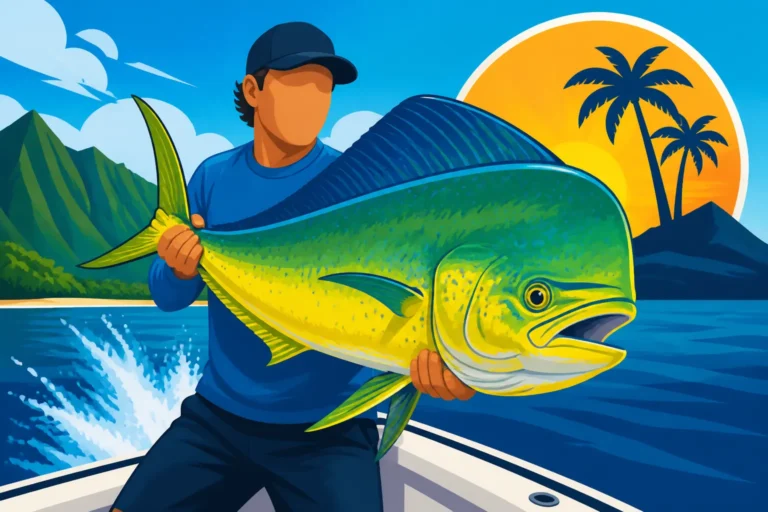
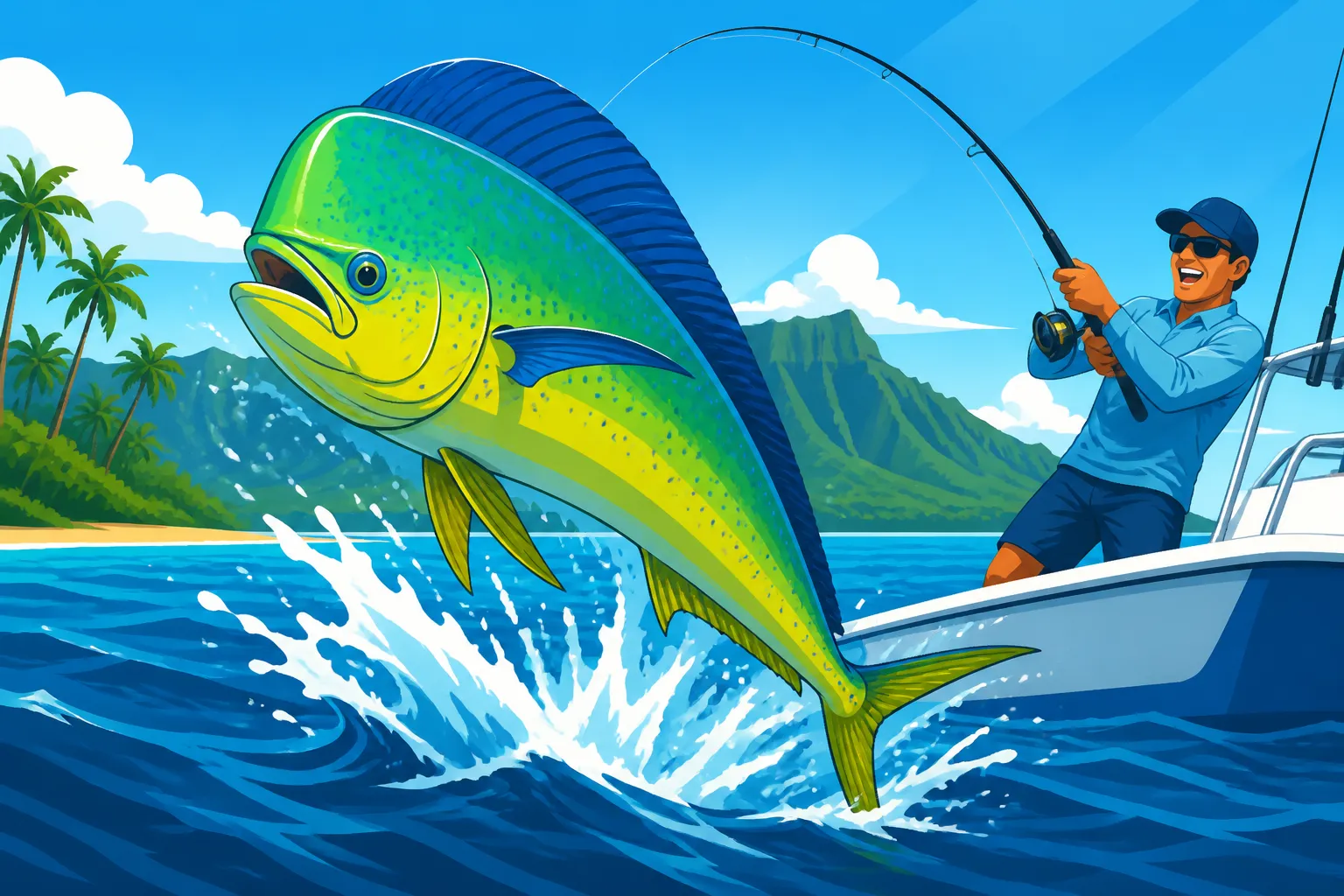
Mahimahi, also known as dolphin fish (though not related to marine mammals) or dorado, are truly one of the most exciting and visually stunning fish in Hawaiian waters. Their vibrant colors, incredible speed, and acrobatic jumps make them a prime target for sport fishermen. But to consistently catch them, you first need to understand their world.
Mahimahi Life Cycle and Growth in Hawaiian Waters
Mahimahi are champions of rapid growth. Unlike many other species that take years to reach a respectable size, mahimahi mature incredibly quickly. They have a relatively short lifespan, typically only living for about four to five years, but they make the most of it. This rapid growth means they're constantly on the hunt for food, which is great news for anglers. They can grow from a tiny fry to a substantial fish, often reaching weights of 20 to 30 pounds or more, in just a year or two.
This accelerated life cycle also means they spawn frequently throughout the year in warm waters, contributing to a healthy population around the islands. While there might be peaks in activity, you'll generally find mahimahi present in Hawaiian waters year-round. Understanding this life cycle helps us appreciate why they are such aggressive feeders and always on the move – they're essentially racing against the clock to grow, reproduce, and sustain themselves. Their existence is a high-speed sprint, making them exhilarating to pursue. You might be interested in a broader look at Mahimahi Life Cycle in Hawaiian Waters.
Mahimahi Habits and Feeding Behavior
Mahimahi are opportunistic predators, known for their aggressive feeding habits. They are constantly patrolling the open ocean, looking for their next meal. Their diet primarily consists of smaller baitfish like flying fish, squid, and even juvenile tuna or mackerel. They’ll often associate with floating debris, current lines, and FADs (Fish Aggregating Devices) where baitfish tend to congregate. These floating structures provide shelter and a concentrated food source for smaller fish, which in turn attracts hungry mahimahi.
They're sight hunters with excellent vision, and their streamlined bodies allow them to reach incredible speeds to ambush prey. You'll often find them cruising just below the surface, or even leaping out of the water in pursuit of flying fish. This surface-oriented behavior makes them particularly susceptible to trolled lures and baits. When you find one mahimahi, chances are there are more in the area. They often travel in schools, especially the smaller "schoolie" mahimahi, which can lead to multiple hook-ups and thrilling fishing action. Larger "bulls" or "cows" (mature males and females) may be found solitary or in smaller groups.
Identifying Mahimahi: Differences Between Males and Females
Identifying mahimahi is fairly straightforward, but distinguishing between males and females can add another layer of appreciation to your catch. Both sexes boast dazzling iridescent colors, shifting from electric blue and green on their backs to golden yellow on their sides and belly. These colors often intensify when the fish is excited or actively feeding, creating a truly spectacular display.
The most distinctive difference lies in their head shape. Male mahimahi, often called "bulls," have a very prominent, blunt, and vertical forehead. This large, square head gives them a powerful, almost imposing look. Female mahimahi, or "cows," have a more rounded, sloping forehead. This difference is usually quite obvious, especially in larger specimens. While both sexes fight hard, bull mahimahi are often sought after for their impressive appearance and tend to grow larger on average. Regardless of sex, a mahimahi on the line is a thrilling experience.
Prime Locations to Find Mahimahi in Hawaii
Finding mahimahi isn't about casting randomly; it's about understanding where they prefer to hunt. These pelagic fish are constantly on the move, but they gravitate towards certain areas that concentrate their prey or provide favorable conditions.
Current Lines and Weedlines
One of the most reliable indicators of mahimahi presence is a visible current line or weedline. These are areas where two different currents meet, or where debris, often Sargassum seaweed, accumulates. These lines act as natural highways and feeding grounds in the open ocean. Smaller baitfish, crustaceans, and other marine life get swept into these lines, creating a concentrated buffet for predators like mahimahi.
Anglers often look for distinct color changes in the water, foam lines, or visible patches of weed. Trolling along these lines is a highly effective strategy, as mahimahi will patrol these areas, picking off unsuspecting prey. Sometimes, these weedlines can stretch for miles, offering continuous opportunities. It's not uncommon to spot them lurking just under the weed, ready to dart out and strike.
FADs and Offshore Buoys
Hawaii's waters are dotted with FADs (Fish Aggregating Devices) – offshore buoys specifically deployed by the state to attract pelagic fish. These FADs act as artificial structure in the otherwise vast, open ocean, providing a point of reference and gathering spot for various marine life, including baitfish, and consequently, predators like mahimahi.
Approaching a FAD requires a bit of strategy. Often, mahimahi will hold a certain distance from the buoy itself, so trolling circles around it, or making passes at varying distances, is a common tactic. You might also find them directly beneath the buoy. Many experienced captains will make multiple passes, often varying their lure depths and speeds, before moving on if no bites occur. These FADs are publicly marked on charts and are crucial for offshore anglers in Hawaii.
Floating Debris and Open Ocean Structure
Beyond FADs, any floating object in the open ocean can act as a mini-ecosystem, attracting mahimahi. This could be anything from a discarded pallet, a piece of lumber, or even a large leaf. Smaller fish will seek shelter and food around these objects, and mahimahi will inevitably follow. Always keep a keen eye on the horizon for anything that looks out of place.
When you spot floating debris, don't just speed past it. Make several passes around it, sometimes slowing down or even casting live bait or lures directly to the structure. The fish might be holding tight to the shade or shelter provided. This "debris fishing" can often yield some of the biggest surprises and some truly memorable catches. The vastness of the Hawaiian ocean means that finding such floating structure can be like finding a needle in a haystack, but the rewards are often well worth the diligent search.
Best Seasons and Conditions for Mahimahi Fishing
While mahimahi are present in Hawaiian waters year-round, certain seasons and conditions offer significantly better chances of a successful outing. Understanding these patterns is key to maximizing your efforts. You might want to review Hawaii Fishing Seasons by Month for a broader perspective.
Peak Seasons for Mahimahi in Hawaii
Mahimahi fishing in Hawaii can be good at any time of year, but many local anglers and charter captains agree that late spring through early fall generally offers the most consistent action. Typically, from March to October, the warmer ocean temperatures and increased baitfish activity create ideal conditions for mahimahi. During these months, they are more active, often found in larger schools, and are more willing to strike.
However, don't dismiss the "off-season." Even in winter, you can still find good numbers of mahimahi, especially around FADs and offshore current lines. They might just be a little deeper or spread out more. The peak season sees a greater abundance and often larger fish, making it the preferred time for many who specifically target mahimahi. Knowing the nuances of Best Time of Year to Fish in Hawaii can certainly help you plan your trip.
Water Temperature and Clarity
Mahimahi thrive in warm, clear, blue ocean water. They prefer temperatures typically ranging from the mid-70s to low 80s Fahrenheit. If the water is too cold, they'll move on. This is why the summer months are so productive. Clear water is also crucial, as mahimahi are primarily sight feeders. They need to be able to spot their prey and your lures from a distance.
Murky, green, or brown water, often associated with heavy rain runoff or strong currents stirring up sediment near shore, is generally not where you'll find mahimahi. Look for that deep, sapphire blue water that signals good offshore conditions. A significant change in water color often indicates a current line, which, as we discussed, can be a prime mahimahi hunting ground. Keep an eye on sea surface temperature charts if you have access to them, as they can reveal where the warmest waters are pooling.
Weather and Ocean Conditions
Ideal mahimahi fishing conditions involve relatively calm seas with a light chop. A little ripple on the water's surface can actually be beneficial, as it breaks up the light and can make your lures appear more natural, mimicking fleeing baitfish. Extremely flat, glassy conditions can sometimes make fish more wary, while very rough seas can make fishing challenging and uncomfortable, though mahimahi might still be present.
Strong winds and heavy swells can push baitfish and debris around, disrupting established feeding patterns. However, a steady, moderate current can be a good thing, creating those crucial current lines. Pay attention to local marine forecasts. A comfortable day on the water usually translates to a more enjoyable and productive fishing experience. It's always best to err on the side of caution when heading offshore; the ocean can change rapidly.
Essential Gear for Hawaiian Mahimahi Anglers
Heading out for mahimahi without the right gear is like trying to hike a volcano in flip-flops—you might technically do it, but you won't be comfortable or effective. Proper equipment makes all the difference for these hard-fighting fish.
Rods, Reels, and Line
For mahimahi, you'll generally want a medium-heavy to heavy conventional or spinning setup. A 30-50 lb class rod, typically 6 to 7 feet long, with a fast action tip and strong backbone, is a good choice. This allows you to cast lures effectively and have enough power to control a surging mahimahi. Paired with a quality conventional reel capable of holding at least 300 yards of line, or a sturdy spinning reel with a good drag system, you'll be well-equipped. Many anglers opt for high-capacity reels to handle long runs.
For line, 30-50 lb monofilament or braided line is standard. Braided line offers excellent sensitivity, strength-to-diameter ratio, and casting distance, but requires a monofilament or fluorocarbon leader for abrasion resistance and stealth. A leader of 60-100 lb fluorocarbon or monofilament, typically 6-10 feet long, is essential. The leader provides protection from the fish's rough mouth and the sharp edges of floating debris. Ensure your knots are strong and well-tied; these fish will test every part of your tackle.
Lures and Baits of Choice
Mahimahi are not particularly picky, but they do have favorites. Trolling lures are perhaps the most common and effective choice. Skirted lures in bright, flashy colors like pink, green, yellow, or blue and white combinations are incredibly popular. Sizes typically range from 5 to 8 inches. These lures mimic fleeing baitfish and create a disturbance in the water that attracts attention. Artificial flies or "feathers" are also very effective, particularly in various shades of green, yellow, and blue.
Live bait, when available, is often irresistible to mahimahi. Small skipjack tuna, opelu (mackerel scad), or akule (bigeye scad) are prime choices. If live bait isn't an option, dead bait such as whole ballyhoo or strip baits rigged to swim naturally can also be highly effective. The key is presentation – your lure or bait should look alive and enticing. Many anglers stock a variety of lure colors and sizes to adapt to changing conditions and fish preferences. You can often find a great selection of proven lures and rigging supplies on Amazon.
Essential Accessories
Beyond the basic rod and reel setup, several accessories are crucial for a successful and safe mahimahi trip:
- Gaff or Net: A sturdy gaff is vital for bringing a thrashing mahimahi into the boat. For smaller schoolie fish, a large landing net can also work.
- Fish Bag or Cooler: Mahimahi are excellent eating fish, so keeping them fresh on ice is paramount. A large, insulated fish bag or cooler will preserve your catch.
- Cutting Board and Knives: For immediate processing, if desired, or at least for bleeding the fish quickly to enhance meat quality.
- Pliers/Dehooker: To safely remove hooks, protecting both yourself and the fish.
- Sun Protection: Sunscreen, wide-brimmed hats, long-sleeved shirts, and polarized sunglasses are absolute necessities in the Hawaiian sun.
- First Aid Kit: Always a good idea on any boat trip.
- Safety Gear: VHF radio, flares, life jackets (refer to Life Jacket Requirements for Hawaii Boaters), and other boating safety equipment as required by Hawaii Boating Laws for Anglers.
- Camera: You'll want to capture the vibrant colors of these fish!
Having these accessories on hand ensures you're prepared for every stage of the mahimahi fishing experience, from hook-up to the dinner plate.
Effective Techniques for Catching Mahimahi
Mahimahi are highly sought after, and there are several proven techniques to entice them to bite. The method you choose often depends on whether you're on a boat, a kayak, or even shore fishing in rare circumstances.
Trolling with Lures and Baits
Trolling is by far the most popular and effective method for targeting mahimahi in Hawaii. This involves dragging lures or rigged baits behind a moving boat, typically at speeds between 5 and 9 knots, though this can vary. A common setup involves deploying several lines at different distances and depths, creating a "spread" that covers more water and looks like a school of baitfish.
Anglers will often use a combination of skirted trolling lures, artificial feathers, or rigged ballyhoo. Some lures are designed to run on the surface, while others have weighted heads or are pulled by downriggers to reach deeper depths. The goal is to cover ground, especially along current lines, near FADs, or around floating debris. When a mahimahi strikes, it’s often a violent, unmistakable pull, followed by spectacular aerial displays. Setting the hook immediately is crucial, as they can quickly spit a lure. A deep dive into Trolling Techniques for Hawaii Pelagics can provide even more insights.
Live Bait Fishing Around Structure
While trolling covers vast distances, live bait fishing can be incredibly effective when you've located a concentration of mahimahi, perhaps around a FAD or a significant piece of floating debris. The natural movement and scent of a live baitfish are often irresistible to hungry mahimahi.
Common live baits include opelu, akule, or small skipjack. These can be bridled through the nose or dorsal fin and allowed to swim naturally in the vicinity of the structure. Some anglers will also use chum to draw fish closer to the boat before deploying live baits. This method requires a bit more patience than trolling, but it can often yield larger, more aggressive fish. When a mahimahi grabs a live bait, allow it to take the bait for a moment before setting the hook firmly.
Casting Lures to Visible Schools or Debris
Sometimes, you'll spot mahimahi leaping, chasing bait, or see a school of them near floating debris or a FAD. This is where casting can come into play. Having a spinning rod rigged with a casting lure – like a surface popper, a swimming plug, or a soft plastic jig – ready to go can turn a sighting into a hook-up.
When casting, aim beyond the visible fish or structure and retrieve your lure with an erratic action to mimic a wounded baitfish. Poppers can be particularly exciting as they create a commotion on the surface that can trigger aggressive strikes. If you see a fish, don't throw your lure directly on top of it; try to lead it, or cast past it and retrieve through its likely path. Mahimahi are very visual predators, and a well-presented cast can be incredibly effective in these situations.
Table: Mahimahi Fishing Techniques Comparison
| Technique | Best Use Case | Gear Requirements | Pros | Cons |
|---|---|---|---|---|
| Trolling | Covering large areas, searching for fish, around FADs | Conventional or heavy spinning gear, various lures | Efficient, covers water, triggers aggressive strikes | Requires boat, fuel, constant attention to spread |
| Live Bait Fishing | When fish are located, around FADs/debris | Conventional or heavy spinning gear, live bait tank | Highly effective on finicky fish, can target larger fish | Requires catching/maintaining live bait, less mobile |
| Casting Lures | Visual sightings, close to debris/FADs | Medium-heavy spinning gear, casting lures | Exciting, interactive, good for targeting specific fish | Requires accurate casting, limited range, fish can be wary |
Handling and Caring for Your Mahimahi Catch
Once you've battled and successfully landed a mahimahi, the job isn't quite done. Proper handling is crucial for both safety and preserving the quality of the delicious meat. These fish are known for their vibrant colors and incredible fight, but they can also be challenging to manage on deck.
Safely Bringing Mahimahi Aboard
Bringing a mahimahi onto the boat requires care and often teamwork. Mahimahi are famous for their last-ditch efforts, often thrashing wildly and jumping around the deck. This is where a good gaff or a large, sturdy net comes in. Once the fish is close to the boat and tired, a skilled gaffer will aim for the shoulder or head area to secure the fish quickly. If using a net, guide the fish headfirst into the net to prevent it from jumping out.
Immediately upon bringing it aboard, the best practice is to quickly dispatch the fish. A sharp blow to the head or brain spiking (iki jime) will reduce its struggle, minimize stress, and improve meat quality. Once dispatched, it's a good idea to bleed the fish by cutting the gills or the caudal artery near the tail. This further enhances meat quality by removing lactic acid and blood from the muscle tissue.
Best Practices for Preserving Meat Quality
Mahimahi is renowned for its firm, white, flavorful flesh, making it a favorite for many culinary preparations. To ensure your catch tastes its absolute best, proper preservation is key. After dispatching and bleeding the fish, immediately get it into an ice-filled cooler or a dedicated fish bag. The colder, the better. Rapid chilling prevents bacterial growth and maintains the texture and flavor of the meat.
Never let a mahimahi lie on a hot deck, even for a few minutes, as this can quickly degrade the meat. If you're on a long trip, adding saltwater to your ice slurry can create a super-chilled brine that cools the fish even faster. Keep the cooler closed as much as possible to retain the cold. The quicker you can chill the fish down to near-freezing temperatures, the better the eating experience will be. If you're curious about its culinary value, you can find more information on Is Mahimahi Good to Eat?.
Legalities and Regulations: Bag and Size Limits
Before you even head out, it's absolutely vital to be aware of Hawaii's current fishing regulations, which include specific bag limits and potentially size limits for mahimahi and other pelagic species. These rules are put in place by the Hawaii Department of Land and Natural Resources (DLNR) to ensure sustainable fishing practices and protect the health of our ocean resources.
While mahimahi are generally abundant, limits can change. For instance, there are typically limits on how many mahimahi an individual or a vessel can harvest per day. Always check the most up-to-date regulations from the Hawaii Division of Aquatic Resources (DAR) before your trip. Violating these rules can result in hefty fines and penalties. Ignorance is not an excuse. Familiarize yourself with Hawaii Pelagic Species Bag Limits and other species-specific rules like Hawaii ahi bag limit rules to ensure you're fishing legally and responsibly. These regulations help ensure that future generations can also enjoy the thrill of mahimahi fishing.
Safety Considerations for Offshore Mahimahi Trips
Venturing offshore for mahimahi is an incredible experience, but it comes with inherent risks. The open ocean around Hawaii can be unpredictable, and safety should always be your top priority. Preparation and awareness are your best defenses.
Weather Awareness and Contingency Planning
The weather in Hawaii can change quickly, especially offshore. A calm morning can turn into a rough afternoon with strong winds and heavy swells. Before every trip, check the marine forecast diligently. Don't just look at the general island forecast; pay attention to wind speeds, wave heights, and any small craft advisories for your specific fishing area.
Always have a contingency plan. Know your boat's limits and your own comfort level. If conditions start to deteriorate, don't hesitate to turn back or seek calmer waters. It’s always better to lose a fishing day than to put yourself and your crew at risk. Communicate your float plan (where you're going and when you expect to return) with someone on shore. Should you need emergency assistance, having someone know your whereabouts is crucial. This is a critical aspect of Hawaii Boating Laws for Anglers.
Essential Safety Equipment for Your Boat
No offshore trip should ever be undertaken without a full complement of safety equipment on board. This isn't just about legal requirements; it's about common sense and survival.
- Personal Flotation Devices (PFDs): Enough USCG-approved life jackets for everyone on board, readily accessible. Remember the specific Life Jacket Requirements for Hawaii Boaters, especially for children.
- VHF Radio: For communicating with other vessels and the Coast Guard. Cell phone coverage can be spotty offshore.
- EPIRB or PLB: An Emergency Position Indicating Radio Beacon (EPIRB) or Personal Locator Beacon (PLB) can be a lifesaver, transmitting your location to rescue authorities in an emergency.
- Flares and Sound Signaling Device: For attracting attention visually and audibly.
- First Aid Kit: Comprehensive and easily accessible for injuries.
- Fire Extinguisher: Checked and ready.
- Anchor and Rode: Sufficient length for your area, in case of engine trouble or needing to hold position.
- Bailer or Bilge Pump: To remove water.
- Navigational Lights: If there's any chance you'll be out at dusk or night.
- Spare Fuel/Engine Parts: If venturing far, a small emergency repair kit can make a huge difference.
Regularly check and maintain all your safety gear. It's only useful if it works when you need it most.
Staying Hydrated and Avoiding Seasickness
Long days on the ocean under the Hawaiian sun can quickly lead to dehydration and heat exhaustion. Bring plenty of water, and drink it consistently, even if you don't feel thirsty. Electrolyte drinks can also be beneficial. Avoid excessive caffeine and alcohol, as they can contribute to dehydration.
Seasickness can ruin a trip and even become a safety hazard if severe. If you're prone to it, plan ahead. Over-the-counter medications like Dramamine or Bonine work best when taken before you depart. Acupressure wristbands can help some people. Staying on deck, focusing on the horizon, and avoiding reading or looking down for prolonged periods can also alleviate symptoms. Eat a light, non-greasy meal before heading out. Don't be afraid to take precautions; a little prevention goes a long way to ensuring you have an enjoyable and safe day chasing mahimahi.
Beyond the Catch: Mahimahi Fishing Experiences
Mahimahi fishing in Hawaii is more than just landing a fish; it's about the entire experience, from the stunning ocean scenery to the camaraderie and the memories made. Whether you're a seasoned local or a visiting angler, there are different ways to pursue these magnificent fish.
Charter Fishing for Mahimahi
For many visitors and even locals who don't own an offshore boat, booking a fishing charter is the most accessible and often the most productive way to target mahimahi. Hawaii boasts a fantastic fleet of experienced charter captains, particularly out of ports like Honokohau Harbor on the Big Island or Kewalo Basin on Oahu. These captains know the local waters, understand mahimahi patterns, and provide all the necessary gear.
A good charter offers the advantage of local expertise, high-quality tackle, and a safe, well-equipped boat. You'll learn a lot from the crew and significantly increase your chances of success. Charters typically offer half-day, three-quarter day, or full-day trips. While more expensive than fishing on your own, the investment often pays off in knowledge, comfort, and the thrill of the catch. Researching Best Fishing Charters in Hawaii can guide your choice, and understanding What to Expect on a Hawaii Fishing Charter is crucial for first-timers.
Private Boat Fishing for Mahimahi
If you own a suitable vessel and have the experience, taking your private boat out for mahimahi offers unmatched freedom and flexibility. You can set your own schedule, explore areas off the beaten path, and fine-tune your techniques without the constraints of a charter. However, this comes with the responsibility of ensuring your boat is seaworthy, properly equipped with all safety gear, and that you have a solid understanding of navigation and offshore conditions.
Private boaters often spend countless hours scouting, learning the local currents, and collaborating with other private boaters to share information on FAD activity or weedline locations. This community aspect is a big part of the private boat fishing culture in Hawaii. It’s a commitment, but for many, the self-reliance and personalized experience of fishing from their own boat are deeply rewarding.
Kayak Fishing for Mahimahi
Kayak fishing for mahimahi is the ultimate challenge and offers a truly immersive experience. While less common for targeting large, offshore mahimahi due to safety and range concerns, it is absolutely possible to catch schoolie mahimahi from a kayak, particularly if you're able to paddle out to nearshore FADs or current lines.
Kayak anglers need specialized gear, including offshore-capable kayaks, reliable paddle power (or pedal drives), and all the necessary safety equipment for small vessels, often including a VHF radio and a flag for visibility. It requires significant physical endurance and a keen awareness of ocean conditions. The fight of a mahimahi from a kayak is truly unforgettable, offering an unparalleled connection to the fish and the environment. While it’s certainly not for everyone, for the adventurous, it’s a deeply satisfying way to pursue these vibrant fish. If you're considering this, check out Best Kayak Fishing Spots in Hawaii for general information, though offshore mahimahi from a kayak is a very specific pursuit.
Disclaimer
This article is for general informational purposes only and does not constitute professional advice. Laws, prices and regulations vary by location and change over time. Consult a qualified professional for guidance on your specific situation.