Opelu (Mackerel Scad) in Hawaii
Anyone who's spent time on the shores of Hawaiʻi knows the rhythm of the ocean and the importance of its gifts. But for those new to these waters, or even long-time kamaʻāina who want to deepen their understanding, figuring out the nuances of local baitfish can feel like trying to solve a complex puzzle. This guide is here to unravel the mystery of `ōpelu, or mackerel scad, a truly pivotal fish in our Hawaiian marine life, helping you understand their behavior, how to find them, and why they’re so vital to our ecosystem and fishing traditions.
What Are `Ōpelu and Why Are They So Important in Hawaii?
When you talk about baitfish in Hawaiʻi, ōpelu often comes up as king. These sleek, fast-swimming fish might seem unassuming at first glance, but they hold a significance far beyond their size. For generations, ōpelu have been a cornerstone of Hawaiian culture, not just as a food source but as a vital link in the marine food chain and a key ingredient in successful fishing ventures, whether for sustenance or sport. Their presence, or absence, can dictate the success of a day out on the water, influencing everything from traditional hukilau (net fishing) to modern deep-sea trolling.
The Cultural Significance of `Ōpelu
For native Hawaiians, ōpelu were much more than just another fish; they were woven into the very fabric of daily life and spirituality. The moon phases, ocean currents, and even the appearance of certain birds were all indicators of ōpelu movements, guiding fishermen to their schools. Catching ōpelu often involved communal effort, with entire villages participating in ōpelu hukilau, a traditional method of surrounding and hauling in large schools with nets. This wasn't just about feeding the community; it was a social event, a way to share knowledge, and a practice that strengthened community bonds. The ōpelu were often consumed fresh, dried, or salted, and were a valuable source of protein. Even today, for many local families, a fresh catch of ōpelu holds a special place, connecting them to their ancestors and the timeless traditions of the islands.
`Ōpelu's Role in the Hawaiian Marine Ecosystem
Beyond their cultural value, ōpelu are absolutely indispensable to the health and balance of Hawaiʻi's marine ecosystem. Think of them as the energetic, protein-packed fuel source for a vast array of larger predators. Pelagic species like marlin, ahi (yellowfin tuna), ono (wahoo), and mahimahi actively hunt ōpelu schools. Closer to shore, even ulua (giant trevally) and various reef sharks will target them when the schools move into shallower waters. Without a healthy population of ōpelu, the entire food web would suffer, impacting the populations of these larger, commercially and recreationally important fish. They are a critical intermediate species, converting smaller plankton and invertebrates into a food source readily available for apex predators. Their schooling behavior provides a consistent, albeit challenging, meal for many.
Distinguishing `Ōpelu from Other Baitfish
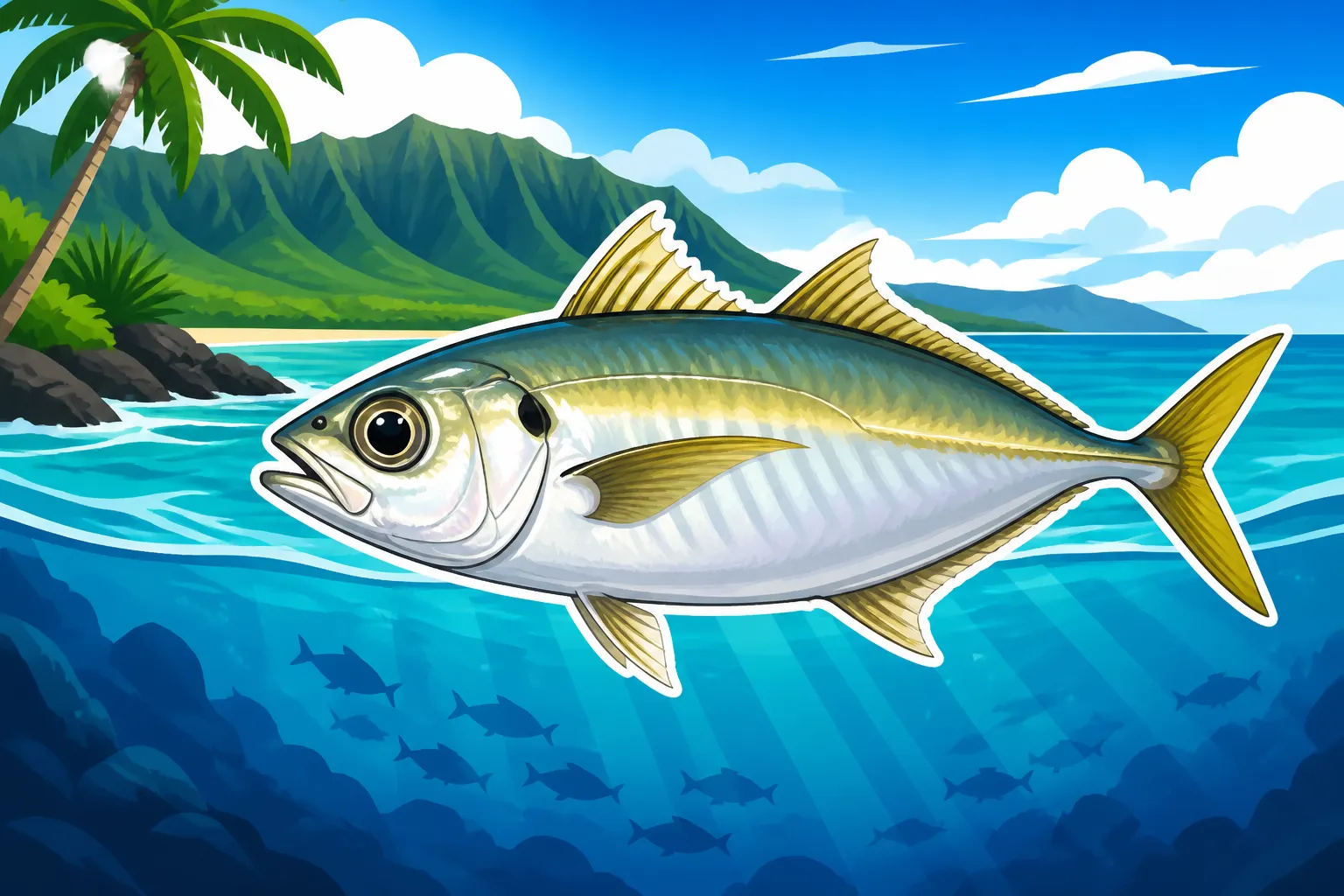
It's easy to confuse ōpelu with other small, silvery baitfish that frequent Hawaiian waters, especially when they're darting around in a frenzy. However, a keen eye can spot some key differences. Ōpelu (Decapterus macarellus) are characterized by their sleek, cigar-shaped bodies, large eyes, and a small, detached finlet behind both their dorsal and anal fins, which is a common trait among scad. Their coloration is typically greenish-blue on the back, fading to silvery on the sides and belly. They also have a distinctive elongated peduncle (the narrow part of a fish's body to which the caudal fin is attached) with a small, keeled scute. Other common baitfish like akule (bigeye scad) are often deeper-bodied and have larger, more prominent eyes, though they share the detached finlets. Opelu tend to be a bit more slender than `akule, and their mouth is often more pointed. Learning these subtle distinctions helps you understand what you're seeing in the water and what predators might be following them.
Identifying `Ōpelu: A Closer Look at the Mackerel Scad
So, you're out on the water, you see a flurry of activity, and you're wondering, "Is that `ōpelu?" Knowing how to properly identify them isn't just for curious minds; it's crucial for understanding their behavior, predicting where larger fish might be, and abiding by any local regulations. These fish are masters of their environment, and their physical traits and life stages reflect their fast-paced existence in the open ocean and nearshore waters.
Physical Characteristics and Key Features
`Ōpelu are built for speed and schooling. Their bodies are streamlined and torpedo-shaped, allowing them to cut through the water with minimal resistance. They typically grow to about 10-14 inches in length, though larger specimens can be found. As mentioned, the small, detached finlets behind the dorsal and anal fins are a dead giveaway, distinguishing them from many other fish. Look closely at their lateral line; it has a noticeable arch over the pectoral fin, and the posterior (rear) part of it is often covered in small, hard scutes (bony plates), which feel rough to the touch. Their large eyes are adapted for low-light conditions, which is helpful when they're feeding or being hunted. Their mouth is small and terminal (at the very front of the head), indicating their diet of small planktonic organisms. The tail fin is deeply forked, another sign of a fast-swimming pelagic species.
Life Cycle and Growth Patterns
Ōpelu have a relatively short but productive life cycle, typical for many baitfish species. They mature quickly and reproduce frequently, ensuring their populations remain robust despite intense predation pressure. Spawning generally occurs offshore, with females releasing numerous pelagic eggs that drift with the currents. The larvae hatch and grow rapidly, feeding on zooplankton. As they grow into juveniles, they begin to form schools, instinctively seeking safety in numbers. These young ōpelu will then move closer to shore or into bays, often forming dense aggregations that are a magnet for larger fish. Their growth is directly tied to food availability and water temperatures, but in general, they reach a size suitable for bait within a few months. This rapid turnover is essential for their ecological role, allowing them to provide a continuous food source for other species.
Common Misidentifications and How to Avoid Them
It's not uncommon for anglers to mix up ōpelu with akule, another type of scad that's very prevalent in Hawaiʻi. Both are excellent bait, but they do have distinct characteristics. Akule (Selar crumenophthalmus), also known as bigeye scad, typically have a much larger eye that truly stands out, giving them their name. Their body is also often deeper and more compressed laterally compared to the more cylindrical ōpelu. While both have finlets, the akule's body tends to be a bit more robust overall. Another fish that might be confused is the round scad, or *halalū* when young, which has an even more cylindrical body and a smaller head relative to its body. The key is to look for that sleek, slender profile and the distinct scutes on the posterior lateral line for ōpelu. If you're unsure, comparing a picture from a reliable fish identification guide, which you can easily find on sites like Amazon, can clear up any confusion on the spot.
`Ōpelu Habits and Where to Find Them in Hawaiian Waters
Understanding where and when to find `ōpelu is half the battle won, whether you're trying to catch them for bait or locate the predators that feed on them. These schooling fish have predictable patterns, but also respond dynamically to environmental cues. Like any fish, they're looking for food, safety, and comfortable conditions, and knowing these preferences can put you right in the thick of the action.
Preferred Habitats and Schooling Behavior
Ōpelu are primarily found in coastal pelagic waters, meaning they prefer the open ocean but often stay relatively close to the shorelines and around island structures. They thrive in areas where nutrient-rich upwellings occur, which bring a plentiful supply of the plankton and small invertebrates they feed on. You'll frequently find large schools of ōpelu congregating around offshore buoys, fish aggregating devices (FADs), and the edges of drop-offs where the shallow reef meets the deep blue. These structures provide both a sense of shelter and a concentration point for their food sources. Their schooling behavior is their primary defense mechanism, creating a dazzling, fluid mass that confuses predators. These schools can be absolutely massive, sometimes stretching for hundreds of yards, making them easily visible from above or with sonar.
Seasonal Movements and Feeding Habits
Ōpelu movements in Hawaiʻi aren't necessarily "migrations" in the traditional sense, but rather seasonal shifts in concentration based on water temperature, food availability, and spawning cycles. During warmer months, you might find them in more widespread areas, while cooler water can concentrate them into specific regions. They are active feeders, constantly sifting through the water for small crustaceans, larval fish, and zooplankton. You'll often see them feeding near the surface, especially at dawn and dusk, or when strong currents bring up food from deeper waters. Observing seabirds diving and crashing into the water is an almost certain sign that ōpelu (or `akule) schools are present and being actively hunted by larger fish from below. Keep an eye out for these "bird piles" — they're nature's fish finder! For more on seasonal fishing, check out Best Time of Year to Fish in Hawaii.
Reading the Water for `Ōpelu Signs
Learning to read the ocean is a skill that takes years, but spotting ōpelu signs can accelerate your success. The most obvious indicator, as mentioned, is bird activity: frigatebirds, terns, and boobies wheeling and diving often signal a bait ball being pushed to the surface by predators. Look for ripples or disturbances on the surface of calm water – a dark "patch" moving just below the surface can be a large ōpelu school. On days with a slight chop, you might see them "flicking" and flashing silver as they dart and turn. Using a good quality polarized pair of sunglasses (many excellent options are available on Amazon for fishing) can help immensely in cutting the glare and seeing into the water. If you're on a boat with a fish finder, `ōpelu schools will show up as dense, often elongated, blobs of color, sometimes with larger arcs of predator fish visible below or around them. Also, pay attention to local knowledge – old-timers often know exactly Where opelu schools gather during certain times of the year.
Traditional and Modern Methods for Catching `Ōpelu
Catching `ōpelu is an art form, steeped in tradition and continuously evolving with new techniques. Whether you're a purist who loves the communal aspect of net fishing or a modern angler looking for the most efficient way to fill your livewell, there's a method that will suit you. The techniques often depend on the location, the size of the school, and the resources available, but all require patience and an understanding of fish behavior.
The Art of `Ōpelu Netting (Hukilau and Scoop Nets)
Netting ōpelu is a practice that dates back centuries in Hawaiʻi. The most iconic form is the hukilau, a cooperative effort where a large net is deployed from shore or a small boat to encircle a visible school of fish. Participants then work together to slowly haul the net in, driving the fish towards the beach. This method is not only effective for catching large quantities of ōpelu but also serves as a vibrant cultural gathering. While large-scale hukilau are less common today, smaller-scale netting with scoop nets or throw nets is still very popular, especially when ōpelu schools are close to shore or in harbors. Anglers will often use chum to attract the ōpelu to within netting range before deploying a quick and accurate throw net. It's a skill that requires practice to master, but a well-placed throw can yield a bounty of fresh bait or dinner.
Jigging and Sabiki Rigs for `Ōpelu
For individual anglers and sport fishermen, jigging with sabiki rigs is by far the most common and efficient way to catch ōpelu. A sabiki rig is a multi-hook setup, typically with 4-6 small, shiny hooks adorned with feathers, fish skin, or synthetic materials designed to mimic small baitfish or plankton. The rig is usually weighted at the bottom with a small sinker. The technique involves dropping the sabiki rig into or near an ōpelu school and gently jigging it up and down. The ōpelu, attracted by the flash and movement, will strike at the small "baits." Often, you can catch multiple ōpelu on a single retrieve, sometimes even filling the entire rig. This method is incredibly effective, especially when you find a dense school. You can buy pre-tied sabiki rigs in various sizes at almost any tackle shop, or even online through retailers like Amazon, making it accessible to everyone. Don't forget a small cooler with ice to keep your catch fresh!
Other Effective `Ōpelu Fishing Techniques
While netting and sabiki jigging are the go-to methods, other techniques can also be successful. Small, light spinning gear with tiny spoons or jigs can sometimes entice individual ōpelu, particularly if they are scattered or wary of larger schools. Another method, especially for those looking to collect ōpelu for live bait on a larger scale, is to use a cast net from a boat, often in conjunction with lights at night to concentrate the fish. Some experienced anglers will even use a small, clear plastic "chum bag" filled with pulverized bait to bring the `ōpelu right to the boat, making them easier to scoop or jig. Remember to check local regulations before employing any new method to ensure you're compliant with Hawaii Fishing Regulations Explained and bag limits.
| Method | Pros | Cons | Ideal Scenario |
|---|---|---|---|
| Sabiki Rig | Efficient, easy for individuals, portable | Can tangle, hooks are small, limited quantity | Active schools, boat or pier fishing, quick bait needs |
| Throw Net | Can catch many fish at once, traditional | Requires skill, needs fish close to shore/surface | Visible schools near shore, calm water, communal fishing |
| Chumming | Concentrates fish, makes other methods easier | Can attract unwanted predators, messy, costly | Preparing for sabiki or throw netting, bringing fish to boat |
| Lights (Night) | Attracts fish after dark, effective for large hauls | Requires specific equipment, can attract sharks | Filling livewells for offshore trips, calm nights |
Using `Ōpelu as Bait: The Ultimate Secret Weapon
If you ask any seasoned Hawaiian angler what their secret weapon is for catching big game fish, you'll hear "fresh ōpelu" almost universally. There's just something about this particular baitfish that drives predatory species wild. It's not merely their size or abundance; it's a combination of their natural oils, flash, and frantic swimming action when alive that makes them irresistible. Using ōpelu effectively means understanding how to keep them healthy, how to rig them properly, and what big fish are looking for.
Why `Ōpelu Makes Superior Live Bait
The effectiveness of ōpelu as live bait is legendary. First, they are naturally oily, releasing a scent trail in the water that actively draws in predators from a distance. Second, their silvery flash as they dart and struggle in the water perfectly mimics a distressed baitfish, triggering a predatory response. Third, and perhaps most importantly, ōpelu are a natural food source for almost every pelagic game fish in Hawaiian waters, as well as many larger inshore species. When a big ahi or marlin sees a live ōpelu, it's like serving them their favorite meal on a silver platter – they can't resist. This makes them far more effective than artificial lures or even other types of bait that aren't part of the predator's regular diet. If you're serious about catching bigger fish, securing a supply of live ōpelu is often the first step. For those targeting ahi, in particular, understanding Best Bait for Ahi Fishing confirms `ōpelu's top spot.
Preparing and Rigging `Ōpelu for Target Species
Keeping ōpelu alive and healthy is paramount. They need a well-aerated livewell with a good flow of fresh seawater. Overcrowding will quickly lead to stress and death. Once you have healthy ōpelu, rigging them correctly depends on your target species and fishing technique.
- For Trolling (Marlin,
Ahi,Ono, Mahimahi): Liveōpelu are often rigged through the nose or eye socket with a single hook, allowing them to swim naturally behind the boat. A rubber band or wax thread might be used to secure the hook to prevent it from tearing out. Sometimes a small lead weight is added to keep the bait at a desired depth. The natural action of theōpelu is what you're trying to achieve, making it look like a straggler from a school. This is a common strategy for Trolling Techniques for Hawaii Pelagics. - **For Drifting/Chumming (
Ahi, Bottomfish):** Hooking theōpelu through the back, just behind the dorsal fin, allows it to swim freely and naturally within a chum slick. This method is particularly effective when Best Techniques for Chumming for Ahi are employed, as the live bait blends in with the dispensed chum. - For Ulua (Giant Trevally) and Large Jacks: A sturdy single hook passed through the eye socket or nose, fished on the bottom or suspended under a float, is often the choice. The `ōpelu's frantic struggles are a huge draw for these powerful inshore predators.
Always use appropriate hook sizes and leader material to match both the bait size and the expected fight from your target fish.
Using Dead or Cut `Ōpelu as Bait
Even when `ōpelu aren't alive, they still make fantastic bait. Their natural oils and strong scent continue to be attractive to a wide variety of fish.
- Cut Bait for Bottomfish: Sliced
ōpelu fillets or chunks are excellent for various bottom-dwelling species likeopakapaka (pink snapper),onaga (ruby snapper),au (snapper), anduhu (parrotfish). The scent trail from the cut bait helps these fish locate it in deeper waters. Rigging cut bait on a multi-hook "drop shot" or paternoster rig is common for deep-sea bottomfishing. Learning about Opakapaka (Pink Snapper) Habits often involves using this type of bait. - **Chunking for
Ahi:** Diced or chunkedōpelu can be used as part of a chumming operation to attractahi to the boat. As chunks are thrown into the water, they drift down, creating a scent trail that brings the tuna closer, often to where a live or rigged deadōpelu is waiting. - Shore Fishing: For shore anglers targeting
ulua, papio, or even sharks, a whole deadōpelu or large sections can be rigged on a heavy-duty sliding bait rig. Cast far out, the scent of the `ōpelu will attract these powerful fish lurking in the deeper channels and trenches near shore.
When using dead or cut `ōōpelu, keeping it fresh is key. Store it on ice or in a cooler until you're ready to use it, just like you would any other premium bait.
Sustainable `Ōpelu Harvesting and Conservation Efforts
The abundant schools of `ōpelu might seem endless, but like any natural resource, they are vulnerable to overharvesting and environmental changes. Responsible fishing practices and an understanding of regulations are crucial to ensuring these vital fish continue to thrive for future generations of Hawaiʻi's fishermen and marine life. We all have a part to play in being good stewards of the ocean.
Important Regulations and Best Practices
The State of Hawaiʻi, through the Department of Land and Natural Resources (DLNR) Division of Aquatic Resources (DAR), implements various regulations to manage ōpelu populations. While specific bag and size limits can vary and are often species-dependent, for common baitfish like ōpelu, the focus is often on gear restrictions and methods of take. For instance, specific net sizes might be regulated to prevent the capture of undersized fish or bycatch of other species. There might also be restrictions on `ōpelu fishing in certain areas, such as Hawaii Marine Life Conservation Districts, Explained, where all fishing is prohibited or heavily restricted to protect marine ecosystems. Always consult the latest DLNR regulations before heading out. Beyond regulations, best practices include:
- Take only what you need: Avoid overfilling your livewell if you don't intend to use all the bait.
- Release healthy bycatch: If you accidentally catch other species, release them unharmed as quickly as possible.
- Minimize waste: If you have leftover `ōpelu, consider freezing them for future bait or sharing them with friends and family.
- Respect traditional fishing grounds: Be mindful of areas historically used by local communities and practice aloha `āina (love for the land/ocean).
Understanding and adhering to Hawaii Fishing Regulations Explained is not just about avoiding penalties; it's about contributing to the long-term health of our fisheries.
Preserving `Ōpelu Populations for Future Generations
Maintaining healthy ōpelu populations isn't just about fish; it's about the entire marine ecosystem and the cultural heritage of Hawaiʻi. Overfishing ōpelu would have cascading effects, impacting the predatory fish that rely on them for sustenance. This could lead to declines in species like ahi, marlin, and ulua, which are not only important for sport fishing and commercial industries but also for subsistence fishing. Conservation efforts often involve scientific monitoring of ōpelu stocks, research into their reproductive cycles and migration patterns, and adaptive management based on this data. Supporting organizations that advocate for marine conservation and responsible fishing is another way to contribute. Education is also key: teaching younger generations about the importance of ōpelu and sustainable practices helps instill a sense of kuleana (responsibility) towards the ocean.
Supporting Local and Sustainable Fishing
Choosing to support local fishermen who practice sustainable methods, whether it's for `ōpelu or larger species, is a powerful way to promote healthy fisheries. When you buy locally caught fish, you're not only getting the freshest product but also supporting livelihoods that often have a deep, generational connection to the ocean and a vested interest in its preservation. Look for signs of responsible fishing when purchasing bait or eating out. Furthermore, becoming informed about specific species, their life cycles, and current stock statuses can help you make better decisions as an angler. Every fish taken from the ocean has an impact, and by being mindful, we ensure that the vibrant traditions and incredible bounty of Hawaiian fishing endure for generations to come.
Disclaimer
This article is for general informational purposes only and does not constitute professional advice. Laws, prices and regulations vary by location and change over time. Consult a qualified professional for guidance on your specific situation.