Hawaii Fishing Season Dates and Closures
One of the biggest headaches when planning a fishing trip to Hawaii, whether you're a local or just visiting, is trying to figure out if your target species is even in season, or if the spot you’re dreaming of casting a line in is currently closed. It's frustrating to invest time and money only to discover you're out of luck due to a closure or a less-than-ideal season. This comprehensive guide is here to untangle the complexities of Hawaii's fishing season dates and closures, giving you the insider knowledge you need to plan a successful and regulation-compliant angling adventure.
The Foundation of Hawaii's Fishing Seasons and Closures
Understanding why certain fishing seasons and closures exist is the first step to truly appreciating Hawaii's unique approach to fisheries management. It's not just about rules; it's about protecting the islands' precious marine and freshwater resources for generations to come.
Why Seasons and Closures Exist
Hawaii's vibrant aquatic ecosystems are incredibly delicate, facing pressures from both natural changes and human activities. Fishing seasons and closures are carefully implemented management tools designed to ensure the long-term health and sustainability of various fish populations. Imagine a species like the moi, which gathers in specific areas to spawn during certain times of the year. If fishing pressure isn't reduced during this critical period, it could severely impact their reproductive success and, consequently, the entire population for years to come. These regulations are a proactive measure, aiming to prevent overfishing, allow fish to reproduce without disturbance, and give depleted stocks a chance to recover. It's a balance between providing opportunities for anglers and safeguarding the future of the fishery, ensuring that the magic of fishing in Hawaii endures.
Beyond just spawning, closures can also protect juvenile fish, allow sensitive habitats to recover, or manage specific areas that are critical nurseries. For instance, certain areas might be temporarily closed to allow a coral reef to heal after a natural disaster, or to protect the young fish that congregate there. These decisions aren't made lightly; they're based on scientific research, catch data, and a deep understanding of the life cycles of various species. It’s about more than just catching fish; it’s about nurturing an entire ecosystem. When you see a closed season notice, it's not meant to hinder your fun, but rather to ensure there's still plenty of fish for everyone in the future.
The Role of DLNR and DAR in Management
In Hawaii, the primary responsibility for managing the state's diverse aquatic resources falls to the Department of Land and Natural Resources (DLNR), specifically its Division of Aquatic Resources (DAR). These aren't just bureaucratic entities; they are the stewards of Hawaii's waters, constantly monitoring fish populations, assessing environmental conditions, and crafting the regulations that govern all fishing activities. They conduct extensive research, collect data on catch rates, fish sizes, and population trends, and consult with local communities, scientists, and fishing experts to make informed decisions. It’s a complex and ongoing process, driven by the commitment to balance cultural practices, recreational opportunities, and commercial interests with the paramount goal of conservation.
The DLNR and DAR are essentially the guardians of Hawaii's aquatic heritage. They determine when a species needs a reprieve, where fishing might be causing undue stress, and how to adapt regulations to changing conditions. They publish the official Hawaii Fishing Regulations Explained which is essential reading for anyone serious about fishing here. This includes everything from setting bag and size limits to establishing closed seasons for particular species or even entire marine areas. Their work ensures that the unique biodiversity of Hawaii’s waters, from the smallest reef fish to the largest pelagic species, is protected. If you ever have a question about a specific rule or closure, their website and offices are the authoritative source. Understanding their role helps you appreciate the rigorous science and community input that goes into every single fishing regulation in the state.
Pelagic Species: Seasonal Highlights and Regulations
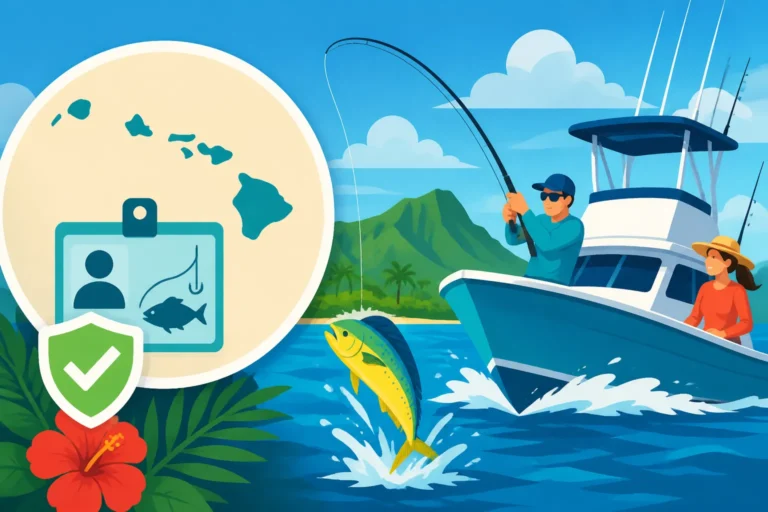
When people dream of fishing in Hawaii, often they picture the thrilling pursuit of pelagic species – the mighty fish that roam the open ocean. These include marlin, ahi (yellowfin tuna), ono (wahoo), and mahimahi (dolphin fish). Their availability is highly seasonal, driven by migration patterns, water temperatures, and baitfish movements.
Marlin and Spearfish Peaks
The Kona Coast of the Big Island is world-renowned for its incredible marlin fishing, earning it the nickname "Billfish Capital of the World." While marlin can be caught year-round, there are definite peak seasons. For Blue Marlin, the undisputed king of the Hawaiian waters, the prime season generally runs from May through September. During these warmer months, larger numbers of blue marlin migrate through the Kona waters, attracted by the abundant baitfish schools. This is when the chances of landing a "grander" (a marlin weighing over 1,000 pounds) are highest, making it the dream season for serious big-game anglers. You’ll find captains diligently employing techniques like those discussed in How to Catch Marlin off the Kona Coast.
Striped Marlin have their own peak, often arriving earlier in the year, typically from January through April. They are smaller and often put up a spectacular fight, frequently jumping and tail-walking across the water. Many anglers enjoy targeting them on lighter tackle. Shortbill Spearfish also share a similar seasonal pattern to striped marlin, with their peak usually occurring from February to May. They are a highly prized catch for their delicious meat and challenging fight. These peak times aren't just about fish numbers; they're about the optimal conditions where these magnificent predators are actively feeding and more accessible to anglers. Planning your trip around these windows significantly increases your chances of a memorable billfish encounter.
Ahi, Ono, and Mahimahi Movements
Beyond the billfish, Hawaii's pelagic waters teem with other sought-after species, each with its own seasonal rhythm. Ahi, or yellowfin tuna, are a year-round staple, but their numbers and sizes can fluctuate. The "big fish" season for ahi typically peaks from May through September, coinciding with the warmer waters and ample bait schools that also attract marlin. This is when the commercial fleet and sport fishermen alike are keen to chase those powerful, torpedo-shaped tuna, sometimes found near the FADs (Fish Aggregating Devices) offshore. You can learn more about Ahi (Yellowfin Tuna) Fishing in Hawaii to refine your tactics. Smaller "schoolie" ahi can be found throughout the year, offering consistent action for those looking to stock their freezer.
Ono, also known as wahoo, which means "delicious" in Hawaiian, are recognized for their incredible speed and razor-sharp teeth. Their peak season generally occurs during the warmer months, from May to October. They are often caught while trolling for marlin or ahi, and their explosive strikes are legendary. Understanding Ono (Wahoo) Fishing in Hawaii will help you target these speedy predators. Mahimahi, with their vibrant colors and acrobatic fights, are another highly seasonal pelagic. Their best season in Hawaii typically runs from March through September, though they can be present in varying numbers throughout the year. They often congregate around floating debris, FADs, or current lines, making them a popular target for many anglers. Knowing more about Mahimahi Fishing in Hawaii can certainly help you land a few of these beauties. The presence of these highly migratory fish is heavily influenced by ocean currents, water temperature, and the abundance of their prey, making timing your trip a crucial factor for success.
Reef and Bottomfish: Understanding Nearshore Closures
While the allure of offshore pelagics is strong, Hawaii's nearshore waters offer incredible opportunities for reef and bottom fishing. However, these areas are often subject to more specific and sometimes stricter regulations due to the vulnerability of the species and habitats.
Moi Closed Season Specifics
The moi, or Pacific threadfin, holds a special place in Hawaiian culture and cuisine, historically reserved for royalty. Because of its cultural significance and susceptibility to overfishing, the moi is one of the few marine species in Hawaii with a strict statewide closed season. This closure is critical for allowing the species to reproduce and replenish its numbers. The moi closed season runs annually from June 1st to August 31st, inclusive. During this period, it is absolutely prohibited to possess, sell, or even harvest moi, regardless of how or where it was caught. This means if you accidentally catch one, it must be immediately and safely released.
This particular closure is one of the most important to be aware of, especially if you're planning a shore fishing trip or exploring the reefs. Violating this rule can lead to significant penalties, emphasizing the importance of respecting these conservation efforts. The Hawaii Moi Closed Season, Explained article provides even more depth on why this specific timing is crucial for their survival and how it helps maintain a healthy population for future generations. Keep this in mind when you're looking for bait or lures on Amazon – make sure you have appropriate gear for legal species! It’s a small inconvenience for anglers, but a huge benefit for the moi population, ensuring their presence in Hawaii’s waters for years to come.
Uhu and Opihi Regulations
Beyond the moi, other nearshore species like uhu (parrotfish) and opihi (limpets) also have specific regulations, including size limits, bag limits, and sometimes even gear restrictions, though not always full closed seasons in the traditional sense like moi. For uhu, which are vital for reef health due to their role in grazing algae, there are specific size and bag limits depending on the species of parrotfish. For example, the colorful uhu 'ahu'ula (redlip parrotfish) sometimes has stricter rules. It's not uncommon for different species of uhu to have varying regulations, so knowing your target is key. The Hawaii Uhu (Parrotfish) Size and Bag Limits article details these nuances, stressing the need for careful identification.
Opihi are a highly prized delicacy in Hawaii, harvested from rocky shorelines. Their popularity has led to concerns about overharvesting, prompting strict regulations on harvest limits and size. For instance, there are usually limits on how many opihi you can collect per person per day, and minimum and maximum shell sizes to ensure juveniles are left to grow and large breeding individuals remain in the population. The Hawaii Opihi Harvest Limits and Size Rules provides an in-depth look at these guidelines. Unlike moi, these species don't typically have a blanket closed season across the board, but their specific harvest rules act as a constant management tool. Always check the current regulations before heading out to harvest either of these species, as rules can change to adapt to population statuses.
Nearshore Management Areas
Beyond species-specific rules, Hawaii has designated various nearshore management areas that come with their own set of fishing restrictions and, in some cases, outright closures. These areas are established to protect critical habitats, promote biodiversity, and serve as scientific reference sites.
Marine Life Conservation Districts (MLCDs) are the most restrictive. In these areas, typically fishing, collecting, and often even disturbing marine life is strictly prohibited or severely limited. Famous MLCDs like Hanauma Bay on Oahu are completely closed to fishing, allowing marine life to thrive undisturbed. Other MLCDs might allow limited shoreline fishing but prohibit spearfishing or net fishing. Understanding What a Marine Life Conservation District means for anglers is crucial, as entering these zones unprepared can lead to severe fines. They are essentially underwater parks, designed to preserve the pristine beauty and biological diversity of Hawaii's marine ecosystems.
Fish Replenishment Areas (FRAs), particularly in West Hawaii, are another type of managed zone. These areas are designed to help replenish fish stocks, especially those targeted by the aquarium trade, but they also have implications for recreational anglers. While some fishing might be allowed, certain gear types or species might be restricted or prohibited. These areas aim to ensure that there are healthy breeding populations of fish that can then "spill over" into adjacent, open fishing areas. For example, the Hawaii Fish Replenishment Areas in West Hawaii outlines specific boundaries and rules that anglers must abide by. Before heading out to a new spot, always consult the DLNR's maps and regulations to confirm the status of any nearshore area. It can be surprising how quickly you can move from an open fishing zone to a highly restricted one, sometimes just by walking a few yards down the beach.
Freshwater Fishing: Specific Seasons and Opportunities
While Hawaii is primarily known for its ocean fishing, the islands also offer unique freshwater fishing opportunities, particularly for introduced species like rainbow trout and various bass species. These fisheries, though smaller in scale, have their own distinct seasons and rules.
Kokee Trout Season Details
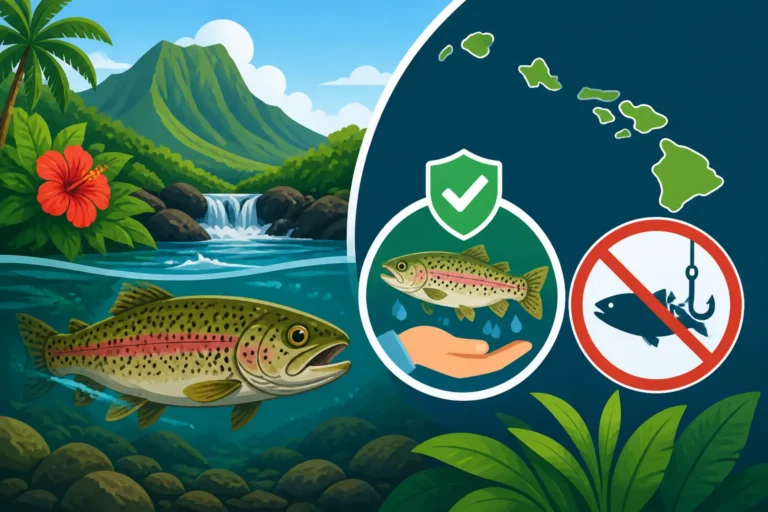
Believe it or not, Hawaii has a trout fishery, nestled high in the mountains of Kauai! The Kokee Public Fishing Area in Kokee State Park is home to rainbow trout, which are stocked annually by the DLNR-DAR. This is a unique opportunity for freshwater anglers, but it comes with a very strict and limited season. The Kokee trout season typically opens in early August and runs for only a few weeks, sometimes extending into early September, or until the harvest quota is met, whichever comes first. The exact opening date and duration are announced annually by the DLNR-DAR, so it's critical to check their official pronouncements each year.
Fishing here requires a special freshwater fishing license, and anglers must adhere to specific gear restrictions (e.g., artificial lures only) and bag limits. The Hawaii Kokee Trout Fishing Season Dates is an absolute must-read for anyone planning this adventure. The short season is designed to manage the population and provide a sustainable recreational fishery in a somewhat fragile mountain environment. It's a special experience, often requiring a bit of a hike, and the cool, crisp mountain air is a stark contrast to the tropical beaches. If you're looking for a unique fishing challenge in Hawaii, don't miss the chance to fish for trout in Kokee, but make sure your timing and permits are in order!
Wahiawa Reservoir and Other Freshwater Opportunities
Beyond the famous Kokee trout season, Hawaii offers other freshwater fishing spots, primarily in reservoirs that are home to introduced species like largemouth bass, peacock bass, tilapia, and channel catfish. These fisheries generally do not have the same strict, limited seasons as the Kokee trout fishery. For instance, the Wahiawa Public Fishing Area on Oahu, which encompasses the Wahiawa Reservoir, is open for fishing year-round. This makes it a fantastic option for anglers seeking consistent freshwater action whenever the mood strikes.
While there isn't a "closed season" for these warm-water species, there are still important regulations to follow. These include bag and size limits for specific species, as well as gear restrictions. For example, the Hawaii Wahiawa Reservoir Fishing Rules detail specific guidelines for lures, bait, and general conduct within the fishing area. Other reservoirs, like Nuuanu Reservoir on Oahu, may have specific access rules or temporary closures for maintenance, so it’s always best to check with the DLNR-DAR before visiting. These freshwater spots offer a different kind of fishing experience than the ocean, often in lush, verdant settings, and provide a great alternative for anglers who prefer calm, inland waters. Always double-check current regulations before heading out, as they can occasionally be updated.
Understanding Closed Seasons and Their Importance
Navigating the various closed seasons in Hawaii isn't just about avoiding a fine; it's about understanding the deep ecological principles that underpin these regulations. These closures are not arbitrary rules, but carefully considered strategies for conservation.
Conservation and Sustainability Goals
The primary goal behind any closed season or area restriction in Hawaii is the long-term conservation and sustainability of its aquatic resources. Think about it from a biological perspective: many fish species gather in predictable ways to spawn, making them particularly vulnerable to fishing pressure during these critical reproductive periods. A closed season during spawning allows these fish to successfully lay and fertilize eggs without disturbance, ensuring the next generation of fish. This is particularly vital for species like the moi, where the Hawaii Moi Closed Season, Explained directly addresses this vulnerability. Without these closures, repeated fishing during spawning times could decimate populations, leading to fewer fish for everyone in the future.
Beyond reproduction, closures also serve to protect juvenile fish or give overfished stocks a chance to recover. For example, restricting fishing in certain shallow reef areas might allow young fish to grow to maturity before they are subjected to fishing pressure. It’s a classic example of "fishing smarter, not harder" – by giving nature a helping hand, we ensure there’s a thriving ecosystem for both fish and anglers. These measures are critical for maintaining the health and resilience of Hawaii’s unique marine biodiversity, which in turn supports a robust fishing culture and economy. It’s a long-term investment in the future of fishing.
Penalties for Violations
Ignoring Hawaii's fishing regulations, especially closed seasons or area closures, is not just frowned upon; it carries serious legal consequences. The DLNR and its enforcement arm, the Division of Conservation and Resources Enforcement (DOCARE), actively patrol land and sea to ensure compliance. The penalties for violations can range from significant monetary fines to forfeiture of gear, and in some cases, even imprisonment, particularly for repeat offenders or egregious violations. For example, fishing for moi during its closed season or within a Marine Life Conservation District can result in hefty fines that far outweigh the value of any fish caught.
The exact penalty depends on the specific violation, the species involved, and the discretion of the courts. It’s not uncommon for fines to be in the hundreds or even thousands of dollars. Beyond the financial implications, a violation can also lead to a tarnished reputation and the loss of your fishing privileges. It's a stark reminder that while fishing in Hawaii offers incredible freedom and beauty, it also comes with a responsibility to uphold the law and contribute to conservation efforts. The article on Fishing Without a Required License in Hawaii: Penalties can give you a clear picture of what could happen if you fail to comply with regulations, and this extends to season and area closures as well. Always err on the side of caution and ensure you're fully aware of the rules before casting a line.
Navigating Regulations: Resources and Best Practices
Given the dynamic nature and complexity of Hawaii's fishing regulations, knowing where to find accurate, up-to-date information and how to interpret it is absolutely essential for any angler.
How to Access Up-to-Date Information
The most reliable and current source for Hawaii fishing season dates and closures is the official website of the Hawaii Department of Land and Natural Resources (DLNR), specifically the Division of Aquatic Resources (DAR) section. Their website is regularly updated with news releases, regulation changes, and announcements for specific seasons like the Kokee trout fishery. You can often find downloadable PDFs of the latest Hawaii Fishing Regulations Explained which serve as the definitive guide. It's wise to bookmark this page on your browser or, better yet, download the relevant regulations to your phone or tablet before heading out, especially if you'll be in an area with spotty cell service.
Additionally, local bait and tackle shops can be invaluable resources. The people who work there are often seasoned local anglers themselves and are usually very knowledgeable about current conditions, recent changes in regulations, and specific local nuances that might not be immediately obvious in official documents. They might also be able to point you to specific advisory signs posted at popular fishing spots. Never rely solely on hearsay or outdated information from forums; always verify with an official source. Even a quick search on Amazon for "Hawaii fishing regulations book" might yield a physical copy, but cross-reference it with the online DLNR-DAR site for the absolute latest updates, as regulations can sometimes change between print cycles.
Interpreting Complex Regulations
Reading government regulations can sometimes feel like trying to decipher an ancient code. They're often written in legalistic language that isn't always angler-friendly. However, a few best practices can help you interpret them effectively. First, look for keywords like "closed season," "prohibited," "bag limit," "size limit," "gear restriction," and "Marine Life Conservation District." Pay close attention to dates and geographical boundaries, which are often described using specific landmarks or GPS coordinates. For example, when reading about the Hawaii Opihi Harvest Limits and Size Rules, you'll notice not just a daily limit but also a specific size range, meaning some opihi are too small to take, and others are too large.
When in doubt, it’s always better to assume a stricter interpretation or, even better, contact the DLNR-DAR directly for clarification. Many experienced anglers keep a copy of the regulations, either printed or on their phone, to reference on the water. Hypothetically, if you're fishing near an area you suspect might be an MLCD, like portions of Kealakekua Bay, pull out your map or regulations. If the language is unclear about whether a specific bay is open to a certain type of fishing, make a phone call. This proactive approach not only keeps you compliant but also deepens your understanding of Hawaii’s conservation efforts. Remember, ignorance of the law is generally not considered an excuse, so investing a little time in understanding the rules will save you a lot of potential headaches later.
Planning Your Trip Around Hawaii's Fishing Calendar
Successfully planning a fishing trip to Hawaii isn't just about booking a flight and a charter; it's about aligning your desires with the rhythms of the ocean. Knowing the general calendar for various species can dramatically improve your chances of a memorable catch.
Best Times for Specific Species
While some fish are present year-round in Hawaiian waters, many have distinct peak seasons where they are more abundant, larger, or more accessible. If you're dreaming of a Blue Marlin fight off Kona, aiming for May through September is your best bet. For Striped Marlin and Spearfish, the earlier part of the year, January to April, often yields better results. Ahi (Yellowfin Tuna) are a good target most of the year, but the "big fish" tend to show up from May to September. Ono (Wahoo) are hot during the warmer months, typically May to October, while Mahimahi are usually abundant from March through September.
For nearshore species, remember the critical Moi closed season from June 1st to August 31st. If freshwater trout fishing in Kokee is on your bucket list, you must plan for the short window in August/early September. For other freshwater species like bass, the reservoirs are generally open year-round. This information, often summarized in guides like Best Time of Year to Fish in Hawaii, allows you to tailor your trip dates to maximize your chances for your desired species. Planning meticulously can be the difference between a good trip and an epic one, so consider what fish you truly want to target before locking in your dates.
Seasonal Considerations for Different Islands
While many pelagic species exhibit statewide seasonal patterns, localized conditions and species availability can vary significantly from island to island. The Big Island (Hawaii), particularly the Kona coast, is world-famous for its deep-sea fishing, with consistent action for marlin, ahi, and other pelagics due to its unique geography with deep water close to shore. Maui also offers excellent deep-sea fishing, especially off the Lahaina and Maalaea coasts, with good chances for mahimahi, ono, and smaller tuna species.
Oahu provides a mix of fishing opportunities, from the deep-sea grounds off Kewalo Basin and Honolulu to vibrant shore fishing for papio and ulua, and freshwater bass fishing in places like Wahiawa Reservoir. For unique freshwater trout, you'll need to head to Kauai's Kokee region. Each island has its own charm and fishing character. For instance, the currents and baitfish concentrations around Oahu's windward side might favor certain species at different times compared to the calmer leeward side of the Big Island. When thinking about where to go, also consider what kind of experience you want. A deep-sea charter from Honokohau Harbor on the Big Island offers a different vibe than a shore casting adventure on Kauai. Check out guides like Best Fishing Spots in Hawaii to help narrow down your island choice based on your fishing goals.
The Impact of Environmental Factors on Fishing Seasons
While human-imposed regulations dictate official seasons and closures, Mother Nature also plays a significant role in determining when and where fish are available. Understanding these environmental influences can give you an edge in planning.
Impact of Ocean Currents and Water Temperature
Ocean currents are like highways for many pelagic species, influencing their migration routes and the distribution of their food sources. The North Pacific Equatorial Current and the Hawaiian Deep Sea Circulation are just two examples of the complex current systems that impact Hawaii's waters. When these currents bring nutrient-rich water closer to shore, it can trigger baitfish aggregations, which in turn attract larger predatory species like marlin, ahi, and ono. Fluctuations in current strength and direction can therefore affect when and where these species appear.
Water temperature is another critical factor. Most fish species have preferred temperature ranges, and departures from these can cause them to move to deeper waters or entirely different areas. For instance, blue marlin prefer warmer waters, which is why their peak season coincides with the warmest months. A sudden drop in water temperature can push them offshore or make them less active. Conversely, some bottomfish species might be more active in slightly cooler, deeper waters. El Niño and La Niña events, which cause widespread changes in Pacific Ocean temperatures, can significantly alter these patterns year-to-year, sometimes shifting peak seasons or bringing unusual species into Hawaiian waters. Anglers who pay attention to these broader oceanographic patterns, often reported by marine weather services or even through local fishing reports, are often more successful. You can even find specific temperature gauges and fish finders on Amazon to help you read the water better.
Lunar Cycles and Tides Influence
While not directly dictating "closed seasons," lunar cycles and tidal fluctuations have a profound influence on fish behavior and, consequently, on the effectiveness of fishing during certain times of the year. The moon's gravitational pull drives the tides, creating stronger currents during new and full moon phases, which often translates to better fishing. The increased water movement stirs up bait, creates feeding opportunities, and can make fish more active. For many nearshore species, the bite can be significantly better around tide changes, particularly during incoming or outgoing tides when currents are strong.
For pelagic species, the moon phase can influence their feeding patterns. Some anecdotal evidence suggests that certain big game fish are more active around full moon phases, possibly due to increased nocturnal feeding opportunities for their prey. For example, local knowledge passed down through generations often attributes better ulua (giant trevally) fishing to specific moon phases and tide cycles, especially during night fishing sessions. While these aren't "closed seasons," ignoring these lunar and tidal influences could mean the difference between a slow day and a successful outing. Many experienced anglers meticulously consult tide charts and moon phase calendars when planning their trips, understanding that timing their efforts with these natural rhythms can dramatically enhance their chances.
Table: Overview of Key Hawaii Fishing Seasons and Closures
To help you get a quick overview, here's a table summarizing some of the most prominent species, their typical peak seasons, and any crucial closures or regulations. Please note that exact dates and rules can change, so always verify with current DLNR-DAR resources.
| Species | Typical Peak Season | Key Closures/Regulations | Best Fishing Activity |
|---|---|---|---|
| Blue Marlin | May – September | None (Statewide) | Trolling offshore |
| Striped Marlin | January – April | None (Statewide) | Trolling offshore |
| Ahi (Yellowfin Tuna) | May – September (larger fish); Year-round (schoolies) | None (Statewide) | Trolling, jigging, live baiting |
| Ono (Wahoo) | May – October | None (Statewide) | High-speed trolling |
| Mahimahi | March – September | None (Statewide) | Trolling, drifting around FADs |
| Moi (Pacific Threadfin) | Closed Season: June 1st – August 31st | Strict statewide closure during these dates. Also size and bag limits. | Shore fishing, net fishing (outside closure) |
| Uhu (Parrotfish) | Year-round | Species-specific size and bag limits (no statewide closure) | Spearfishing, reef fishing |
| Opihi (Limpets) | Year-round | Daily bag limits, minimum/maximum size limits | Shoreline gathering |
| Rainbow Trout | Limited Season: August – Early September | Specific annual season set by DLNR. Freshwater license required. | Freshwater stream/pond fishing |
| Largemouth/Peacock Bass | Year-round | Size and bag limits. Freshwater license required. | Freshwater reservoir fishing |
| MLCDs (Marine Life Conservation Districts) | Year-round | NO FISHING / COLLECTING ALLOWED (highly restricted, check specific MLCD) | N/A (Conservation only) |
Disclaimer
The information provided in this guide is for general informational purposes only and is subject to change. While we strive to provide accurate and up-to-date content, fishing regulations in Hawaii are dynamic and can be updated by the Hawaii Department of Land and Natural Resources (DLNR) at any time. It is the sole responsibility of every angler to consult the most current official Hawaii Fishing Regulations, available through the DLNR Division of Aquatic Resources (DAR) website, before engaging in any fishing activity. Failure to do so may result in fines or penalties.