Reading the Hawaii DLNR Fishing Regulations
Let's be real, diving into government regulations can feel like trying to untangle a hundred yards of monofilament line after a monster ulua has had its way with it. The Hawaii Department of Land and Natural Resources (DLNR) fishing regulations, while absolutely essential for the health of our precious marine and freshwater ecosystems, can be dense, confusing, and downright intimidating for even seasoned anglers. This guide is here to cut through the jargon and give you a clear, empathetic roadmap to understanding these critical rules, so you can fish responsibly and confidently in paradise.
Why Hawaii's Fishing Regulations Matter and Why They're So Tricky
Before we even start breaking down the specifics, it's crucial to understand why these regulations exist and why they sometimes feel like a puzzle. Hawaii's waters are unique, teeming with endemic species and vibrant coral reefs that are incredibly fragile. Balancing the desires of recreational anglers, commercial fishermen, and the need for conservation is a constant, complex challenge.
Protecting Fragile Ecosystems and Native Species
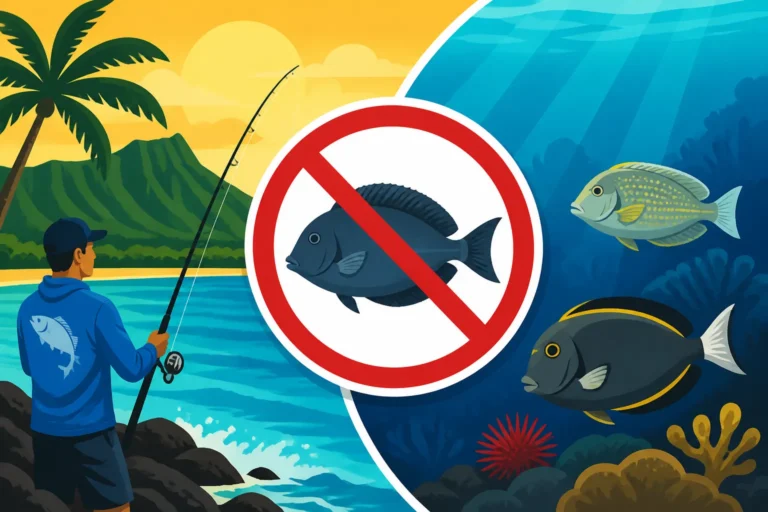
Hawaii isn't just a pretty place; it's a living laboratory of biodiversity. We have an incredible number of species that exist nowhere else on Earth. Fishing regulations are designed to prevent overfishing, protect critical habitats like coral reefs, and ensure that future generations can also enjoy the bounty of our oceans and streams. Think about it: without rules on things like the Hawaii uhu daily bag limit or Hawaii moi closed season dates, some of our most beloved and culturally significant fish could disappear. It’s not about stopping you from fishing; it’s about making sure there’s always something to catch.
The rules protect not just the fish themselves, but also the delicate balance of the entire ecosystem. For instance, certain gear restrictions aim to prevent damage to corals or accidental catches of non-target species. This intricate web of life, from the smallest limu (algae) to the largest marlin, depends on responsible stewardship. Anglers are often the first to notice changes in fish populations or reef health, making our adherence to these rules even more vital for long-term sustainability. It’s a shared kuleana (responsibility) we all carry.
Navigating the Jargon and Structure of DLNR Documents
The biggest hurdle for many isn't the spirit of the law, but the letter of it. DLNR documents, like any legal text, are written in a specific, often formal, language that isn't always intuitive. They often refer to specific Hawaiian terms for species, locations, or traditional practices, which can be baffling to newcomers or even kama'aina (locals) who haven't delved deep into the official statutes. Plus, the regulations aren't always presented as one neat, easy-to-read booklet. They're spread across different chapters of the Hawaii Administrative Rules (HAR) and sometimes supplemented by public notices and press releases.
This fragmented nature means you might find a general rule in one section, then a specific exception for a particular island or even a single bay in another. It requires a bit of detective work to piece it all together. Terms like "Marine Life Conservation District" (MLCD) or "Fish Replenishment Area" (FRA) aren't just names; they denote very specific sets of rules that drastically change what you can and cannot do. We'll delve into these later, but understanding this underlying complexity is the first step to mastering the regulations.
Where to Find the Official Hawaii DLNR Regulations
You can't follow the rules if you don't know where to find them! The DLNR Division of Aquatic Resources (DAR) is the primary source, and thankfully, they've made a lot of resources available, though sometimes you have to know where to look online or in person.
Online Resources: DAR Website and PDF Downloads
The most current and comprehensive resource will always be the official DLNR Division of Aquatic Resources (DAR) website. Here, you'll usually find dedicated sections for marine and freshwater fishing regulations. They often provide PDFs of the full Hawaii Administrative Rules (HAR) that pertain to fishing, which you can download and save to your phone or print out. A quick search for "Hawaii DLNR fishing regulations PDF" will often lead you directly to these documents.
It's highly recommended to download the latest versions, as regulations can change. Having a digital copy means you can quickly search for keywords like "opakapaka" or "spearfishing" while you're out on the water (if you have service, of course!). You might also find helpful summaries or frequently asked questions on the DAR site, which can simplify some of the more complex regulations. Just make sure you're always cross-referencing with the official HAR documents, as summaries can sometimes miss subtle but important details.
Local Outlets and Physical Copies
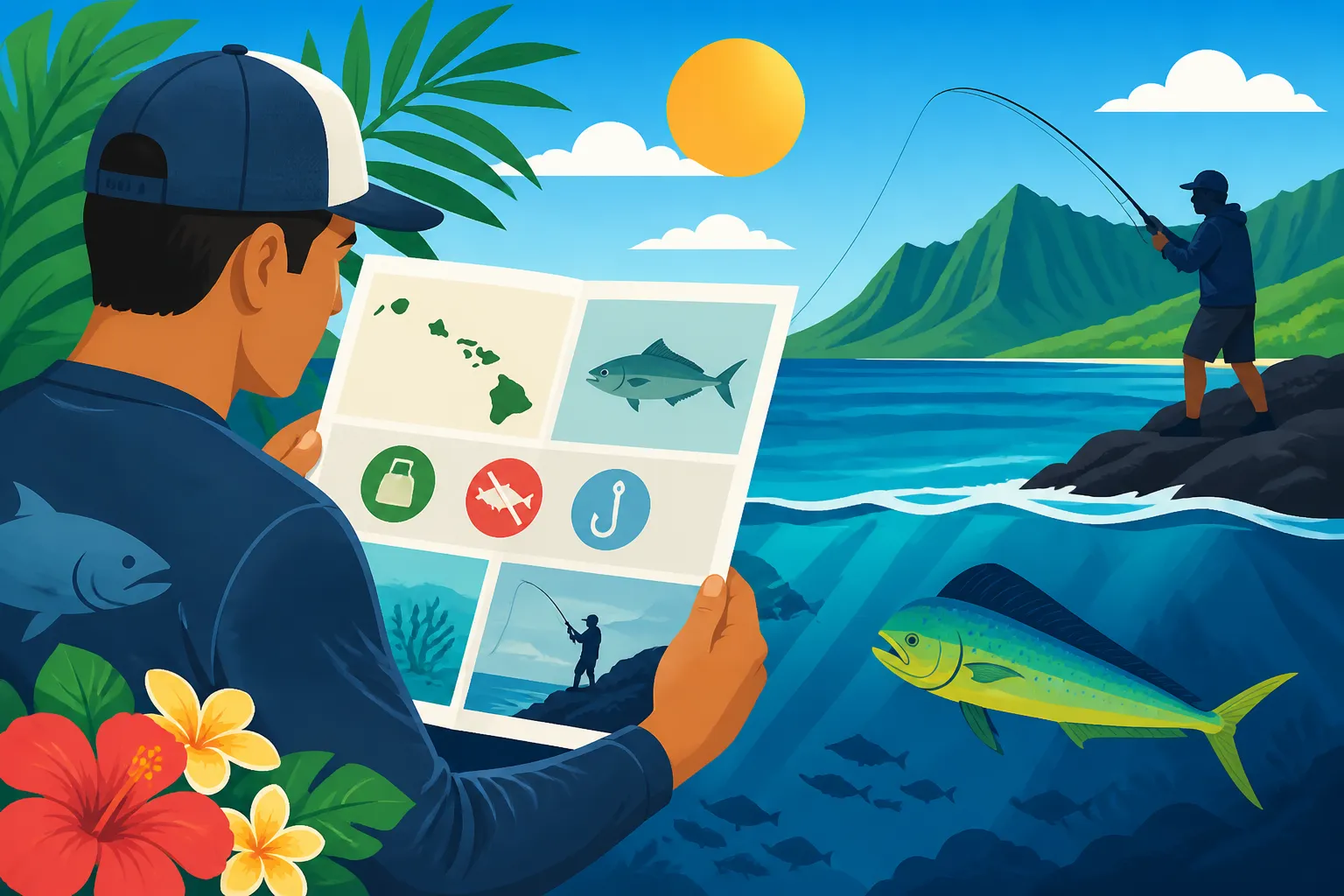
While online resources are fantastic, sometimes having a physical copy in hand, especially when internet access is spotty, is a lifesaver. Local fishing tackle shops across the islands, like those in Honolulu or Kailua-Kona, often carry printed booklets or brochures summarizing the key regulations. These are usually provided free of charge by the DLNR or local conservation groups. While these printouts are handy, remember that they might not always be the absolute latest version if rules have changed very recently, so always double-check against the official DAR website.
Some government offices, particularly DAR district offices, might also have physical copies available. It's not a bad idea to pick one up and keep it in your tackle box or truck, especially if you prefer flipping through pages over scrolling on a screen. For those who like to be super prepared, you can even find waterproof cases on Amazon to protect your printed regulations from saltwater spray or an unexpected downpour while you're out on the boat or shoreline.
Decoding the Key Sections: What to Look For First
Once you have the documents, the next step is to understand their structure. It's like reading a map – you need to know what the symbols and legends mean before you can find your destination. DLNR regulations typically break down into a few main categories that you'll want to familiarize yourself with.
Statewide General Rules: The Foundation
These are the baseline rules that apply almost everywhere in Hawaii, unless specifically superseded by a more restrictive local rule. This section covers fundamental aspects of fishing that are consistent across the islands. Think of it as the constitutional law of fishing in Hawaii. For example, it will outline general definitions, prohibited methods (like the use of explosives or certain types of nets that are not Hawaii Net Fishing Restricted Areas), and overall principles of responsible angling.
It's crucial to grasp these general rules first because everything else builds upon them. They often include provisions about littering, proper disposal of fishing gear, and general prohibitions against harming marine life beyond what is permitted for harvest. These rules are designed to protect the broader environment and ensure a safe, clean experience for everyone enjoying Hawaii's natural beauty. Ignoring these foundational rules can lead to significant penalties, even if you are otherwise compliant with species-specific limits.
Species-Specific Regulations: Size, Bag, and Seasonal Limits
This is often the section anglers jump to first, and for good reason. It details what you can and cannot harvest for individual species. This includes:
- Minimum and Maximum Size Limits: Many fish need to be a certain length to be legally kept, often measured from the tip of the snout to the fork of the tail. This protects juvenile fish, allowing them to mature and reproduce, and sometimes protects large breeding adults. For example, knowing the Hawaii papio and ulua size rules is essential before you even cast a line.
- Bag Limits: This specifies how many of a particular species you can keep per day or per trip. These limits prevent overharvesting and ensure that the resource is shared among many anglers.
- Seasonal Closures: Some species have specific times of the year when they cannot be harvested at all, often during spawning seasons. A prime example is the Hawaii Moi Closed Season, Explained, which protects this revered fish during its critical reproductive period.
When checking these rules, pay very close attention to how "length" is defined (e.g., fork length, total length) and if there are any special conditions for certain gear types or locations. A common mistake is assuming a size limit is universal when it might change in a specific bay or for a particular species variant.
Here's a simplified table illustrating common regulation types you might encounter for various species:
| Species | Minimum Size (Fork Length) | Daily Bag Limit | Seasonal Restrictions | Special Notes |
|---|---|---|---|---|
Uhu (Parrotfish) |
10 inches | 2 fish | No Ahu'ula (closed during spawning) | Certain species of Uhu may have different rules. |
| Moi | 11 inches | 10 fish | June 1 – August 31 (Closed) | Check for regional variations. |
| Papio/Ulua | 10 inches (Papio) | None (Papio) | None | Ulua (over 10 lbs) have different cultural significance. |
| Opihi | 1 inch (shell diameter) | 20 per person | None | Harvest method restrictions apply. |
| Ahi (Yellowfin Tuna) | None | None | None | Commercial limits differ from recreational. |
Note: This table is for illustrative purposes only and does not represent current, comprehensive, or official Hawaii DLNR regulations. Always consult the latest official DLNR documents.
Gear and Method Restrictions: What You Can and Can't Use
This section outlines the legal fishing methods and equipment. You might be surprised by what's restricted or even prohibited. It's not just about the size of the fish; it's about how you catch them.
- Spearfishing: Regulations might dictate whether you can use SCUBA gear (the Hawaii SCUBA Spearfishing Ban is a major one!), whether lights are allowed at night, or if certain species are off-limits to spearfishing. You'll want to check Hawaii Spearfishing Regulations carefully.
- Net Fishing: There are strict rules on the types of nets, mesh sizes, and locations where net fishing is permitted. Many areas are completely off-limits, and certain species cannot be taken with nets.
- Traps and Other Gear: The use of fish traps, lay nets, or even certain types of hooks might be regulated or banned in specific areas. Always check before deploying any gear that isn't a standard rod and reel setup.
These regulations are put in place to ensure fair chase, prevent unsustainable harvesting practices, and protect non-target species. For example, certain mesh sizes for nets are designed to allow smaller, juvenile fish to escape, contributing to a healthier fish population for the future. Understanding these limits is key to avoiding accidental violations.
Understanding Geographic Restrictions and Special Areas
Hawaii's landscape is incredibly diverse, and so are its fishing regulations. What's allowed in one bay might be strictly prohibited just a few miles down the coast. This is where many anglers, especially visitors, can get tripped up.
Marine Life Conservation Districts (MLCDs) and Fish Replenishment Areas (FRAs)
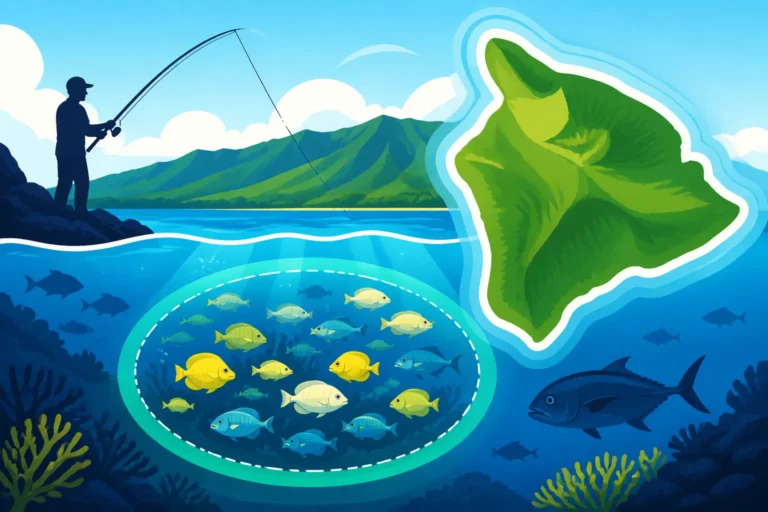
These are arguably the most important geographic distinctions to understand. Hawaii has designated specific areas as Hawaii Marine Life Conservation Districts, Explained to protect unique marine ecosystems. In an MLCD, fishing is often severely restricted or completely prohibited. Think of places like Hanauma Bay, where all fishing and even collection of marine life is banned. You cannot assume that because you can access the water, you can fish there. Always check if you are within an MLCD boundary.
Similarly, Hawaii Fish Replenishment Areas in West Hawaii and other regions are established to help certain fish populations recover and thrive. While they might not be as restrictive as MLCDs, they often have specific rules regarding species, gear, or bag limits that are different from the general statewide regulations. For instance, an FRA might have stricter limits on certain reef fish species or restrict the use of certain fishing methods to allow fish to spawn undisturbed. These areas are vital for the long-term health of our fisheries, acting as nurseries or safe havens.
Freshwater Exceptions and Specific Reservoirs
While Hawaii is famous for its ocean fishing, we also have unique freshwater fishing opportunities, particularly on Oahu and Kauai. However, freshwater fishing comes with its own distinct set of rules, which are entirely separate from marine regulations. For instance, the Hawaii Freshwater Fishing License and Rules are mandatory for anyone aged 18 or older wishing to fish in public freshwater areas.
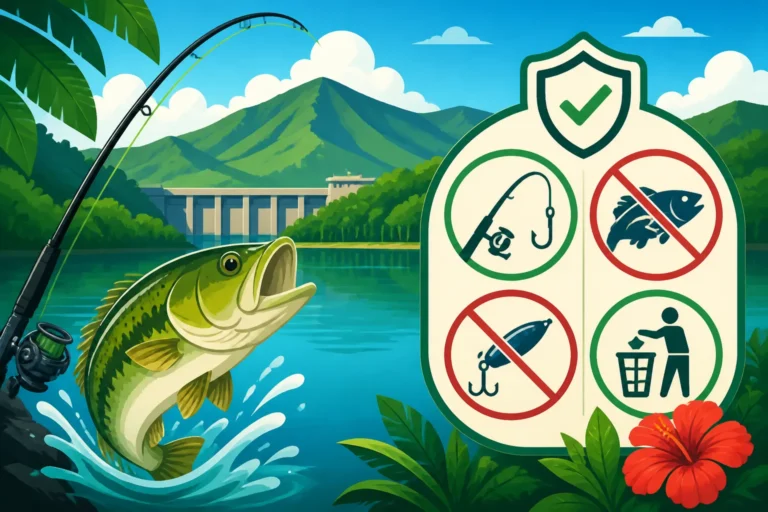
Reservoirs like Wahiawa or Nuuanu on Oahu have their own specific rules regarding species (like peacock bass, largemouth bass, and tilapia), bag limits, and even the types of bait and lures you can use. For example, Hawaii Wahiawa Reservoir Fishing Rules include restrictions on boat motor size and require a special access permit in addition to a license. It's not a "one size fits all" situation. Always research the specific body of water you plan to fish in, as these freshwater regulations can be surprisingly detailed and localized.
Licenses and Permits: Who Needs What and When
This is probably one of the most frequently asked questions, and for good reason: failing to have the proper license is an easy way to incur a hefty fine. The good news is that Hawaii's licensing system is relatively straightforward once you understand the basic distinctions.
Ocean vs. Freshwater: Different Licenses for Different Waters
This is the fundamental split. In Hawaii, saltwater (ocean) recreational fishing has historically been exempt from a statewide licensing requirement for residents. This is a common point of confusion for visitors coming from states where ocean licenses are standard. However, this is changing, and it's essential to check the latest Do You Need a Fishing License in Hawaii guidelines. As of late 2023, legislation has been passed to implement a new Hawaii Resident Ocean Fishing License Exemption, but it's crucial to confirm implementation dates and any associated rules. Non-residents, however, have different requirements, which can be found in details like the Hawaii Nonresident Marine Fishing License, Explained.
For freshwater fishing, the story is entirely different. If you're 18 years or older and want to fish in any public freshwater body, you absolutely need a freshwater fishing license. This includes popular spots like Wahiawa Reservoir and the Kokee Public Fishing Area on Kauai. These licenses are generally affordable and can be purchased online or through authorized vendors. Always remember that the rules for ocean and freshwater are distinct, so don't assume one covers the other.
Commercial vs. Recreational: Understanding the Distinction
The regulations make a clear distinction between fishing for personal recreation and fishing for commercial purposes. If you are catching fish with the intent to sell them, or if your fishing activities meet certain criteria (e.g., using specific gear types or fishing beyond certain thresholds), you will likely fall under commercial fishing regulations. These require a separate Hawaii Commercial vs Recreational Fishing License Rules and come with a much more stringent set of rules, reporting requirements, and permits.
For the vast majority of recreational anglers, this distinction isn't a concern. However, it's good to be aware of it, especially if you're ever considering taking out a charter or engaging in activities that might blur the lines. For instance, if you're on a charter, the captain and boat generally have the necessary commercial licenses, and you, as a recreational passenger, are typically covered by their operation for a catch-and-keep scenario. Always confirm this with your charter captain to avoid any misunderstandings.
Common Pitfalls and Misinterpretations for Anglers
Even with the best intentions, it's easy to make mistakes if you're not careful. Many common errors stem from relying on incomplete information or simply not staying up-to-date.
The "Local Knowledge" Trap vs. Official Rules
It's wonderful to learn from seasoned local fishermen (kama'aina) who have years of experience on the water. They know the currents, the fish behavior, and the best spots like the back of their hand. However, relying solely on "local knowledge" for regulations can be a dangerous trap. What was legal five, ten, or even twenty years ago might not be legal today. Rules change, sometimes subtly, sometimes dramatically, to address conservation needs or new scientific findings.
What one person thinks they know, or what they saw someone else do, might not align with the current official DLNR regulations. Always cross-reference any advice with the official documents. You are personally responsible for knowing and following the law, regardless of what your buddy told you. It’s better to take a few minutes to check the Hawaii Fishing Regulations Explained than to risk a fine or, worse, contribute to overfishing of a vulnerable species.
Changes and Updates: Staying Current with the Latest Regulations
Fishing regulations are not static; they evolve. New scientific data on fish populations, changes in environmental conditions, or new legislative mandates can all lead to amendments. This is why it's so important to periodically check the official DLNR DAR website. Don't assume that the regulations you downloaded last year are still perfectly valid today.
Major changes are usually announced through public notices, press releases, and updates on the DAR website. Subscribing to their newsletters or following their social media accounts can be a good way to stay informed. Imagine buying a fishing calendar on Amazon only to find out the closed season dates for your favorite fish have shifted since it was printed – it happens! While keeping up can feel like a chore, it's part of being a responsible angler and helps ensure you're always fishing within the current legal framework. The penalties for Fishing Without a Required License in Hawaii: Penalties or violating bag limits can be steep, often including significant fines and potential forfeiture of gear.
Practical Tips for Anglers: Making Sense of It All on the Water
Okay, so you've found the regulations, you've started to understand the different sections, and you know why it's so important to stay current. Now, how do you actually make this practical when you're out there trying to catch fish?
Creating a Personal Reference Guide
Trying to memorize every single regulation for every species and every location is nearly impossible. Instead, consider creating your own simplified, personalized reference guide. This could be a laminated card, a note on your phone, or a small journal where you list the key rules for the species you commonly target and the areas you frequently fish.
For example, if you often fish for moi and ulua in a specific area, your guide might list:
- Moi: 11" min, 10 fish bag limit, Closed June 1 – Aug 31.
- Ulua: 10" min (for papio, which are juvenile ulua), no bag limit, but respect cultural practices for larger fish.
- Area X: No spearfishing at night, MLCD boundaries are X to Y.
You can print out these personalized notes and store them in a waterproof pouch (many available on Amazon!) with your other fishing essentials. This way, a quick glance can confirm limits and restrictions without having to sift through a lengthy PDF or struggle with a patchy internet connection. Think of it as your cheat sheet for compliance.
When in Doubt: Contacting the Division of Aquatic Resources (DAR)
Sometimes, despite your best efforts, a specific regulation might still be unclear, or you might encounter a unique situation not explicitly covered in the documents. In these cases, the best course of action is always to err on the side of caution and reach out to the experts. The Hawaii DLNR Division of Aquatic Resources (DAR) staff are there to help clarify regulations and answer your questions.
You can usually find their contact information, including phone numbers and email addresses, on their official website. For instance, if you need to know the Hawaii Division of Aquatic Resources customer service phone number, a quick search will typically provide it. Don't be shy about asking questions! It's far better to clarify a rule beforehand than to accidentally violate it and face the consequences. They appreciate anglers who are genuinely trying to understand and follow the rules. If you can't reach them immediately, consider holding off on the activity in question until you get a definitive answer. Responsible angling is about protecting the resource, and sometimes that means pausing to ensure you're doing things right.
Disclaimer
Please note that fishing regulations in Hawaii are subject to change. While every effort has been made to provide accurate and up-to-date information in this guide, it is your responsibility to consult the most current official Hawaii Department of Land and Natural Resources (DLNR) Division of Aquatic Resources (DAR) regulations before engaging in any fishing activities. This article is intended for informational purposes only and does not constitute legal advice.