Hawaii Net Fishing Restricted Areas
It can feel incredibly frustrating trying to figure out exactly where you can and cannot cast a net in Hawaii. The rules aren't always crystal clear, and the last thing any of us want is to accidentally break a regulation and face penalties, or worse, harm our precious marine environment. This guide is here to untangle the complexities of Hawaii's net fishing restricted areas, offering a clear, comprehensive breakdown so you can enjoy your fishing time with confidence and respect for the local ecosystem.
Understanding Hawaii's Approach to Net Fishing
Hawaii has a long, deep-rooted connection to the ocean, and traditional net fishing methods have been a part of this culture for centuries. However, with increasing population and pressure on our marine resources, the state has had to implement various regulations to protect fish stocks and sensitive habitats. It's a delicate balance between preserving traditional practices and ensuring sustainable fishing for future generations, and sometimes, navigating those rules can feel like trying to catch a fish with a net full of holes!
Historical Context of Net Fishing in Hawaii
For generations, Hawaiians relied on sophisticated net fishing techniques, from throwing nets in shallow nearshore waters to specialized surround nets for schooling fish like akule. These practices were often communal, deeply spiritual, and intrinsically linked to the concept of mālama kai – caring for the ocean. Knowledge of fish behavior, tides, and reef structures was passed down, ensuring resources weren't overexploited. But as Hawaii became more accessible and populated, and as new technologies emerged, the scale of fishing changed. Suddenly, what was sustainable for a small, isolated community became a potential threat when applied broadly and without the same traditional checks and balances. The rules we see today, while sometimes complex, are an attempt to bring back some of that balance.
The Role of the DLNR Division of Aquatic Resources (DAR)
The heavy lifting of managing Hawaii's aquatic resources falls to the Department of Land and Natural Resources (DLNR), specifically its Division of Aquatic Resources (DAR). These are the folks who research fish populations, study reef health, and ultimately propose and enforce the regulations that govern net fishing. They're constantly balancing the needs of commercial fishers, recreational anglers, cultural practitioners, and conservationists. You might find their official publications and maps a bit dense, but they are the ultimate authority. Understanding their mission – which is fundamentally about sustainability – helps frame why these rules exist in the first place. You can often find detailed information, including the official Hawaii DLNR fishing regulations PDF, directly on their website, though sometimes deciphering it requires a legal degree!
Key Categories of Restricted Net Fishing Areas
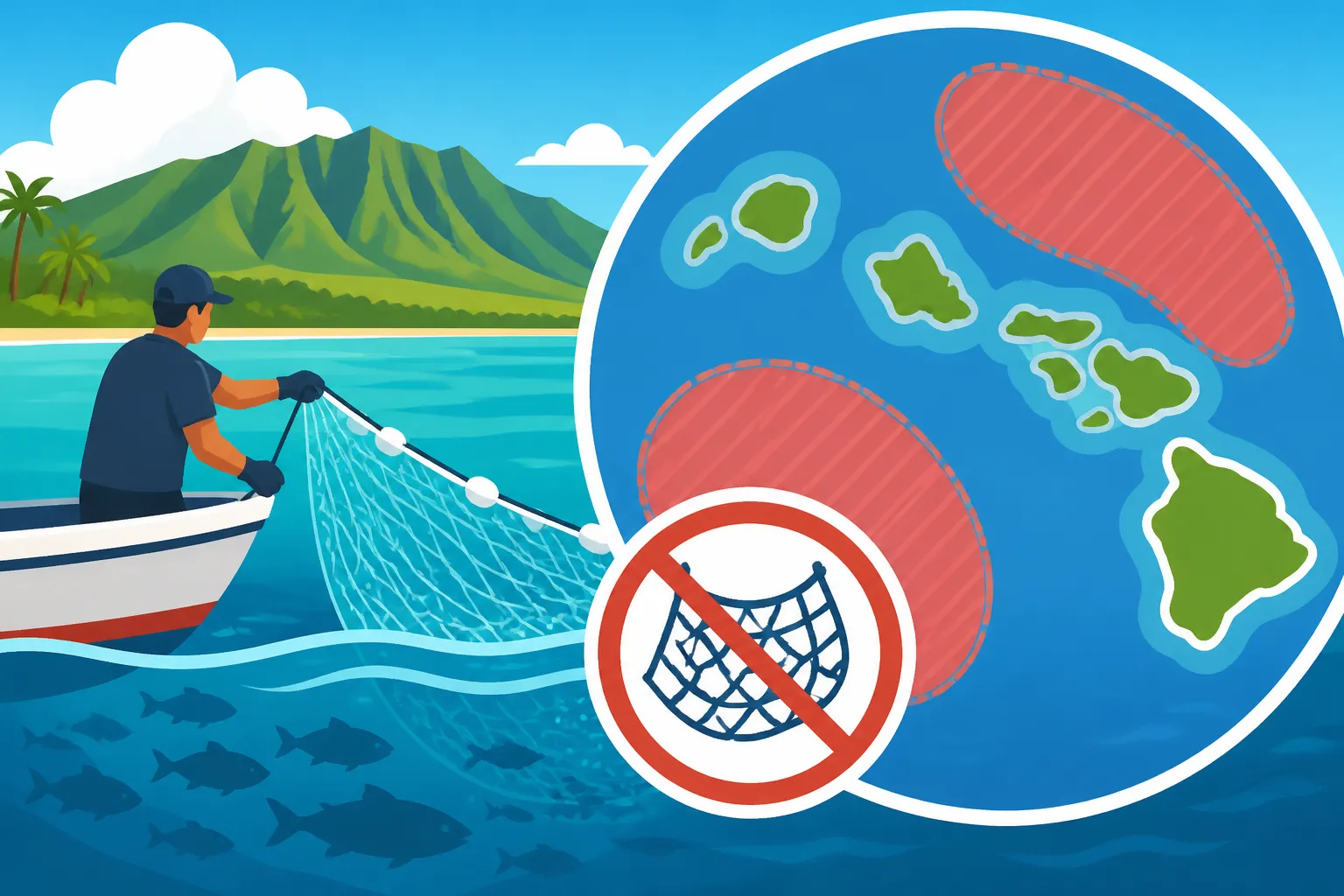
When we talk about "restricted areas" for net fishing in Hawaii, it's not a single, blanket prohibition. Instead, it’s a mosaic of different management zones, each with its own set of rules designed to achieve specific conservation goals. These areas range from highly protected zones where almost all fishing is prohibited to areas with specific gear or time limitations. Knowing these categories is the first step to understanding where you can and cannot drop a net.
Marine Life Conservation Districts (MLCDs)
Marine Life Conservation Districts, or MLCDs, are the crown jewels of Hawaii's nearshore marine protection efforts. Think of them as underwater parks where the primary goal is to protect and conserve marine life and their habitats. This means fishing, in general, is highly restricted, and in many MLCDs, net fishing is outright prohibited. The idea is to allow fish populations to thrive without human interference, creating natural breeding grounds and nurseries that can, in theory, help replenish surrounding areas. For example, the famous Hanauma Bay MLCD on Oahu is a strict no-take zone, meaning no fishing of any kind is allowed, let alone net fishing. It’s a popular snorkeling spot, and the fish there are famously abundant and unafraid of people precisely because they're protected. If you're wondering What a Marine Life Conservation District means for anglers, it generally means "look, don't take" when it comes to nets.
Fish Replenishment Areas (FRAs)
Fish Replenishment Areas (FRAs) are another critical tool for conservation, especially on the Big Island. These areas are specifically designed to protect certain reef fish during crucial life stages, allowing them to reproduce and grow before potentially being harvested in adjacent, less-restricted waters. While not always as strictly no-take as MLCDs, FRAs often have significant restrictions on certain gear types, and net fishing is frequently among them. For instance, many of the FRAs along the Kona Coast of the Big Island, part of the Hawaii Fish Replenishment Areas in West Hawaii network, have strict rules against the use of lay nets or certain types of gillnets to protect reef fish species like uhu and parrotfish, which are particularly vulnerable to these methods. The goal is to allow these fish to mature and spawn, benefiting the wider fishery.
Fishery Management Areas (FMAs) and Special Regulation Areas
Beyond MLCDs and FRAs, Hawaii also has various Fishery Management Areas (FMAs) and other special regulation areas that might have specific net fishing restrictions. These areas often target particular species or address localized conservation concerns. An FMA might be established around a particular harbor or bay to manage specific resources, or it could be a freshwater reservoir with unique rules. For example, some bays might have restrictions on net fishing to protect resident schools of baitfish, which are crucial for the larger predatory fish that both recreational and commercial anglers seek. It’s really important to check the specific regulations for any body of water you plan to fish, even if it's not designated as a prominent MLCD or FRA. The Hawaii Fishing Regulations Explained guide can provide a broader understanding of these diverse management strategies.
Specific Net Fishing Prohibitions and Limitations
It's not just about where you can't fish; it's also about how you can't fish with nets. Hawaii's regulations delve into the specifics of net types, mesh sizes, times of day, and even target species, making it crucial for any angler to understand these nuanced limitations. Ignorance of the law is, unfortunately, not an excuse, and these specifics are put in place for very good reasons.
Banned Net Types and Gear Restrictions
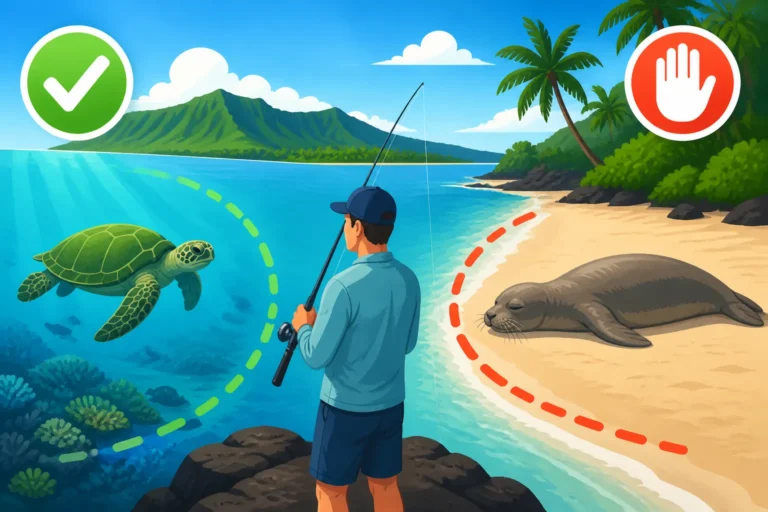
Not all nets are created equal in the eyes of the law. Certain types of nets are outright banned or heavily restricted due to their potential for indiscriminate harvesting or damage to sensitive habitats. For instance, fine-mesh gillnets, especially those used in shallow waters, can be particularly destructive, catching juveniles of many species and even corals or other non-target organisms. Certain types of 'lay nets' or 'set nets' might be restricted in specific areas or during certain periods, often due to concerns about ghost fishing (nets left behind continuing to catch fish) or their impact on protected species like Hawaiian monk seals or sea turtles. For any net you're considering using, it's vital to know its legal specifications – mesh size, material, and deployment method are all usually regulated. You can often find specific guidelines on the DLNR DAR website, which might even specify brands or types of twine that are acceptable, though they generally avoid direct brand endorsements. If you’re buying new gear, check out reputable fishing suppliers on platforms like Amazon, but always cross-reference with current Hawaii regulations, as a legal net in one state might be illegal here.
Time-Based and Seasonal Net Fishing Prohibitions
Beyond geographical restrictions, Hawaii implements time-based and seasonal rules for net fishing to protect species during their vulnerable periods, such as spawning. For example, some areas might have night fishing prohibitions for nets to prevent impacts on nocturnal reef fish or to reduce pressure on species that are more easily caught at night. Certain species, like moi (Pacific Threadfin), have a specific closed season to allow them to reproduce undisturbed. During the Hawaii Moi Closed Season, Explained, any targeted fishing, including net fishing, for moi is strictly prohibited. Similarly, while not a full ban, regulations on the Hawaii Uhu (Parrotfish) Size and Bag Limits might influence when and how you use nets, as you'll need to ensure any caught fish meet the legal requirements. These seasonal closures and time-of-day restrictions are crucial for allowing fish populations to rebound and sustain themselves.
Species-Specific Net Fishing Rules
Sometimes, the rules for net fishing aren't about the net itself, but about the species you might catch. Certain fish have specific protections, and even if you're using a legal net in an open area, targeting or retaining these species could be illegal. For example, while not strictly a net fishing rule, general Hawaii Bag and Size Limits by Species apply to everything you catch, regardless of method. This means even if you're net fishing for something else and accidentally catch a protected species or one below the minimum size, you must release it immediately and unharmed. Some species, like specific types of uhu or certain reef fish, might have very particular regulations on their take, and these often extend to net fishing. Understanding the life cycles and conservation status of your target species is just as important as knowing your net's mesh size. For schooling fish like akule, there are also specific Hawaii Akule Net Fishing Rules that often dictate how and when these communal fishing efforts can occur to prevent overfishing of these vital bait and food fish.
Navigating Specific Islands and Popular Spots
While the general categories of restricted areas apply statewide, the actual implementation and specific locations vary significantly from island to island. What's allowed in one bay on Oahu might be strictly prohibited in a similar-looking area on Maui or the Big Island. This local variation is why it's so important to dig into the details for your specific fishing destination.
Oahu's Net Fishing Hotspots and No-Go Zones
Oahu, with its large population, sees significant fishing pressure, which means its regulations are often quite robust. For instance, areas like Hanauma Bay MLCD are completely closed to net fishing, as mentioned earlier. Other MLCDs on Oahu include Waikiki Offshore, Pupukea, and Coconut Island. Beyond MLCDs, certain areas, especially heavily trafficked beaches or environmentally sensitive zones, might have local ordinances or specific DAR rules. For instance, some sections of Kaneohe Bay, a large and ecologically diverse body of water, have specific rules regarding net types and usage, particularly to protect juvenile fish and coral reefs. Similarly, near major harbors like Kewalo Basin, while primarily used for commercial charters, the surrounding waters often have restrictions to ensure safe navigation and prevent conflicts between various ocean users. Always check with the local DLNR office or a trusted local bait shop before deploying a net in an unfamiliar Oahu location.
Maui's Designated Net Fishing Areas
Maui also has its share of critical conservation areas that impact net fishing. Notably, areas around West Maui, particularly the Kahekili Herbivore Fishery Management Area (FMA), have regulations focused on protecting herbivorous reef fish. While not a blanket net fishing ban, rules here might limit net types that could accidentally catch these important grazing fish, which are vital for controlling algae and maintaining coral reef health. The popular Ahihi Kinau Natural Area Reserve in South Maui is another significant zone, where marine life is highly protected, and net fishing is largely prohibited to preserve its pristine condition. Harbors like Maalaea and Lahaina also have their specific regulations, especially concerning safe navigation and the protection of marine mammals that frequent these waters. Understanding these localized nuances is crucial; a net that's fine for throwing off a sandy beach in one part of Maui could get you into serious trouble in a protected reef area just a few miles away.
Big Island's Unique Net Fishing Restrictions
The Big Island, particularly the Kona Coast, is famous for its vibrant marine life and historical fishing practices. This also means it's home to some of the most extensive Fish Replenishment Areas (FRAs), especially in West Hawaii. These FRAs were established to protect vulnerable reef fish populations, and as such, often contain significant restrictions on net fishing, particularly gillnets and lay nets, that could harm species like uhu. The idea is to allow these fish to grow and reproduce, contributing to the health of the entire ecosystem. For example, the Kawaihae to Kealakekua FRA has specific rules about where and when nets can be used. On the eastern side, Hilo Bay has its own set of rules, balancing recreational and commercial activities with environmental protection. It's a vast island, and the rules can change dramatically from one district to another. A quick check of a local map, available from the DLNR, showing Hawaii Fish Replenishment Area boundaries in West Hawaii is essential before you even consider bringing a net to the shoreline.
Kauai and Other Islands' Net Fishing Considerations
While Oahu, Maui, and the Big Island often get the most attention due to higher population and tourism, Kauai, Molokai, and Lanai also have their own specific net fishing restrictions. Kauai, known for its lush, wild beauty, has areas like the Hanalei Bay Special Management Area, which might have local rules affecting net usage, often aimed at protecting the bay's natural aesthetics and ecological balance. Molokai and Lanai, being less developed, still cherish traditional fishing practices, but even there, conservation efforts mean that certain reefs or bays might be designated as protected. For example, areas vital for limu (seaweed) growth or traditional fishpond maintenance might have restricted access or gear rules, including limitations on nets. It’s always best to connect with local fishermen or the DLNR branch on each respective island, as their insights are invaluable and often more up-to-date for those specific, sometimes less publicized, local regulations.
Consequences of Non-Compliance and Responsible Net Fishing
Accidentally or intentionally violating Hawaii's net fishing regulations can lead to serious repercussions. The state takes its marine conservation very seriously, and enforcement officers are out there, ensuring compliance. Beyond the legal penalties, there's also the moral responsibility we all share to protect Hawaii's fragile marine environment for future generations.
Penalties for Illegally Net Fishing
The consequences for illegally net fishing in Hawaii can range from hefty fines to the confiscation of your gear, and in some cases, even imprisonment. The exact penalty depends on the severity of the violation, whether it's a first offense, and the specific area or species involved. For example, being caught with a prohibited net type in an MLCD, or keeping undersized or protected species, can result in fines easily reaching into the thousands of dollars. Repeated offenses will often lead to much stiffer penalties. This isn't just about a slap on the wrist; it's about making a significant impact on your wallet and potentially your freedom. Just like fishing without a required license can lead to Fishing Without a Required License in Hawaii: Penalties, illegal net fishing carries its own set of serious consequences, reflecting the state's commitment to protecting its marine resources. Always remember, ignorance of the law is not an acceptable defense.
Best Practices for Sustainable Net Fishing
For those who choose to engage in legal net fishing, adopting sustainable practices is paramount. This means more than just following the letter of the law; it's about embracing the spirit of mālama kai. Always ensure your net's mesh size is appropriate for your target species and that you are not inadvertently catching undersized fish or non-target organisms. Deploy and retrieve nets carefully to avoid damaging coral reefs or other sensitive habitats. Never leave nets unattended for extended periods, as they can become "ghost fishing" hazards, continuing to entangle marine life. Consider using environmentally friendly net materials if possible, and always dispose of old or damaged nets properly – never leave them in the ocean or on the shoreline. Practicing catch and release for non-target species, even when legally permitted to keep them, helps reduce pressure on the ecosystem. Many anglers find the concept of Hawaii traditional and customary fishing rights explained to be a good framework for thinking about responsible resource use, focusing on taking only what you need and ensuring abundance for the community.
Reporting Violations and Protecting Our Waters
We all have a role to play in protecting Hawaii's marine resources. If you witness illegal net fishing activities – such as nets being deployed in clearly restricted areas, nets of illegal sizes, or the capture of protected species – it's crucial to report it. The DLNR's Division of Conservation and Resources Enforcement (DOCARE) is the agency responsible for investigating these reports. You can usually find a hotline or online reporting form on the DLNR website. When reporting, try to gather as much information as possible: location, date and time, description of the vessel or individuals, type of net, and what they were catching. Your efforts, even if you remain anonymous, can make a significant difference in curbing illegal activities and helping to preserve Hawaii's unique marine environment for all to enjoy. It's about being a vigilant guardian of our shared ocean playground.
Tools and Resources for Anglers
Keeping up with Hawaii's fishing regulations, especially those pertaining to net fishing, can feel like a full-time job. Thankfully, there are dedicated resources available that can help you stay informed and ensure you're always fishing within the legal boundaries. Utilizing these tools is a sign of a responsible and respectful angler.
Official DLNR Resources and Maps
The absolute best place to get accurate and up-to-date information is directly from the source: the Hawaii Department of Land and Natural Resources (DLNR) and its Division of Aquatic Resources (DAR). Their website is a treasure trove of information, even if it sometimes takes a bit of digging to find exactly what you're looking for. They publish detailed regulatory documents, including specific regulations for MLCDs, FRAs, and other special management areas. Often, they'll have interactive maps or downloadable PDFs that clearly outline boundaries and restrictions. Always prioritize official government sources over anecdotal information, as rules can change. You might also find local offices helpful; a quick phone call to a DAR office on the island you plan to visit can sometimes clarify specific, localized nuances that aren't immediately obvious in general publications. Keeping a copy of the regulations, perhaps a printout or digital version of the Hawaii DLNR fishing regulations PDF, accessible on your phone or in your tackle box is a smart move.
Gear Selection for Legal Net Fishing
When purchasing net fishing gear, legality in Hawaii should be your first consideration. Mesh size, net length, and material are all potential regulatory points. Don't just assume a net is legal because it's sold in a store; always verify against current Hawaii regulations. If you're looking for specific types of nets or components that are compliant, many local tackle shops are excellent resources, as they cater to Hawaii's unique fishing community and are often knowledgeable about local laws. For general fishing supplies or if you need to replace parts of a net, online retailers like Amazon can be a convenient option. However, it's your responsibility to ensure that any net or netting material you purchase, whether for throw nets, cast nets, or small bait nets, meets the precise specifications set by the DLNR. Remember, the right gear is not just about catching fish; it's about catching fish legally and sustainably.
| Restricted Area Type | Primary Purpose | Net Fishing Restriction Level | Common Examples (Island) |
|---|---|---|---|
| MLCD (Marine Life Conservation District) | Preserve pristine marine environments, enhance biodiversity | Highly Restricted/Prohibited | Hanauma Bay (Oahu), Molokini (Maui) |
| FRA (Fish Replenishment Area) | Allow reef fish populations to grow and reproduce | Restricted (often specific net types) | Kona Coast FRAs (Big Island) |
| FMA (Fishery Management Area) | Manage specific fisheries or ecosystems | Variable (area/species specific) | Kahekili Herbivore FMA (Maui), Kaneohe Bay (Oahu) |
| Special Regulation Area | Address localized conservation needs or safety | Variable (often specific prohibitions) | Certain harbors, bays, or shorelines |
Disclaimer
Please remember that fishing regulations in Hawaii, and everywhere else, are subject to change. While this guide provides comprehensive information based on current knowledge, it is always your responsibility to verify the most up-to-date rules and regulations with the Hawaii Department of Land and Natural Resources (DLNR) Division of Aquatic Resources (DAR) before engaging in any fishing activity. This article is for informational purposes only and should not be considered legal advice.