Hawaii Kokee Trout Fishing Season Dates
Planning a fishing trip to the stunning mountains of Kauai, especially with the unique opportunity to catch trout in Hawaii, can be an incredible experience. However, it’s easy to get caught up in the excitement and overlook one of the most crucial details: the specific season dates for trout fishing in Kokee. Many anglers, both residents and visitors, arrive with their gear only to find that the season is either closed or about to end, leading to major disappointment. This comprehensive guide will walk you through everything you need to know about the Hawaii Kokee trout fishing season dates, helping you plan your adventure successfully and avoid any unexpected surprises.
The Unique Allure of Kokee's Trout Fishery
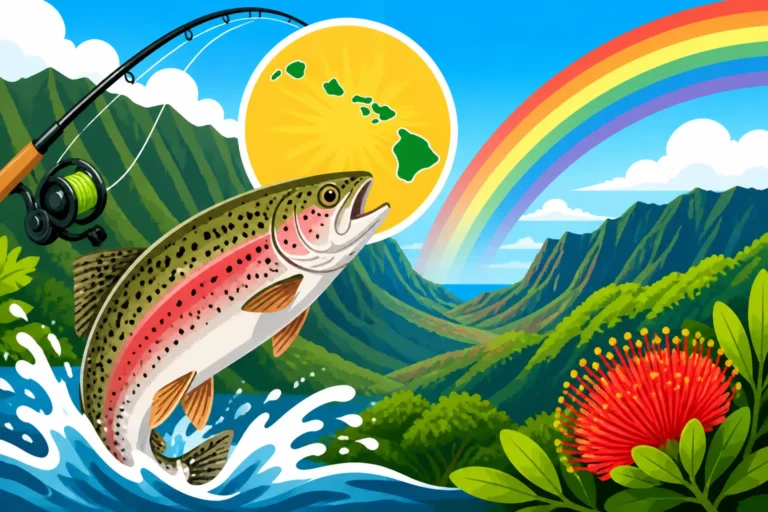
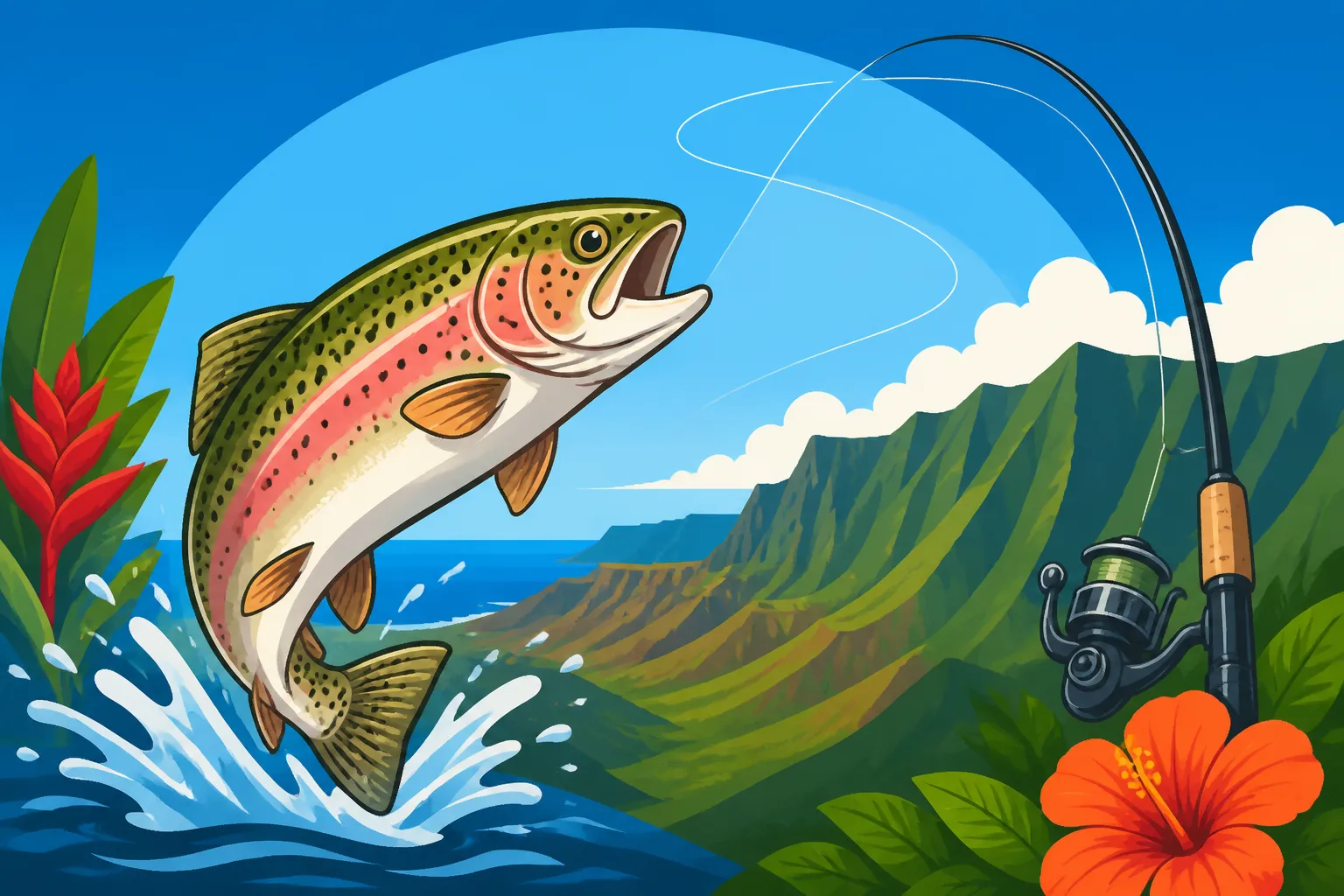
When most people picture fishing in Hawaii, their minds immediately go to sparkling blue ocean waters, powerful marlin, or schooling tuna. Freshwater trout? That’s usually the last thing that comes to mind. Yet, nestled within the verdant, mist-shrouded Kokee State Park on Kauai, there’s a surprisingly robust and cherished rainbow trout fishery, a true anomaly in the tropical Pacific. This unique opportunity draws anglers seeking a different kind of Hawaiian fishing adventure, a cool mountain escape from the sun-drenched beaches.
This fishery is entirely sustained by stocking efforts from the Division of Aquatic Resources (DAR), making it a truly managed environment. Rainbow trout aren't native to Hawaii, but they thrive in the cooler, higher elevation streams and reservoirs of Kokee, specifically in areas designated as the Kokee Public Fishing Area (PFA). The fact that you can chase rainbow trout in Hawaii is a testament to dedicated conservation efforts and thoughtful resource management, providing a unique recreational angling experience that contrasts sharply with the state's dominant marine fisheries.
Why Trout Fishing in Hawaii is Different
Unlike the vast, open ocean where pelagic species roam freely year-round (though with seasonal peaks), the Kokee trout fishery is a delicate, contained ecosystem. The streams are fed by mountain rains, and the water temperatures, while cooler than the lowlands, still hover at the upper limits for rainbow trout survival. This makes careful management crucial, not just for the fish populations but also for the environmental health of the area. Without strict regulations, this fragile resource could quickly be overfished or suffer from ecological damage.
The managed nature means that the fish you’re targeting are primarily hatchery-raised, released by the DAR specifically for recreational sport fishing. This isn’t a wild trout fishery in the traditional sense, but it offers a thrilling experience nonetheless. Anglers often report catching feisty trout that put up a good fight, making the trek into the mountains well worth the effort. It’s an experience that truly broadens the definition of "Best Freshwater Fishing Spots in Hawaii", offering a cool, crisp alternative to the usual saltwater endeavors.
Understanding the Kokee Public Fishing Area
The Kokee Public Fishing Area (PFA) isn't just a generic term for any stream in the park. It encompasses specific waterways where trout fishing is permitted, managed by the DAR. These areas are carefully monitored, and their boundaries are clearly defined by the state. Knowing these specific zones is vital, as fishing for trout outside of the PFA is not allowed and could lead to serious penalties. Before heading out, it’s always a good idea to consult the most current Hawaii Division of Aquatic Resources (DAR) maps and regulations to confirm the exact PFA boundaries.
The Kokee PFA primarily includes sections of the Puu Lua Reservoir and various tributaries and ditches that feed into it, such as the Waiakoali Stream and its associated ditch systems. These areas are selected for their suitable habitat conditions and accessibility, though "accessible" in Kokee often means a bit of a hike! It’s this wild, rugged beauty that makes Kokee such a special place, but it also necessitates anglers being well-prepared and aware of their surroundings, including specific fishing zones.
Deciphering the Kokee Trout Season Dates
The most pressing question for any aspiring Kokee trout angler is, of course, "When can I actually fish for trout?" The Kokee trout fishing season is highly specific and relatively short, designed to coincide with optimal trout survival conditions and recreational opportunity while minimizing stress on the stocked fish. Unlike many other fisheries with year-round or very long seasons, Kokee's trout window is a distinct event that requires careful planning.
Historically, the season typically kicks off in early August and wraps up by the end of September. This limited timeframe is a direct result of the trout's physiological needs and the environmental conditions of the Hawaiian mountains. The cooler temperatures of late summer and early fall provide the best chance for the rainbow trout to thrive and offer exciting angling opportunities. But remember, these dates are not static year-to-year. The Hawaii Department of Land and Natural Resources (DLNR) makes the official announcement each year, sometimes with minor adjustments based on environmental factors, stocking success, and public feedback.
Typical Season Structure and Timing
While the exact dates can shift slightly, the general structure of the Kokee trout season follows a predictable pattern. It usually opens on the first Saturday of August and runs for a continuous period of approximately 16 consecutive days. After this initial two-week-plus opening, the season typically transitions to a weekend-and-state-holiday-only schedule, continuing through the last Sunday in September. This phased approach allows for an intensive opening period, followed by more spread-out access, giving more anglers a chance to experience the fishery.
For example, in a given year, the season might open on August 3rd, run daily until August 18th, and then be open only on Saturdays, Sundays, and specific state holidays like Labor Day until September 29th. It’s absolutely critical to confirm the precise dates for the current year directly from the Hawaii DLNR Fishing Regulations Explained or the DAR website before you finalize any travel plans. Nothing is more disheartening than showing up with your gear ready to go, only to find you've missed the window.
Why the Season is So Limited
The limited season isn't just a bureaucratic decision; it's a scientific and ecological necessity. Rainbow trout are cold-water species, and while Kokee's elevation provides a cooler climate than Hawaii's coasts, the water temperatures in the streams can still become marginal for trout during the hotter months. Limiting the season helps ensure the trout have the best chance to survive and grow after stocking, providing a quality fishing experience. It also prevents overfishing in a relatively confined area, protecting the unique resource.
Moreover, the stocking program itself plays a role. The DAR typically stocks the streams just before and during the season, releasing thousands of catchable-sized rainbow trout. A shorter, managed season ensures that these stocked fish are available for anglers and that the program remains sustainable. It’s a delicate balance of providing recreational opportunities and maintaining the ecological integrity of this special part of Kauai.
Planning Your Kokee Trout Trip
Once you have those elusive season dates locked in, it's time to get down to the nitty-gritty of planning. A successful trout fishing trip to Kokee involves more than just knowing when to go; it means being prepared for the mountain environment, understanding the local rules, and having the right gear. This isn't your typical Hawaiian beach day, so shed those flip-flops and get ready for a different kind of adventure.
Kokee State Park is a truly wild place, with stunning vistas, diverse hiking trails, and often unpredictable weather. You can experience sunshine, mist, and rain all within a single hour. This means dressing in layers, bringing waterproof gear, and having appropriate footwear for potentially muddy trails. Plus, while the scenery is breathtaking, cell service can be spotty to non-existent, so download maps and important information beforehand.
Essential Licenses and Permits
Before you even think about casting a line, you absolutely need to secure the proper fishing license. For freshwater fishing in Kokee, this means obtaining a Hawaii Freshwater Game Fishing License. Unlike marine fishing for residents, which has some exemptions, freshwater fishing in Hawaii always requires a license for anyone 15 years of age or older. You don’t want to face a "Fishing Without a Required License in Hawaii: Penalties" situation, which can include hefty fines.
You can purchase your license online through the DAR website, or from authorized vendors across the islands. It’s a straightforward process, but make sure to do it well in advance of your trip, especially if you’re visiting from out of state. It's not uncommon for anglers to think their general Hawaii fishing license covers everything, but the freshwater requirement is distinct. For more details on this, check out our guide on the Hawaii Freshwater Fishing License and Rules.
Here’s a quick overview of typical license requirements:
| License Type | Who Needs It | Cost (Approx. for residents) | Cost (Approx. for nonresidents) | Validity Period | Where to Buy |
|---|---|---|---|---|---|
| Annual Freshwater Game Fishing | Residents & Nonresidents (Age 15+) | $5 | $10 | Calendar Year | Online (DAR), Authorized Vendors |
| 30-Day Tourist Freshwater Fishing | Nonresidents only | N/A | $5 | 30 Days from Purchase | Online (DAR), Authorized Vendors |
| 7-Day Tourist Freshwater Fishing | Nonresidents only | N/A | $3 | 7 Days from Purchase | Online (DAR), Authorized Vendors |
| Exemptions: | Children under 15; certain disabled residents | N/A | N/A | N/A | Check Hawaii Freshwater License Age Requirements and Hawaii Senior and Disabled Freshwater License Exemption |
Note: Prices are approximate and subject to change. Always confirm current rates and requirements with the Hawaii DLNR DAR.
Gear Up for Success
Kokee trout fishing is typically done with light tackle, fly fishing gear, or spinning gear. A 6-7 foot light-action spinning rod paired with a small reel spooled with 4-6 lb test line is usually sufficient. For fly anglers, a 3-5 weight fly rod is ideal for the smaller streams. When it comes to bait, traditional trout favorites like salmon eggs, worms, or corn can be effective, especially during the busy opening days. Lures such as small spinners, spoons, or artificial salmon egg imitations are also popular. You can find a fantastic selection of these on Amazon, ensuring you have what you need delivered right to your door before your trip.
For fly fishing, typical nymph patterns like Prince Nymphs, Hare's Ears, and Pheasant Tails, as well as dry flies that mimic local insect life, can produce results. Streamers mimicking small baitfish are also worth trying. Remember, the trout are stocked, but they still act like wild fish once released, so presentation and stealth are key. Don’t forget essential accessories like a small tackle box or fly box, forceps for hook removal, a small landing net, and a stringer or cooler if you plan to keep your catch within legal limits. Having a sturdy pair of wading boots or even old sneakers that can get wet and muddy will also make your experience much more comfortable.
Rules and Regulations Beyond Season Dates
Beyond knowing when you can fish, it’s equally important to understand how you can fish and what you can keep. The Hawaii DLNR has a comprehensive set of regulations for the Kokee Public Fishing Area that go beyond just season dates. These rules are in place to ensure fair chase, protect the resource, and maintain the unique environment of Kokee. Ignoring these regulations isn't just disrespectful to the local efforts; it can result in significant fines and forfeiture of your catch and gear.
Remember, this is a highly managed fishery. The trout populations are entirely sustained by stocking, and without strict adherence to the rules, the quality of the fishery would quickly diminish. So, before you head out, make sure you've thoroughly reviewed all the specific rules for the Kokee PFA, including bag limits, size limits, and gear restrictions.
Bag and Size Limits
One of the most crucial rules to be aware of is the daily bag limit. Typically, anglers are allowed to keep a certain number of trout per day. For example, it’s often 7 rainbow trout per person, per day. There might also be a minimum size limit to ensure that smaller, growing fish are released to continue maturing. Always verify these numbers directly from the current year’s DAR regulations, as they can sometimes be adjusted. Keeping more than the legal limit, or keeping undersized fish, is a serious violation.
It’s also important to note that these limits apply per person. If you're fishing with a group, each licensed angler has their own bag limit, but you cannot combine limits or transfer fish between individuals to circumvent the rules. Responsibility for adhering to limits falls on each individual angler. This isn’t just about avoiding penalties; it’s about ensuring there are enough trout for everyone to enjoy the fishing experience throughout the season.
Permitted Fishing Methods
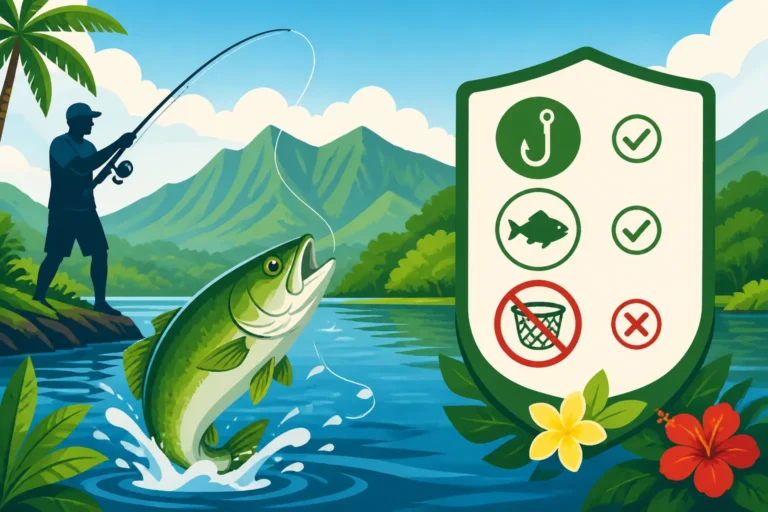
In Kokee, only certain fishing methods are allowed to maintain fair chase and prevent depletion of the stocked fish. Generally, conventional rod-and-reel fishing (both spinning and baitcasting) and fly fishing are the permitted methods. Spear fishing, net fishing, or any other commercial-style methods are strictly prohibited within the PFA. While it might seem obvious for trout fishing, it's worth reiterating that only actively attended lines are allowed; you can't set multiple lines and leave them unattended.
Using live bait is typically permitted, and many anglers find success with earthworms or crickets. However, always double-check the regulations for any specific bait restrictions or prohibitions on introducing certain types of non-native baitfish into the ecosystem. This prevents the introduction of invasive species or diseases that could harm the delicate balance of the Kokee waterways. Again, a quick check of the current Hawaii Freshwater Fishing License and Rules will clear up any ambiguities.
Specific Waterway Rules
While the general rules apply to the entire Kokee PFA, there can sometimes be specific rules for individual waterways or sections. For instance, some areas might be designated as "Hawaii Catch and Release Only Freshwater Waters" to help sustain certain populations, or there might be access restrictions to protect fragile riparian zones. Always pay attention to signage in the park, as it will often indicate specific local rules or closures.
The primary fishing areas usually include portions of the Puu Lua Reservoir and adjacent streams and ditches. Be mindful of private property boundaries if you're venturing outside the main park areas, and always respect the natural environment. Pack out everything you pack in, and leave no trace behind. The beauty of Kokee is part of the fishing experience, and it’s everyone’s responsibility to keep it pristine.
Optimizing Your Trout Fishing Experience
Fishing for rainbow trout in Kokee is a truly unique experience that combines the thrill of the catch with the stunning natural beauty of Kauai. To make the most of your adventure, there are a few additional tips and considerations that can significantly enhance your success and enjoyment, ensuring you have stories to tell for years to come. From understanding the fish behavior to embracing the unpredictable mountain weather, preparation is key.
Remember that these are stocked fish, but they quickly acclimate to their new environment and can become wary, especially after the initial opening weekend. Don’t expect them to jump on every hook. Stealth, careful presentation, and patience will be your best allies. And always prioritize safety and respect for the environment.
Best Time of Day and Conditions
Like most trout, Kokee rainbows are often most active during cooler parts of the day – early mornings and late afternoons. If you're hitting the water right after the season opens, the fish might be less wary, but as the season progresses, they become more accustomed to angler presence and require a more subtle approach. Overcast days or periods of light rain can also be excellent, as these conditions often bring insects to the surface and make the fish feel more secure.
However, keep a close eye on the weather forecast. Heavy rains can quickly swell streams, making conditions unsafe and potentially muddying the water, which can shut down the bite. Conversely, prolonged dry spells can lead to lower water levels, concentrating fish but also making them more skittish. Being adaptable and checking conditions before you head out is crucial. Some great insights on this can be found in our guide on "How to Catch Trout Right After Kokee's Season Opens".
Recommended Techniques and Baits
For bait fishing, simple techniques are often the most effective. A small hook (size 10-14) with a single salmon egg, a piece of corn, or a small worm, drifted naturally in the current, can be deadly. Using a very light split shot or no weight at all, especially in slower currents, allows the bait to move freely and appear natural. PowerBait dough or similar artificial baits, molded into small balls around a hook, also work well, particularly when fished off the bottom with a small sinker. You can find a wide variety of effective trout baits and rigs on Amazon, making it easy to experiment.
Fly anglers will find success with nymphing techniques, especially if the water has good flow. Drifting weighted nymphs under an indicator can imitate the subsurface insects that make up a large part of the trout's diet. When hatches occur, switching to dry flies can be exhilarating. Remember to cast upstream and allow your fly to drift naturally without drag. For more in-depth advice on specific presentations, check out our article on "Best Techniques for Freshwater Trout at Kokee".
Respecting the Environment and Other Anglers
Kokee State Park is a shared resource, enjoyed by hikers, birdwatchers, and anglers alike. Practicing good outdoor ethics is paramount. Pack out all your trash, including fishing line and bait containers. If you plan to clean fish, do so responsibly away from the main waterways and dispose of entrails properly. Minimize your impact on the stream banks and trails.
When other anglers are present, be courteous. Give them space, avoid walking through their fishing spots, and keep noise levels down. If someone is already fishing a particular stretch of stream, consider moving further upstream or downstream to find your own spot. A little aloha goes a long way in ensuring everyone has a pleasant experience in this beautiful and unique Hawaiian fishery. It’s all part of the spirit of "Rainbow Trout: Hawaii's Only Freshwater Trout Fishery".
Where to Find Kokee Trout
Knowing the season dates and having your gear ready is fantastic, but you still need to know where to actually go within the sprawling Kokee Public Fishing Area. While the entire park is beautiful, not every stream or ditch holds fish. The key is to target the stocked waterways, which are typically well-maintained and accessible by various trails or roads within the park.
The terrain in Kokee can be challenging, with steep valleys, dense foliage, and often muddy trails. Being prepared for a hike, sometimes a strenuous one, is part of the adventure. Always let someone know where you are going and when you expect to return, especially if you plan to explore more remote sections.
Primary Fishing Locations in the PFA
The main arteries of the Kokee PFA are the Puu Lua Reservoir and the streams that feed it, such as the Waiakoali Stream and its associated ditch systems. These ditches were originally constructed for agricultural purposes but now serve as prime habitat for the stocked trout. Anglers will often find access points along the main roads, like Kokee Road (Hwy 550), which runs through the park. Pull-offs and trailheads can lead you to productive stretches of water.
The reservoir itself can be a great spot, especially at dawn or dusk, as trout often cruise the edges looking for insects. The streams, while smaller, offer more intimate fishing experiences, often requiring precise casting and stealth. Don't be afraid to explore different sections; what might be quiet one day could be teeming with fish the next. For more details on specific productive spots, our guide on "Best trout fishing spots at Kokee" can provide valuable intel.
Accessing the Waterways
Access to the Kokee PFA can vary from relatively easy roadside pull-offs to challenging hikes down into the Waimea Canyon. Many popular spots are near the main Kokee campgrounds or picnic areas, offering convenience for families or those with limited mobility. However, some of the most rewarding fishing often requires a bit more effort, venturing further into the wilderness. Always wear appropriate hiking shoes or boots, and be prepared for slippery conditions, especially after rain.
Parking is usually available at trailheads or designated pull-off areas. Be sure to park legally and not block any gates or access roads. Carrying a good map of Kokee State Park is essential, as GPS signals can be unreliable. Familiarize yourself with the trail system and stick to marked trails to avoid getting lost and to protect the fragile native ecosystem. And always pack plenty of water, snacks, and a first-aid kit.
Disclaimer
The information provided in this guide is for general informational purposes only and is based on typical Hawaii fishing regulations and historical data. Fishing regulations, season dates, bag limits, and licensing requirements are subject to change by the Hawaii Department of Land and Natural Resources (DLNR) at any time. It is the angler's sole responsibility to consult the most current and official Hawaii DLNR Division of Aquatic Resources (DAR) regulations before planning any fishing trip or engaging in fishing activities. Failure to comply with current regulations can result in significant penalties.