Best charters for trolling lure spreads
There's nothing quite like the thrill of offshore fishing in Hawaii, but for many anglers, the sheer number of charter options can feel overwhelming, especially when you're looking for a specific technique like trolling lure spreads. You want to make sure your hard-earned money and precious vacation time are spent on a boat and crew that truly understand how to set up, manage, and fish a proper spread for those magnificent pelagic species. This guide will help you pinpoint the best charters specializing in trolling lure spreads, ensuring you have the best possible shot at hooking into that dream fish.
Understanding Trolling Lure Spreads in Hawaii
Trolling lure spreads isn't just about dragging some lures behind a boat; it's an art and a science, especially in the rich, deep waters around the Hawaiian Islands. A well-executed lure spread mimics a school of baitfish, creating an irresistible target for predatory game fish.
What Makes a Successful Lure Spread?
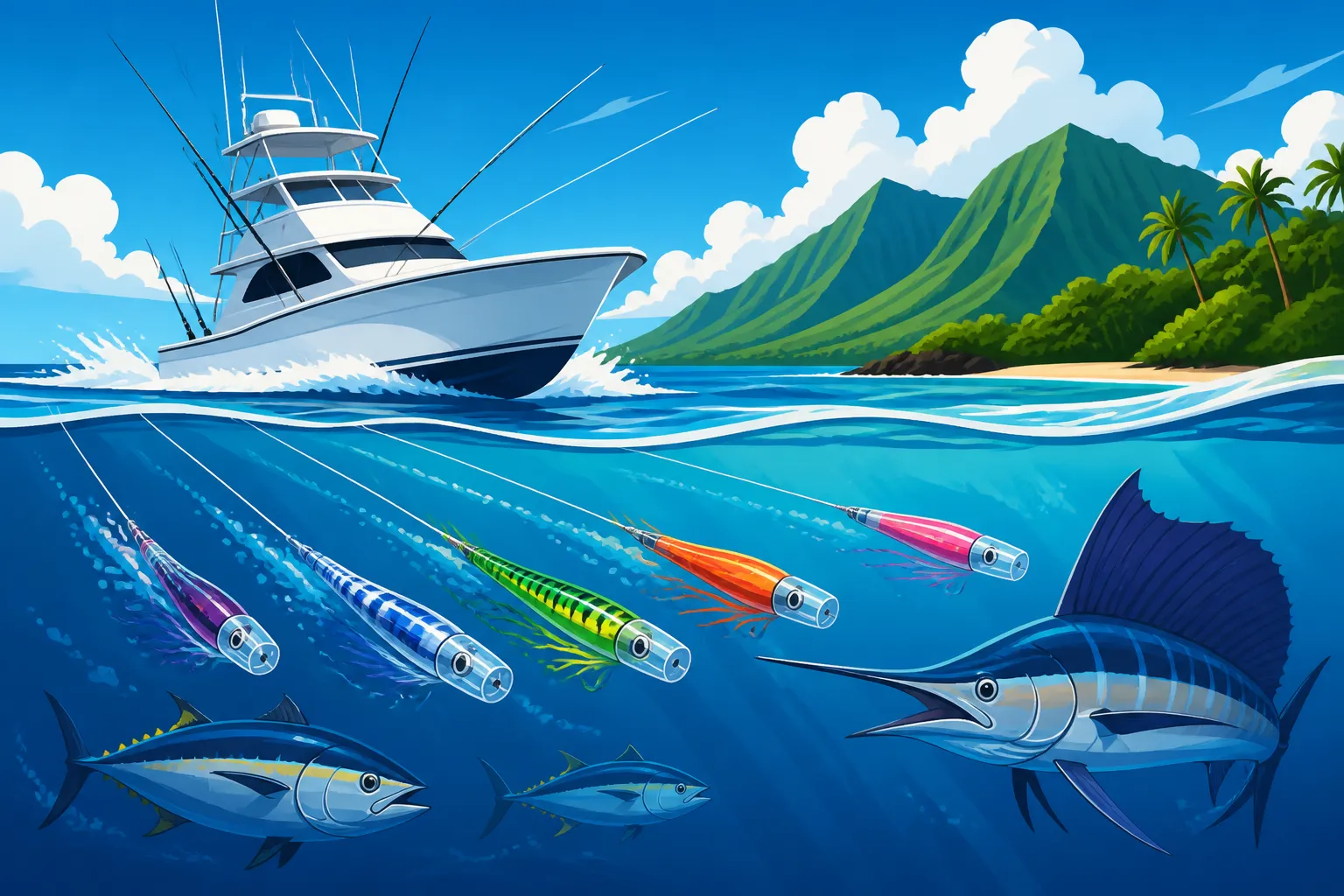
A successful lure spread is a carefully orchestrated ballet of artificial baits, each playing a specific role in attracting fish. It involves a lot more than simply clipping a few lures to your lines. Imagine standing on the deck, looking back at the boat's wake, and seeing a dynamic, pulsing array of colors and actions. That's the goal.
First, you have the depth and placement. Different lures run at different depths and positions relative to the boat. Some run close in the prop wash, creating a commotion that often triggers strikes. Others are run further back, some on the surface, some a little deeper. The captain and crew use outriggers to spread lures wide, covering a larger area and preventing tangles, while flat lines run closer to the stern. Downriggers might be used to get specific lures even deeper, targeting fish that aren't willing to come up to the surface. The combination of these positions is crucial. A good captain understands the "lanes" each lure occupies and how to adjust them for current, boat speed, and target species.
Then there's the lure selection itself. This isn't just about pretty colors. Each lure has a unique head design that dictates its action – whether it dives, swims erratically, pushes water, or leaves a long smoke trail. Some lures are designed to imitate fleeing baitfish, others to mimic injured prey. The colors chosen often depend on light conditions, water clarity, and what the local baitfish look like. On a bright, sunny day, darker or more natural patterns might work well, while on an overcast day or in choppier water, brighter, flashier colors could be more effective. A skilled crew will have an arsenal of lures and know exactly which ones to put where in the spread to create the most tantalizing presentation. You might see a big plunger head lure way out on the long rigger, a smaller bullet head closer in, and a chugger creating a splashy disturbance right in the prop wash. For more on this, check out our guide on Best Lures for Marlin Trolling off Kona.
Key Species Targeted with Trolling Lure Spreads
When you're trolling lure spreads in Hawaii, you're primarily after the big pelagic predators that roam the open ocean. These are the fish that make Hawaii a world-renowned fishing destination.
The undisputed king of the Kona Coast is the Marlin, particularly the majestic Blue Marlin. These powerful fish are often found patrolling current lines and deep water drop-offs, always on the lookout for a meal. A well-presented lure spread is incredibly effective at drawing them in. Beyond Blue Marlin, you might encounter Striped Marlin, especially during certain seasons. Finding charters that specialize in Marlin Fishing off the Kona Coast is key if this is your target.
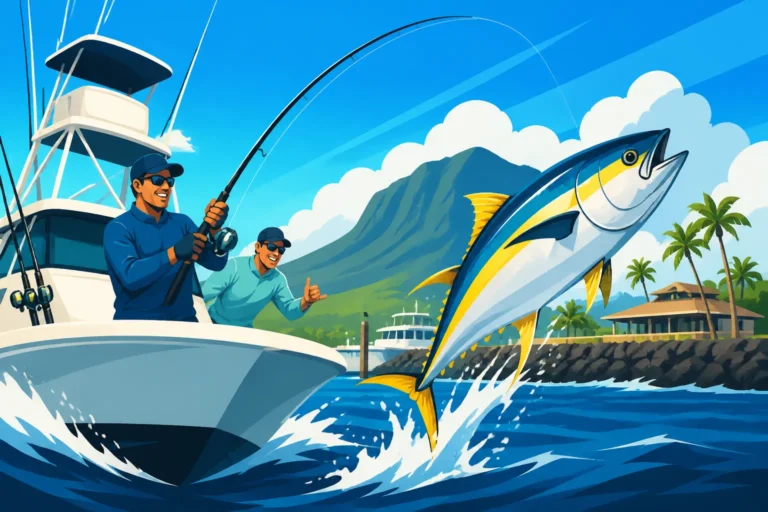
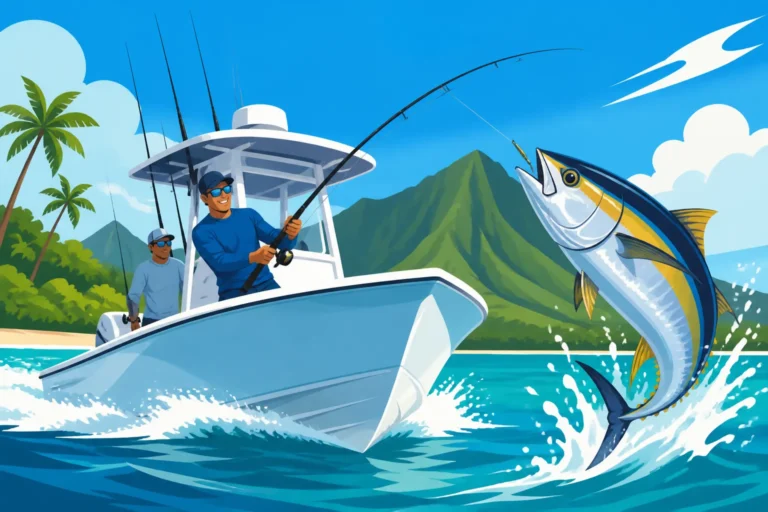
Ahi, or Yellowfin Tuna, are another highly sought-after species. These fast, hard-fighting tuna often travel in schools and can be incredibly aggressive when feeding. They'll readily strike at trolled lures, especially those mimicking smaller baitfish. Seeing a school of ahi erupt behind your boat as they chase down your spread is an unforgettable experience. Learn more about targeting these incredible fish in our article on How to Catch Ahi in Hawaii.
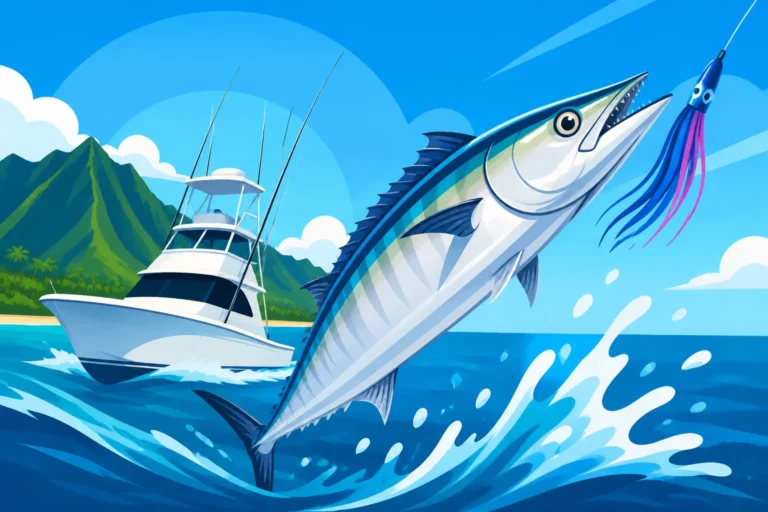
Then there's Ono, also known as Wahoo. These sleek, toothy speedsters are famous for their blistering runs and delicious white meat. They're often found around structure or current edges and will hit trolled lures with incredible force. If you're looking for fast action and a fantastic table fish, Ono are a great target. Our guide on How to Catch Ono in Hawaii can provide more detailed information.
Finally, Mahimahi, or Dorado, are among the most beautiful and acrobatic fish you can catch while trolling. They are often found under floating debris, weed lines, or other flotsam, and they'll strike at lures with enthusiasm, putting on an aerial show as they fight. They're also superb eating! Discover more about them in our piece on How to Catch Mahimahi in Hawaii.
Each of these species has preferences, and a top charter will adjust their spread, speed, and location to best match the bite.
The Role of a Skilled Captain and Crew
You might have the best lures in the world, but without an experienced captain and crew, your chances of success are significantly reduced. Think of them as the conductors of an orchestra, making sure every element plays in harmony.
A skilled captain isn't just driving the boat; they are constantly reading the ocean. They interpret sonar readings, watch for subtle changes in water temperature and color, identify current lines, and look for signs of baitfish or working birds. This local knowledge, accumulated over years of fishing specific waters, allows them to position the boat in the most productive zones. They know the subtle contours of the ocean floor, where the bait congregates, and where the big fish lie in wait. Their understanding of Trolling Techniques for Hawaii Pelagics is paramount.
The crew, often one or two deckhands, are the ones meticulously setting up the spread. They're experts at rigging lures, ensuring they run perfectly. They know how to adjust line length, add or remove weight, and fine-tune each lure's position. When a fish strikes, chaos can erupt, and a good crew handles it with calm efficiency. They'll quickly clear other lines, coach the angler on how to fight the fish, and be ready with gaffs or tag poles. Their ability to work as a cohesive unit with the captain makes all the difference between a missed opportunity and a fish in the boat or a successful release.
What to Look for in a Charter for Trolling Lure Spreads
Choosing the right charter for trolling lure spreads requires a bit of detective work. You want a boat that's set up for the job and a team that knows how to use it.
Boat and Gear Specifics
Not all fishing boats are created equal, especially when it comes to offshore trolling. A dedicated sportfishing vessel designed for trolling lure spreads will have specific features that enhance your experience and success.
Look for boats equipped with outriggers. These long poles extend from the boat's sides, allowing lines to be run wide and away from the prop wash. This widens the spread, prevents tangles, and creates a more realistic school of bait. Equally important are multiple rod holders, strategically placed around the cockpit to accommodate a full spread of lines, typically anywhere from 5 to 9 lines depending on the boat size and captain's preference.
The tackle itself is also critical. High-quality rods, reels, and lines are essential for fighting powerful pelagic fish. You want heavy-duty stand-up gear, strong enough to handle a grander marlin but balanced enough for the angler to manage. Ask about the condition of their gear – well-maintained equipment indicates a professional operation. Also, inquire about their lure collection. Do they have a wide variety of Hawaiian-style trolling lures in different sizes, colors, and head designs? A charter that takes its trolling seriously will have a diverse and well-organized lure spread arsenal, ready to adapt to changing conditions and target species. They should be able to tell you exactly What Gear a Hawaii Charter Provides.
Captain's Experience and Local Knowledge
While anyone can drive a boat, a captain who truly excels at trolling lure spreads in Hawaii possesses a deep understanding of the local waters. This goes far beyond just knowing where the harbors are.
They should have an intimate knowledge of currents, baitfish movements, and bottom structure. For example, off the Kona Coast, the steep drop-offs and prevailing currents create natural feeding grounds for marlin and tuna. A top captain will know how to "work" these contours, crossing current lines and fishing specific depths where bait is congregating. They'll be watching the fish finder not just for fish, but for bait balls and temperature breaks that signal prime hunting grounds. Ask prospective captains about their favorite fishing grounds, why they prefer them for trolling, and how they adapt their strategy to different conditions. A seasoned captain will have stories and detailed explanations, not just vague promises.
Their experience isn't just about finding fish; it's about knowing how to present the lures. This includes adjusting boat speed, making turns that make the lures "swim" enticingly, and understanding how a particular swell or chop might affect the spread. This expertise is cultivated over countless hours on the water, not just a few trips.
Crew's Expertise in Lure Spreads
The deckhands are the unsung heroes of a successful trolling operation. Their expertise in rigging, adjusting, and managing the spread is crucial.
A good crew will be absolute pros at rigging lures. This involves selecting the correct leader material, crimping connections perfectly, and ensuring the lure runs straight and true. An improperly rigged lure can spin or track incorrectly, making it far less effective. They'll also be constantly adjusting the spread. This isn't a "set it and forget it" operation. As boat speed changes, currents shift, or fish activity dictates, the crew will be moving lines, changing lures, and fine-tuning the positions to keep the spread looking its best.
When a strike happens, their ability to manage the chaos is paramount. They need to quickly identify which line has the fish, clear other lines to prevent tangles, and get the angler into position. For multi-strike scenarios (which can happen with schooling fish like ahi or mahimahi), they need to coordinate seamlessly to get multiple fish hooked and to the boat. Ask about the crew's experience. Are they full-time professionals or just part-timers? Look for charters with experienced, dedicated deckhands who live and breathe offshore fishing.
Preparing for Your Trolling Lure Spread Charter
A successful fishing trip often starts long before you step foot on the boat. Being prepared mentally and practically can significantly enhance your experience.
Communicating Your Goals with the Charter
Before you even book, clear communication with the charter captain or booking agent is vital. Don't assume they know what you're hoping for.
Be specific about your interest in trolling lure spreads. Some charters might focus more on live baiting, bottomfishing, or even spearfishing. If your heart is set on trolling for marlin or tuna with a spread, confirm that this is their specialty and their preferred method. Ask about their typical target species for that time of year and whether their boat is ideally rigged for a full lure spread. For example, if you're keen on landing a big marlin, ask if they often troll for Marlin Fishing off the Kona Coast.
Also, clarify your fishing experience level. Are you a seasoned offshore angler or a complete novice? A good charter will tailor their approach and coaching to your experience, ensuring you feel comfortable and engaged. If you're hoping to learn specific aspects of lure spread trolling, let them know. They might be able to offer tips and insights during the trip. Many charters are happy to teach, but it helps if they know your expectations upfront.
Essential Items to Bring
While a good charter will provide all the necessary fishing gear, there are several personal items you should definitely bring to ensure your comfort and safety on the water.
Sun protection is absolutely non-negotiable in Hawaii. The tropical sun can be intense, even on cloudy days. Pack a wide-brimmed hat, sunglasses (polarized ones are great for spotting fish or weed lines), and plenty of reef-safe sunscreen. Lightweight, long-sleeved shirts and pants made from moisture-wicking material are also excellent for sun protection and comfort.
Seasickness medication is another critical consideration, even if you don't usually get seasick. Offshore trolling means being on the open ocean, often in swells. It's far better to take preventative measures than to spend your trip feeling miserable. Consult with your doctor beforehand if you have concerns. Snacks, lunch, and plenty of water or other hydrating drinks are also a must, as trips can be long, and you'll burn a lot of energy. Finally, don't forget your camera! You'll want to capture the memories of your epic catches and the stunning Hawaiian scenery.
Understanding Catch Policies and Tipping Etiquette
Before you go, it's really helpful to understand the charter's policy on catch retention and release, as well as the local customs for tipping. This avoids any awkward situations later.
Many Hawaiian charters operate on a "boat fish" policy, especially for large game fish like marlin. This means the fish technically belongs to the boat. However, most captains are very reasonable and will ensure you get some fillets to take home if you wish, especially with species like ahi, ono, or mahimahi. For marlin, many anglers prefer catch and release, or if kept, a portion of the meat is often shared among the crew and customers. Always clarify this before the trip, so there are no surprises. Our guide on What to Expect on a Hawaii Fishing Charter elaborates on this.
As for tipping etiquette, it's customary to tip the captain and crew. A standard tip for a good experience is generally 15-20% of the charter fee. This acknowledges their hard work, skill, and effort in making your trip successful. If they go above and beyond, or if you land a trophy fish, a more generous tip is always appreciated. Have cash readily available for this at the end of the trip.
Finding and Booking the Right Charter
Now that you know what to look for, it's time to find that perfect charter specializing in trolling lure spreads. The options can be vast, but a systematic approach helps.
Online Platforms and Reviews
The internet has made finding and researching charters much easier. Online booking platforms are a great starting point for exploring options.
Websites like FishingBooker provide a comprehensive list of charters in various Hawaiian ports, allowing you to filter by location, boat type, target species, and even fishing technique. When browsing, pay close attention to the charter descriptions. Do they explicitly mention "trolling lure spreads," "offshore trolling," or "sportfishing for marlin and tuna"? Look for photos of their boats showing outriggers and a well-equipped cockpit. More importantly, delve into the customer reviews. What do previous anglers say about the captain's expertise, the crew's professionalism, and the boat's suitability for trolling? Look for recurring positive comments about the crew's ability to set up and manage a spread, their knowledge of local fishing grounds, and their dedication to finding fish. Platforms like FishingBooker often allow you to see reviews directly related to specific fishing experiences.
While online platforms are great for initial discovery, remember to cross-reference. Check the charter's own website and social media channels for more photos, videos, and recent fishing reports.
Direct Inquiries and Recommendations
Sometimes, the best information comes directly from the source or from trusted peers.
Don't hesitate to call or email potential charters directly. This allows you to ask very specific questions tailored to your interest in trolling lure spreads. You can inquire about the captain's philosophy on lure selection, their preferred trolling speeds, how many lines they typically run, and their success rates for specific species using this method. A good captain will be happy to share this information and will sound enthusiastic about their craft. This direct interaction also gives you a feel for their personality and communication style, which is important for a long day on the water.
Recommendations from local tackle shops, other anglers, or even hotel concierges can also be incredibly valuable. Locals often have firsthand knowledge of which captains consistently put their clients on fish using particular techniques. If you're at a harbor like Honokohau Harbor on the Big Island or Maalaea Harbor on Maui, take some time to walk the docks. You might see boats returning with impressive catches, and you can strike up conversations with returning anglers or even the crews themselves. Ask about their trip, specifically if they were trolling lure spreads and how the experience was.
Key Questions to Ask Before Booking
To ensure you're booking the best charter for your trolling lure spread adventure, arm yourself with a list of targeted questions. This helps you clarify expectations and avoids misunderstandings.
Here's a table of crucial questions to ask:
| Question Category | Specific Questions to Ask | Why it's Important |
|---|---|---|
| Trolling Focus | Do you specialize in trolling lure spreads? Is this your primary fishing method for pelagic species? | Confirms their expertise and preferred technique aligns with yours. |
| Boat & Gear | What kind of boat do you run? Does it have outriggers and ample rod holders for a full spread? What's the quality of your tackle? | Ensures the boat is properly equipped for efficient and effective trolling. |
| Captain/Crew Exp. | How long has the captain been fishing these waters? What's the crew's experience with rigging and managing lure spreads? | Gauges their local knowledge and technical proficiency, which are critical for success. |
| Target Species | What species are you typically targeting with lure spreads this time of year? | Helps set realistic expectations and ensures you're fishing for what you want. |
| Catch Policy | What is your policy on keeping fish caught via trolling? | Clarifies ownership of the catch and prevents misunderstandings. |
| Inclusions/Exclusions | What is included in the charter price (bait, tackle, license, drinks, snacks)? Are there any hidden fees? | Understands the full cost and what you need to bring. (Note: Most Hawaii charters include recreational fishing licenses for guests.) Do You Need a Fishing License in Hawaii clarifies the requirements. |
| Cancellation Policy | What happens if the weather is bad? What's your cancellation or rescheduling policy? | Protects your investment in case of unforeseen circumstances. |
| Booking & Payment | What's the deposit required? What payment methods do you accept? How far in advance do I need to book? | Ensures a smooth booking process. For popular charters, booking well in advance is often necessary, especially for peak seasons. |
By asking these questions, you'll gather enough information to make an informed decision and significantly increase your chances of having a memorable and successful day of trolling lure spreads in the beautiful waters of Hawaii. Whether you're chasing a giant marlin or a school of vibrant mahimahi, the right charter will make all the difference.
Disclaimer
This article is for general informational purposes only and does not constitute professional advice. Laws, prices and regulations vary by location and change over time. Consult a qualified professional for guidance on your specific situation.