Hawaii nonresident 1-day marine fishing license cost
Planning a fishing trip to Hawaii can feel like navigating a maze, especially when you're trying to figure out all the rules and requirements. You've probably been looking for information about a 1-day marine fishing license for non-residents, expecting to find a straightforward price, only to hit a wall of confusion. It’s a common frustration, and many visitors assume Hawaii's fishing license system is just like back home. This guide is here to clear up that very specific question, helping you understand exactly what you need – or don't need – for your ocean fishing adventure in the islands.
The Surprising Truth About Hawaii's Nonresident Marine Fishing License
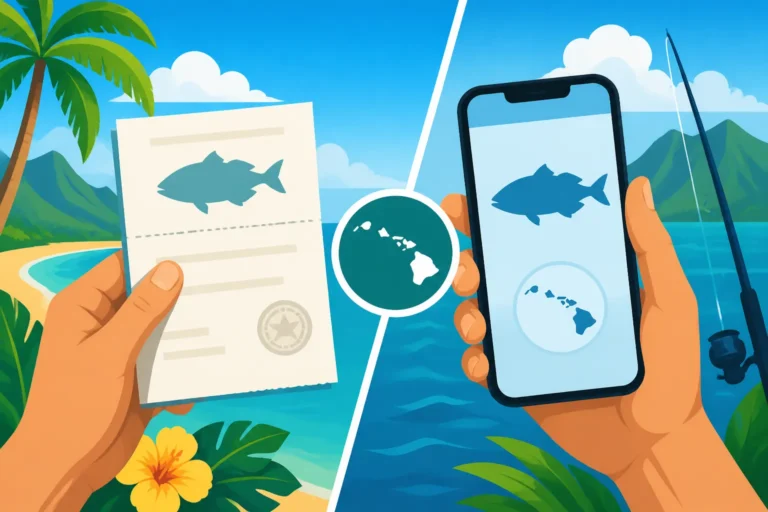
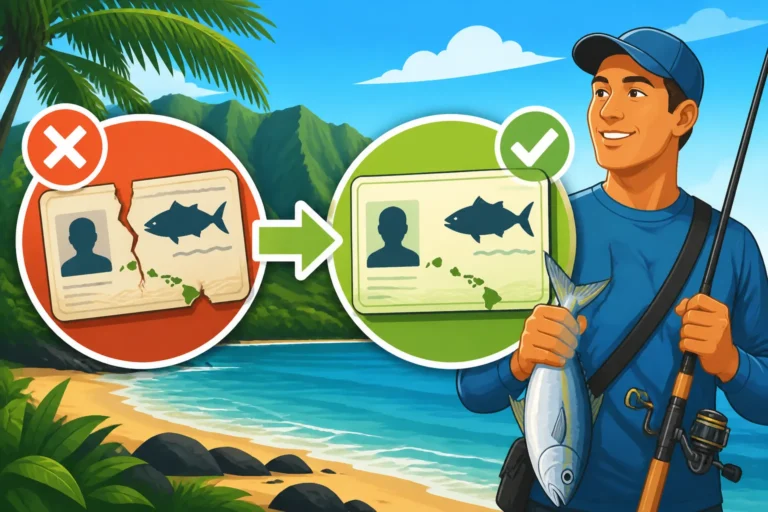
Let's cut right to the chase and put your mind at ease: for recreational marine (ocean) fishing in Hawaii, there is no specific nonresident 1-day marine fishing license to purchase because recreational ocean fishing does not require a license for anyone, resident or nonresident. That’s right, the cost for a Hawaii nonresident 1-day marine fishing license is, happily, $0.00.
This often comes as a big surprise to folks visiting from the mainland or other parts of the world. In most states, if you want to drop a line in the ocean, you absolutely need to buy a license, often with various options like a 1-day, 3-day, or annual pass, and different prices for residents versus non-residents. Hawaii, however, operates under a different philosophy for its vast marine resources. The state generally promotes public access to its ocean for recreational purposes without the barrier of a fishing license fee, a tradition deeply rooted in local culture. This unique approach means you can enjoy the stunning Pacific waters and try your hand at catching some incredible fish without needing to worry about that particular piece of paperwork. It’s a pretty sweet deal, isn’t it? Just imagine, all that time you might have spent online trying to track down a license, you can now spend dreaming of your first big catch!
What You Do Need to Know for Recreational Ocean Fishing in Hawaii
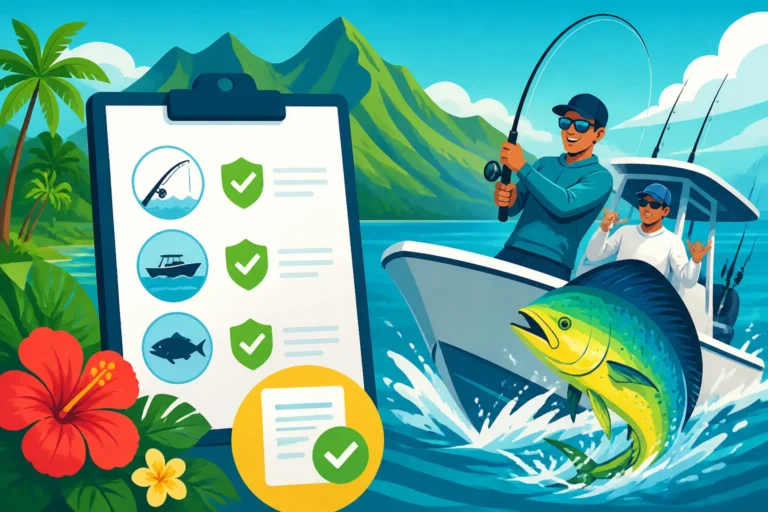
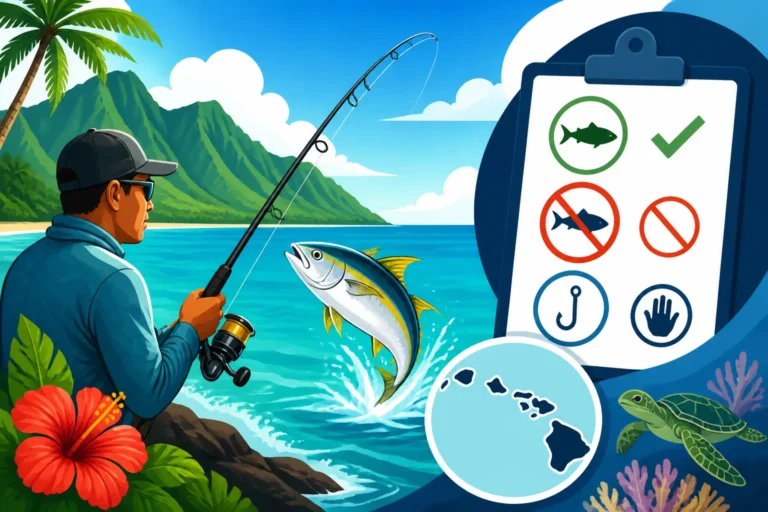
While the good news is you don't need a license for recreational ocean fishing, that doesn't mean it's a free-for-all. Hawaii is very serious about protecting its marine ecosystems, and there are crucial rules and regulations in place to ensure sustainable fishing practices for everyone. Ignoring these rules can lead to significant fines and penalties, so it's vital to educate yourself before you cast your line. These regulations cover everything from what you can catch, how big it needs to be, and how many you can keep, to where you can fish and what methods are permitted.
Understanding Bag and Size Limits
Just like in other places, Hawaii has specific bag and size limits for various species. For example, if you're hoping to catch some tasty moi (Pacific Threadfin), you need to know about the Hawaii Moi Closed Season, Explained and its specific size requirements. Similarly, if you're targeting uhu (parrotfish), you'll need to be aware of the Hawaii Uhu (Parrotfish) Size and Bag Limits to ensure you're fishing legally. These limits are in place to allow fish populations to reproduce and thrive, ensuring there are plenty of fish for future generations of anglers. Always check the current regulations before heading out, as they can change. The Hawaii Division of Aquatic Resources (DAR) website is your best friend here, offering up-to-date details on all species.
Protected Areas and Species
Hawaii is home to numerous Marine Life Conservation Districts (MLCDs) and Fish Replenishment Areas (FRAs) where fishing is either strictly prohibited or heavily restricted. Understanding What a Marine Life Conservation District means for anglers is, and knowing where they are located, is non-negotiable. For instance, you can't just throw a line into the crystal-clear waters of Hanauma Bay, no matter how tempting it looks – it's an MLCD. There are also specific rules about approaching and interacting with protected marine life, such as Hawaiian Monk Seals and sea turtles. Ignorance of these rules is not an excuse, and violating them can carry steep fines and even jail time. Always check local signage and official DAR maps to ensure you're not fishing in a prohibited area. It's a small effort that makes a huge difference in preserving Hawaii's unique ocean environment.
Permitted Fishing Methods
While most common hook-and-line recreational fishing methods are allowed, some specific techniques, especially those involving nets or certain types of spearfishing, have very strict guidelines or are entirely prohibited. For example, Hawaii Spearfishing Regulations are quite detailed, and certain practices like Hawaii SCUBA Spearfishing Ban are explicitly forbidden. This is where researching the Hawaii Fishing Regulations Explained truly comes in handy. Make sure your gear and techniques align with local laws. This also means being mindful of your impact on the reef—avoiding dragging anchors over coral and ensuring you're not disturbing marine life.
When a Fishing License Is Required in Hawaii: Freshwater and Commercial Fishing
Okay, so no license for recreational ocean fishing, but that doesn't mean licenses are non-existent in Hawaii. There are two primary scenarios where you will need to get a fishing license: if you plan to fish in freshwater, or if you intend to fish commercially. This is where some of the confusion often stems from, as people hear "fishing license" and assume it applies to all types of fishing.
Freshwater Fishing Licenses
If your Hawaiian fishing dreams involve chasing rainbow trout in the cool streams of Kokee Public Fishing Area on Kauai, or targeting peacock bass and largemouth bass in Oahu's Wahiawa Reservoir, then yes, you absolutely need a freshwater fishing license. The process for obtaining a freshwater license is similar to what you might expect in other states. For non-residents, there are usually several options, often including multi-day passes that are perfect for visitors. For instance, you might look into the Hawaii 7-day tourist freshwater license cost or the Hawaii 30-day tourist freshwater license cost depending on the length of your stay and how much freshwater fishing you plan to do.
Let's break down typical non-resident freshwater license costs (these are subject to change, so always verify with the DLNR directly):
| License Type | Non-Resident Cost (Approx.) | Valid For | Notes |
|---|---|---|---|
| Annual Freshwater License | $40 | 12 months | Best for extended stays or frequent freshwater anglers |
| 30-Day Freshwater License | $20 | 30 consecutive days | Good for longer vacations with multiple fishing days |
| 7-Day Freshwater License | $10 | 7 consecutive days | Ideal for short trips with a couple of freshwater outings |
| 1-Day Freshwater License | $5 | 1 consecutive day | Perfect for a single day of freshwater fishing |
As you can see, freshwater licenses are quite affordable and easily accessible. You can often purchase these licenses online through the DLNR website or in person at various authorized vendors across the islands. Just remember, these are only for freshwater fishing. They don't magically grant you additional rights or exemptions for ocean fishing beyond what's already allowed without a marine license.
Commercial Fishing Licenses
The other scenario requiring a license is if you are engaging in fishing for commercial purposes, meaning you intend to sell your catch. This falls under a completely different set of regulations and requires a Hawaii Commercial vs Recreational Fishing License Rules. Commercial marine licenses are significantly more involved, with different fees, reporting requirements, and specific gear restrictions. If you're coming to Hawaii for a recreational trip, this type of license is almost certainly not what you're looking for, but it's important to understand the distinction. Charter boat captains, for example, will have these commercial licenses, but as a passenger, you are covered under their operation for your recreational catch; you do not need your own personal marine license.
Planning Your Hawaii Fishing Trip Beyond the License Question
Now that we've cleared up the license confusion, you can focus on the exciting part: actually planning your fishing adventure! Whether you're planning on shore casting, deep-sea charter fishing, or exploring freshwater reservoirs, there are a few more things to consider to make your trip a success.
Researching Your Fishing Spots
Hawaii offers an incredible variety of fishing environments. If you're keen on shore fishing, places like Sandy Beach on Oahu or certain areas along the Kona Coast offer fantastic opportunities for papio (trevally) and ulua (giant trevally). You might want to check out guides on the Best Shore Fishing Spots in Hawaii for some ideas. If you're interested in freshwater, understanding the Hawaii Wahiawa Reservoir Fishing Rules is key before you head out. Knowing the characteristics of your chosen spot – whether it's sandy beach, rocky point, or a reef flat – will help you choose the right gear and techniques.
Understanding Seasons and Species
Different fish species are more active or prevalent during certain times of the year. For instance, while you don't need a license, knowing the Hawaii Fishing Seasons by Month can greatly improve your chances of success, especially for pelagic species like marlin or ahi. If you're coming during the spring, you might have better luck targeting mahimahi. The ocean is vast and diverse, and having an idea of what fish are around when you visit will help you set realistic expectations and optimize your fishing strategy.
Gearing Up (and Where to Get It)
Since you won't be spending money on a marine license, you might have a bit more in your budget for gear! For many visitors, bringing their own fishing equipment isn't practical due to airline restrictions or simply the hassle. Luckily, there are plenty of tackle shops across the islands that cater to both locals and tourists. Places like Sportco and Pop's Fishing Supply on Oahu, or even larger retailers like Walmart or Target, will have basic fishing gear. You can also find a wide range of specialized Hawaiian fishing tackle, from heavy-duty casting setups for ulua to lighter gear for whipping papio, at local shops. If you prefer to order online before your trip, Amazon is a great resource for getting things shipped directly to your accommodation in Hawaii, or even back home, covering everything from lures to specialized lines that might be harder to find locally. Many charter boats will provide all the necessary gear if you opt for a guided experience, so be sure to ask what's included.
Hiring a Charter or Guide
For many non-residents, especially those unfamiliar with local waters and techniques, booking a fishing charter is an excellent option. Charter captains are experts in local conditions, know where the fish are, and provide all the necessary equipment. This is particularly popular for deep-sea fishing for big game like marlin and ahi off the Kona Coast. You can find out more about How to Choose a Hawaii Fishing Charter to ensure you pick the right one for your group. For freshwater or even specific shore fishing techniques like bonefishing, hiring a local guide can be invaluable. They provide local knowledge, safety, and a higher chance of success, making your fishing experience truly unforgettable.
Remember, the goal is to have a fantastic, respectful, and responsible fishing experience in Hawaii. The absence of a recreational marine fishing license is a unique aspect of Hawaiian law that many find refreshing. Just be sure to balance that freedom with a deep respect for the ocean and its creatures by adhering to all other regulations.
Disclaimer
The information provided in this guide is for general informational purposes only and is not intended as legal advice. Fishing regulations in Hawaii are subject to change by the Department of Land and Natural Resources (DLNR) Division of Aquatic Resources (DAR). It is always the angler's responsibility to consult the most current official regulations directly from the Hawaii DLNR/DAR website or publications before engaging in any fishing activities.