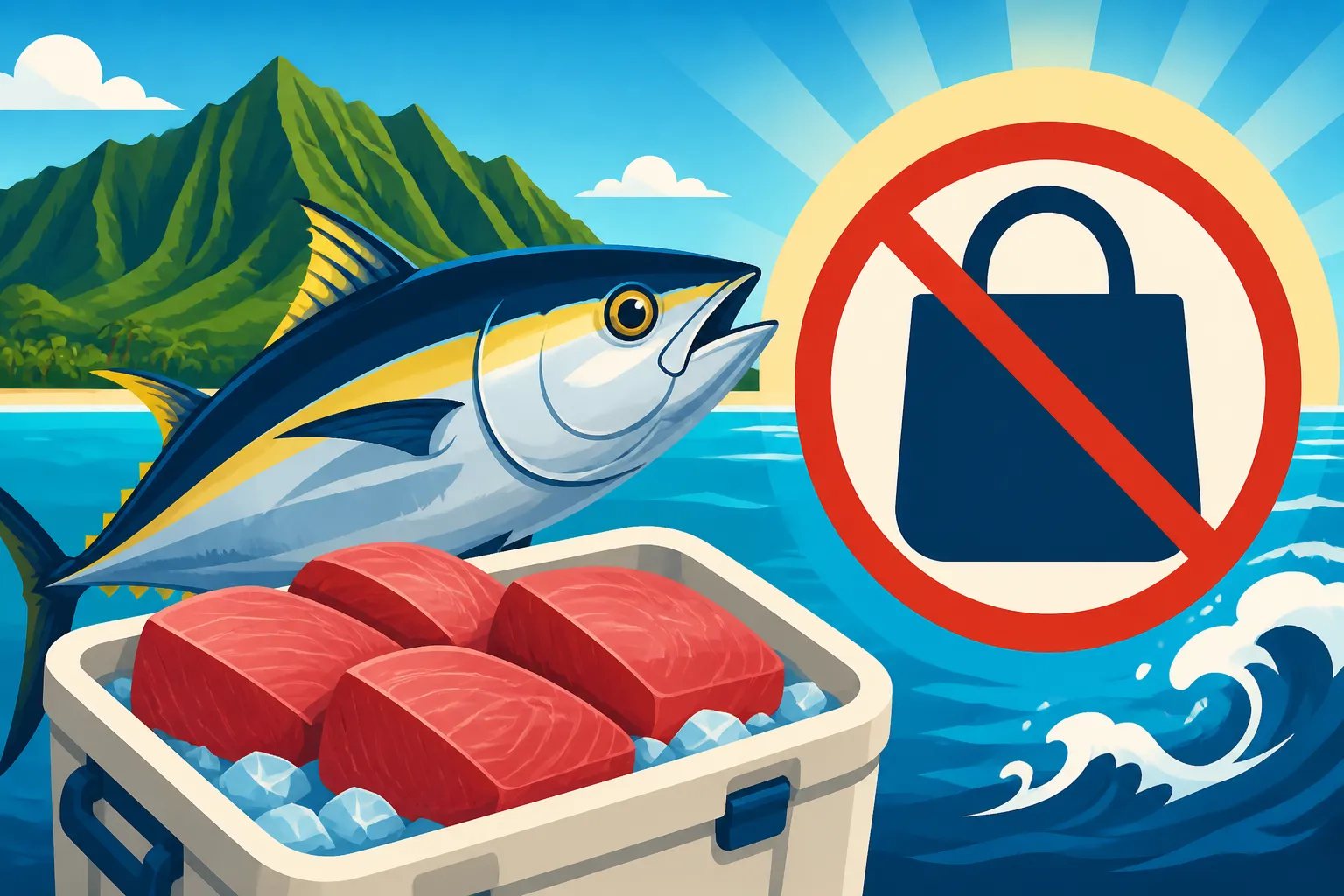
Hawaii ahi bag limit rules
Getting out on the water in Hawaii, especially when you're targeting a magnificent fish like Ahi, is an unparalleled experience. But with all that excitement, it's easy to get tangled up in questions about what you can and can't keep. Many anglers, both visitors and kama'aina, wonder about specific bag limits for popular species like Ahi, and it can be a real headache trying to find clear, concise answers amidst all the broader regulations. This guide is here to clear the air, helping you understand the Hawaii ahi bag limit rules so you can fish responsibly and with confidence.
What Exactly is Ahi in Hawaiian Waters?
When we talk about "Ahi" in Hawaii, we're generally referring to two distinct, highly prized tuna species: the Yellowfin Tuna (Thunnus albacares) and the Bigeye Tuna (Thunnus obesus). Both are pelagic powerhouses, known for their incredible fighting ability and their delicious, high-quality meat that's a staple in poke bowls and sushi bars across the islands. Understanding these incredible creatures is the first step to appreciating why their management is so important.
Yellowfin Tuna versus Bigeye Tuna
While both fall under the "Ahi" umbrella, Yellowfin and Bigeye have some subtle differences that experienced anglers often recognize. Yellowfin are typically a brighter, more iridescent blue-green on their backs, fading to silver on their bellies, and are famous for their long, sickle-shaped dorsal and anal fins, which can be strikingly yellow. They tend to be found in warmer surface waters. Bigeye, on the other hand, often have larger eyes (hence the name!) and a more robust, deeper body shape. Their fins are usually shorter, and they tend to prefer deeper, cooler waters, often caught by deep-drop or night-time fishing methods. Both are fantastic eating fish, and both are highly sought after by recreational and commercial fishermen alike.
Why Ahi Regulations Matter for Sustainability
The waters around Hawaii are incredibly productive, but they're not limitless. Ahi are highly migratory species that travel vast distances across the Pacific. Because of their popularity and economic importance, both locally and internationally, these fish face significant fishing pressure. Regulations, even if they aren't always strict bag limits for recreational anglers, are crucial for ensuring that there are healthy populations of Ahi for future generations to enjoy. It's about finding that delicate balance between allowing people to fish and protecting the resource that makes our islands so special. Sustainable practices are at the heart of maintaining this incredible fishery. If you're keen on learning more about these magnificent fish, check out our detailed article on Ahi (Yellowfin Tuna) Fishing in Hawaii.
Demystifying Ahi Bag and Size Limit Rules in Hawaii
This is often where the biggest questions arise, and frankly, the answers might surprise many recreational anglers. Unlike many mainland fisheries with strict daily catch and size limits for every species, Hawaii's approach to highly migratory pelagic species like Ahi, particularly for recreational fishing, is quite different.
Recreational Ahi Bag and Size Limits
Here's the crucial point that often catches people off guard: For recreational fishing in Hawaii, there are currently no specific daily bag limits or minimum size limits for Yellowfin Tuna (Ahi) or Bigeye Tuna. That's right, you heard it correctly. If you're fishing recreationally – meaning you're not selling your catch – you generally don't have a numerical limit on how many Ahi you can keep, nor do they need to be a certain length. This differs significantly from many other states and even some other species within Hawaii, where specific limits are in place to manage fish populations.
This doesn't mean it's a free-for-all, however. This freedom comes with an inherent responsibility for anglers to practice conservation and ethical harvesting. Just because you can keep ten Ahi doesn't mean you should if you can't properly care for and consume all of them. Always remember the spirit of aloha 'aina – caring for the land and sea. You can find more general information about broader regulations in our Hawaii Fishing Regulations Explained article.
Commercial Fishing Regulations for Ahi
Now, it's a completely different ballgame for commercial fishermen. If you hold a valid Hawaii Commercial Marine License and intend to sell any portion of your Ahi catch, you are subject to a much more stringent set of rules. These include:
- Reporting Requirements: Commercial fishermen are required to report their catch data to the Division of Aquatic Resources (DAR). This data is vital for resource management and understanding population trends.
- Federal Regulations: Since Ahi are highly migratory species, commercial operations are also often subject to federal regulations overseen by NOAA Fisheries. These can include quotas, vessel monitoring systems, and other management measures designed to manage the entire Pacific tuna fishery.
- Gear Restrictions: While generally not an issue for typical recreational gear, commercial vessels might have specific regulations regarding net types or longline gear.
The distinction between recreational and commercial is paramount. If you even think about selling a fish, you must ensure you have the proper licenses and adhere to all commercial regulations. Trying to pass off commercial activities as recreational is a serious offense. For a deeper dive into these distinctions, check out Hawaii Commercial vs Recreational Fishing License Rules.
Why the Lack of Recreational Limits?
The primary reason for the absence of specific recreational bag and size limits for Ahi in Hawaii stems from the nature of these highly migratory pelagic species. Their populations are managed at a much larger, regional (Pacific Ocean-wide) level by international agreements and federal agencies like NOAA Fisheries, rather than strictly at the state level for recreational take. The sheer size of the Ahi population and their vast ranges make localized recreational bag limits less effective compared to broader management strategies that focus on commercial catch and international quotas. While there might not be a specific Ahi bag limit, it's always good practice to stay informed about Hawaii Pelagic Species Bag Limits for other species you might encounter offshore.
Beyond the Bag Limit: Important Considerations for Ahi Anglers
Even without a strict recreational bag limit, responsible Ahi fishing in Hawaii involves much more than just what you can keep. There are several other critical aspects to consider to ensure you're fishing legally and sustainably.
Licensing Requirements for Recreational Anglers
While Ahi itself might not have a bag limit, you absolutely need to understand the general licensing requirements for fishing in Hawaii. Historically, residents did not need a license for marine recreational fishing in Hawaii, but that has changed. Non-residents now typically need a license for marine fishing, and even residents now need a license for freshwater fishing. It's crucial to confirm your specific situation before you head out. A great starting point is our guide on the Hawaii Fishing License Guide for 2026 to ensure you're squared away with the latest requirements. Ignorance of the law is never an excuse, and fines can be substantial.
Gear and Method Restrictions
When targeting Ahi, most recreational anglers use trolling gear with lures or bait, or sometimes live bait. Generally, these methods are permitted. However, it’s always wise to be aware of any specific gear restrictions that apply to general marine fishing in Hawaii. For example, certain types of nets, explosives, or poisons are strictly prohibited. While not usually an Ahi-specific issue, knowing the overall rules helps you avoid accidental violations. If you're curious about different techniques, our guide on Trolling Techniques for Hawaii Pelagics offers some great insights.
Transporting Your Catch Between Islands
Let's say you're on a fantastic fishing trip off the Kona Coast of the Big Island and you land a magnificent Ahi. Now you want to take it back to Oahu to share with family. This is where interisland transport rules come into play. You need to ensure your catch is properly handled, stored, and transported according to any agricultural or transportation regulations. Typically, this involves proper cleaning, icing, and packaging. Always double-check with your airline or shipping company if you're flying with fish, and be aware of any Department of Agriculture rules. Our article on Hawaii ice chest and catch transport rules for interisland travel provides a comprehensive look at this often-overlooked aspect.
Respecting Marine Life and Protected Areas
Hawaii is home to incredibly diverse marine life, including several protected species like Hawaiian Monk Seals and various sea turtles. While fishing for Ahi, it's possible to encounter these animals. It is absolutely critical to give them space and avoid any interaction. If a protected species approaches your boat or gear, take all reasonable steps to avoid disturbing them. Also, be mindful of Marine Life Conservation Districts (MLCDs) or other protected areas where fishing may be restricted or prohibited altogether. These areas are vital for ecosystem health. Learn more about how to safely share the ocean in Hawaii turtle and monk seal proximity rules for anglers.
On-Board with a Fishing Charter
If you decide to go out on a chartered fishing trip – which is a fantastic way to experience offshore Ahi fishing – many of the complexities of licenses and specific regulations are handled by the captain and crew. The charter boat itself will be commercially licensed, and the crew will be intimately familiar with all applicable rules. This is one of the many benefits of booking a reputable charter. However, it's still good practice to ask questions if you're unsure. You can find out more about what to expect in Do You Need Your Own Fishing License for a Hawaii Charter?.
Best Practices for Sustainable Ahi Fishing in Hawaii
While recreational bag limits for Ahi might be absent, that doesn't mean we, as anglers, should abandon responsible practices. The future of Hawaii's fisheries depends on all of us. Embracing sustainable techniques and showing respect for the ocean will ensure these incredible resources remain abundant.
Catch and Release Considerations
Even when there's no limit, practicing catch and release for smaller Ahi, or if you've already filled your cooler, is a commendable and sustainable choice. Ahi are fast-growing, but giving younger fish a chance to mature contributes to a healthier population. If you do plan to release an Ahi, be prepared to do so quickly and carefully.
Tips for a Successful Release:
- Minimize Fight Time: Use appropriate tackle to bring the fish in efficiently, reducing exhaustion.
- Proper Handling: Avoid touching the gills or eyes. Support the fish horizontally, especially if it's large, to prevent internal damage.
- Quick Hook Removal: Use de-hooking tools if possible. If the hook is deeply embedded and removal would cause significant damage, consider cutting the line as close to the hook as possible. Circle hooks are fantastic for reducing gut hooking.
- Revive if Necessary: If the fish seems sluggish, hold it upright in the water, facing into the current, allowing water to flow over its gills until it regains strength and swims away on its own.
Accurate Species Identification
Sometimes, especially with smaller tuna, it can be tricky to tell the difference between Ahi, Aku (Skipjack Tuna), or even juvenile Bigeye and Yellowfin. While there might not be a difference in recreational bag limits for these particular species, it's always good practice to know what you've caught. Developing your identification skills helps you better appreciate the diversity of the ocean and informs your understanding of specific regulations that might apply to other species. Resources like fish identification apps or even waterproof fish ID cards (you can find plenty on Amazon!) are super helpful to have on your boat or in your tackle box.
Utilizing Your Entire Catch
If you do keep an Ahi, make every effort to utilize as much of the fish as possible. Beyond the prime fillets for poke and grilling, consider using parts for fish broth, cutting bait, or even composting. Wasting such a magnificent creature goes against the spirit of respect for the resource. Proper bleeding and icing immediately after the catch are crucial for preserving the quality of the meat, ensuring that every part you do keep is at its absolute best.
Staying Informed About Regulations
Fisheries regulations, though often stable for pelagic species, can change. It's always a good idea to periodically check the Hawaii Division of Aquatic Resources (DAR) website for the most up-to-date information. They are the primary source for all state-level fishing rules. A quick search before each fishing season or trip can save you a lot of hassle and ensure you're always compliant. Our comprehensive guide to the Best Time of Year to Fish in Hawaii also offers insights into seasonal considerations for Ahi.
Comparing Recreational and Commercial Ahi Fishing
To further clarify the distinctions, let's break down the key differences between recreational and commercial Ahi fishing in Hawaii. This table should help paint a clearer picture of what applies to whom.
| Feature | Recreational Ahi Fishing | Commercial Ahi Fishing |
|---|---|---|
| Primary Purpose | Personal consumption, sport, leisure, sharing with friends/family | Sale of catch for profit, livelihood |
| License Required | Generally a Hawaii Marine Recreational Fishing License (for non-residents and residents as per recent changes); check current DAR rules. | Hawaii Commercial Marine License (CML) is mandatory. |
| Bag Limits | No specific daily bag limit. | Subject to federal (NOAA Fisheries) quotas and reporting. |
| Size Limits | No specific minimum size limit. | Subject to federal (NOAA Fisheries) regulations. |
| Reporting Catches | Not generally required for recreational anglers. | Mandatory detailed catch reporting to DAR and federal agencies. |
| Vessel Registration | Standard recreational boat registration if applicable. | Specific commercial vessel registration/permits. |
| Gear Restrictions | General marine fishing gear rules apply. | More stringent rules regarding longlines, net types, etc. |
| Regulations Authority | Primarily State of Hawaii DAR, with some federal overlap. | State of Hawaii DAR and Federal (NOAA Fisheries, WCPFC). |
Understanding this table is key. The biggest takeaway for most readers will be the explicit "No specific daily bag limit" for recreational Ahi, which is a major departure from how many other popular fisheries are managed.
Disclaimer
Please note that fishing regulations are subject to change. While every effort has been made to provide accurate and up-to-date information, it is your responsibility to verify all current rules and regulations with the official Hawaii Department of Land and Natural Resources (DLNR) and Division of Aquatic Resources (DAR) before engaging in any fishing activities. This guide is for informational purposes only and should not be considered legal advice.