Hawaii weke minimum size limit
It's incredibly frustrating when you're out on the beautiful waters or along the stunning shorelines of Hawaii, you hook into a fantastic weke, and then a nagging doubt creeps in: "Is this fish legal? Is it big enough?" Navigating Hawaii's fishing regulations can feel like trying to untangle a particularly stubborn fishing knot, especially when different species have different rules, and some might not even have a minimum size limit at all! This guide is here to clear up that confusion specifically for weke, helping you understand the rules so you can fish with confidence and contribute to the sustainable future of Hawaii's precious marine life.
Understanding Weke Regulations in Hawaii
Let's cut right to the chase because, honestly, who has time for ambiguity when the fish are biting? You're looking for the minimum size limit for weke, and the answer might surprise you, or perhaps even relieve you, depending on your recent catches.
The Truth About Weke Minimum Size Limits
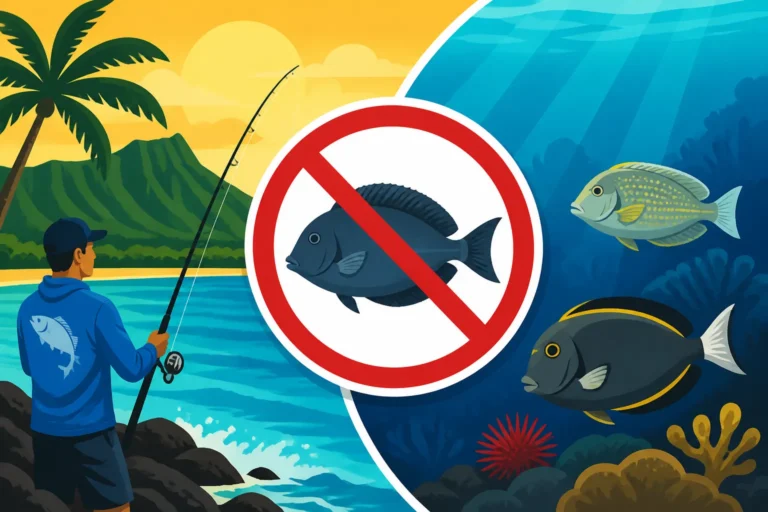
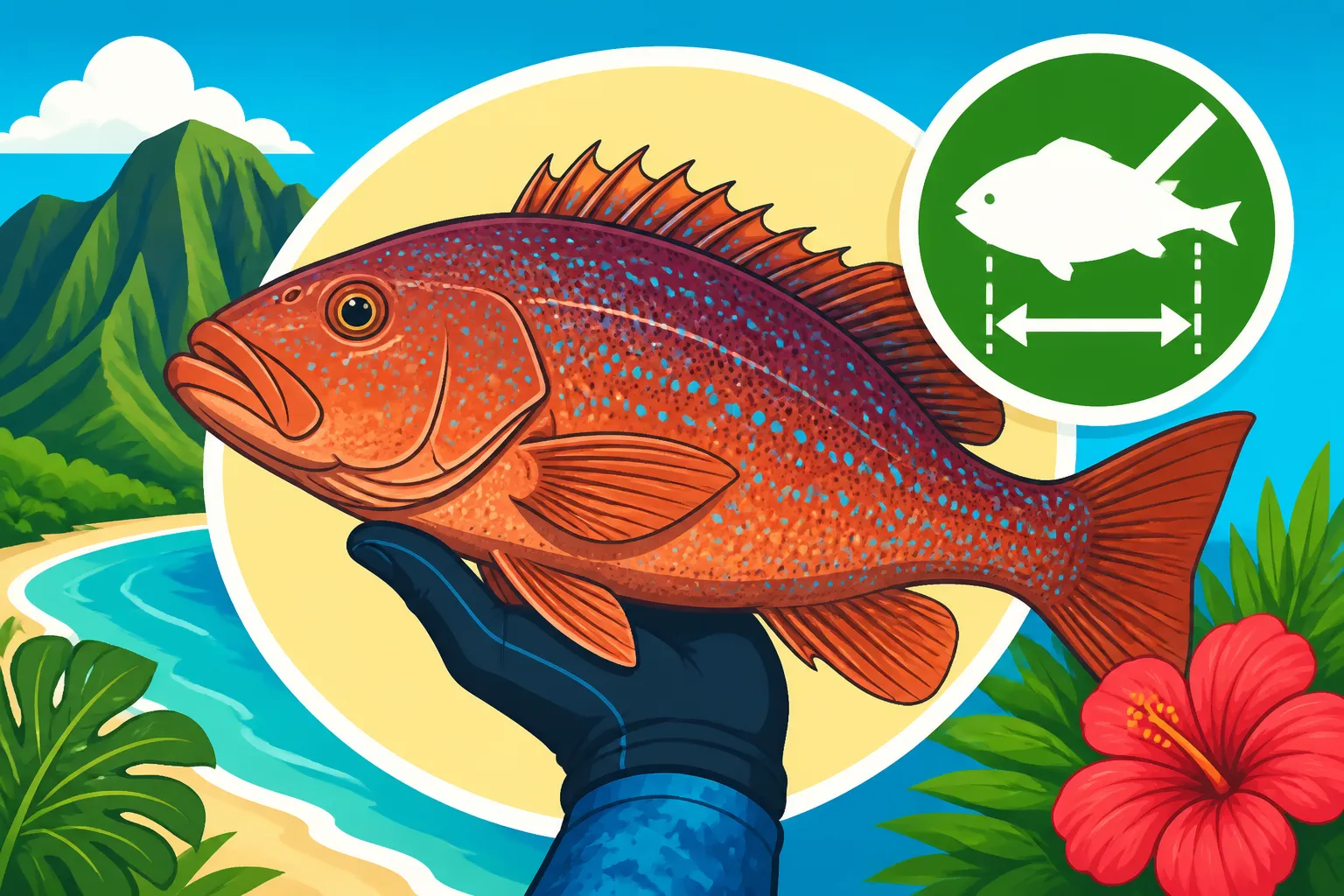
For recreational anglers in Hawaii, most species of weke, commonly known as goatfish, do not currently have a statewide minimum size limit. Yes, you read that right. Unlike some of our more iconic table fish or certain protected species, the Hawaii Department of Land and Natural Resources (DLNR) Division of Aquatic Resources (DAR) has not implemented a specific minimum length requirement for the majority of weke species when it comes to recreational harvest. This can be a huge relief if you've been stressing over whether your recent catch of a gorgeous weke 'ula was long enough.
However, this doesn't mean it's a free-for-all. Fishing in Hawaii always comes with responsibilities, and while a minimum size might not be in place for weke, other crucial regulations, such as bag limits and gear restrictions, certainly are. It's easy to get caught up in the excitement of a bite, but remember, knowing these rules is part of being a responsible angler. To truly understand the broader picture of what's allowed, it's always a good idea to refer to the comprehensive Hawaii Fishing Regulations Explained.
Why Some Species Have Limits and Weke Don't
You might be wondering, "If moi and 'uhu have strict size limits, why not weke?" It’s a valid question that speaks to the complexity of fisheries management. The implementation of size limits, bag limits, and seasonal closures is typically based on scientific assessments of a particular species' population health, reproductive cycle, growth rate, and vulnerability to overfishing.
For species like moi (Pacific threadfin), which are highly prized and historically experienced significant population declines, strict size limits (and even closed seasons) are put in place to ensure enough fish survive to reproductive age and contribute to future generations. Similarly, for 'uhu (parrotfish), which play a vital role in reef health by grazing algae, size limits and other restrictions aim to protect mature breeding individuals. The specific rules for 'uhu, including their unique "ahu'ula" designation for larger fish, are a great example of targeted conservation efforts. If you're curious about another popular reef dweller, understanding the Hawaii Uhu (Parrotfish) Size and Bag Limits can give you a clearer picture of how these regulations protect different species.
Weke, while popular, are generally more abundant and have different life history characteristics that, for now, don't necessitate a minimum size limit across the board for recreational anglers. Their faster growth rates and broader distribution might make them less vulnerable to the same pressures as, say, a slow-growing deep-water bottomfish. However, the situation can change, and regulations are periodically reviewed and updated. That's why staying informed by checking resources like the Hawaii DLNR fishing regulations PDF is key.
Important Bag Limits and Gear Restrictions for Weke
Even without a minimum size limit, bag limits are crucial for weke. These limits dictate the maximum number of fish you can keep per person per day, preventing excessive harvest and promoting sharing of the resource. For example, while specific weke species might not have individual bag limits, the general statewide rule for many unlisted reef fish is often 20 fish total per person per day of any combination of species. This aggregate limit is designed to prevent depletion of common species even if they don't have individual species-specific rules.
It’s also critical to remember gear restrictions. Certain fishing methods, like the use of lay nets in specific areas or spearfishing with SCUBA gear, are either heavily regulated or outright prohibited. For instance, Hawaii Spearfishing Regulations outline what’s allowed and what’s not, ensuring sustainable practices. Always check the specific area you plan to fish, as rules can vary greatly. For example, fishing within Hawaii Marine Life Conservation Districts, Explained will have much stricter rules than general open ocean areas, often including no take zones or restrictions on bait use.
A general understanding of the Hawaii Fishing License Guide for 2026 and whether you even need a license for certain types of fishing (like ocean fishing for residents) is also paramount before you even cast a line.
Identifying Weke and Related Goatfish Species
Hawaii is home to a stunning array of marine life, and it's easy to confuse one fish with another, especially when they share similar characteristics or names. Getting your identification right isn't just a fun fact; it's essential for complying with regulations, especially when species like Kumu (also a goatfish) do have different considerations.
Common Weke Species You'll Encounter
When we talk about "weke" in Hawaii, we're usually referring to a few common species of goatfish. They're all recognizable by their two prominent barbels (whiskers) under their chin, which they use to probe the sandy bottom for food.
- Weke 'Ula (Red Goatfish): This is perhaps the most iconic and frequently caught weke. As its name suggests, it has a beautiful reddish or pinkish hue, especially when fresh out of the water. They're often found in shallow reef flats and sandy areas, making them a common target for shore anglers.
- Weke Nono (Barred Goatfish): These goatfish have a more elongated body and are typically silvery with distinct dark bars or spots along their sides. They also frequent sandy bottoms near reefs, often in slightly deeper waters than weke 'ula.
- Weke Pueo (Owl Goatfish): Named for its large eyes, the weke pueo is another common catch, often found in deeper waters. It tends to be silvery-pink with a distinctive blotch near its tail.
These species are excellent eating fish, highly valued by local communities, and are generally what anglers are targeting when they're "fishing for weke."
Differentiating Weke from Other Goatfish
While all goatfish share those characteristic barbels, there's one species that's often confused with weke but has distinct regulations: the Kumu.
Kumu (Whitesaddle Goatfish): Kumu are highly prized for their firm, white flesh and striking appearance. They typically have a more robust body than many weke species, with a distinctive white saddle-like patch just behind their dorsal fin, usually visible even in the water. They also tend to be a more vibrant red or orange. Critically, Kumu (Goatfish) in Hawaii do have specific recreational bag limits: you're generally only allowed to keep 2 Kumu per person per day, and they must be at least 12 inches in fork length. This is a major difference from the more general bag limits applied to most weke species and highlights why accurate identification is so crucial. Catching a Kumu and treating it like a weke could lead to penalties, so always double-check!
Here’s a quick comparison of common goatfish you might encounter:
| Feature | Weke 'Ula (Red Goatfish) | Weke Nono (Barred Goatfish) | Kumu (Whitesaddle Goatfish) |
|---|---|---|---|
| Minimum Size Limit | None statewide (recreational) | None statewide (recreational) | 12 inches (fork length) |
| Bag Limit | Part of general 20 fish/person/day aggregate limit | Part of general 20 fish/person/day aggregate limit | 2 fish/person/day |
| Appearance | Reddish-pink, common on shallow reefs | Silvery with dark bars/spots, elongated | Vibrant red/orange, distinct white saddle near dorsal fin |
| Habitat | Shallow sandy bottoms, reef flats | Sandy bottoms near reefs, slightly deeper | Reefs, rocky areas, often slightly deeper than weke 'ula |
Correct Identification for Responsible Angling
Making sure you know what you've caught before you decide to keep it is a non-negotiable part of ethical and legal fishing. If you're ever in doubt, it's always best to err on the side of caution. Snap a picture, try to identify it using a reliable fish ID guide (a waterproof one is great to have on hand!), or better yet, release it. Carrying a fish identification guide, which you can easily find on sites like Amazon, can be incredibly helpful for quickly confirming species while out on the water. This habit not only keeps you compliant with the law but also fosters a deeper appreciation for the marine ecosystem you're engaging with.
Best Practices for Sustainable Weke Fishing
Fishing for weke is a deeply rewarding experience, connecting you to generations of Hawaiian fishing traditions. To ensure these traditions continue, every angler plays a part in fishing sustainably. This goes beyond just knowing the rules; it's about adopting practices that minimize your impact.
Handling and Releasing Undersized or Unwanted Fish
Even though most weke don't have a minimum size limit, you might still catch a fish that you deem too small to keep for dinner, or perhaps you've already reached your bag limit. In these situations, knowing how to properly handle and release fish is paramount.
- Minimize Handling: Try to handle the fish as little as possible. Wet your hands before touching it to protect its protective slime coat.
- Quick Release: If you're going to release a fish, do it quickly. Have your dehooking tool ready. Small weke can often be dehooked without even bringing them completely out of the water.
- Support the Fish: If you must hold the fish, support its body horizontally. Don't hold it vertically by the jaw or tail, which can damage its internal organs or spine.
- Revive If Necessary: If a fish seems sluggish, gently hold it in the water, facing into the current, until it regains strength and swims off on its own.
These practices ensure that even the fish you don't keep have the best chance of survival, contributing to healthy fish populations for future generations.
Knowing Your Fishing Spots and Their Specific Rules
Hawaii's waters are beautiful, but they are not uniform in their regulations. What's legal in one area might be strictly prohibited in another. This is particularly true for special management zones.
- Marine Life Conservation Districts (MLCDs): These are areas set aside for the conservation of marine resources. Fishing, collecting, or even disturbing marine life is often severely restricted or completely prohibited. Hanauma Bay on Oahu is a prime example of an MLCD where fishing is generally not allowed. Always check if your chosen spot is within an MLCD.
- Fish Replenishment Areas (FRAs): These zones, particularly prominent in West Hawaii, are designed to protect and enhance reef fish populations. While some fishing might be allowed, there are often specific restrictions on gear, catch, and species.
- Harbors and Piers: While often accessible, many harbors, piers, and designated public fishing areas have their own unique rules regarding fishing hours, gear types, and what species can be taken. For example, some piers might prohibit net fishing or have specific rules about bait.
Before heading out, a quick check with the Hawaii DLNR Division of Aquatic Resources (DAR) website or a local tackle shop can save you a lot of grief. They're often the best source for current, hyper-local rules. For those exploring new areas, an in-depth look at guides like Hawaii Marine Life Conservation Districts, Explained or information on specific locations like Honokohau Harbor Fishing Access can be invaluable.
Where to Find the Official Regulations
The most accurate and up-to-date information always comes directly from the source. For Hawaii, that's the Department of Land and Natural Resources (DLNR) Division of Aquatic Resources (DAR).
- Online Resources: Their website is the primary hub for all regulations, including bag limits, size restrictions, seasonal closures, and special management area rules. You can often find downloadable PDFs of current regulations that you can print and keep in your tackle box or save on your phone.
- DLNR Offices: If you prefer face-to-face interaction or have very specific questions, visiting a local DLNR office can be helpful. They often have printed brochures and knowledgeable staff.
- Local Tackle Shops: These are goldmines of local knowledge. Shop owners and staff are usually avid anglers themselves and can provide practical advice on regulations, local spots, and what's biting. They often carry printed copies of the rules too.
Staying informed isn't just about avoiding penalties; it's about being a part of the solution for preserving Hawaii's unique and vibrant marine ecosystems. Don't forget, if you're ever uncertain about the rules for other species, consulting resources like Hawaii Bag and Size Limits by Species can help clarify specific regulations for a variety of fish.
Essential Gear for Weke Anglers
While weke may not have a minimum size limit for recreational harvest, having the right gear can significantly enhance your fishing experience and make sure you're ready for whatever the ocean throws your way. It’s not just about catching; it’s about preparedness and having the tools to handle your catch responsibly.
Rods, Reels, and Line for Weke
Weke are generally not massive fish, but they can put up a decent fight, especially the larger ones. You don't need heavy-duty offshore gear, but something sensitive enough to feel their subtle bites and strong enough to pull them away from reef structure is ideal.
- Rods: A medium-light to medium action spinning rod, around 7 to 9 feet in length, is perfect for most shore-based weke fishing. This length allows for good casting distance from the beach or rocky points, while the action provides sensitivity for detecting bites. For boat fishing in shallower reefs, a slightly shorter rod, 6-7 feet, might be more manageable.
- Reels: A 2500 to 4000 series spinning reel (like a Shimano Sedona or Penn Battle) spooled with good quality line will balance well with your rod. Make sure it has a smooth drag system, as you might hook into something larger unexpectedly.
- Line: For main line, 10-20 lb braided line is excellent for its sensitivity and casting distance. Pair this with a fluorocarbon leader of similar or slightly heavier strength (e.g., 20-30 lb test). Fluorocarbon is nearly invisible underwater and more abrasion-resistant, which is crucial when fishing around rocks and coral where weke often feed. You can find a wide selection of braided and fluorocarbon lines on Amazon to suit your needs.
Hooks, Baits, and Lures for Goatfish
Weke are primarily bottom feeders, so your approach should cater to that habit. They're not particularly finicky, but presentation matters.
- Hooks: Small to medium-sized hooks are usually best. Circle hooks in sizes #1 to 2/0 are great for minimizing gut-hooking, which is important for responsible catch and release. J-hooks of similar sizes are also common.
- Baits: Weke love natural baits. Popular choices include:
- Limu (seaweed): Believe it or not, some weke species readily take small pieces of green limu.
- Squid: Strips of fresh squid are incredibly effective and widely available.
- Shrimp: Small pieces of peeled shrimp, fresh or frozen, are a goatfish favorite.
- Opihi (limpet): If you can legally gather opihi, their meat is a top-tier bait. Be sure to check Hawaii Opihi Harvest Limits and Size Rules first!
- Crabs and small crustaceans: Small pieces of crab can also entice a bite.
- Lures: While live bait often reigns supreme for weke, small jigs (like soft plastic grubs on jig heads) or even small metal spoons can sometimes work, especially if retrieved slowly along the bottom. The key is to mimic their natural food sources. For bottomfishing in Hawaii, a solid jigging setup is often recommended, and you can explore different jig styles, including those suitable for weke, easily on Amazon. If you're looking for more general bottomfishing strategies, checking out Bottomfishing Techniques for Hawaii might give you some ideas.
Measuring Tools and Other Essentials
Even if there's no minimum size limit for weke, having a measuring device on hand is still a smart move, especially if you plan to target other species that do have limits.
- Measuring Device: A simple tape measure or a marked ruler (often found on tackle box lids or coolers) is essential. For more precise measurements, especially if you're targeting other regulated species like Kumu or Moi, a dedicated fish measuring board can be a valuable tool. Many compact and foldable options are available online.
- Dehooking Tool: As mentioned earlier, a good dehooking tool or needle-nose pliers are crucial for quickly and safely removing hooks, especially when practicing catch and release. This minimizes stress and injury to the fish.
- Cooler with Ice: If you plan to keep your catch, a cooler filled with ice is non-negotiable. It keeps your fish fresh and preserves their quality for the table.
- Sun Protection: Don't forget the Hawaii sun! A good hat, polarized sunglasses (to spot fish and structure), and reef-safe sunscreen are must-haves for any extended fishing trip.
- Fishing License (if applicable): While Hawaii residents are generally exempt from needing a license for ocean fishing, non-residents usually require one. Freshwater fishing always requires a license for most anglers. Always confirm if you need one to avoid Hawaii fishing without a license penalty. For instance, if you're a visitor, understanding the Hawaii Nonresident Marine Fishing License, Explained is crucial.
Having the right gear makes your time on the water more enjoyable and ensures you're prepared for whatever you encounter, from a feisty weke to a surprise kumu. Always remember to check the specific regulations for your target species and fishing location, as rules can vary.
Disclaimer
Please note that fishing regulations in Hawaii are subject to change. While we strive to provide the most accurate and up-to-date information, it is always your responsibility as an angler to consult the official Hawaii Department of Land and Natural Resources (DLNR) Division of Aquatic Resources (DAR) website or their printed regulations before engaging in any fishing activity. This article is intended for informational purposes only and should not be considered a substitute for official legal guidance.