Kealakekua Bay Fishing Rules and Access
Oh, Kealakekua Bay. Just the name conjures images of pristine turquoise waters, vibrant coral reefs, and a history rich with significance for Hawaii. It's a place that draws visitors from all corners of the globe, and naturally, many anglers look at its beautiful, clear waters and immediately wonder: "Can I fish here? What are the rules?" It's a completely valid question, and one that often leads to frustration because the answer isn't a simple yes or no. Navigating the regulations around this iconic bay can feel like deciphering an ancient scroll, especially with its unique protected status. This guide is here to untangle that complexity, explaining exactly what you can and cannot do when it comes to fishing in and around Kealakekua Bay, and how you can still enjoy the incredible marine environment responsibly.
The Allure of Kealakekua Bay for Anglers
Kealakekua Bay isn't just another pretty spot on the Big Island; it's a place steeped in both natural wonder and human history. For anyone with a love for the ocean, the draw is undeniable. The bay's dramatic cliffs, crystal-clear visibility, and vibrant marine ecosystem make it a truly special location. It’s no wonder so many people dream of dropping a line here.
Historical Significance and Marine Life
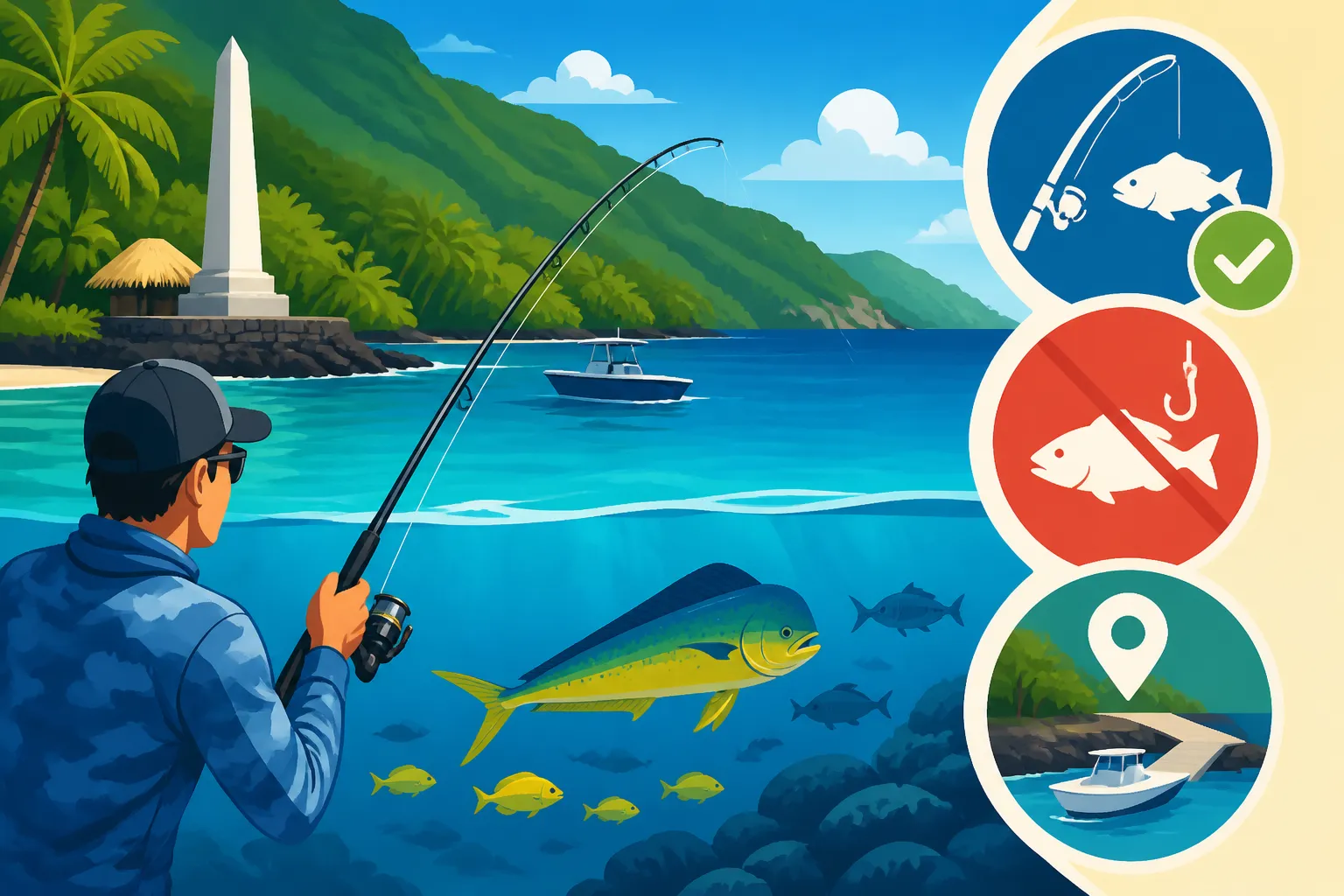
Let's talk history first, because it profoundly shapes how we interact with Kealakekua Bay today. This is the very spot where Captain Cook first made landfall on Hawaii in 1778, and tragically, where he later lost his life. A monument stands proudly on the shore, a poignant reminder of this pivotal moment in Hawaiian history. Beyond the human story, the bay itself is a living, breathing ecosystem. Imagine waters so clear you can see to depths of 30, 40, even 60 feet on a calm day, revealing a kaleidoscope of marine life.
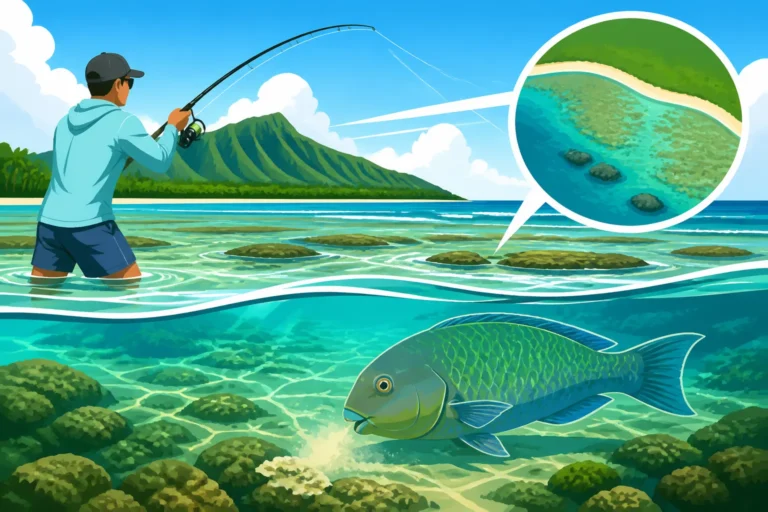
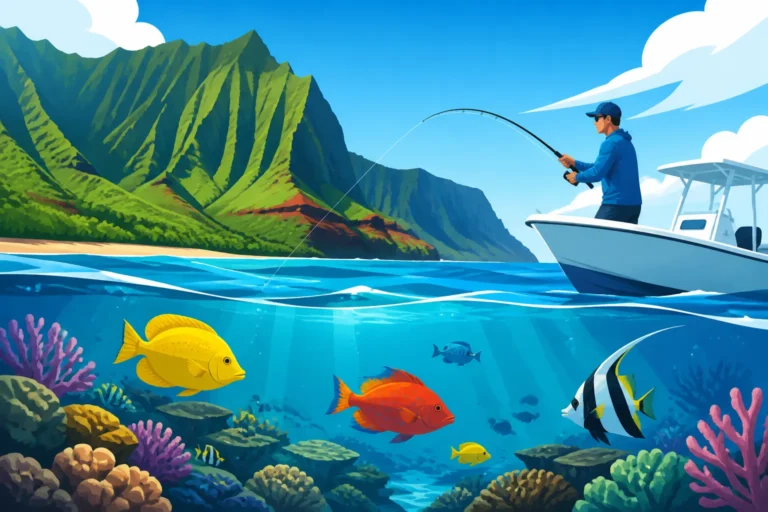
The bay's structure, with its deep depths transitioning to shallower reef flats, creates a perfect habitat for an incredible diversity of fish species. You’ll find everything from colorful reef fish like butterflyfish, tangs, and parrotfish (uhu), to larger predators like ulua (giant trevally) and papio (juvenile trevally), and even pelagic species that occasionally venture closer to shore. The sheer abundance and variety of marine life are simply breathtaking, making it a prime location for snorkeling, diving, and observing nature, even if fishing is restricted.
What Makes Kealakekua Bay Unique for Fishing?
From an angler's perspective, Kealakekua Bay has all the ingredients for a dream fishing spot. The bay forms a natural amphitheater, protected from the strong ocean swells, offering calm, deep waters close to shore. This unique topography means that fish seeking refuge or feeding opportunities congregate here. The sheer depth of the bay, dropping hundreds of feet just a short distance from the shoreline, creates a vertical habitat that attracts a mix of inshore and offshore species.
Moreover, the confluence of currents and the nutrient-rich waters contribute to a thriving food chain. Baitfish schools often seek shelter in the bay, which in turn attracts larger predatory fish. The deep ledges and coral formations provide ample hiding spots and foraging grounds. All these factors combined explain why Kealakekua Bay is such a magnet for marine life and, consequently, for anglers who recognize its potential. However, it's this very uniqueness and richness that led to its special protective designation.
Understanding the Protected Status of Kealakekua Bay
This is where the dream meets reality for many hopeful anglers. Kealakekua Bay's incredible biodiversity and historical significance have earned it a special protective status, making fishing here far from straightforward. It's crucial to understand these designations before you even think about casting a line.
Kealakekua Bay as a Marine Life Conservation District (MLCD)
The most important thing to know is that Kealakekua Bay is designated as a Marine Life Conservation District (MLCD). What exactly does that mean? In Hawaii, MLCDs are specific ocean areas established to conserve and replenish marine resources. They are designed to protect unique habitats, allow fish populations to thrive unmolested, and serve as natural breeding grounds, which in turn can help "seed" surrounding fishing areas. Think of it as an underwater national park where the primary goal is preservation.
For you, the angler, this designation means that many activities that are legal in other parts of Hawaii's waters are either strictly prohibited or heavily regulated within the bay. It's not a complete, blanket ban on all interaction with the marine environment, but it does mean that the default assumption should be "no" unless explicitly stated otherwise by official regulations. Understanding the concept of a MLCD is the first step in navigating Hawaii fishing regulations explained. To learn more about specific MLCDs, you can refer to our guide on Hawaii Marine Life Conservation Districts, Explained.
Specific Prohibitions and Restrictions Within the MLCD
Within the boundaries of the Kealakekua Bay MLCD, most forms of fishing are prohibited. This is where many visitors get caught off guard, often inadvertently breaking rules they didn't even know existed. To be perfectly clear, here are some of the key prohibitions:
- No taking of marine life: This is the big one. It means no fishing, no spearfishing, no net fishing, no collecting of any marine animals or plants, and no taking of any specimens, live or dead (including coral and shells). If it lives or grows in the bay, it stays in the bay.
- No use of fishing gear: This includes rods and reels, throw nets, spear guns, traps, or any other device intended for taking marine life. Simply possessing fishing gear that could be used for prohibited activities while in the bay can raise eyebrows.
- No feeding fish: While it might seem harmless, feeding fish can alter their natural behavior and make them dependent on human interaction, which is detrimental to the ecosystem.
- No anchoring: Anchoring directly onto the reef can cause irreparable damage to delicate coral ecosystems. There are designated mooring buoys for permitted vessels.
These restrictions are strictly enforced by the Department of Land and Natural Resources (DLNR) Division of Conservation and Resources Enforcement (DOCARE). Violations can lead to significant fines and penalties, so it's absolutely essential to be informed. It's not worth risking a run-in with the law for a quick cast.
Table: Kealakekua Bay MLCD Prohibited vs. Permitted Activities (General Overview)
| Activity | Status Within MLCD | Notes |
|---|---|---|
| Fishing (any method) | Prohibited | No taking of any marine life |
| Spearfishing | Prohibited | No spear guns or any spearfishing gear |
| Net Fishing | Prohibited | No throw nets, scoop nets, etc. |
| Collecting Shells | Prohibited | Even dead shells are part of the ecosystem |
| Commercial Use | Highly Restricted/Permitted | Specific commercial operations may be allowed with strict permits (e.g., tours) |
| Swimming/Snorkeling | Permitted | Enjoyment of marine life without touching/taking |
| Kayaking/Paddleboarding | Permitted | Non-motorized recreation, use designated launch/landing points |
| SCUBA Diving | Permitted | Observation only, no taking or disturbing marine life |
| Boat Mooring | Permitted | Only at designated mooring buoys, not anchoring on reef |
Permitted Activities and How to Access Kealakekua Bay
Even with its protected status, Kealakekua Bay isn't entirely off-limits to interaction. It's a place for admiration and observation, and there are ways to experience its beauty, though fishing as you might imagine it is largely absent within the bay itself. Understanding the nuances of access is key.
Shoreline Access and Observation Opportunities
While you can't fish from the shoreline within the MLCD, there are still ways to enjoy the bay from land. The Captain Cook monument area is accessible, though the hike down the Ka'awaloa Trail is steep and can be challenging, especially on the way back up. Many visitors choose to arrive by boat or kayak to the monument area. From the shoreline near the monument, you can observe the bay's marine life, often seeing schools of fish and even dolphins playing in the distance.
It's important to note that the specific boundaries of the MLCD extend from the high water mark outwards, encompassing a significant portion of the bay. If you are keen on shoreline fishing, you would need to be outside the MLCD boundaries, and honestly, for Kealakekua Bay itself, those opportunities are extremely limited to non-existent without traveling to entirely different coastline areas further north or south. These areas, while not in the bay, are still part of the Kona Coast and offer their own unique challenges and rewards for those looking into Best Shore Fishing Spots in Hawaii.
Boat-Based Access and Activities
Boating into Kealakekua Bay is a popular way to experience it, primarily for snorkeling and dolphin watching. However, boat-based fishing within the MLCD is prohibited just like shore fishing. You can bring a boat into the bay, but you must adhere to strict rules, including using one of the designated public mooring buoys rather than anchoring on the reef. These buoys are often limited, especially during peak season, so planning ahead is crucial.
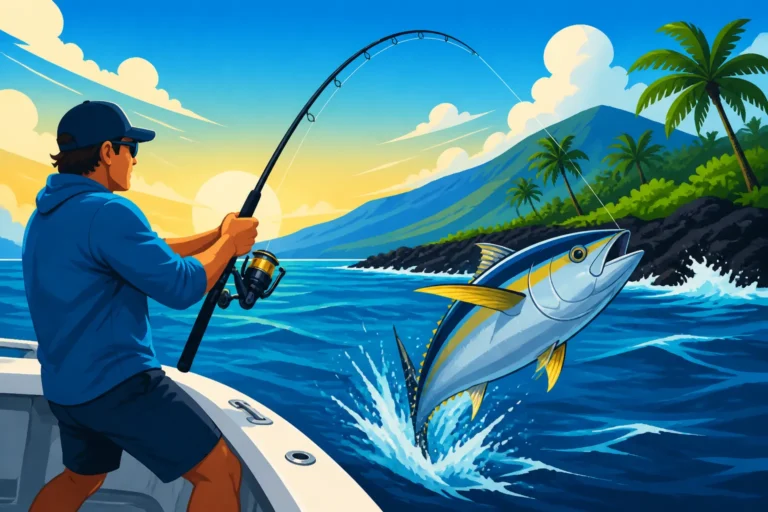
For actual fishing, your boat would need to remain outside the MLCD boundaries. This usually means heading further offshore into the Kona Coast's deep waters where pelagic species like marlin, ahi (yellowfin tuna), and ono (wahoo) cruise. Many excellent fishing charters operate out of Honokohau Harbor, north of Kealakekua Bay, offering guided trips to these productive offshore grounds. If you're looking for that deep-sea fishing adventure, options abound, and you can explore charters through platforms like FishingBooker to find a reputable captain who knows the local waters and rules. They can take you to where the action is, legally and responsibly, in adherence to Hawaii Pelagic Species Bag Limits and Hawaii ahi bag limit rules.
Navigating the Complexities: Practical Tips for Anglers
Understanding the rules for Kealakekua Bay can be a bit disheartening if your main goal was to fish right in its pristine waters. But don't let that deter you from enjoying the incredible Big Island fishing scene. It just means you need to adjust your approach and explore the surrounding opportunities.
Essential Gear and Techniques for Kona Coast Fishing
Since direct fishing in Kealakekua Bay is largely out, let's talk about what you would use for the wider Kona Coast area, both inshore and offshore. The Kona Coast is renowned for its deep-sea fishing, so heavy-duty trolling gear is paramount if you're targeting big marlin, ahi, or ono. Think 50-pound to 130-pound class reels paired with stout rods, rigged with large skirts, lures, or rigged baits. For specific techniques, check out our guide on How to Catch Marlin off the Kona Coast.
For bottomfishing just outside the MLCD boundaries or in other permitted reef areas, you’d be looking at lighter tackle, perhaps 30-pound to 50-pound class outfits, with lead weights appropriate for the depth, and baited hooks targeting opakapaka (pink snapper), onaga (ruby snapper), or uku (gray snapper). Live bait or fresh cut bait like squid or opelu works wonders. Shoreline fishing in other accessible locations would require a sturdy surf casting rod, capable of launching heavy weights and baits into deeper channels, or lighter tackle for whipping for papio and smaller reef fish. It’s all about matching your gear to your target species and location, always keeping local regulations in mind for Hawaii Bag and Size Limits by Species.
Respecting the Environment and Local Culture
Fishing in Hawaii, especially in sensitive areas, goes beyond just knowing the rules; it's about respecting the 'aina (land) and kai (ocean), and the local culture. When visiting Kealakekua Bay or any other part of the islands, embracing a "leave no trace" ethic is fundamental. This means packing out everything you pack in, and ideally, leaving the place better than you found it.
Be mindful of the historical significance of the Captain Cook monument area. This isn't just a tourist spot; it's a place of deep cultural meaning for many Hawaiians. Treat it with reverence. If you encounter local fishermen outside of MLCDs, be polite, observe, and learn. Often, the best way to understand local fishing practices and customs is to watch and ask respectfully. Avoid being intrusive or assuming that public access means you can do whatever you please. Sustainability is key for the future of Hawaii fishing, so always consider the impact of your actions.
Licenses, Permits, and Where to Find Official Information
One of the biggest pitfalls for visitors and even some residents is misunderstanding the licensing requirements and relying on outdated information. Fishing in Hawaii is regulated, and knowing where to get the most accurate, up-to-date information is crucial.
Hawaii Fishing License Requirements
Even if you're only planning to fish in areas outside Kealakekua Bay, but still within Hawaii's waters, you will likely need a fishing license. While historically, a marine fishing license wasn't required for most recreational ocean fishing in Hawaii (a common point of confusion!), recent changes have made a recreational marine license mandatory for non-residents, and even for residents in certain situations or for freshwater fishing. It’s always best to check current regulations.
For freshwater fishing, a license has always been required for both residents and non-residents. Given the strict regulations for Kealakekua Bay, any permitted fishing you do elsewhere on the Big Island will fall under these general licensing rules. Don't get caught without one. Make sure you're properly licensed by consulting resources like the Hawaii Fishing License Guide for 2026 or Do You Need a Fishing License in Hawaii. These guides provide comprehensive details on who needs a license, for what type of fishing, and how to obtain one.
Official Resources for Current Regulations
The best, most reliable source for information on fishing regulations in Hawaii is always the Hawaii Department of Land and Natural Resources (DLNR), specifically its Division of Aquatic Resources (DAR). Their website is the official repository for all rules, including those pertaining to MLCDs, bag limits, size limits, and species-specific prohibitions.
- Hawaii Division of Aquatic Resources (DAR): This is your go-to. They publish detailed rules, maps of MLCDs, and contact information. Always check their site for the most current information before heading out. Regulations can and do change, so what was true last year might not be true today.
- Signage: When you visit areas like Kealakekua Bay, look for official signage posted by the DLNR. These signs will clearly delineate MLCD boundaries and list prohibited activities. Take the time to read them.
Never rely solely on word-of-mouth or outdated forum posts. The DLNR website offers PDFs and online resources that are regularly updated. Taking a few minutes to review these can save you a lot of headache (and potential fines!). It’s also wise to check for any special regulation waters in Hawaii that might impact your plans.
Alternative Fishing Spots Near Kealakekua Bay
So, you've accepted that Kealakekua Bay itself is primarily for viewing, not for fishing. But that doesn't mean your Big Island fishing adventure is over! The Kona Coast is a world-class fishing destination, offering a plethora of options for anglers willing to venture just outside the protected boundaries.
Nearby Productive Shoreline Fishing Areas
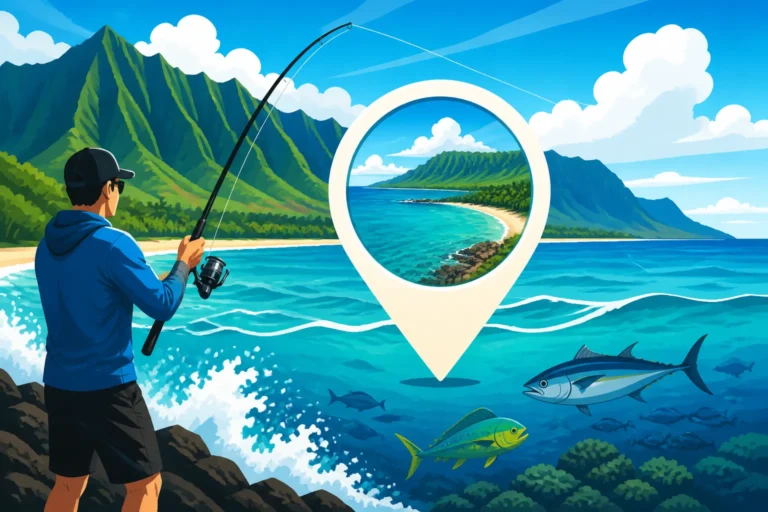
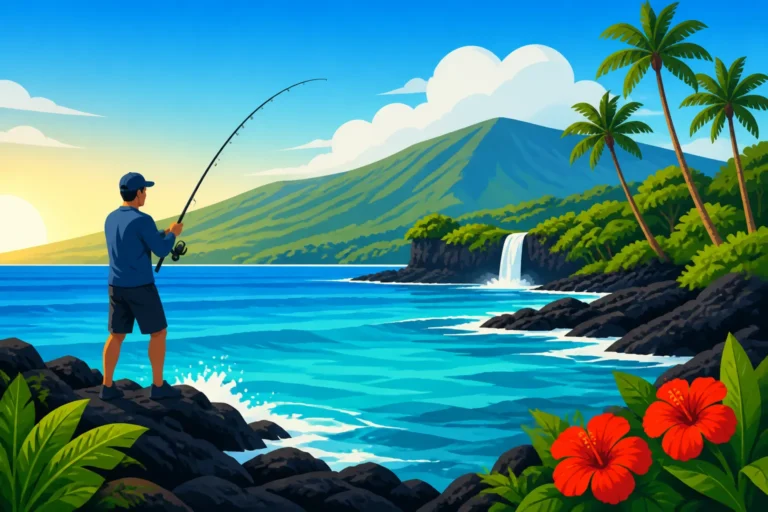
While Kealakekua Bay's shoreline is largely off-limits for fishing, the areas immediately north and south of the MLCD can offer some fantastic opportunities for shore-based anglers. These spots typically feature lava rock coastline, sandy pockets, and reef fringes where you can target a variety of inshore species.
- Pu'uhonua O Honaunau National Historical Park Area (City of Refuge): Just south of Kealakekua Bay, this area, while also culturally significant, has some shoreline access points outside its core protected areas where fishing is permitted with traditional methods. Anglers often target papio, ulua, and various reef fish here. Always be respectful of park rules and cultural sites.
- Honokohau Harbor (North of Kona): While a bit further north, Honokohau Harbor is not just a hub for offshore charters; its surrounding shoreline and jetty areas can offer opportunities for casting. You might find locals whipping for papio or slide-baiting for ulua. This is a great spot to observe local techniques.
- South Point (Ka Lae): Head south, way south, to the southernmost tip of the Big Island. This dramatic cliff-lined coast offers some of the most exciting and challenging shoreline fishing on the island. Be warned, it's rugged, windy, and currents are strong, but the rewards can include big ulua and other powerful fighters. This is definitely one of the Best Shore Fishing Spots in Hawaii for serious anglers.
When exploring these areas, always remember to respect private property, observe "kapu" (forbidden) signs, and practice safe shoreline fishing techniques, especially given Hawaii's strong currents and unpredictable surf.
Offshore Options for Pelagic Species
If your heart is set on landing a trophy fish, the offshore waters of the Kona Coast are where dreams come true. The waters off Kona are legendary for their calm conditions and the rapid drop-off into deep ocean, creating prime habitat for big game fish. Many people come here specifically for Marlin Fishing off the Kona Coast or Ahi (Yellowfin Tuna) Fishing in Hawaii.
- Charter a Boat: This is by far the most popular and often most effective way to experience Kona's offshore fishing. Reputable charter captains know the fishing grounds, the latest patterns, and have all the necessary gear. You can find excellent options through services like FishingBooker, which lists many top-rated charters departing from Honokohau Harbor or other points along the Kona Coast. These charters target:
- Marlin: Blue, striped, and shortbill spearfish are abundant, with "grander" blue marlin (over 1,000 lbs) being a possibility.
- Ahi (Yellowfin Tuna): These powerful fighters are sought after for their incredible sport and delicious meat.
- Ono (Wahoo): Known for their blistering runs and sharp teeth.
- Mahimahi (Dorado/Dolphin Fish): Beautiful, acrobatic, and fantastic eating.
Booking a charter is also a great way to ensure you're fishing legally and sustainably, as the captain will handle all the necessary permits and adhere to all regulations. If you're wondering how to choose a good charter, we have a helpful guide on How to Choose a a Hawaii Fishing Charter. For a general overview of options, consider our Best Fishing Charters in Hawaii guide. The waters off the Kona Coast truly offer some of the Best Deep Sea Fishing Spots in Hawaii in the world.
Disclaimer
Fishing regulations and access policies in Hawaii are subject to change. While this guide provides comprehensive information based on current understanding, it is always your responsibility to verify the most up-to-date rules and regulations with the Hawaii Department of Land and Natural Resources (DLNR) Division of Aquatic Resources (DAR) before engaging in any fishing activities. This guide is for informational purposes only and does not constitute legal advice.