Best Night Fishing Spots in Hawaii
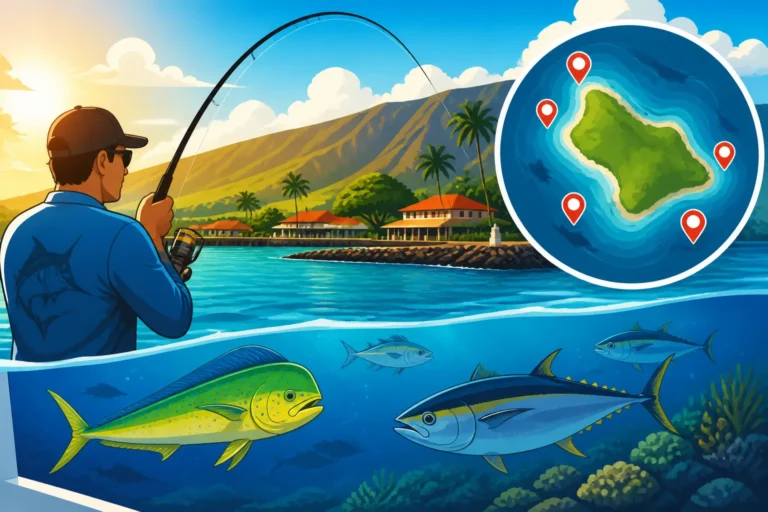
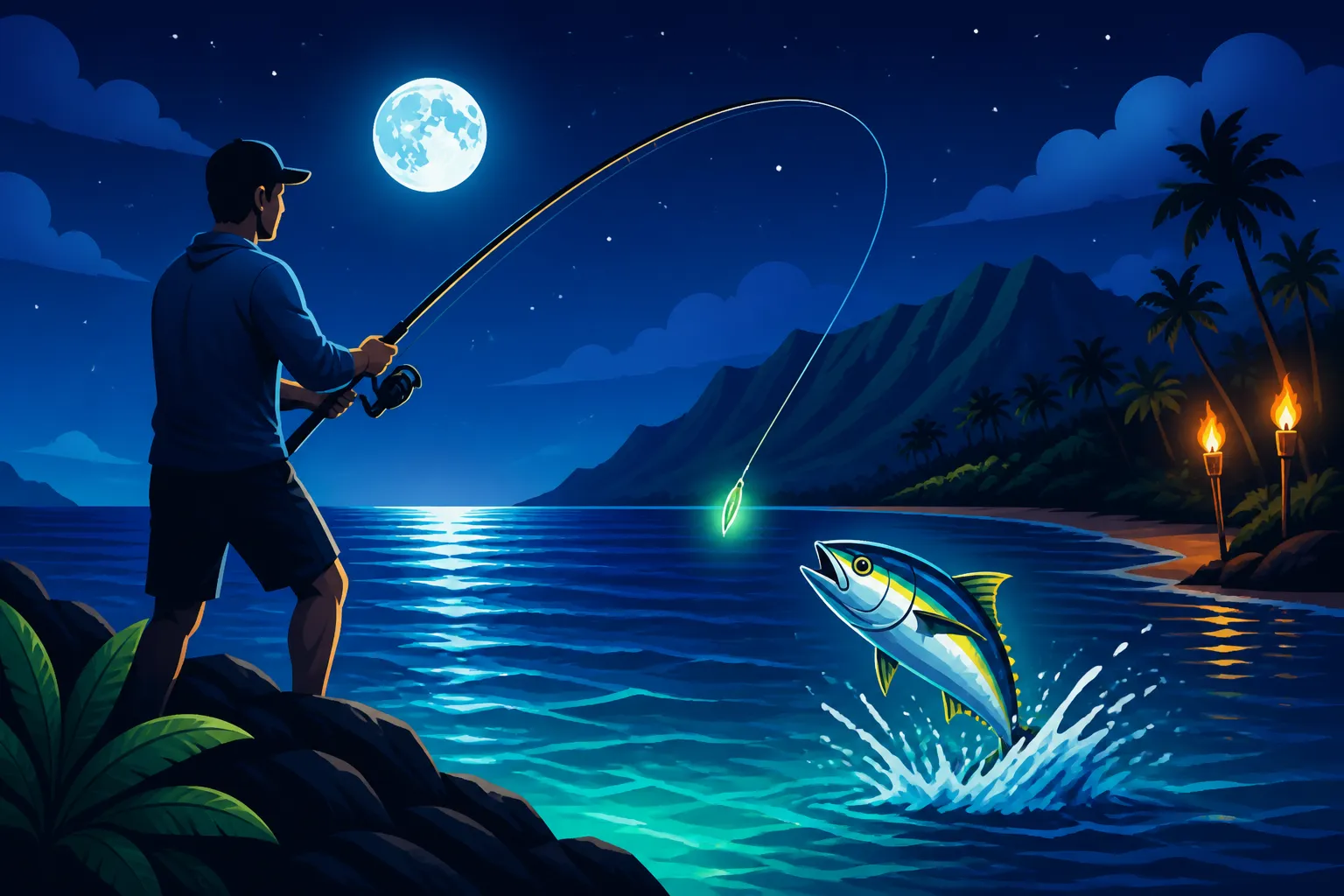
There's something truly magical, and a little daunting, about fishing in Hawaii after the sun dips below the horizon. During the day, our beautiful beaches and harbors can be bustling, making it tough to find that peaceful spot or avoid tangling lines with a dozen other anglers. But when night falls, a whole new world of opportunities opens up. The air cools, the crowds thin, and different species of fish become active. If you've ever felt overwhelmed by the daytime hustle or just want to experience a different side of Hawaiian fishing, this guide is for you. We're going to dive deep into some of the best night fishing spots across the islands, what you can expect, and how to make the most of your moonlight angling adventure.
The Allure of Night Fishing in Hawaii: Why the Darkness Matters
For many anglers, the thought of fishing under the cover of darkness can seem a bit intimidating, but once you experience it, you'll understand its unique charm. Here in Hawaii, night fishing isn't just a novelty; it's a strategic choice that often leads to incredible success and a completely different vibe than any daytime outing.
Escaping the Daytime Crowds and Heat
Let's be real, Hawaii is a popular place, and our most picturesque fishing spots can get pretty crowded during daylight hours. From families enjoying a beach day to other anglers casting their lines, finding solitude can be a challenge. But when the sun sets, a transformation occurs. The beachgoers head home, the casual sightseers vanish, and suddenly, you have a prime stretch of coastline or a tranquil harbor almost entirely to yourself. This isn't just about peace and quiet; it's about having uninterrupted access to the best casting lanes, the prime structural features, and the freedom to move around without worrying about disturbing others. Plus, anyone who's spent a summer day fishing in Hawaii knows how intense that equatorial sun can be. Night fishing offers a welcome reprieve from the heat and harsh UV rays, allowing for a much more comfortable and extended session. You can truly relax and focus on the bite without sweating buckets.
Targeting Nocturnal Hunters and Pelagic Giants
One of the biggest advantages of night fishing is the shift in fish behavior. Many of Hawaii's most prized game fish, especially the big ones, are primarily nocturnal feeders. The darkness provides them cover, allowing them to hunt more aggressively as their prey becomes less visible. Imagine setting up for ulua, also known as Giant Trevally, which are absolute powerhouses. These fish, along with their smaller cousins, papio, are notorious for their nighttime feeding sprees. They move closer to shore, into shallower waters, and become much more active as the ambient light fades. Similarly, many pelagic species that roam offshore during the day, like certain tuna species, are often more approachable or change their feeding patterns under the moon and stars, sometimes rising higher in the water column to feed on baitfish that are also drawn to the surface by artificial light. This change in behavior means you’re often targeting bigger, more aggressive fish that might be shy or deeper during the day. It truly is a different fishery altogether, offering shots at species and sizes you might never encounter during peak daylight hours.
The Unique Ambiance and Challenge
There's an undeniable magic to standing on a dark shoreline, feeling the cool ocean breeze, and hearing nothing but the waves and the occasional hoot of an owl. The stars above Hawaii are simply breathtaking, especially away from city lights, and they add an ethereal glow to your fishing experience. Every splash, every tug on the line, feels amplified in the quiet darkness, creating moments of intense anticipation and exhilarating surprise. It's a test of your senses, too. You rely less on sight and more on feel, sound, and intuition. Your casting becomes more deliberate, your retrieve more attentive. The challenge of navigating in low light, setting up your gear, and landing a powerful fish in the dark adds a layer of satisfaction that daytime fishing can rarely match. It forces you to be more present and connected to the environment, making each catch a truly memorable achievement.
Oahu's Prime Night Fishing Hotspots
Oahu, with its bustling urban centers and wild coastlines, offers a fantastic array of night fishing opportunities. From well-lit harbors to rugged, remote points, there’s a spot for every type of angler once the sun goes down.
Urban Edges and Harbor Lights: Kewalo Basin and Honolulu Harbor
When you think of night fishing, bright city lights might not be the first thing that comes to mind, but Oahu’s urban harbors can be surprisingly productive. Kewalo Basin, located just west of Waikiki, is a prime example. The lights from the docks, nearby restaurants, and streetlights spill into the water, attracting baitfish, which in turn draw in predators. You'll often find papio, small ulua, various trevally species, and even barracuda lurking in these shadows. It’s a great spot for family fishing at night because of its easy access, paved parking, and the general safety provided by the surrounding activity. Just be mindful of boat traffic, especially around the main channels. A little further west, Honolulu Harbor also offers some shore access points where anglers can target similar species. Look for areas with good current flow and structure like pilings or rock walls, which provide ambush points for fish. Using live bait, like opelu or akule if you can catch them, or throwing artificial lures that mimic baitfish under the lights can be incredibly effective here. These spots are particularly good for convenience; you don't need to trek far into the wilderness to find a good bite.
Shoreline Secrets: Sandy Beach and Kaʻena Point
For those seeking a more rugged, less crowded experience, Oahu's wilder shorelines truly shine after dark. Sandy Beach, on the southeastern coast, is legendary for its powerful surf and strong currents. While it's famous for bodyboarding during the day, at night it becomes a hotbed for ulua. The large waves and turbulent water dislodge crabs, eels, and other invertebrates, creating a buffet for these opportunistic feeders. Anglers here often employ heavy tackle and "sliding bait" rigs, using whole dead fish like moi or akule to entice a bite. However, the conditions can be extremely dangerous, especially at night, so extreme caution is advised. Only experienced anglers should attempt night fishing here, and never alone.
Further afield, the remote Kaʻena Point, at the very western tip of Oahu, is another legendary night fishing destination. Accessible by a long, bumpy dirt road or hike, this wild and beautiful area is known for its deep water access close to shore and powerful currents. Here, you're targeting truly monstrous ulua, kahala (amberjack), and even sharks. The sheer isolation and raw power of the ocean at Kaʻena Point demand respect and preparedness. Anglers often fish from high rock ledges, using massive baits and robust surf rods. It’s not for the faint of heart, but the potential rewards are immense. The quiet and profound darkness here, with the Pacific stretching endlessly before you, is an unforgettable experience. Before heading out, make sure you understand the regulations, especially regarding Hawaii Fishing Regulations Explained and Hawaii Bag and Size Limits by Species, as these areas are prime for trophy catches.
Reef Flats and Channels: Kaneohe Bay
On Oahu's windward side, Kaneohe Bay presents a different kind of night fishing environment. This expansive bay, sheltered by a barrier reef, offers calmer waters and numerous reef flats, channels, and mangrove edges that come alive at night. The outgoing tide through the bay's channels can be particularly productive, flushing baitfish out to waiting predators. Here, you might target papio, small ulua, barracuda, and various reef species that become more active under the moon. Kayak anglers often find success paddling out to the edges of the channels or around the numerous small islands within the bay, using lures or live bait. Shore anglers can find access points along the eastern side of the bay, particularly where freshwater streams enter the ocean, creating attractive conditions for fish. The shallower, clearer waters inside the bay make it a great place to hone your night fishing skills before tackling more exposed shorelines. Remember, some areas within Kaneohe Bay might have specific restrictions or be part of Hawaii Marine Life Conservation Districts, Explained, so always check local rules.
Big Island's Deep Water and Coastal Night Opportunities
The Big Island, with its dramatic volcanic landscapes and deep offshore waters, provides a unique canvas for night fishing. From the famed Kona Coast to the wild shores of Hilo, there are diverse environments for nocturnal anglers.
Kona Coast's Offshore Majesty: Honokohau Harbor and FADs
The Kona Coast is globally renowned for its deep-sea fishing, and while marlin and tuna are often targeted during the day, the night can offer its own thrilling opportunities, especially for ahi (yellowfin tuna) and certain bottomfish. Most night fishing here is boat-based, launching primarily from Honokohau Harbor. Offshore, the deep-diving FADs (Fish Aggregating Devices) become magnets for various species after dark. Ahi, for example, are known to feed actively at night, often rising higher in the water column when baitfish are concentrated around lighted boats or the FADs. Anglers will often use chumming techniques or vertical jigging with glow-in-the-dark jigs to entice these powerful tuna. It's a completely different approach than daytime trolling, requiring specialized techniques and a robust boat setup.
If you're considering a night charter, using a service like FishingBooker can help you find experienced captains who specialize in Kona's night fishery. They'll have the right gear, local knowledge, and safety protocols to ensure a successful and memorable trip. Targeting these pelagic species at night under the vast Kona sky, far from any light pollution, is an experience that truly connects you with the raw power of the ocean. While a Hawaii Fishing License Guide for 2026 might not be strictly necessary for passengers on a licensed charter, understanding the specific bag limits like Hawaii Ahi Bag Limit Rules is always a good idea.
Hilo Bay's Accessible Shores
On the Big Island's eastern side, Hilo Bay offers a more accessible and often calmer night fishing environment compared to the rugged Kona coast. The bay's protected waters and numerous access points make it popular for shore-based anglers after dark. The lights from the city and the harbor draw in baitfish, creating ideal conditions for papio, small ulua, barracuda, and even some reef species. Look for areas around the piers, jetties, and rock walls, particularly those with good current flow and structures where fish can hide and ambush prey. Casting artificial lures like poppers or swimbaits, or using live or cut bait, can be effective. Hilo Bay is generally safer and more straightforward for night fishing than exposed coastlines, making it a good option for families or those new to night angling. However, even in calmer waters, it's crucial to be aware of your surroundings, especially if fishing near boat channels.
Remote Lava Flows: South Point (Ka Lae)
For the adventurous angler, the raw, windswept cliffs of South Point, or Ka Lae, the southernmost tip of the U.S., offer some of the most dramatic night fishing in Hawaii. The deep water here is right up against the shore, and powerful currents sweep past, bringing in large pelagic fish close enough to be targeted from land. This is legendary ulua territory, with anglers using massive surf rods, heavy lines, and often sacrificing whole fish as bait, cast hundreds of yards out. The winds can be relentless, and the cliffs are steep and unforgiving, making this a challenging and potentially dangerous spot, especially at night. There are no lights, no facilities, and very few other people.
The sheer isolation and the promise of a truly giant catch draw hardcore anglers here. If you plan to fish South Point at night, meticulous preparation is essential: bring powerful headlamps, extra batteries, sturdy footwear, plenty of water, and always go with an experienced partner. The sense of accomplishment from landing a fish in this wild, primal setting is unparalleled. The remoteness also means minimal light pollution, offering an incredible display of stars that is worth the trip alone, even if the fish aren't biting.
Maui's Moonlight Shores and Boat Access
Maui, often called the "Valley Isle," presents a mix of protected harbors and rugged coastlines, each offering distinct night fishing experiences. Whether you prefer the convenience of a harbor or the solitude of a remote beach, Maui has something to offer once the sun sets.
Busy Harbors After Dark: Ma'alaea and Lahaina
Maui's main harbors, Ma'alaea and Lahaina, transform when night falls. During the day, these are bustling hubs for snorkel tours, whale watching boats, and fishing charters. But as the boats dock for the night, the surrounding waters quiet down and the harbor lights begin to attract baitfish, drawing in predators. Ma'alaea Harbor, located on Maui's central south shore, is a popular spot for night fishing from the jetties and seawalls. Anglers frequently target papio, small ulua, various jacks, and barracuda that patrol the lighted areas. The breakwater here provides structure and shelter, making it a relatively safe and accessible spot for evening fishing. Using live bait, cut bait, or even small artificial lures under the lights can yield good results.
Similarly, Lahaina Harbor on the west side offers easy access to fishing from its piers and surrounding seawalls. While the focus here is often on the scenic sunset, many local anglers know that the action heats up after dark. The deeper water access and proximity to channel openings can bring in larger predators. Both harbors are well-lit, providing a sense of security and making it easier to manage your gear. Always be mindful of active harbor operations and respect any restricted areas. These are excellent spots for an impromptu night fishing trip, offering a chance to catch dinner without venturing into completely unfamiliar territory. For boat-based night fishing options out of these harbors, FishingBooker can assist in finding captains who offer evening or overnight trips.
Secluded Southern Shores: La Perouse Bay
For those seeking a more adventurous and remote night fishing experience on Maui, La Perouse Bay on the southwestern tip of the island is a legendary spot. This rugged coastline, formed by Maui's last volcanic eruption, is characterized by sharp lava rock, tide pools, and deep, clear water that drops off quickly. At night, this area comes alive with predatory fish that move closer to the shore to hunt. Ulua and papio are the primary targets here, attracted by the abundant crabs, eels, and other marine life found in the rocky crevices.
Accessing La Perouse Bay involves a drive down a less-maintained road and often a hike over uneven lava rock, which becomes significantly more challenging in the dark. Powerful headlamps, sturdy shoes, and an understanding of the terrain are absolutely essential. Anglers often fish from elevated lava shelves, employing heavy-duty surf rods and large baits. The isolation means little to no light pollution, offering an unparalleled view of the night sky alongside the thrill of potentially hooking into a massive fish. This area is considered advanced night fishing due to the challenging terrain and powerful ocean conditions. Always go with experienced partners and prioritize safety. The reward is a profound connection to Maui's wild side and the chance at a truly trophy-sized catch. Be sure to check Hawaii Papio and Ulua Size Rules before heading out.
Kauai's Quiet Coves and River Mouths
Kauai, the "Garden Isle," offers a more tranquil and pristine setting for night fishing. Its lush landscapes and less developed coastlines provide secluded spots where you can enjoy the peace of the night and the thrill of the chase.
Nawiliwili Harbor's Lights
Nawiliwili Harbor, Kauai's main commercial port located near Lihue, is a fantastic and accessible spot for night fishing. Similar to Oahu's and Maui's harbors, the lights from the port facilities, nearby docks, and streetlights attract baitfish, creating a productive feeding ground for predatory species after dark. Anglers can find success from the jetties, piers, and shoreline access points within the harbor. Target species often include papio, small ulua, various jacks, and barracuda. The relatively calm waters within the harbor make it a safer and more comfortable environment for night fishing, even for beginners. It's a convenient option if you're staying in or near Lihue and want to squeeze in some evening fishing without a long drive. Live bait, fresh cut bait, or light jigs and lures can all be effective here, depending on what the fish are keying in on.
Hanalei Bay's Calm Waters
On Kauai's stunning North Shore, Hanalei Bay is famous for its picturesque beauty and surf. While daytime sees surfers and beachgoers, at night, the bay's calmer sections and the area around the historic Hanalei Pier can offer excellent fishing. The pier itself, extending into the bay, provides a platform for anglers to reach deeper water without a boat. The pier lights and ambient light from the town can attract baitfish, making it a good spot for papio, small ulua, and various reef species. Shoreline anglers might find success closer to the river mouth, where the outflow creates current and brings nutrients into the bay, attracting fish.
The waters in Hanalei Bay are generally calmer than exposed coastlines, particularly during periods of low surf, making it a more relaxing night fishing experience. It's a great spot for light tackle fishing or simply enjoying the peaceful ambiance of Kauai's North Shore under the stars. Always be aware of any potential currents, especially near the river mouth, and ensure you have proper lighting for safety on the pier.
Poipu's Southern Exposure
Poipu, on Kauai's sunny South Shore, is another fantastic area for night fishing, offering a mix of sandy beaches and rocky outcroppings. The reef system here is extensive, and as night falls, many reef dwellers and larger predators move into shallower water to feed. Shoreline access points along Poipu Beach Park and towards Maha'ulepu Beach can be productive. Anglers often target papio, small ulua, goatfish (kumu, weke), and various snapper species. The key here is to find areas with a good mix of sand and rock, as these transitional zones are where predators often ambush prey.
Using fresh cut bait, live bait if available, or even small bucktail jigs can be effective. Night fishing in Poipu offers a sense of seclusion and the potential for a diverse catch, from delicious reef fish to hard-fighting jacks. While the area is generally safe, always be mindful of the uneven terrain on rocky points and the incoming tide, which can cut off access to certain spots. The stars over Poipu are incredible, making it a truly memorable experience even if the fishing is slow. Consider checking out Hawaii Fishing Season Dates and Closures to see what specific species might be more active when you plan your trip.
Essential Gear and Safety for Night Fishing
Night fishing, while incredibly rewarding, comes with its own set of challenges and safety considerations. Having the right gear and being mindful of your surroundings is paramount for a successful and safe outing.
Illumination and Visibility: Lights and Reflective Gear
This might seem obvious, but proper lighting is your absolute best friend when fishing at night. You'll need more than just your phone's flashlight. A good quality headlamp with adjustable brightness and a red light option is crucial. The red light helps preserve your night vision, which is essential for spotting subtle changes in the water or observing your line without blinding yourself. Always carry extra batteries – you never want to be caught in the dark without them.
Beyond your personal light, consider bringing a lantern or a small floodlight for your fishing station if you're shore fishing. These can help illuminate your tackle box, bait cooler, and immediate surroundings, making rigging and re-baiting much easier. For boat-based night fishing, proper navigation lights are mandatory, and extra deck lighting can enhance visibility for both safety and fishing operations. Furthermore, wearing reflective clothing or attaching reflective tape to your gear can make you more visible to others, especially if you're fishing near roads or boat channels. Safety doesn't stop at just seeing; it's about being seen too.
Tackle for the Night Shift: Rods, Reels, and Baits
While your general fishing tackle might suffice, there are some considerations for night fishing. For shore fishing for ulua and papio, a sturdy surf rod (10-14 feet) paired with a robust spinning reel (size 8000-14000) spooled with 50-80 lb braided line and a heavy monofilament leader (80-150 lb) is standard. Night-feeding predators often hit hard and fast, so durable gear is key. For bait, fresh dead bait like moi, akule, opelu, or even chunks of larger fish like skipjack tuna (aku) are highly effective. Crabs and octopus (tako) are also excellent choices for bottom feeders.
When it comes to lures, consider those with glow-in-the-dark features or reflective properties that will catch the moonlight or the beam of your headlamp. Poppers, stickbaits, and metal jigs can all be effective. Some anglers swear by dark-colored lures at night, as they create a more distinct silhouette against the lighter sky or water surface. For freshwater night fishing in reservoirs like Wahiawa, where peacock bass or largemouth bass might be active, dark-colored swimbaits, large spinnerbaits, or topwater frogs fished slowly can draw aggressive strikes. The choice of tackle ultimately depends on your target species and fishing style, but durability and reliability become even more important when you can't clearly see every nuance of your equipment. For insights on specific gear, you can check out guides like How to Catch Ulua from Shore or Night Fishing for Ulua in Hawaii.
Staying Safe and Respectful After Dark
Safety is paramount when fishing at night. Always inform someone of your fishing plans – where you're going, who you're with, and when you expect to return. Never fish alone in remote or dangerous areas. Be acutely aware of your surroundings; the darkness can hide uneven terrain, slippery rocks, and unexpected drops. Sturdy, closed-toe shoes with good grip are a must. Carry a fully charged cell phone, a basic first-aid kit, and enough water and snacks.
Beyond personal safety, be respectful of the environment and other people. Pack out everything you pack in, leaving no trace. Be mindful of noise levels, especially if fishing near residential areas. If you encounter wildlife, give them space. Remember that many areas, especially some of the more picturesque spots, are sacred to native Hawaiians, and respectful behavior is always appreciated. Understanding Hawaii Shoreline Fishing Rights and Public Access Rules can also help you navigate different locations respectfully.
Navigating Regulations and Planning Your Night Trip
Before you even tie a knot, understanding the local regulations and planning your trip with precision is crucial for a successful and legal night fishing adventure in Hawaii.
Understanding Bag Limits and Protected Species
Hawaii's unique marine ecosystem is carefully managed, and regulations are in place to ensure its sustainability. This means that even at night, you need to be aware of what you can and cannot keep, and how much. The Hawaii Department of Land and Natural Resources (DLNR) Division of Aquatic Resources (DAR) sets specific bag limits and size restrictions for various species. For instance, ulua and papio have minimum size limits, and certain species like moi have closed seasons to protect spawning populations.
Hawaii Night Fishing Regulations Snapshot
| Species (Common Name) | Minimum Size Limit | Daily Bag Limit | Specific Restrictions/Notes |
|---|---|---|---|
| Ulua (Giant Trevally) | 10 inches fork length | 10 fish (all trevally species combined) | No closed season. Note: Many anglers practice catch-and-release for larger ulua as they can carry ciguatera. |
| Papio (Small Trevally) | 10 inches fork length | 10 fish (all trevally species combined) | No closed season. Often abundant in harbors and nearshore reefs. |
| Moi (Pacific Threadfin) | 11 inches total length | 10 fish | Closed Season: June, July, August. Absolutely no harvest during these months. |
| Ahi (Yellowfin Tuna) | No minimum size limit | No daily bag limit for recreational anglers | Commercial limits apply. Keep an eye on Hawaii Ahi Bag Limit Rules. |
| Ono (Wahoo) | No minimum size limit | No daily bag limit for recreational anglers | |
| Mahimahi (Dolphin Fish) | No minimum size limit | No daily bag limit for recreational anglers | |
| Uhu (Parrotfish) | Varies by species, generally 12 inches total length | Varies by species, generally 2 fish per species per day | Hawaii Uhu (Parrotfish) Size and Bag Limits are complex; check specific species. |
| Opakapaka (Pink Snapper) | 1 pound or greater | 5 fish per day | Often targeted in deeper waters offshore. |
| Onaga (Ruby Snapper) | 1 pound or greater | 5 fish per day | Often targeted in deeper waters offshore. |
Disclaimer: This table provides a snapshot and is not exhaustive. Regulations can change. Always consult the most current Hawaii DLNR-DAR regulations before fishing.
It's your responsibility to know these rules. Fishing for protected species, or keeping undersized fish, can result in significant fines and penalties. Familiarize yourself with guides like Hawaii Fishing Regulations Explained to stay on the right side of the law. Also, be aware of Marine Life Conservation Districts (MLCDs) and Fish Replenishment Areas (FRAs), which have strict fishing prohibitions or restrictions. Fishing in an MLCD at night could lead to serious legal trouble.
Checking Weather and Tides
Weather and tides are always important for fishing, but even more so at night. Strong winds, heavy rain, or large swells that might be manageable during the day can become extremely hazardous when visibility is low. Always check the marine forecast before heading out. Look for calm winds, minimal swell, and no adverse weather warnings. Pay close attention to the tides, especially if you're fishing rocky shorelines or reef flats. A rising tide at night can quickly cut off your escape route, while a strong outgoing tide might make certain areas unfishable or unsafe.
For many night-feeding fish, a rising or falling tide can trigger a bite, as it moves baitfish and creates current. Understanding the Best Time of Day to Catch Ulua often ties directly into tide charts. Plan your trip around favorable tidal movements, ensuring you have enough time to safely set up, fish, and pack out before conditions deteriorate or the tide changes dramatically. Use reliable weather apps and tidal charts, and if in doubt, err on the side of caution. No fish is worth risking your safety.
Considering a Guided Night Fishing Experience
If the idea of navigating Hawaii's night fisheries feels a bit overwhelming, or if you're simply looking for an enhanced experience, consider booking a guided night fishing trip. This is especially true for offshore opportunities, like targeting ahi from a charter boat off Kona, or for tackling challenging shorelines for ulua. A professional guide or charter captain brings invaluable local knowledge – they know the best spots, the optimal times, the most effective techniques, and critically, how to keep you safe in the dark.
For offshore adventures, a charter boat will be equipped with all the necessary safety gear, navigation equipment, and specialized fishing tackle for night operations. They can take you to productive FADs or deep-drop spots that would be impossible to access safely on your own. For shore-based experiences, a knowledgeable local guide can lead you to productive stretches of coastline, teach you specific casting techniques for the dark, and help you identify potential hazards. Services like FishingBooker are excellent resources for finding and booking reputable night fishing charters and guides across Hawaii. They allow you to compare options, read reviews, and find an experienced captain or guide who matches your preferences and target species, ensuring a memorable and safe night out on the water. It’s an investment that can significantly increase your chances of success and provide peace of mind.
Disclaimer
The information provided in this guide is for general informational purposes only. Fishing regulations, conditions, and accessibility can change rapidly in Hawaii. Always consult the most current regulations from the Hawaii Department of Land and Natural Resources (DLNR) Division of Aquatic Resources (DAR) before engaging in any fishing activity. Always prioritize your safety and never fish in conditions that you deem unsafe. The author and publisher are not responsible for any accidents, injuries, or legal issues that may arise from using this information. Fish responsibly and sustainably.