Best trout fishing spots at Kokee
Navigating the unique freshwater fishing opportunities in Hawaii can feel like a secret handshake among locals, especially when it comes to the highly anticipated trout season in Kokee State Park on Kauai. Unlike the vast ocean fisheries, Kokee offers a distinct, high-elevation experience that can be tricky to pinpoint if you don't know where to start. This guide aims to pull back the curtain on the best spots, essential gear, and local knowledge you'll need to successfully chase rainbow trout in Hawaii's only dedicated trout fishery.
Getting Started with Kokee Trout Fishing
Before you even think about casting a line, understanding what makes Kokee special and what foundational requirements you need to meet is crucial. It’s not your typical tropical fishing excursion; it’s an alpine adventure with its own set of rules and rewards.
The Unique Appeal of Kokee's Fishery
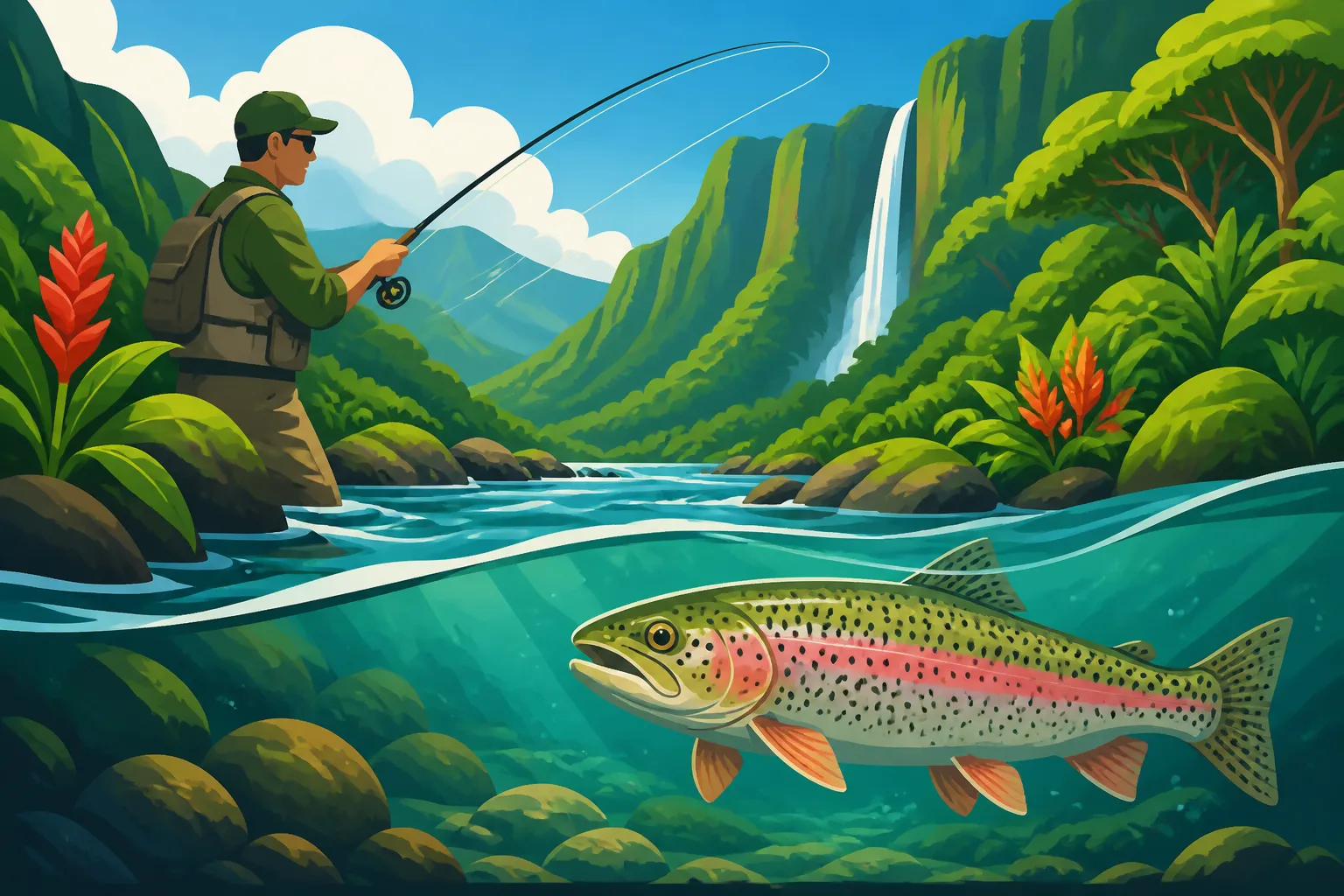
Kokee State Park, nestled high in the mountains of Kauai, offers a truly unique fishing experience. When most people think of Hawaii fishing, their minds drift to deep-sea marlin or bonefish on sun-drenched flats. But here, amidst towering ʻohiʻa forests and cool, misty air, lies a thriving population of rainbow trout. These fish aren't native, of course; they're stocked annually by the Hawaii Division of Aquatic Resources (DAR), providing a thrilling, if brief, freshwater season. The sheer novelty of catching trout in Hawaii, combined with the stunning natural beauty of Kokee, makes it an unforgettable experience.
Imagine the crisp mountain air, the scent of damp earth and pine, and the sound of a babbling stream – a stark contrast to the beach scene just miles away. This environment demands a different kind of angling approach, one that rewards patience, stealth, and a keen eye for subtle takes. It’s a chance to escape the crowds and connect with a different side of Hawaii's natural wonders, all while pursuing a feisty game fish that provides excellent sport. For many residents and a handful of intrepid visitors, the opening day of trout season here is a highly anticipated event, a community tradition that speaks to the diverse fishing culture of the islands. You can learn more about the specifics in our detailed guide on the Rainbow Trout: Hawaii's Only Freshwater Trout Fishery.
Essential Licensing and Seasonal Details
One of the biggest hurdles for new anglers in Kokee is understanding the regulations. First and foremost, you absolutely need a freshwater fishing license. This isn't optional, and enforcement is quite common in the area. The good news is that acquiring one is straightforward, and whether you're a resident or a visitor, options are available. Be sure to consult our comprehensive guide, Hawaii Freshwater Fishing License and Rules, for all the details on how to obtain one, including information on Hawaii freshwater license cost for residents and Hawaii freshwater license cost for nonresidents. It’s important to note that these licenses are specifically for freshwater game fishing and are different from marine fishing permits.
Beyond the license, timing is everything. Kokee's trout season is strictly limited, typically opening in early August and running only for a few weeks, sometimes into September, depending on conditions and stocking levels. The season dates are usually announced by the Department of Land and Natural Resources (DLNR) well in advance. Fishing outside of these designated dates is illegal and heavily penalized. The Hawaii Kokee Trout Fishing Season Dates article provides specific annual information. There are also specific bag and size limits, which can vary slightly year to year, so always check the latest DLNR regulations before heading out. Anglers must also be aware of specific age requirements, as detailed in Hawaii Freshwater License Age Requirements, and potential exemptions discussed in Hawaii fishing license age exemptions summary.
Prime Trout Fishing Locations within Kokee State Park
Kokee State Park isn't just one big fishing hole; it comprises several distinct areas, each offering a slightly different challenge and opportunity for anglers. Knowing these spots and their nuances can significantly increase your chances of success.
Puʻu Lua Reservoir – The Main Event
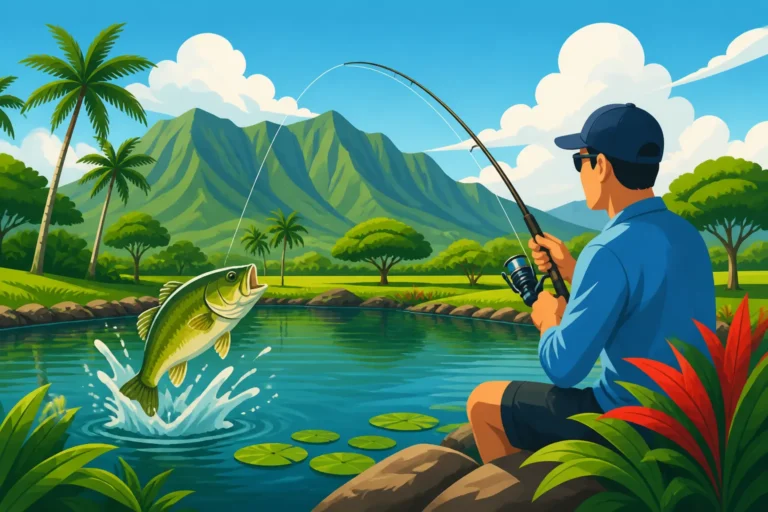
When people talk about trout fishing in Kokee, the Puʻu Lua Reservoir is often the first place that comes to mind, and for good reason. This relatively small, scenic reservoir is the primary stocking location for rainbow trout and is generally the most accessible and productive spot, especially early in the season. Its calm waters make it an excellent choice for anglers of all skill levels, from families with young children to seasoned fly fishers. The reservoir itself is ringed by lush vegetation, with some cleared banks providing easy casting access.
The trout here tend to congregate around the edges and deeper sections, especially where there's some submerged structure or a slight drop-off. Mornings and late afternoons are typically the most productive times, as the fish are more active in cooler temperatures. When the season first opens, the fish can be quite aggressive due to their recent stocking and less pressure, but they quickly become wary. Pay attention to any surface activity, like rises or dimples, which indicate fish feeding on insects or other small prey. The reservoir is part of the broader Kokee Public Fishing Area Guide, but it definitely stands out as the most popular choice.
Stream Sections – Hidden Gems
While the reservoir gets a lot of attention, the various stream sections within Kokee State Park offer a more challenging but incredibly rewarding experience for those who prefer moving water. Streams like the Mohihi, Waiʻalae, and Kawaikoi are all tributaries that feed into the larger Waimea River system, winding through dense forest and offering classic small-stream trout fishing. These areas require more hiking, stealth, and precise casting, but they often yield wilder, more wary fish. Because the streams are smaller and sometimes overgrown, ultralight tackle and fly fishing are particularly effective here.
Accessing these stream sections often involves navigating hiking trails, which can be muddy and slippery, especially after rain. It’s not uncommon to hike for an hour or more to find a secluded pool or a stretch of riffles where trout might be holding. Look for deeper pools behind rocks, undercut banks, and areas where currents merge or slow down. These are prime ambush points for trout. The fish in the streams, having to contend with currents and natural prey, tend to be leaner and more powerful fighters. Remember, these are often Hawaii Catch and Release Only Freshwater Waters or have very specific harvest rules, so double-check the latest regulations for each stream section you plan to visit.
Other Accessible Spots
Beyond the primary reservoir and main stream systems, Kokee offers a few other areas that might hold trout, though they might not be specifically stocked or as widely publicized. Small ponds or slower-moving sections of streams that connect to the larger network can sometimes hold resident trout that have survived previous seasons or moved downstream from stocked areas. These spots often require more exploratory effort but can lead to delightful surprises.
Sometimes, simply walking the banks of Puʻu Lua Reservoir and observing where others are fishing, or looking for tell-tale signs of fish activity, can lead you to a productive "secret" spot. While not explicitly advertised as fishing areas, some anglers have found success in the various culverts and slower eddies near bridges or road crossings, particularly during periods of higher water flow. These areas often provide temporary shelter and food sources for transient trout. Always be mindful of private property, which is rare but exists, and adhere to all Hawaii fishing license for state park waters guidelines.
Strategies for Success on Kokee's Waters
Catching trout in Kokee, especially as the season progresses and the fish become more educated, requires more than just a license and a rod. It demands specific gear, thoughtful techniques, and an understanding of the local conditions.
Recommended Gear and Tackle
For the Puʻu Lua Reservoir, a light to medium-light spinning rod (6-7 feet) paired with a small spinning reel spooled with 4-6 lb monofilament or fluorocarbon line is a solid all-around choice. This setup allows for accurate casting of small lures and baits while still having enough backbone to handle a feisty trout. If you're targeting the stream sections, an ultralight setup is often preferred, allowing for delicate presentations in tighter quarters.
Fly fishing is also incredibly popular and effective, especially in the streams. A 3- to 5-weight fly rod with a floating line and a 7.5-foot leader tapering to 4-6 lb tippet is ideal. Don't forget a small net for landing fish, as the banks can be steep and slippery, and a pair of polarized sunglasses will help you spot fish holding in the water. A good pair of waterproof hiking boots or wading shoes is also essential for navigating the often-muddy trails and stream banks. For those looking to dive deeper into equipment, consider connecting with local guides through platforms like FishingBooker, who often have specialized knowledge of the best gear for Kokee's unique conditions, even if the platform primarily caters to saltwater charters, they may have contacts for local freshwater experts.
Best Techniques and Baits
When it comes to techniques, variety is key. For the reservoir, casting small spinners like Rooster Tails or Panther Martins in sizes #0-2, or tiny spoons in silver, gold, or brass finishes, can be very effective. Soft plastic baits like Berkley PowerBait or Gulp! dough, fished on a small hook with a sliding sinker setup, are also perennial favorites, especially for newly stocked fish. Live baits such as worms or small crickets can also produce bites, particularly when fished under a bobber near drop-offs.
In the streams, a more subtle approach is usually best. Small inline spinners, especially those with natural patterns, can work well. Fly fishing, however, truly shines here. Dry flies mimicking local insects like caddis or small mayflies can be productive during hatches, but often nymphs (Pheasant Tail, Hare's Ear, Prince Nymph) fished under an indicator or even small streamers (Woolly Bugger) will get more consistent action. Learning How to catch trout right after Kokee's season opens often involves using these more aggressive techniques. Remember, the fish in the streams are more sensitive to commotion, so approach quietly and cast accurately. Our article on Best bait for opening day at Kokee offers even more specific recommendations.
Reading the Water and Environmental Factors
Understanding how environmental factors influence trout behavior is paramount. Water temperature, clarity, and flow rate all play a significant role. Trout are cold-water fish, preferring temperatures between 50-65°F (10-18°C). During warmer parts of the day, they'll retreat to deeper, cooler water or seek shade under overhanging vegetation or submerged structures. After a heavy rain, the streams might become murky and swollen, making fishing challenging, but as the water begins to clear and drop, the fish often become very active.
Look for areas of moving water that create current breaks, such as behind large rocks, logs, or in eddies. These spots allow trout to rest while waiting for food to drift by. In the reservoir, pay attention to subtle changes in depth, areas where streams feed in, or submerged features visible from the bank. The wind can also play a role, pushing baitfish or insects to one side of the reservoir, creating a feeding opportunity for trout. Paying attention to these subtle cues, a skill often honed by experienced anglers you might consult, can dramatically improve your catch rate and is often key to Best technique for tailwater trout at Kokee.
Kokee Trout Fishing Regulations Table
To help you keep track of the key regulations and season specifics for Kokee, here's a handy overview. Please remember that these are general guidelines, and it's always critical to consult the official DLNR (Department of Land and Natural Resources) website for the most current information before your trip.
| Category | Detail | Important Notes |
|---|---|---|
| Fishing License | Required for all freshwater game fishing. | Purchase online via DAR, or from authorized agents. Different costs for residents/non-residents. |
| Season Dates | Typically opens in early August, runs for a limited period (weeks to ~1 month). | Exact dates announced annually by DLNR. Fishing outside these dates is illegal. |
| Daily Bag Limit | Variable, often 7 rainbow trout per person. | Always verify current year's regulations; can change based on stocking and conditions. |
| Size Limit | Usually no minimum size limit, but check current regulations. | All fish must be kept once caught, up to the bag limit, if no size limit specified. |
| Legal Fishing Hours | Generally sunrise to sunset. | No night fishing permitted for trout. |
| Gear Restrictions | Only rod and reel with artificial lures or bait. | Restrictions may apply to number of hooks, live bait acquisition. Check for specific stream regulations. |
| Fishing Areas | Puʻu Lua Reservoir and designated stream sections (Mohihi, Waiʻalae, Kawaikoi). | Respect private property and "No Fishing" signs. Some streams might be catch-and-release only. |
| Access | Via Kokee State Park roads and designated trails. | Roads can be unpaved and muddy; 4WD recommended in wet conditions. |
Final Thoughts and Respecting the ʻĀina
Trout fishing in Kokee State Park is truly a gem, offering a unique contrast to Hawaii's renowned saltwater scene. It's an opportunity to experience the islands' diverse ecosystems and a chance to engage in a different kind of angling challenge. Whether you're a seasoned fly fisher or a family looking for a memorable outing, the cool, misty mountains of Kauai provide an incredible backdrop for chasing rainbow trout.
Remember that this special fishery relies on careful management and respectful angling practices. Always pack out everything you pack in, adhere strictly to all regulations, and leave no trace. Take only what you're legally allowed and consider practicing catch-and-release for some of your catch, especially if you're fishing in stream sections where wilder populations may reside. Treating the ʻāina (land) with respect ensures that this unique fishing opportunity remains vibrant for generations of anglers to come.
Disclaimer
The information provided in this guide is for general informational purposes only and is subject to change. Fishing regulations, season dates, and access points can vary. Always consult the most current official publications from the Hawaii Department of Land and Natural Resources (DLNR) and the Division of Aquatic Resources (DAR) before planning your fishing trip to Kokee State Park. Adherence to all local, state, and federal laws is the responsibility of the angler.