Best pier fishing spots on Maui
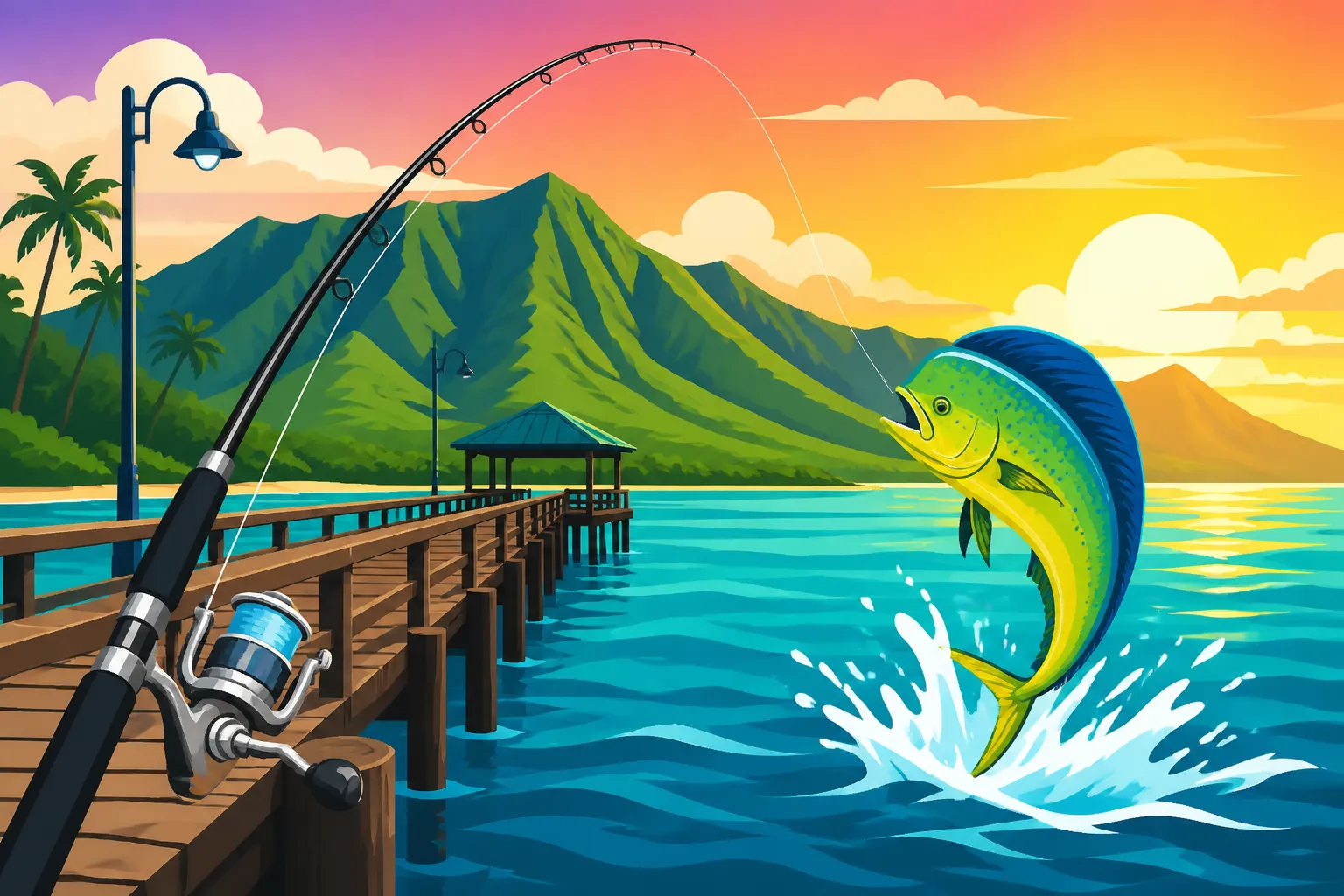
Maui, with its stunning beaches and epic ocean vistas, often conjures images of deep-sea charters chasing marlin or adventurous shore casters tackling huge ulua from rugged lava rock. But for many of us, the simplest, most accessible way to dip a line into those sparkling turquoise waters is from a pier. The challenge, though, is figuring out where to go on Maui without wasting precious vacation time or ending up in a prohibited area. This guide is here to walk you through the best pier fishing spots on Maui, along with practical tips to make your fishing dreams a reality.
Why Pier Fishing on Maui is a Hidden Gem (and a Bit Tricky)
Let's be real, when you think of Hawaii, "pier fishing" might not be the first thing that springs to mind. Unlike some mainland states with vast networks of dedicated fishing piers stretching far into the ocean, Maui's pier scene is a little more… understated. Most of what you'll find are working harbors, boat ramps, and sometimes old breakwalls that locals have adapted for fishing. This can be frustrating for visitors who are used to clearly marked fishing infrastructure. You might drive past what looks like a perfect spot, only to find out it's private, strictly for commercial use, or even part of a sensitive marine life conservation district.
However, this unique setup is precisely what makes Maui's pier fishing a hidden gem. You're not just fishing; you're often right in the thick of local life, watching boats come and go, chatting with experienced local anglers, and soaking in the authentic rhythms of the island. These accessible spots offer a fantastic opportunity to catch common inshore species like papio (juvenile trevally), various types of goatfish (kumu, weke), akule (mackerel scad), and even the occasional o'io (bonefish) or small reef fish, all without needing a boat or a hefty charter fee. It's a chance to connect with the ocean in a more intimate, casual way, often yielding surprising catches and always offering breathtaking views.
Maui's Prime Public Fishing Spots: More Than Just Piers
While Maui might not boast expansive recreational fishing piers like some other destinations, it does offer several fantastic public access points that function as excellent pier fishing grounds. These spots are often bustling with local activity and provide easy entry to productive waters. Remember, it's always a good idea to check the latest Hawaii Fishing Regulations Explained before heading out, as rules can change.
Lahaina Harbor Pier: A Historic Hotspot
The Lahaina Harbor Pier on Maui's west side isn't just a place to catch fish; it's a living piece of history, dating back to the whaling era. Today, it's a vibrant hub for commercial fishing boats, snorkeling tours, ferry services to Lanai, and yes, a popular spot for both local and visiting anglers. The main pier itself and the surrounding accessible areas offer numerous opportunities for casting.
You'll often see locals using light tackle, throwing small lures or bait for a variety of inshore species. The waters here are relatively protected, making it a comfortable spot to fish even on slightly breezier days. Papio are a common target, often caught by whipping small Kastmasters or similar lures. Bait fishing with shrimp, squid, or pieces of fish can also yield results, attracting anything from various types of reef fish to small jacks and even akule if a school moves in. Just be mindful of boat traffic and give the docking vessels plenty of space. Parking can be a bit tricky, especially during peak tourist hours, so plan to arrive early or later in the afternoon. It's a fantastic place to soak in the atmosphere, watch the sunset, and maybe even reel in dinner.
Ma'alaea Harbor: Where the Currents Meet
Located on the central-south coast of Maui, Ma'alaea Harbor is another significant working harbor that offers excellent fishing opportunities from its accessible piers and jetties. Ma'alaea is famously known for its strong tradewinds, which can sometimes make fishing challenging, but these very currents also bring in a rich diversity of marine life. This harbor is a primary departure point for many ocean activities, from whale watching to deep-sea fishing charters, giving it a bustling, authentic feel.
The jetties and accessible sections around the harbor entrance are particularly productive. Anglers here often target papio, various jacks, and smaller reef fish that congregate around the rocky structures and the deeper channels. Live bait, such as small opelu or akule, if you can catch them, can be incredibly effective for larger papio or even ulua. Many anglers also have success with artificial lures, especially during dawn and dusk. The waters just outside the harbor mouth can hold surprising catches, so a longer cast might be beneficial here. Just like Lahaina, respect the working harbor environment and avoid interfering with boat operations. Finding parking is generally easier than in Lahaina, with dedicated lots available. You can also explore options for Best Harbor Fishing Spots in Hawaii if you enjoy this kind of environment.
Kihei Boat Ramp and Jetties: Accessible Shoreline Action
While not a traditional "pier" in the sense of a long wooden structure, the Kihei Boat Ramp area on the south shore of Maui offers excellent pier-like fishing access. This public facility provides multiple concrete ramps for boat launching, but the adjacent rocky jetties and breakwalls are popular spots for shore anglers. The beauty of the Kihei area is its accessibility and the generally calmer, clearer waters, especially in the mornings.
From these jetties, you can target a similar range of species as the larger harbors. Papio are a consistent catch, along with various types of goatfish (like kumu and weke), small snapper, and occasional triggerfish. Bottom fishing with cut bait or shrimp is effective here, as is light tackle whipping with small spoons or plastics. The clear waters make sight fishing a possibility on calm days, allowing you to spot schools of baitfish or even cruising predators. These jetties are also great for families or beginners due to their easy access and relatively calm conditions. Just be careful on the sometimes-slippery rocks, especially after a rain or during high tide. Don't forget to check Hawaii Bag and Size Limits by Species for any fish you intend to keep.
Beyond the Main Harbors: Local Secrets and Breakwalls
Maui also has numerous smaller, less formal public access points that function similarly to piers. These might be short rock walls at various beach parks, accessible sections of breakwaters, or even old landings. These "local secret" spots are often found through word-of-mouth or by simply driving and looking for areas where you see other anglers. Places like those near "Big Beach" (Makena State Park) or along the coastline north of Lahaina sometimes have small, accessible rocky areas that provide good casting platforms.
When exploring these lesser-known spots, always be respectful of private property and residential areas. Look for public access signs or areas clearly marked for public use. Often, the best way to discover these spots is to chat with locals at tackle shops like West Maui Sports & Fishing Supply or Maui Sporting Goods; they are usually happy to share general areas, though specific honey holes might remain secret! Remember to practice "leave no trace" principles, pack out everything you pack in, and respect the natural beauty of the 'aina.
Gearing Up for Maui Pier Fishing Success
You don't need a huge arsenal of expensive gear to enjoy pier fishing on Maui. In fact, keeping it simple is often the best approach. The key is versatility, as you never quite know what might swim by.
Rods, Reels, and Line
For general pier fishing on Maui, a medium-light to medium action spinning rod, around 7 to 9 feet in length, is ideal. This length gives you good casting distance without being overly cumbersome in potentially crowded areas. Pair it with a 2500-4000 series spinning reel spooled with 15-20 lb braided line. Braid offers superior casting distance and sensitivity, which is a huge advantage when trying to detect subtle bites.
Attach a fluorocarbon leader of 15-25 lb test, typically 2-4 feet long. Fluorocarbon is nearly invisible in water, helping to trick wary fish, and it's more abrasion-resistant, a plus when fishing around rocks or pier pilings. For targeting specific species like How to Catch Papio on Hawaii's Shoreline, lighter leaders might be preferred, while for the occasional Ulua (Giant Trevally) Fishing in Hawaii that might cruise by, a heavier leader up to 40 lb test could save the day.
Baits and Lures
Maui's pier fish aren't usually too picky, but having a variety of options helps.
- Natural Baits:
- Shrimp: Fresh, frozen, or even live ghost shrimp (if you can catch them) are universally effective for almost anything that swims.
- Squid: Cut squid strips are durable and catch a wide range of bottom dwellers and jacks.
- Cut Bait: Small pieces of opelu, akule, or even a local reef fish (if legally caught and of legal size) can be irresistible to larger predators.
- Opihi: While primarily a gathering item, small pieces of opihi meat can be potent bait, especially for moi. However, ensure you understand Hawaii Opihi Harvest Limits and Size Rules if you plan to gather them yourself.
- Artificial Lures:
- Spoons: Metal spoons like Kastmasters or similar jigs (1/2 oz to 1 oz) are excellent for whipping papio and akule. Silver, gold, or blue/silver are classic choices.
- Soft Plastics: Small grubs, paddle tails, or jerkbaits rigged on a light jig head (1/8 oz to 1/2 oz) can imitate baitfish and entice a strike.
- Poppers/Walk-the-Dog Lures: For exciting topwater action, especially at dawn or dusk, small poppers can draw aggressive strikes from papio.
- Jigs: Small bucktail jigs or sabiki rigs are fantastic for catching baitfish like akule and opelu, which can then be used as live bait or cut bait.
Essential Accessories
Don't forget the small stuff! A small tackle box with extra hooks (sizes #1 to 2/0), swivels, sinkers (egg sinkers or pyramid sinkers, 1/4 oz to 1 oz), and leader material is crucial. A pair of pliers for hook removal, a small net, a towel, and a cooler with ice (for drinks and your catch) will make your trip much more comfortable. Don't forget sun protection – a wide-brimmed hat, sunglasses, and reef-safe sunscreen are non-negotiable under the Hawaiian sun.
Techniques for Pier Fishing
- Bottom Fishing: This is a classic and effective method. Use a standard high-low rig with two hooks or a single hook rig with a sinker on the bottom. Cast out and let your bait rest on the seafloor. This is great for goatfish, snapper, and various reef species.
- Whipping/Casting Lures: This active technique involves repeatedly casting and retrieving artificial lures to cover ground and trigger reaction strikes from predatory fish like papio. Experiment with retrieve speeds and pauses. For more detail, check out Best Techniques for Whipping for Papio.
- Live Baiting: If you catch some small baitfish with a sabiki rig, use them alive under a float or free-lined with a small weight to target larger fish. This is often the ticket for bigger papio or even the occasional ulua.
- Float Fishing: A small bobber or float can keep your bait suspended at a certain depth, which is effective for schooling fish that are feeding higher in the water column.
Navigating Regulations and Practicing Aloha Aina
Fishing on Maui, whether from a pier or boat, comes with important responsibilities. Understanding and respecting the local regulations and culture, known as "Aloha 'Aina" (love of the land/ocean), is paramount.
Do You Need a Fishing License?
This is a common question, and the answer for marine waters has changed. As of 2024, Hawaii does require a recreational marine fishing license for non-residents. Residents are generally exempt for marine recreational fishing. However, everyone, residents and non-residents alike, needs a license for freshwater fishing. Since pier fishing on Maui is almost exclusively marine, non-residents will need one. You can find all the details, including how to purchase one, in the Hawaii Fishing License Guide for 2026. Always carry proof of your license, whether digital or physical, when fishing.
Understanding Bag and Size Limits
Hawaii has specific bag and size limits for various species to ensure sustainable fishing. These limits are critically important to follow. For example, popular pier catches like papio (juvenile trevally) and ulua (adult trevally) have minimum size requirements. Keeping undersized fish, or exceeding daily bag limits, can result in hefty fines. It's not just about avoiding penalties; it's about respecting the ocean's resources for future generations. A detailed guide like Hawaii Bag and Size Limits by Species can be an invaluable resource to keep handy.
Marine Life Conservation Districts (MLCDs)
Maui has several Marine Life Conservation Districts (MLCDs) where fishing and even gathering can be highly restricted or completely prohibited. These areas are established to protect marine ecosystems and enhance fish populations. Always be aware of your surroundings and consult local maps or the Department of Aquatic Resources (DAR) website to ensure you are not fishing in an MLCD. Fishing in one of these protected areas, such as Ahihi-Kinau Natural Area Reserve (though not typically a pier fishing area), can lead to severe fines and confiscation of gear. Understanding Hawaii Marine Life Conservation Districts, Explained is crucial for any angler.
Practicing Aloha 'Aina and Safety
- Leave No Trace: Pack out all your trash, including discarded fishing line and bait containers. The saying "take only pictures, leave only footprints" applies perfectly to fishing spots.
- Respect Locals: Hawaii has a strong fishing culture, and many spots are cherished by local families. Be friendly, give space, and observe local customs. A simple "Aloha" goes a long way.
- Safety First: Piers and jetties can be slippery, especially near the water's edge or after rain. Wear appropriate footwear with good grip. Be aware of boat traffic in harbors and avoid casting lines where they might interfere with vessels. If you plan to explore more advanced techniques or offshore opportunities, remember that resources like FishingBooker can help you connect with experienced local captains for guided trips, ensuring both safety and adherence to regulations. If you're considering a charter, you might want to look into What to Bring on a Hawaii Fishing Charter to be fully prepared.
- Check Conditions: Maui's weather can change rapidly. Pay attention to wind, waves, and tide charts. Strong winds can make casting difficult and uncomfortable from exposed piers, while large swells can make shoreline access dangerous.
- Fish Responsibly: Consider catch and release for larger or non-target species. If you harvest fish, only take what you need and will consume.
By following these guidelines, you'll not only have a more successful and enjoyable fishing experience but also contribute positively to Maui's fishing community and the health of its precious marine environment.
Pier Fishing Hotspots on Maui: A Quick Reference
To help you get started, here’s a quick overview of Maui’s top pier and pier-like fishing spots.
Pier/Spot Name Location Common Catches Best Time of Day Accessibility/Facilities Notes Now let'The constant challenge for any angler, myself included, is nailing down the perfect timing to hit the water. It's not just about when you have free time; it's about understanding the subtle dance between tides, moon phases, and the feeding habits of fish. In Hawaii, this dance is even more intricate because our near-shore currents and offshore pelagic movements are heavily influenced by these factors. Knowing the best moon phases for fishing in Hawaii can seriously elevate your chances from a hopeful cast to a memorable catch.
Why Moon Phases Matter So Much for Fishing
I know, I know. For some, it sounds a bit like old wives' tales or mystical mumbo jumbo. But trust me, there's solid science and generations of anecdotal evidence behind the idea that the moon, with its gravitational pull, profoundly affects our oceans and the creatures within them. It's not just about the big, obvious tides; it's about subtle changes in current, water movement, and even light levels that can trigger feeding frenzies or shut them down completely.
When the moon is at its fullest or newest, its gravitational pull on Earth is strongest, leading to those dramatic "spring tides." These are characterized by higher high tides and lower low tides, creating more intense water movement and stronger currents. This surge in water movement can stir up the bottom, dislodge baitfish, and generally get the whole food chain moving. Conversely, during the quarter moon phases, the gravitational pull is weaker, resulting in "neap tides" with less extreme tidal swings and calmer waters. Fish react to these changes in predictable ways, making moon phases a crucial piece of the puzzle for any serious angler.
The Full Moon: A Time of Mixed Blessings
Ah, the full moon. It's beautiful, no doubt, lighting up the night sky and making everything feel a bit more magical. For fishing, however, it's a bit of a double-edged sword, especially here in Hawaii.
Intense Tides and Strong Currents
During the full moon, we experience the most extreme tidal fluctuations, meaning stronger currents in our harbors, channels, and around our reefs. For some species, this increased water movement is a massive trigger. Bottom-dwelling fish, like opakapaka and onaga, often become more active as the currents bring food directly to them or stir up benthic organisms. Shoreline species like ulua (giant trevally) and papio might also feed more aggressively as baitfish get disoriented or swept around by the stronger push of water.
I've had some of my most epic fights with ulua during full moon periods, especially when the tide is rushing in or out through a known channel. It's like the fish know the buffet is open. If you're targeting big ulua, you might want to specifically target a Best moon phase for ulua fishing to increase your odds. The downside? These strong currents can make bait presentation challenging, requiring heavier weights or different anchoring strategies.
The Midnight Snack Effect
Another significant factor during the full moon is the sheer amount of light it provides at night. Many predatory fish, like ulua and certain pelagic species, are nocturnal feeders. With a brightly lit ocean, they can hunt effectively through the night. This can mean they're full by dawn, leading to slower fishing during the early morning bite that's usually so productive.
However, for night fishing, a full moon can be incredibly productive, particularly for species that rely on sight. I've seen schools of akule and opelu become very active under a full moon, which, in turn, draws in bigger predators. This period is often considered one of the Best Night Fishing Spots in Hawaii due to the enhanced visibility for both fish and anglers. The trick is to adapt your schedule – sometimes, the best bite isn't at sunrise but hours earlier, right in the middle of the night.
The New Moon: Often the Angler's Best Friend
If the full moon is a mixed bag, the new moon often feels like hitting the jackpot. This is when the moon is completely dark, hidden from view, and aligns with the sun, once again creating powerful spring tides.
The Best of Both Worlds: Strong Tides and Dark Nights
The new moon offers the best of both worlds: strong tidal movements similar to the full moon, but with the added advantage of absolute darkness. This darkness makes nocturnal predators much more reliant on sound and vibration, and they're less likely to be "full" by morning because their night hunting isn't quite as visually efficient.
The early morning bite around the new moon can be absolutely phenomenal. With the strong currents stirring up food and the fish being genuinely hungry after a dark night, they tend to feed with incredible aggression. This applies to a wide range of species, from shoreline papio and ulua to bottomfish and even some pelagic species that venture closer to shore.
Increased Pelagic Activity Nearshore
Many experienced captains swear by the new moon for targeting pelagic species like ahi (yellowfin tuna) and ono (wahoo). The increased current associated with new moon spring tides can concentrate baitfish, making it easier for these fast-moving predators to find their meals. While these are typically offshore pursuits, strong currents can sometimes push bait, and therefore predators, into areas more accessible to nearshore anglers or smaller boats. If you're considering targeting Ahi (Yellowfin Tuna) Fishing in Hawaii, a new moon phase is definitely one to keep an eye on.
Quarter Moon Phases: Stable and Consistent
Between the extremes of the full and new moons lie the quarter moon phases (first quarter and last quarter). These are often referred to as "neap tides," and they bring calmer, less extreme tidal swings.
Less Dramatic, More Predictable
During the quarter moons, the gravitational forces of the sun and moon are at right angles to each other, canceling each other out to some extent. This results in less intense currents and more moderate water movement. While some anglers might prefer the chaos of spring tides, neap tides offer a different kind of advantage: stability and predictability.
For certain species, especially those that prefer less turbulent water or are ambush predators, these calmer conditions can be excellent. Reef fish, in particular, might be more comfortable venturing out from cover. It can also be easier to present baits naturally in less ripping currents, making finesse fishing or targeting specific structures more effective.
Great for Bottom Fishing and Reef Explorations
If you're planning on Bottomfishing in Hawaii or exploring some of our intricate reef systems for species like Kumu (Goatfish) in Hawaii or weke, the quarter moon phases can be very productive. The less aggressive currents make it easier to hold bottom, keep your lines from tangling, and feel those subtle bites. It's often a great time for slower, more methodical fishing, allowing you to thoroughly work a piece of structure without constantly fighting the current. Many anglers find these phases ideal for exploring Best Reef Fishing Spots in Hawaii where precision casting and bait placement are key.
Beyond the Moon: Other Factors to Consider
While moon phases are incredibly influential, they're just one piece of the vast puzzle that is successful fishing in Hawaii. No single factor guarantees a catch, but combining moon phase knowledge with other elements will give you the best shot.
Tides within the Moon Phase
Even within a favorable moon phase, the specific tide matters. Generally, the hour or two before and after a tide change (incoming or outgoing) is often the most productive. These are when the currents are strongest and baitfish are most active. Always consult a local tide chart for your specific fishing location. A full moon or new moon doesn't mean every hour is good, but rather that the windows of good fishing around the tide changes are often amplified.
Weather and Water Conditions
Rain, wind, and swell can drastically alter fishing conditions, sometimes overriding the moon's influence entirely. A sudden heavy rain can muddy up estuaries and nearshore waters, pushing fish offshore. High winds can make casting impossible and fishing unpleasant. Large swells, while exciting for surfing, can churn up the inshore waters and make it dangerous to fish from shore or small boats.
Conversely, a flat, calm day with a favorable moon phase and tide can be absolutely magical. Always prioritize safety and check local marine forecasts before heading out.
Time of Day
Dawn and dusk remain prime feeding times for most fish, regardless of the moon phase. The changing light levels often trigger increased activity. Combining a good moon phase with these "golden hours" can be explosive. If the moon phase suggests a strong bite, trying to be on the water during these transitions is usually a safe bet.
Local Knowledge
Ultimately, there's no substitute for local knowledge. Chat with other anglers, visit local bait and tackle shops, or consider booking a guided trip with a reputable outfit. Experienced local captains and guides, particularly those found on platforms like FishingBooker, spend every day on the water and have an intimate understanding of how moon phases, tides, and local conditions affect fishing in specific areas. They can tell you exactly which Hawaii Fishing Seasons by Month are best for certain species and how those align with lunar cycles.
Conclusion: Embrace the Lunar Rhythm
Understanding the best moon phases for fishing in Hawaii isn't about rigid rules, but about gaining an edge and deepening your connection to the ocean. It's about recognizing the powerful, invisible forces that shape the marine environment and learning to fish with them, not against them. Whether you're chasing papio from a rocky point, jigging for deep-water bottomfish, or trolling for pelagics, paying attention to the lunar calendar can transform a good fishing trip into an unforgettable one. So next time you're planning your Hawaiian fishing adventure, don't just check the weather – check the moon!
Disclaimer
Please note that fishing regulations, including licensing requirements, bag limits, and protected areas, are subject to change by the State of Hawaii Department of Land and Natural Resources (DLNR) Division of Aquatic Resources (DAR). Always consult the most current official Hawaii fishing regulations before engaging in any fishing activity. This guide is for informational purposes only and does not constitute legal advice.