Best reef fishing spots on the Big Island
Oh, the Big Island. When folks think about fishing here, their minds often jump straight to those epic Kona marlin battles out in the deep blue. And don't get me wrong, that's absolutely incredible. But let me tell you, if you overlook the vibrant, teeming world just beneath the surface of our reefs, you're missing out on some truly incredible fishing opportunities. Many anglers get frustrated trying to figure out where to start with reef fishing, given the vast and varied coastline. This guide is all about shining a light on the best reef fishing spots around the Big Island, helping you navigate these complex ecosystems and hopefully land some fantastic catches.
Navigating the Big Island's Diverse Reef Systems for Fishing
The Big Island is, well, big, and its coastline is incredibly diverse. We're talking everything from dramatic lava flows plunging into the ocean to calmer, sandy stretches, and each type of terrain creates unique reef habitats. This means that what works in one area might not be effective in another, and understanding these differences is key to finding success. You've got volcanic rock reefs that create intricate labyrinths for fish, and then you have areas where ancient coral formations have built up over millennia, offering different kinds of structure and food sources. It's not a one-size-fits-all scenario, which is part of the challenge and the charm.
Kona Coast Reefs: Depths and Diversity
The leeward side of the Big Island, particularly the Kona Coast, is famed for its calm, deep waters that quickly drop off close to shore. While it's known for big game, these same characteristics create fantastic reef fishing environments. The steep underwater slopes are riddled with ledges, caves, and pinnacles that are magnets for a wide array of reef species. You'll often find these vibrant reefs starting surprisingly close to shore, making them accessible to both shore anglers and those with smaller boats or kayaks. The constant current here brings in rich nutrients, feeding a thriving ecosystem from the smallest baitfish up to impressive predators.
When you're looking at the Kona side, think about spots like the areas around Honokohau Harbor Fishing Access, where the reef structure begins relatively close to the boat ramps and extends outwards. These are often healthy, thriving reefs that hold a variety of species. You'll find everything from colorful parrotfish (uhu) to various snapper species (like opakapaka in deeper waters) and jacks (papio and ulua) patrolling the edges. It’s also a fantastic place to practice Bottomfishing in Hawaii, where you can target many of these reef dwellers with heavier gear. The clarity of the water on the Kona side is usually exceptional, which means you might need to use lighter leaders and more subtle presentations, especially during the day.
Hilo Side Reefs: Unique Challenges and Rewards
Switching gears to the windward side, around Hilo Bay Fishing Guide, you encounter a completely different environment. The Hilo coast is characterized by black lava rock shores and often rougher, more turbid waters due to the consistent trade winds and rain runoff. This isn't to say the reef fishing isn't excellent; it just requires a different approach. The reefs here are primarily volcanic rock formations, creating incredibly rugged, broken bottom structures that provide ample hiding spots for fish. The lower visibility can actually be an advantage, as fish might be less wary of your lines and lures.
Fishing the Hilo side reefs often means contending with stronger currents and swell, so safety is paramount. You'll want sturdy gear and a good understanding of wave patterns if you're fishing from shore. However, the rewards can be substantial. The abundance of food and shelter attracts some impressive reef inhabitants. You might find larger papio and ulua cruising the turbulent edges, as well as an abundance of goatfish (kumu, weke) and various types of triggerfish. Exploring the shallower bays and protected coves can yield excellent results, especially if you're targeting species that prefer a more sheltered environment. Don't be surprised to find areas teeming with smaller, colorful reef fish, which are not only beautiful to observe but also excellent bait for larger predators.
Remote Reef Systems: Less Pressure, More Adventure
Beyond the easily accessible spots near towns, the Big Island boasts numerous remote reef systems that see far less fishing pressure. These often require a bit more effort to reach, whether by hiking, kayak, or boat, but the payoff can be phenomenal. Think about the wilder stretches of coastline south of Kona or north of Hilo, where undeveloped areas stretch for miles. These pristine environments often hold larger, less wary fish, and the sheer abundance of marine life can be breathtaking. These are the kinds of spots that make you feel truly connected to the wildness of Hawaii.
Venturing into these remote areas means being self-sufficient. Pack plenty of water, food, and emergency supplies. Let someone know your plans and expected return time. The rewards for this extra effort are often an unforgettable fishing experience with healthier, more vibrant reef ecosystems. You might find massive schools of akule or opelu that can be jigged for bait, which in turn attract larger predatory reef fish. These remote reefs are also prime locations for observing marine life in its natural, undisturbed state, offering a truly immersive experience. Just remember, these spots are precious, so always practice responsible fishing, take only what you need, and leave no trace behind.
Prime Shoreline Reef Fishing Locations on the Big Island
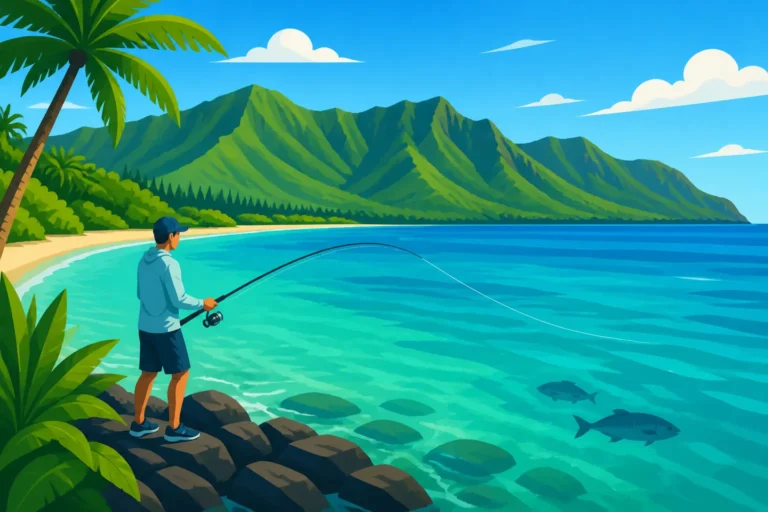
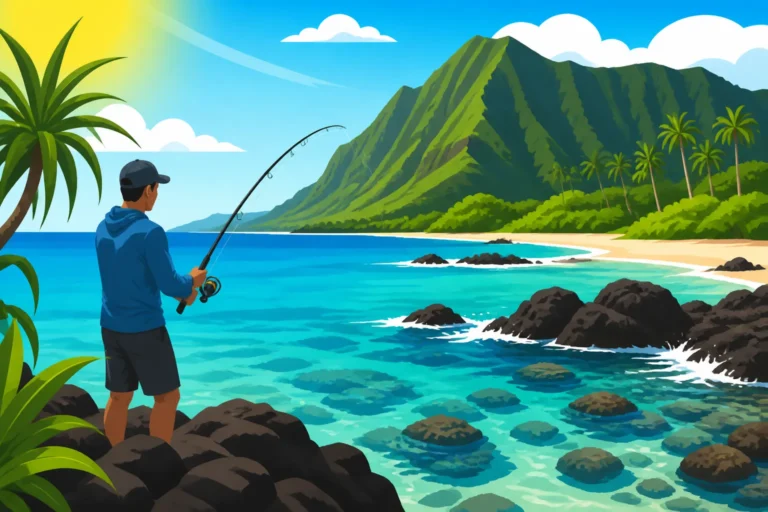
Shoreline fishing on the Big Island's reefs is a deeply cherished tradition, offering incredible opportunities to connect with the ocean without needing a boat. It's an art form, really, combining local knowledge of tides, currents, and fish behavior with specific techniques. The island's volcanic geology means many "shoreline" spots are rugged lava rock, so good footwear and careful footing are essential. But these rocky outcrops provide excellent perches for casting into channels, over ledges, and near turbulent white water where fish love to ambush prey.
Accessible Spots for Every Angler
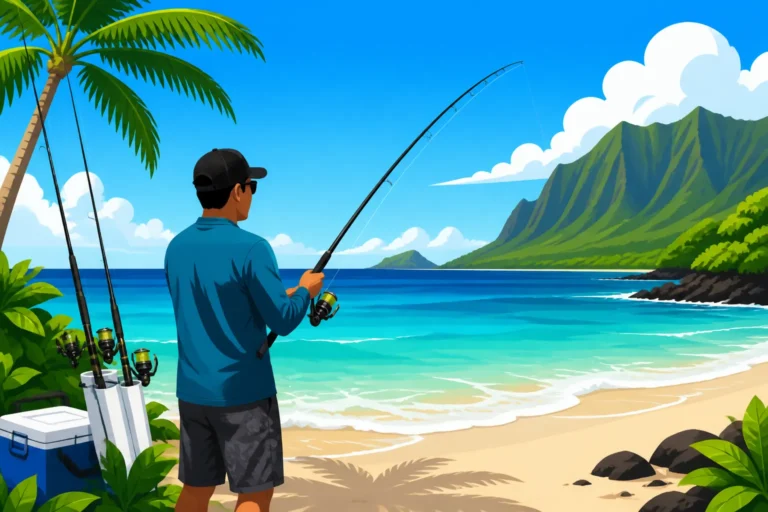
For those looking for easier access, several well-known spots offer great reef fishing without extensive hiking. On the Kona side, the pier at Kailua-Kona (though sometimes crowded) provides access to reef edges that hold papio, small jacks, and various panfish. South Point Ka Lae Fishing Spots, while requiring a bit of a drive, offer unique shoreline access to deep water reefs, where the strong currents bring in a variety of species. Here, you'll often find a mix of smaller reef fish and larger predators moving through. Just be mindful of the currents and slick lava rock. Another good option for shore access is the area around Kekaha Kai State Park, where you can often find good pockets of reef between sandy beaches.
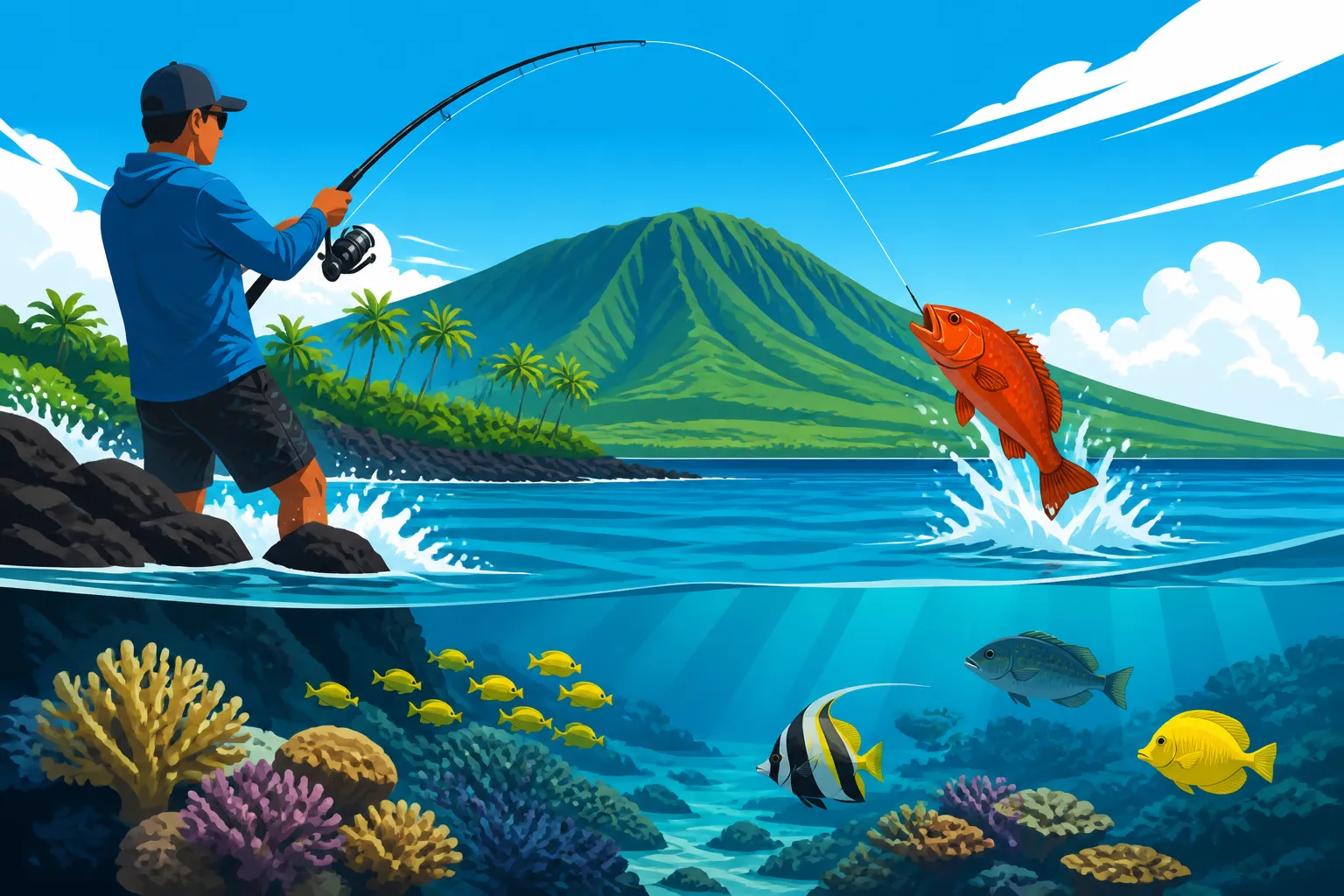
When fishing these accessible spots, look for areas where the waves crash against the rocks, creating white water. This aerated water disorients baitfish and provides cover for predators. Channels between reef sections are also prime locations, acting as highways for fish moving in and out with the tide. Casting small grubs, soft plastics, or spoons can be incredibly effective for papio. For larger reef species, live bait, like small akule or opelu, fished on a sliding rig, can entice bigger fish that patrol these areas. Always pay attention to local signs regarding fishing restrictions, as some areas might be part of a Marine Life Conservation District, meaning strict catch limits or even no fishing at all. For a deeper dive into techniques, check out Shore Fishing Techniques for Hawaii.
Advanced Shoreline Reef Tactics
For the more adventurous and experienced angler, the Big Island offers shoreline reef fishing opportunities that push the boundaries. These involve navigating more challenging terrain, often requiring long hikes or specialized gear to reach secluded honey holes. Locations along the Hamakua Coast, for instance, offer dramatic cliffs and rugged lava fields where untouched reefs flourish. Here, the rewards can be substantial, with less pressured fish and a real chance at a trophy ulua or a sizable kumu. The conditions can be challenging, with powerful swells and strong currents, so absolute respect for the ocean is non-negotiable.
Whipping with artificial lures is a popular and effective method for targeting papio and even smaller ulua from the rocky shoreline. Small jigs, poppers, and subsurface lures can mimic the baitfish that frequent these reefs. For the serious ulua hunter, slide-baiting or balloon fishing with large live baits (like akule, opelu, or even small moi) is the preferred method, targeting those massive jacks that cruise the reef edges at night or during strong currents. This often involves specialized heavy tackle to manage powerful fish in unforgiving terrain. Always remember that safety comes first. Never turn your back on the ocean, and be aware of rogue waves. Understanding Hawaii Fishing Regulations Explained will also be crucial for any advanced shore angler.
Deepwater Reefs and Charter Opportunities
While shoreline fishing on the Big Island's reefs is fantastic, some of the most productive and untouched reef systems lie further offshore, in deeper waters. These are often inaccessible to the casual shore angler but hold incredible potential for those willing to venture out on a boat. These deeper reefs are home to a different class of fish, including some of Hawaii's most prized bottomfish, alongside impressive pelagics that occasionally push into these areas.
Beyond the Surf: Exploring Deeper Reef Structures
Venturing past the immediate shoreline, Big Island reefs continue their incredible formations, dropping into depths that harbor species like opakapaka (pink snapper), onaga (ruby snapper), ehu (red snapper), and gindai (squirrelfish snapper). These "deep 7" bottomfish, as they're often called, reside on rocky ledges, pinnacles, and deep-water drop-offs that mark ancient volcanic activity. These structures are often found at depths ranging from 60 feet to several hundred feet. The areas between Kona and Kohala are particularly known for productive deepwater reef systems. The challenge here is locating these specific structures with sonar and then accurately presenting your bait or jig in often strong currents.
Fishing these deeper reefs requires specialized gear, including electric reels for comfort, heavy braided line, and robust terminal tackle capable of handling substantial depths and powerful fish. Jigging with heavy metal jigs or bait fishing with cut squid, mackerel, or opelu are common and effective techniques. Success often comes down to precise boat positioning over the structure and knowing how to interpret your fish finder. These deepwater reefs are vital ecosystems, and proper fishing practices, including adhering to specific Hawaii Bag and Size Limits by Species for bottomfish, are critical to ensuring their sustainability. Many of these species are slow-growing, making conservation efforts particularly important.
Connecting with Charters for Offshore Reef Access
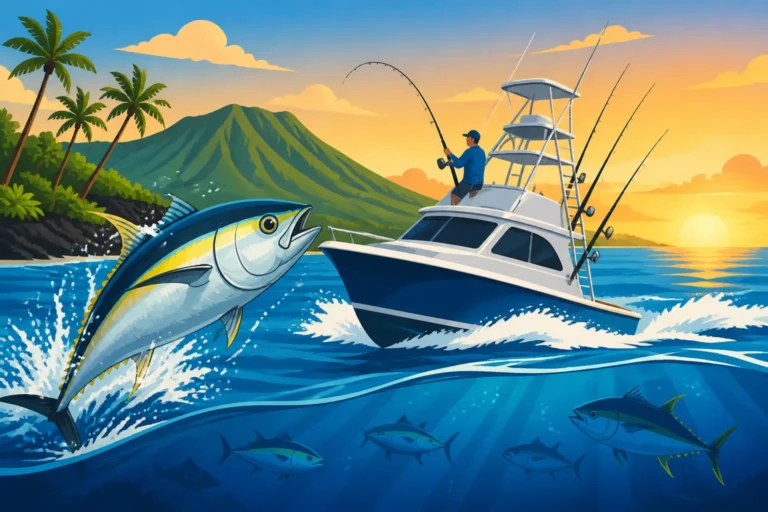
For many visitors and even local anglers without their own offshore vessels, the best way to explore the Big Island's deepwater reefs is through a reputable fishing charter. Charters offer the expertise, specialized equipment, and safety assurances needed to successfully fish these challenging environments. They know the hotspots, how to read the conditions, and the most effective techniques for targeting specific reef species. Many of these charters operate out of Honokohau Harbor on the Kona side, which is a bustling hub for sportfishing. When looking for a charter, platforms like FishingBooker can be incredibly useful for finding reputable captains who specialize in bottomfishing or reef trips. They often have detailed listings, reviews, and direct booking options.
When booking a charter, specify that you're interested in reef fishing or bottomfishing, as many charters primarily focus on trolling for pelagics. A good charter captain will be well-versed in the local regulations and will provide all the necessary gear, bait, and guidance. This is also where you can truly learn about the nuances of specific reef fish, their habitats, and their behavior. You might find yourself on a half-day trip that focuses on nearer-shore reefs for papio and smaller snappers, or a full-day excursion targeting those prized deepwater onaga and opakapaka. Using a service like FishingBooker allows you to compare different operators and find the perfect fit for your reef fishing adventure, ensuring you're connecting with experienced captains like those on the Humdinger or Northern Lights out of Kona.
Species You'll Encounter and Important Regulations
Reef fishing on the Big Island is incredibly rewarding not just for the challenge, but for the sheer variety of beautiful and delicious fish you can encounter. From colorful wrasse and parrotfish to hard-fighting jacks and delectable snappers, the biodiversity is simply stunning. However, this richness comes with a responsibility to understand who lives there and how we can best protect these fragile ecosystems.
Common Reef Dwellers and Their Habits
When you're casting around Big Island reefs, you'll likely encounter a mix of resident reef fish and transient predators. Here's a rundown of some common catches:
- Papio (Juvenile Trevally/Jacks): These aggressive fighters are plentiful on the reefs, from just a few inches to several pounds. They hit lures and bait with enthusiasm. Look for them patrolling reef edges and channels. As they grow, they become Ulua (Giant Trevally) Fishing in Hawaii, which are apex reef predators.
- Uhu (Parrotfish): Colorful and a staple of Hawaiian cuisine, uhu are herbivorous, grazing on algae on the reefs. They can be caught with small pieces of bait, often squid or limu (seaweed), and are a beautiful sight underwater. However, specific regulations, including closed seasons for certain species, apply. You can learn more about Uhu (Parrotfish) in Hawaii.
- Kumu (Goatfish): These distinctive fish with their barbels ("whiskers") for foraging on the bottom are common catches. They have excellent table fare and are often found over sandy patches adjacent to reef structure.
- Weke (Goatfish): Another type of goatfish, often found in similar habitats to kumu. They can be caught on small pieces of bait.
- Menpachi (Squirrelfish): Known for their large eyes and often reddish coloration, menpachi are nocturnal and often hide in reef crevices during the day. They're commonly caught during night fishing excursions on the reefs.
- Moi (Pacific Threadfin): A highly prized fish, moi were once reserved for Hawaiian royalty. They prefer sandy bottoms near reef structure and are known for their delicate flavor. They have strict closed seasons and size limits to protect their populations. Check out Moi (Pacific Threadfin) in Hawaii for more details.
- Taape and Roi (Invasive Snappers): These introduced species, particularly the Bluestriped Snapper (taape) and Toau (roi), are unfortunately abundant on Hawaiian reefs. They compete with native species and are often encouraged for harvest. They make for decent eating, and there are no bag limits on them. Many charters even target these as part of their bottomfishing trips. You can learn more about Invasive Taape and Roi in Hawaii.
- Opakapaka, Onaga, Ehu (Deepwater Snappers): These are the kings of the deepwater reefs. Prized for their delicate white flesh, they require specific deep-dropping techniques and robust gear. They are regulated with strict limits to ensure sustainable populations. For more information on identifying these species, a Reef Fish Species Identification Guide for Hawaii can be incredibly helpful.
Essential Regulations and Conservation Practices
Hawaii's unique marine environment means that regulations are in place to protect these valuable resources. It's not just about where you fish, but how you fish and what you keep.
Here's a quick overview of critical regulatory considerations for reef fishing:
| Regulation Type | Key Considerations for Reef Fishing |
|---|---|
| Fishing Licenses | Generally, a license is not required for recreational marine fishing in Hawaii if you are a resident. Non-residents do need a marine license. However, everyone needs a license for freshwater fishing. It's always best to check current regulations before you go. You can confirm details in the Hawaii Fishing License Guide for 2026. |
| Bag and Size Limits | Many popular reef species have specific daily bag limits and minimum/maximum size limits. This is crucial for sustaining populations. For example, parrotfish (uhu), goatfish (kumu, weke), and moi all have specific rules. Refer to Hawaii Bag and Size Limits by Species. |
| Closed Seasons | Some species, like moi and certain uhu (parrotfish), have closed seasons to protect them during spawning. Fishing for or possessing these species during these periods is illegal. |
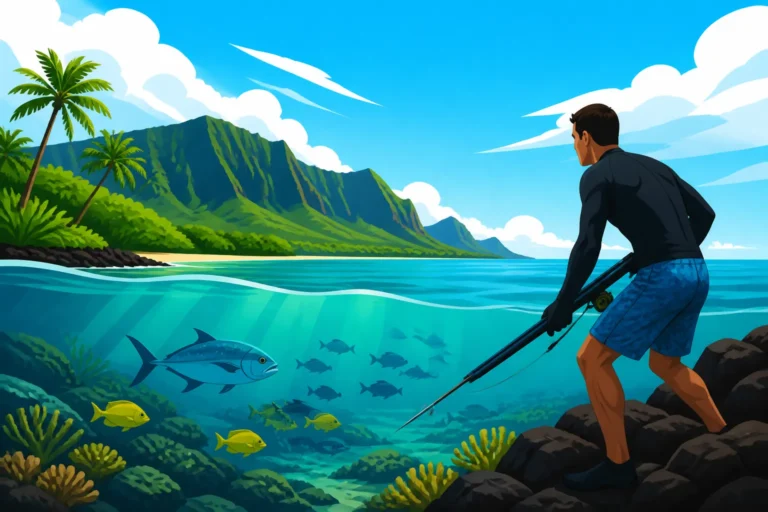
| Prohibited Gear/Methods | Certain fishing methods, like the use of lay nets in specific areas, or spearfishing with SCUBA gear, are prohibited to protect reef ecosystems. Always ensure your gear complies with current regulations. |
| Marine Life Conservation Districts (MLCDs) | These are protected areas where fishing is highly restricted or completely prohibited. Examples on the Big Island include portions of Kealakekua Bay Fishing Rules and Access. Always know if you are in an MLCD. For more details, see Hawaii Marine Life Conservation Districts, Explained. |
| Fish Replenishment Areas (FRAs) | In West Hawaii, there are designated Fish Replenishment Areas (FRAs) that have specific rules, particularly regarding aquarium fish collection. While not strictly "no fishing" zones, understanding their purpose and rules is important for all anglers. |
Always consult the official Hawaii Department of Land and Natural Resources (DLNR) Division of Aquatic Resources (DAR) website for the most up-to-date and complete regulations. Ignorance of the law is not an excuse, and penalties for violations can be steep. Practicing catch-and-release for species you don't intend to eat or that are undersized is a great way to contribute to the health of our reefs. And remember, never leave trash or discarded fishing line behind; what goes into the ocean stays there and harms marine life.
Disclaimer
Please be aware that fishing regulations in Hawaii can change. Always consult the latest rules and advisories from the Hawaii Department of Land and Natural Resources (DLNR) Division of Aquatic Resources (DAR) before heading out. Safety should always be your top priority when fishing in Hawaii's diverse and sometimes challenging conditions.