Best shore fishing spots near Waikiki
Stepping onto Waikiki's golden sands, it’s easy to get swept up in the beauty and the crowds, but for many, the allure of casting a line into those sparkling turquoise waters is undeniable. The struggle is real: where can you actually fish without accidentally breaking a rule or getting tangled in a swimmer's float? It's a common dilemma for both visitors and residents alike, trying to find those precious spots that offer both public access and a real shot at a catch. This comprehensive guide is designed to navigate those exact frustrations, revealing the best shore fishing spots right near Waikiki, what exciting species you might encounter, and how to make your fishing trip both fruitful and respectful.
Understanding Waikiki Shore Fishing Dynamics
Fishing in and around Waikiki isn't quite like casting into a remote, untouched Hawaiian bay. It's an urban environment, bustling with activity, which presents both unique opportunities and challenges for the intrepid angler. Knowing what to expect and where to focus your efforts can make all the difference between a frustrating day and a memorable catch.
The Unique Challenges of Fishing Near Waikiki
The primary challenge of shore fishing close to Waikiki is undoubtedly the sheer volume of people. The main stretches of Waikiki Beach are heavily utilized by swimmers, surfers, paddleboarders, and tour boats, making conventional fishing impractical and often unsafe. You'll quickly find that casting a line here might earn you some bewildered looks or even a request to move along by beach safety. Beyond the crowds, parts of the coastline are designated as Marine Life Conservation Districts (MLCDs), such as the popular Sans Souci area, which strictly prohibit fishing to protect marine ecosystems. It's crucial to be aware of these zones; you can learn more about specific regulations in our guide on Hawaii Marine Life Conservation Districts, Explained.
Another consideration is the access. While much of Hawaii's shoreline is publicly accessible, parking can be a premium in Waikiki, and some areas might require a bit of a walk to reach suitable fishing spots away from the immediate hustle. Lastly, the bottom structure near many popular Waikiki beaches can be predominantly sandy, which might not hold the same diversity of reef fish as rockier, more remote locations. However, don't let these challenges deter you; with the right approach and knowledge, successful shore fishing is absolutely within reach.
What You Can Expect to Catch from Shore
Despite the urban setting, the waters around Waikiki are surprisingly productive. The target species you'll encounter from shore typically consist of smaller, inshore fish, but don't be fooled – some of them put up an incredible fight and make for excellent table fare.
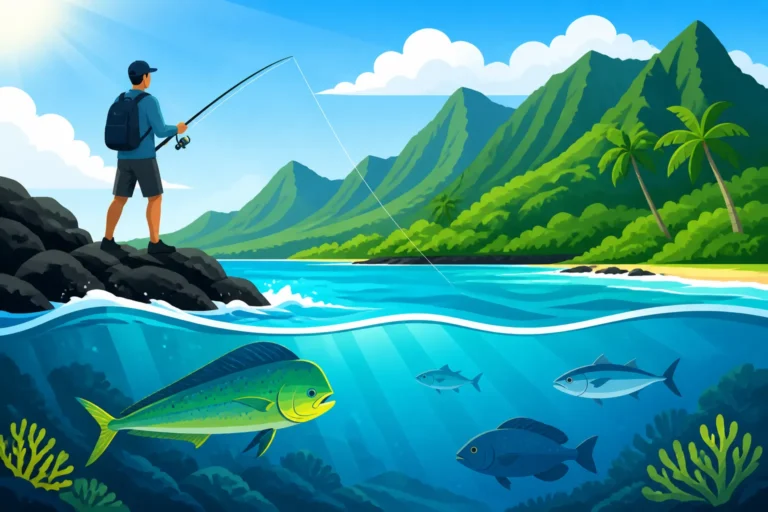
One of the most common and exciting catches is Papio, the juvenile stage of the formidable Giant Trevally (Ulua). These hard-fighting jacks are a favorite among local anglers. You might also hook into various reef fish like Weke (goatfish), Kumu (also a type of goatfish), and occasionally Uhu (parrotfish), though Uhu are more common in reefier, less disturbed areas. Smaller predatory fish like Awa (milkfish) or Moi (Pacific threadfin), especially during their open season, can also be found. For those casting further or targeting different structures, the chance of hooking into a larger Ulua or even a Mahi Mahi that ventures closer to shore is rare but not impossible, particularly around deeper drop-offs or during specific seasonal migrations. Knowing the Hawaii Bag and Size Limits by Species is essential for responsible harvesting.
Top Shore Fishing Spots Around Waikiki
While direct fishing from the busiest stretches of Waikiki Beach is generally discouraged, there are fantastic spots just a stone's throw away that offer much better opportunities and a more relaxed atmosphere. These areas are popular with local shore anglers for good reason.
Kapiolani Park and Sans Souci Beach Area
Just east of the main Waikiki strip, at the base of Diamond Head, lies Kapiolani Park, offering a more tranquil setting for shore fishing. The coastline here, particularly around Sans Souci Beach, features a mix of sandy bottom with scattered coral heads and rocky outcroppings.
- Kapiolani Park's Eastern Edge: As you move away from the busy swimming areas towards the Diamond Head side, the crowds thin out, and the shoreline becomes more conducive to fishing. The rocky points and small coves here are excellent for casting lighter tackle. You can often find smaller papio, various reef fish, and even an occasional moi if you're lucky. The water is often clear, making it a great spot for sight fishing on calm days. Early mornings or late afternoons tend to be the best times to avoid the peak park users. This area is a prime example of where techniques described in How to Catch Papio on Hawaii's Shoreline can really shine.
- Sans Souci Beach Considerations: While beautiful, it's vital to remember that parts of Sans Souci Beach are within a Marine Life Conservation District. Always check local signage or the Hawaii Department of Aquatic Resources (DAR) website for current regulations to ensure you are not fishing in a restricted zone. If you plan to wade, be extremely cautious of sharp coral and sea urchins.
Ala Moana Beach Park
On the western end of Waikiki, past the Ala Wai Boat Harbor, you'll find Ala Moana Beach Park. This expansive park boasts a long, man-made beach that’s popular for swimming due to its calm, protected waters. However, it also offers excellent shore fishing opportunities, particularly along its eastern and western fringes, and especially from the adjacent Magic Island.
- Magic Island: This peninsula extending from Ala Moana Beach Park is a favorite among local anglers. It provides excellent access to deeper water and more varied bottom structure compared to the main beach. The outer edges of Magic Island, particularly facing the open ocean or the channel leading into Ala Wai Harbor, are prime locations. Here, you can target larger papio and ulua with heavier tackle, especially during incoming and outgoing tides. The deeper water also holds the potential for larger jacks and even occasional pelagic species that venture close. It’s also a great spot for night fishing for ulua, a popular local technique that you can learn more about in How to Catch Ulua from Shore.
- Ala Moana Beach Park Shoreline: The main beach area itself, while calmer, can still be productive, especially during off-peak hours. Look for areas where the sandy bottom transitions to rocky patches or near the channel leading to the harbor. Whipping small lures or bait is effective here for papio and various reef species. This location is often less crowded than central Waikiki, offering a more relaxed angling experience.
Diamond Head to Makapu'u Area
While a bit further than a casual stroll from central Waikiki, the coastline stretching from Diamond Head eastward towards Makapu'u offers some truly phenomenal shore fishing that's still very accessible by a short drive. These spots tend to be rockier and less congested, providing a more authentic Hawaiian shore fishing experience.
- Diamond Head Lookout and Beyond: Just past Diamond Head State Monument, the coastline becomes rugged and rocky, with numerous lava rock ledges and tide pools. These areas are excellent for targeting ulua and papio, as well as various reef species. The strong currents and deeper water here attract larger fish. Be mindful of footing on slippery rocks and wear appropriate footwear. You'll often see local anglers employing sliding bait rigs or heavy casting setups.
- Makapu'u Point (General Area): Heading further east along Kalanianaʻole Highway, the Makapu'u area offers dramatic cliffs and powerful surf. While the point itself is often too rugged and dangerous for direct fishing, the accessible beaches and rocky coves leading up to it, like those near Sandy Beach or the Blowhole, can be incredibly productive. These areas are renowned for trophy ulua, especially for experienced shorecasters using heavy gear to combat the strong currents and surf. This is where mastering Shore Fishing Techniques for Hawaii becomes paramount. Always prioritize safety here due to unpredictable waves and slippery rocks.
Essential Tips for Successful Waikiki Shore Fishing
Even with the best spots in mind, a little local knowledge and preparation can significantly enhance your chances of success and ensure a pleasant, respectful fishing experience.
Gear Recommendations for Urban Shorelines
Fishing around Waikiki generally calls for versatile, light-to-medium tackle that can handle smaller, feisty inshore species but still has enough backbone for an unexpected larger fish.
- Rods and Reels: A 7-9 foot medium-action spinning rod paired with a 3000-4000 size reel is a great all-around choice. This setup allows for decent casting distance, good sensitivity for detecting subtle bites, and enough power to fight fish in strong currents. For targeting larger ulua in more rugged spots like Magic Island's outer edge or the Diamond Head ledges, you might want to step up to a heavy-duty surf rod (10-12 feet) with a larger 6000-8000 series reel, spooled with strong braided line.
- Line and Leader: Braided line in the 15-30 lb test range is excellent for its strength and sensitivity. Pair this with a fluorocarbon leader of 20-40 lb test, which is nearly invisible underwater and highly abrasion-resistant against coral and lava rock. The specific Hawaii Papio and Ulua Size Rules will also influence the gear you choose.
- Lures and Bait: For papio and smaller reef fish, small Kastmasters, spoons, soft plastics, and topwater poppers (especially at dawn or dusk) work wonders. Live bait, such as opelu or akule (if you can catch them), or cut bait like squid or octopus, can be irresistible to larger predators. Always check bait regulations before collecting or using certain species. If you're looking for different gear options, or even a guided experience that provides all the tackle, resources like FishingBooker can help you find local experts.
Best Times and Tides to Fish
Timing is everything in shore fishing, and Waikiki is no exception. Paying attention to the tides, time of day, and even moon phase can dramatically improve your results.
- Tides: Generally, the incoming and outgoing tides (the hours surrounding high or low tide) are the most productive times to fish. Moving water stimulates feeding activity as baitfish are swept around, attracting larger predators. Strong currents around points and channels can also concentrate fish. Look for strong tidal movements, especially around new and full moons.
- Time of Day: Dawn and dusk are universally recognized as prime fishing times. The lower light conditions offer cover for predatory fish, and cooler temperatures encourage feeding. Night fishing, especially for ulua, is also extremely popular and effective, particularly on darker nights or around the new moon. During the day, targeting deeper spots or fishing on overcast days can still yield results, but avoid the midday sun and peak beach hours.
- Weather: Calm days with clear water are great for sight fishing and lighter tackle. However, don't discount slightly choppier conditions, especially if there's a gentle swell, as this can dislodge bait and attract larger fish to the surf zone. Always be aware of surf conditions and never turn your back on the ocean.
Respecting Local Regulations and Etiquette
Fishing in Hawaii comes with a responsibility to mālama ka 'āina (care for the land) and mālama ke kai (care for the ocean). Adhering to regulations and showing respect for the environment and other ocean users is paramount.
- Know the Rules: Before casting a line, familiarize yourself with the current Hawaii Fishing Regulations Explained. These include bag limits, size restrictions (like Hawaii uhu minimum size limit or Hawaii moi minimum size limit), and seasonal closures for certain species. Penalties for violating these rules can be significant.
- Marine Life Conservation Districts (MLCDs): Be hyper-aware of MLCDs like those around parts of Sans Souci and Hanauma Bay. Fishing is strictly prohibited in these areas. Always consult the Hawaii Division of Aquatic Resources (DAR) website for current maps and regulations, or ask a local tackle shop for clarification. You can find detailed information on these restricted zones in our guide, Is Fishing Allowed at Hanauma Bay?.
- Respect Others: Remember that you are sharing the shoreline with swimmers, surfers, and families enjoying the beach. Cast away from people and avoid crowded areas. Pick up all your trash, including fishing line, hooks, and bait packaging. Leaving no trace is a fundamental principle of outdoor recreation in Hawaii. If you’re unsure about an area, or want a more personalized experience that guarantees adherence to local rules, a guided trip found through platforms like FishingBooker can be an excellent option. Local guides are intimately familiar with all the nuances of Hawaiian fishing.
Here’s a quick overview of some of the best shore fishing spots near Waikiki:
| Fishing Spot | Location Relative to Waikiki | Primary Target Species | Best Times | Key Considerations |
|---|---|---|---|---|
| Kapiolani Park (East End) | Adjacent East | Papio, Weke, Moi, Reef Fish | Early Morning, Dusk | Mixed sandy/rocky bottom, less crowded than central Waikiki. Check for MLCD boundaries. |
| Magic Island (Ala Moana) | Adjacent West | Papio, Ulua, Jacks, Ahi | Incoming/Outgoing Tide, Night | Deeper water access, popular with locals. Can be crowded on weekends. |
| Diamond Head Ledges | Short Drive East | Ulua, Papio, Reef Fish | Moving Tides, Night | Rocky, rugged terrain, often stronger currents. Requires careful footing and heavier tackle. |
| Sandy Beach (Makapu'u Area) | Short Drive East | Ulua, Papio | Early Morning, Strong Surf | Famous for big waves and strong currents, best for experienced surf casters. Highly dangerous on big surf days. |
Final Thoughts on Waikiki Shore Fishing
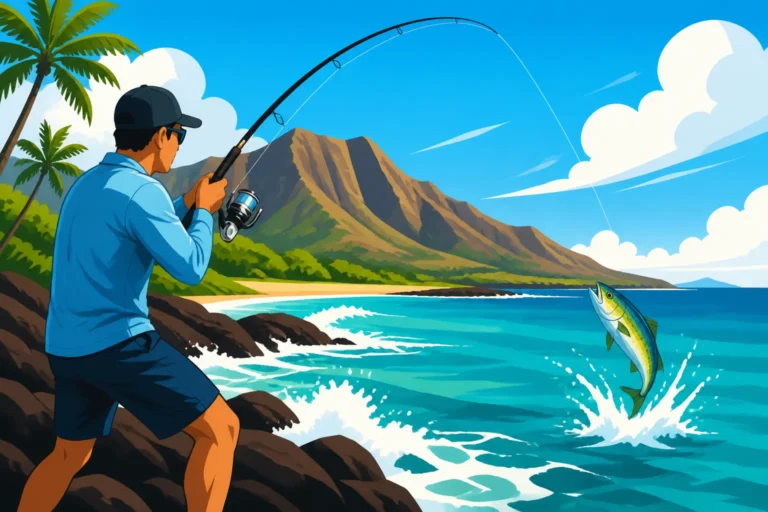
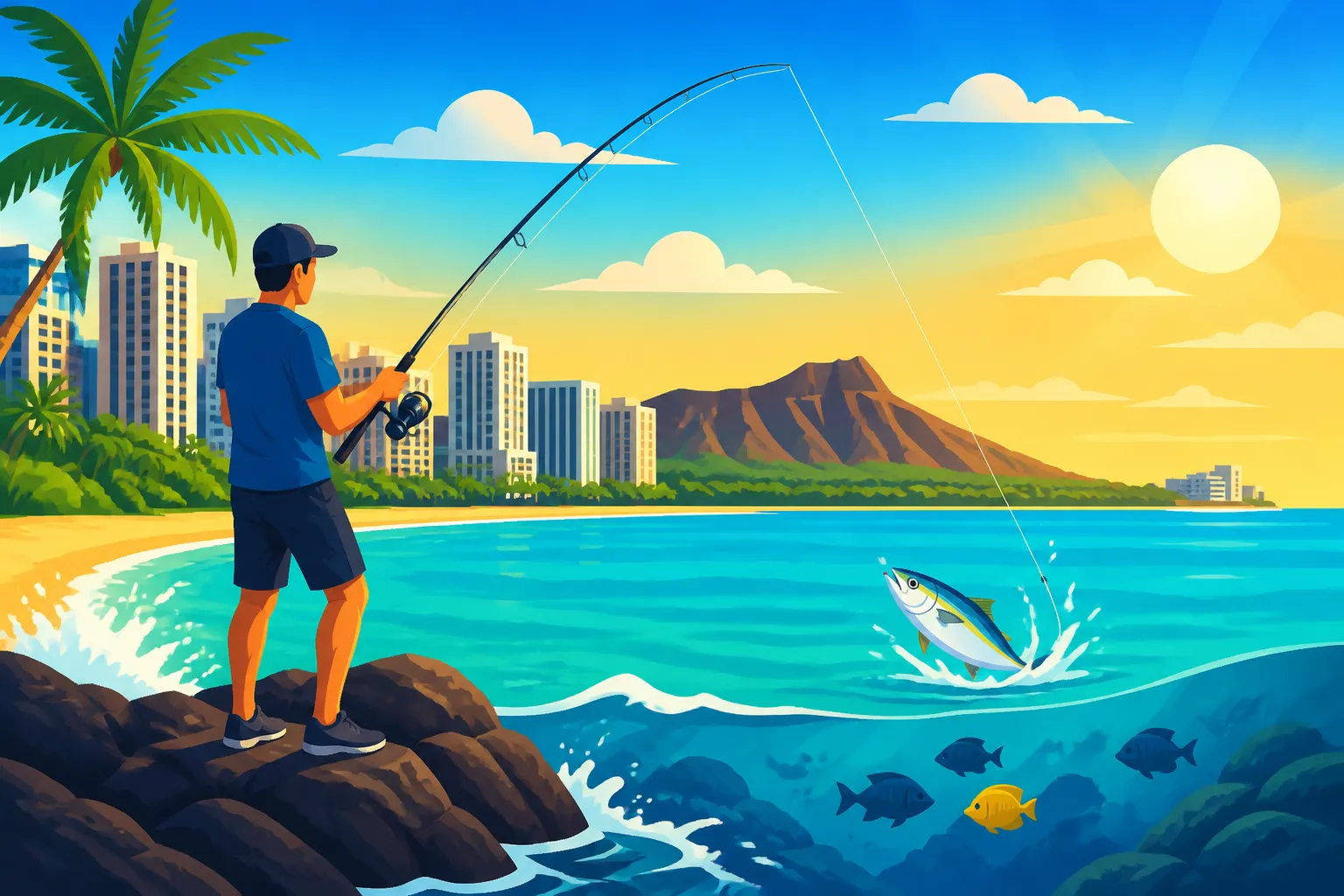
Shore fishing near Waikiki offers a unique blend of urban accessibility and wild ocean encounters. While it requires a bit of navigation around crowds and careful attention to regulations, the rewards are well worth the effort. There’s a special kind of satisfaction in reeling in a feisty papio with Diamond Head as your backdrop. Remember to fish with aloha, respect the 'āina and ke kai, and enjoy every moment of your Hawaiian fishing adventure. If you're ever looking to expand your horizons and explore other fishing opportunities, remember resources like FishingBooker can connect you with diverse charter options, whether you're after deep-sea giants or prefer a more specialized inshore experience.
Disclaimer
Please note that fishing regulations in Hawaii can change. Always consult the official Hawaii Department of Land and Natural Resources (DLNR) Division of Aquatic Resources (DAR) website for the most current rules and regulations before heading out to fish. This guide is for informational purposes only and does not constitute legal advice.