Best early morning fishing spots in Hawaii
Waking up early to fish in Hawaii can feel like a sacrifice, especially when you're dreaming of sleeping in on your island getaway or just trying to manage a busy local schedule. But trust me, those pre-dawn and sunrise hours often offer the most incredible opportunities for a successful, serene, and truly memorable day on the water. This comprehensive guide will take you through the very best early morning fishing spots across the Hawaiian Islands, helping you beat the crowds, capitalize on optimal fish activity, and reel in some fantastic catches before the day truly begins.
The Magic of Predawn and Dawn Fishing in Hawaii
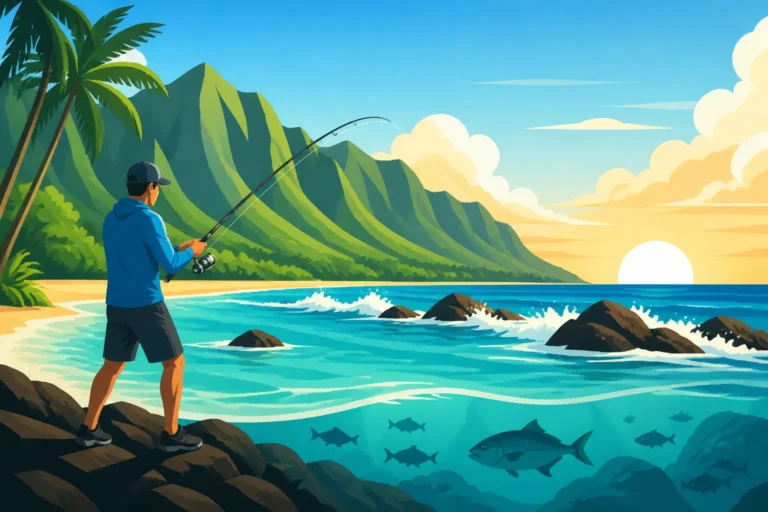
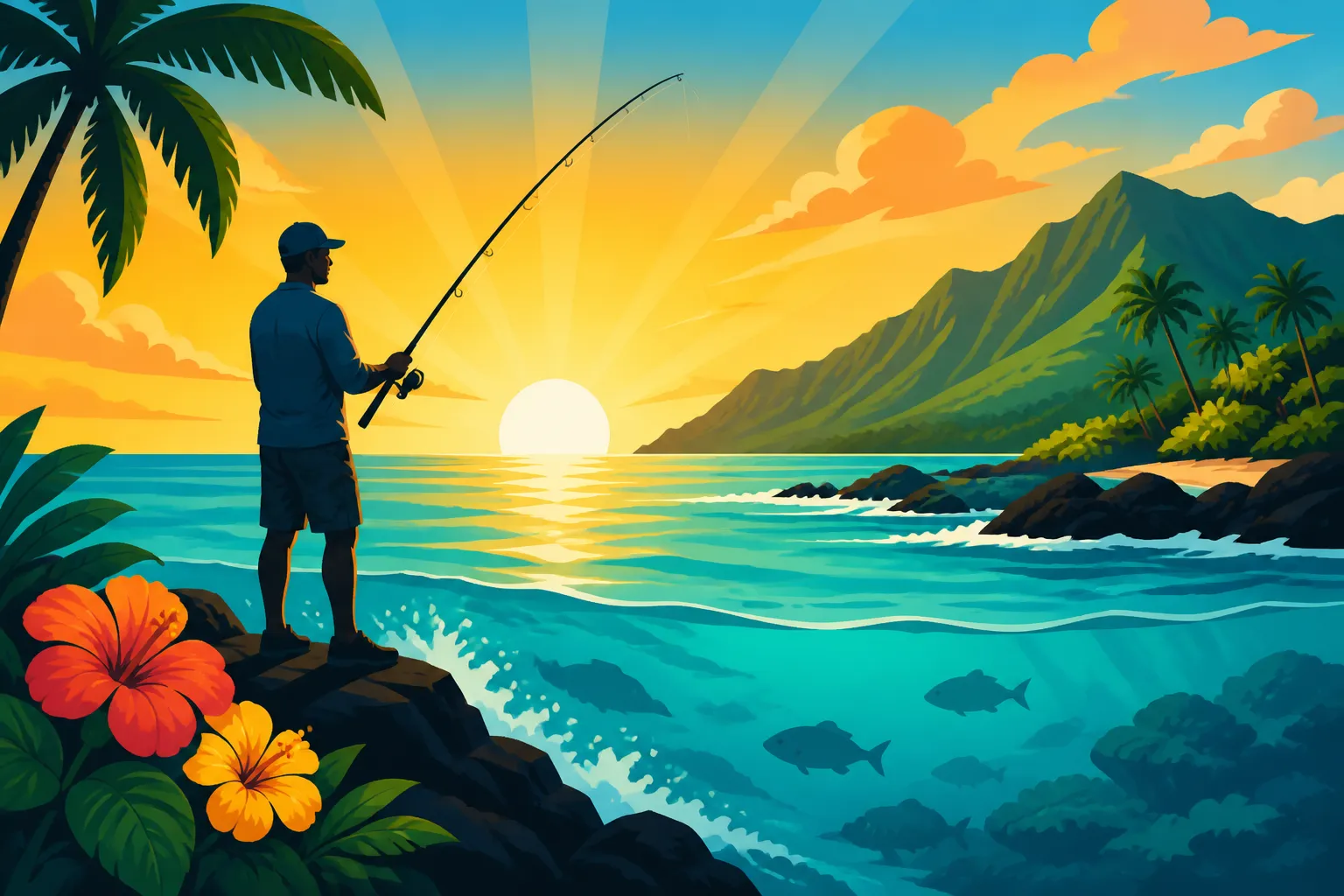
There's a reason why seasoned anglers in Hawaii are often up before the sun. The period just before and after sunrise, known as "first light" or "gray light," is a magical window when many fish species are at their most active. Predators like ulua (Giant Trevally), papio (juvenile trevally), and various pelagic species often move into shallower waters to feed under the cover of low light. The water is usually calmer, the air is cooler, and the absence of heavy boat traffic or beachgoers creates a more peaceful environment for both angler and fish. It's a time when the ocean truly awakens, and if you're prepared, you can be there to witness and participate in its daily bounty.
One of the biggest frustrations for many anglers is getting to a prime spot only to find it already crowded, or the fish have shut down due to sun exposure or increased activity. Early morning fishing largely mitigates these issues. You get first dibs on the best casting positions, and the fish are often less wary, giving you a distinct advantage.
Why Early Mornings Offer a Unique Advantage
The scientific reasoning behind early morning feeding frenzies boils down to several factors that create ideal hunting conditions for many fish.
- Low Light Ambush: Many predatory fish, especially those that hunt near shorelines or reefs, use the low light to their advantage. It makes it harder for their prey to spot them, allowing for more successful ambushes. This is particularly true for powerful species like ulua and papio, which rely on stealth and explosive bursts of speed. When the sun is high, they tend to retreat to deeper, more protected areas or become more lethargic.
- Temperature and Oxygen Levels: In shallow, inshore areas, water temperatures tend to be cooler in the morning, especially after a clear night. Cooler water often holds more dissolved oxygen, which invigorates fish and makes them more active. As the sun rises and beats down on the water, temperatures can climb, leading to a decrease in oxygen and a subsequent slowdown in fish activity.
- Baitfish Movement: Just as predators are more active, so are their prey. Smaller baitfish species often move into shallower, protected waters during low light to feed on plankton or algae, making them readily available targets for larger fish. This creates a natural feeding chain that anglers can exploit. Observing schools of 'opelu or akule near the surface at dawn is a strong indicator that larger predators are not far behind.
Planning Your Predawn Expedition
Successful early morning fishing requires a bit of foresight and preparation. It's not just about showing up; it's about being ready for action as soon as the light allows. Always check the tides and moon phases; a rising or falling tide around dawn can amplify feeding activity. Many local anglers swear by the moon phases for predicting prime bites, especially for ulua, with new and full moon cycles often being favored. Before you head out, make sure you've got your Hawaii Fishing License Guide for 2026 reviewed and understood, especially if you're targeting freshwater species, though for most ocean fishing by residents, a license isn't required. Non-residents, however, will almost certainly need one for marine fishing, which you can read about in our Hawaii Nonresident Marine Fishing License, Explained guide.
Packing the right gear is also crucial. A good headlamp is non-negotiable for navigating rocky shorelines or rigging up in the dark. Bring a thermos of coffee, some snacks, and plenty of water. Conditions can change quickly, so layers of clothing are always a good idea. And, of course, have your tackle prepped: leaders tied, hooks sharpened, and bait ready to go.
Oahu's Prime Predawn Hotspots
Oahu offers a diverse range of early morning fishing opportunities, from remote, rugged coastlines known for trophy catches to more accessible harbors and beaches that teem with smaller, feisty fish. The key is knowing where to go and what to expect.
Kaena Point: West Oahu's Wild Frontier
If you're seeking a true challenge and the potential for a trophy fish, Kaena Point on Oahu's westernmost tip is legendary. Access often involves a hike, depending on how far you drive in (check access roads beforehand, as they can change). This remote, rugged coastline is notoriously difficult to fish due to strong currents and sharp lava rock, but the rewards can be immense. Early mornings here are prime for ulua and papio. These powerful fighters are often lurking in the turbulent waters and deep channels that carve through the point. Anglers typically employ heavy tackle, using methods like sliding bait or casting large poppers and stickbaits.
The solitude of Kaena Point at dawn is unparalleled. You'll likely be greeted by the sound of crashing waves and the crisp morning air, with few other souls around. It's an experience that truly connects you with the raw power of Hawaii's ocean. Just remember, this isn't a spot for beginners or light tackle; be prepared for a serious battle. For detailed techniques on how to land these giants, check out our guide on How to Catch Ulua from Shore.
Windward Oahu's Calm Morning Shores
Moving to the windward side of Oahu, areas like Makapuʻu Point and the beaches stretching north towards Kaneohe Bay offer a stark contrast to Kaena's ruggedness. While Makapuʻu itself is a popular tourist spot, the surrounding rocky outcrops and tide pools can be excellent for early morning whipping for papio. The water here is often calmer in the morning, before the trade winds pick up, making it ideal for casting light lures or bait. You might encounter small schools of goatfish (kumu, weke) as well, which are delicious table fare.
Further north, the sandy stretches of Kailua and Lanikai can also yield good results for papio and smaller reef fish. Early morning here is about enjoying the serene beauty of the famous Mokulua Islands silhouetted against the rising sun, while making long casts with small spoons or plastics. These spots are perfect for families or those seeking a more relaxed pace. Many local guides specializing in shore fishing, which you can often find listed on platforms like FishingBooker, can help you navigate these specific areas.
South Shore Harbors and Nearshore Reefs
For those staying closer to Honolulu, early morning also provides fantastic opportunities at spots like Kewalo Basin or near Ala Moana Beach Park. While these areas can get busy later in the day, the quiet hours before the sun fully ascends are ideal for targeting papio, goatfish, and even some small trevally right from the shoreline or adjacent piers. Small live bait, cut bait, or even artificial lures like grubs and small spoons work wonders here.
Consider the nearshore reefs outside of areas like Waikiki, accessible by kayak or small boat. Paddling out before dawn allows you to set up on a promising patch of reef just as the fish begin to stir. You'll want to review our Best Kayak Fishing Spots in Hawaii for more ideas on where to launch and what to target. These reefs are often home to a variety of species that are less pressured in the low light.
Big Island's Early Bird Fishing Havens
The Big Island, particularly the Kona Coast, is world-renowned for its deep-sea fishing, and the early morning hours are absolutely crucial for success when chasing pelagics. However, there are also excellent shore and nearshore options for the sunrise angler.
Kona Coast Offshore for Ahi and Marlin
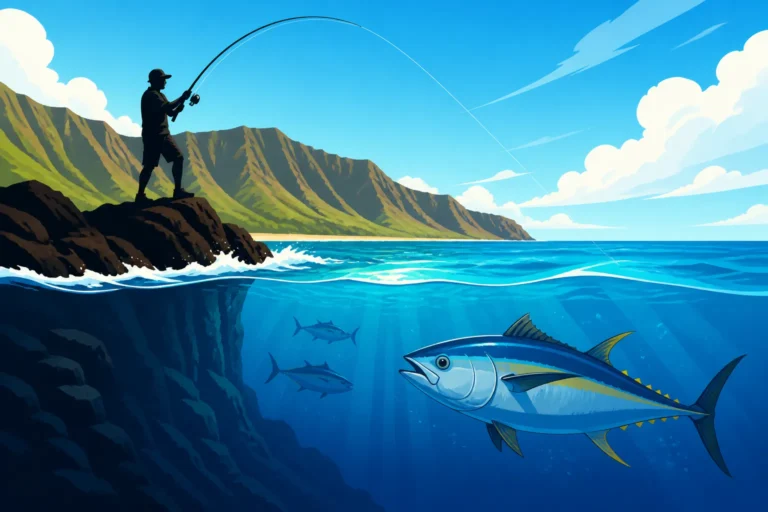
When it comes to big game, the Kona Coast truly shines in the predawn. Charters often depart well before first light, heading out to the FADs (Fish Aggregating Devices) or known feeding grounds where species like ahi (yellowfin tuna) and marlin are most active. Trolling lures or live bait during these early hours significantly increases your chances of hooking into a monster. The low light offers an advantage for the predators, and also often for the angler trying to entice them with a well-presented lure or bait.
Many experienced captains, which you can easily find and book through services like FishingBooker, will tell you that the bite can be furious for the first hour or two after sunrise. This is when the water comes alive. If you're looking to target ahi specifically, understanding their Ahi Migration Patterns Around Hawaii can help you determine the best times to book your trip. Live baiting with opelu or akule is a prime technique, and the fish are often more willing to strike a trolled lure in the low light conditions.
Honokohau Harbor and Nearby Flats
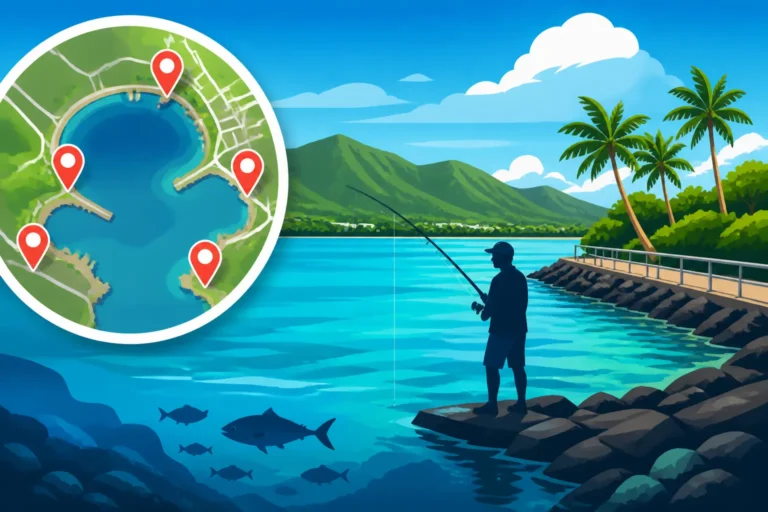
For those without a charter, Honokohau Harbor itself, and the surrounding nearshore areas, offer some decent early morning shore fishing. You won't be targeting grander marlin here, but papio, small trevally, and various reef fish are common. Casting from the jetties or rock walls with light tackle and small bait or lures can be productive as the sun just begins to peek over Mauna Kea. This is a very accessible spot and can be a great way to start your fishing day without a major expedition. Our guide on Honokohau Harbor Fishing Access offers more specifics on where you can cast a line.
A short drive south from the harbor, there are numerous rocky points and small coves along the Kona coast that are excellent for shore casting at dawn. Look for areas with a mix of sand and rock, where waves are breaking gently, indicating potential feeding zones for papio and even smaller ulua. Using fresh dead bait like squid or a chunk of opelu, or casting metal jigs, can produce results.
South Point (Ka Lae): Hawaii's Southernmost Tip
South Point, or Ka Lae, is a legendary spot on the Big Island. Known for its strong currents and deep waters close to shore, it's a popular destination for serious shore casters targeting ulua. Early morning is absolutely essential here, not only to beat the intense midday sun and winds but also because the predators are most active. Anglers often fish off the cliffs, using heavy gear and large sliding baits to reach the powerful fish that patrol these deep ledges.
This is not a spot for the faint of heart or inexperienced angler, as the cliff faces can be dangerous and the currents unforgiving. However, for those who know what they're doing, the rewards can be substantial. The remote, wild beauty of South Point at dawn, with nothing but the ocean stretching before you, is an unforgettable experience. Be sure to arrive well before sunrise to secure your spot and set up your gear. You can read more about fishing here in our South Point Ka Lae Fishing Spots guide.
Maui's Morning Angling Adventures
Maui offers a wonderful blend of protected harbor fishing, accessible beaches, and incredible offshore opportunities that come alive with the rising sun.
Lahaina Harbor's Early Morning Buzz
Lahaina Harbor is more than just a charming historic town; it's a gateway to some fantastic early morning fishing. While many head out on charters for offshore game, the harbor itself and its surrounding waters can be surprisingly productive. Shorecasters on the various docks and breakwalls can target papio, various reef fish, and occasionally smaller trevally. Early morning, before the harbor becomes bustling with whale watching tours and boat traffic, is the calmest and most productive time.
Using small, shiny lures or live bait on light tackle can be very effective here. The low light allows you to work the edges of the docks and the deeper channels where fish might be holding. If you're on a budget or prefer not to venture too far, Lahaina offers a convenient and often rewarding early morning session. For more ideas on fishing within this bustling area, check out our Lahaina Harbor Fishing Access article.
Ma'alaea Harbor and the Nearshore Reefs
On Maui's south-central coast, Ma'alaea Harbor, while known for its afternoon winds, can be surprisingly calm and productive in the early mornings. Like Lahaina, the harbor entrance and jetties offer opportunities for papio and reef fish. However, Ma'alaea is also a major departure point for charters, and heading out into Ma'alaea Bay before dawn can put you on productive reef lines for bottomfish or even early-season mahimahi if you're trolling just outside the harbor mouth.
Many charters operating out of Ma'alaea, often found on platforms like FishingBooker, will emphasize the importance of early starts for pelagic species. They know the fish are most aggressive and visible during those first rays of light. Our guide on Maalaea Harbor Fishing Access can provide additional details on the fishing prospects around this area.
La Perouse Bay's Remote Beauty
For the adventurous shore angler on Maui, La Perouse Bay on the southwestern tip offers a rugged, remote early morning experience. Similar to Kaena Point, this lava-rock shoreline is less accessible but holds the promise of larger ulua and papio. The key here is to arrive well before sunrise, allowing you to safely navigate the rough terrain and set up your gear. The calmest part of the day is often at dawn before the winds pick up.
Anglers here typically use heavy spinning or conventional gear, casting large poppers, stickbaits, or sliding bait to target the resident predators. The solitude and wild beauty of La Perouse at sunrise, often accompanied by spinner dolphins playing in the bay, make the effort entirely worthwhile, even if the fishing is tough. Learn more about Where to shore fish at La Perouse Bay for detailed access information.
Kauai's Quiet Sunrise Shores
Kauai, the "Garden Isle," provides a serene backdrop for early morning fishing, with lush landscapes meeting the ocean. While perhaps less known for specific "hotspots" than Oahu or the Big Island, its quiet, pristine beaches and bays offer excellent opportunities.
Hanalei Bay's Calm Waters
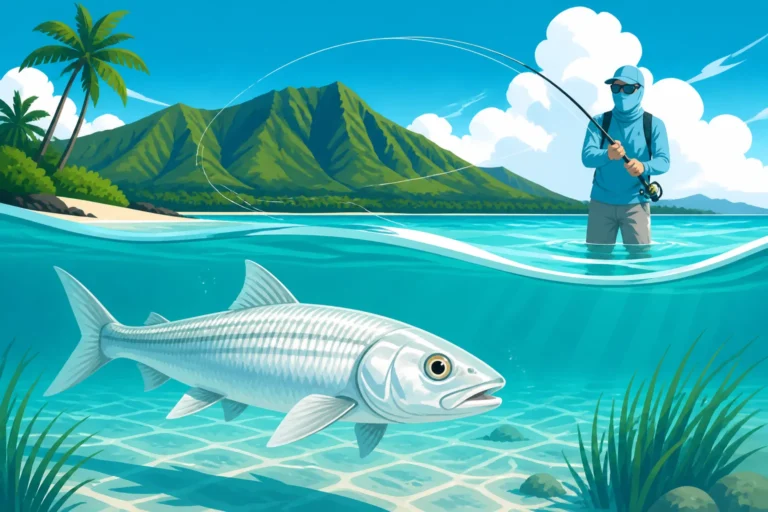
On Kauai's north shore, Hanalei Bay is iconic for its stunning beauty. While it becomes a hub for surfers and kayakers later in the day, the early morning hours are peaceful and can be very productive for shore fishing. The calm, clear waters at dawn are ideal for spotting cruising papio or even bonefish (oio) on the flats. Light tackle, small spoons, soft plastics, or even fly fishing gear can be effective here.
This is a fantastic spot to enjoy a truly peaceful fishing experience, with the majestic mountains providing a dramatic backdrop as the sun rises. Be mindful of any protected areas within the bay and always check local regulations before casting. Our Hanalei Bay Fishing Access guide has more information.
Poipu's Productive Reefs
On Kauai's south shore, Poipu offers a mix of sandy beaches and rocky outcrops. The numerous reef systems here hold a variety of fish, and early morning is an excellent time to target them. Wading out onto the reef flats during a low, incoming tide at dawn can yield papio, goatfish, and various reef species. Be cautious of sharp coral and wear appropriate footwear.
Shore casters from the sandy beaches can also find success, particularly where the sand meets rocky structures. Using cut bait, fresh shrimp, or small artificial lures can entice bites. The early light minimizes glare on the water, making it easier to spot fish moving along the reef edges. Poipu is a great family-friendly spot that can offer good early morning action without venturing to extremely remote locations. You can dive deeper into Poipu Shore Fishing to discover more about this area.
Early Morning Fishing: Species and Techniques Table
To help you plan your sunrise angling adventure, here's a quick overview of popular early morning fishing spots, what you might catch, and the best techniques to try.
| Island | Specific Spot | Target Species (Early Morning) | Best Techniques (Early Morning) | Notes |
|---|---|---|---|---|
| Oahu | Kaena Point | Ulua, Papio | Sliding Bait, Heavy Poppers, Stickbaits | Remote, rugged, requires heavy tackle. |
| Makapuʻu Point | Papio, Goatfish | Whipping (light lures), Bait (shrimp, squid) | Rocky shore, calmer before trade winds. | |
| Kewalo Basin / Ala Moana | Papio, Reef Fish | Light Tackle, Small Lures, Live/Cut Bait | Accessible, can get busy after sunrise. | |
| Big Island | Kona Coast (Offshore) | Ahi, Marlin, Ono | Trolling (lures/live bait), Jigging | Requires charter, crucial for pelagics. |
| Honokohau Harbor | Papio, Trevally, Reef Fish | Light Tackle, Small Lures, Bait | Accessible, good for casual fishing. | |
| South Point (Ka Lae) | Ulua, Papio | Heavy Sliding Bait, Large Jigs | Challenging, dangerous cliffs, big fish potential. | |
| Maui | Lahaina Harbor | Papio, Reef Fish | Light Tackle, Small Lures, Cut Bait | Easy access, calm before boat traffic. |
| Ma'alaea Harbor (Nearshore) | Papio, Mahimahi (trolling) | Light Tackle, Trolling Lures | Calm mornings, good for small boat access. | |
| La Perouse Bay | Ulua, Papio | Heavy Poppers, Sliding Bait | Remote, rugged, beautiful solitude. | |
| Kauai | Hanalei Bay | Papio, Oio (Bonefish) | Light Lures, Fly Fishing, Small Bait | Serene, clear water, watch for protected areas. |
| Poipu Reefs | Papio, Goatfish, Reef Fish | Wading (bait/lures), Shore Casting | Family-friendly, diverse species, wear reef shoes. |
Essential Early Morning Considerations
No matter where you choose to cast your line at the crack of dawn, safety and respect for the environment are paramount.
- Safety First: Always let someone know where you're going and when you expect to return, especially if you're heading to a remote location. Be aware of tidal changes, rogue waves, and slippery rocks. A good pair of wading boots or tabi-style reef shoes can prevent serious injuries.
- Respect the Land and Sea: Hawaii's natural resources are precious. Pack out everything you pack in, and avoid disturbing wildlife. Be mindful of traditional fishing rights and access points. Adhering to Hawaii Bag and Size Limits by Species is not just a rule, it's a way of life for sustainable fishing here.
- Weather Awareness: Hawaiian weather can be unpredictable. Always check the forecast for swell, wind, and rain before you go. An early morning calm can quickly turn into strong winds or heavy surf, especially on exposed coastlines.
Ultimately, the best early morning fishing spots in Hawaii are those that combine productive waters with a sense of peace and connection to the 'aina (land) and kai (sea). Whether you're chasing a trophy ulua on a remote lava flow or simply enjoying the serene beauty of a quiet bay while catching papio, the magic of a Hawaiian sunrise with a fishing rod in hand is an experience not to be missed.
Disclaimer
The information provided in this guide is for general informational purposes only and does not constitute legal or professional advice. Fishing regulations, access points, and environmental conditions in Hawaii can change frequently. Always consult the most current Hawaii Department of Land and Natural Resources (DLNR) Division of Aquatic Resources (DAR) regulations and local advisories before engaging in any fishing activity. Always prioritize safety and respect for the environment.