Best fishing spots on the Windward side of Oahu
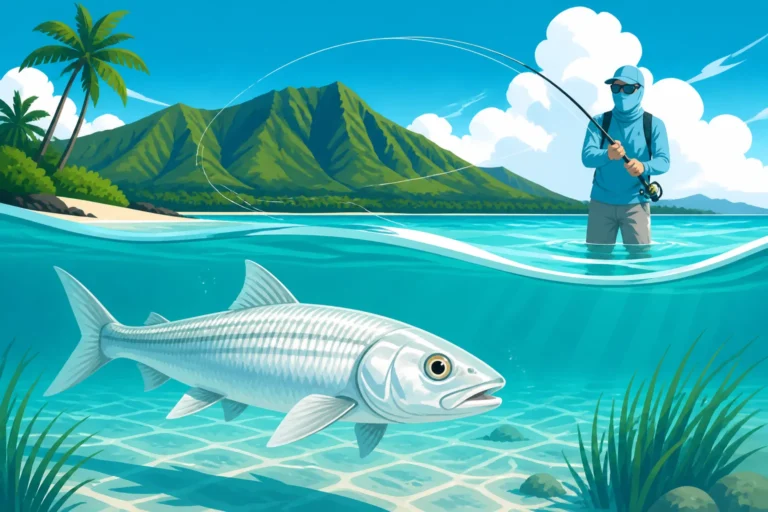
The trade winds hit you the moment you crest the Pali or round Makapuu, and so does the frustration: Oahu’s Windward side looks fishy everywhere, but half the coastline is shallow reef, private frontage or military land, and the wind turns every cast into a fight. This guide narrows it down to the Windward spots that actually fish, how to reach them, and when to go.
How the Windward Side Fishes Differently
Before you pick a spot, it helps to understand why the Windward coast is its own animal. It runs from Makapuu Point north past Waimanalo, Kailua and Kaneohe, then up the long rural stretch through Kualoa, Kahana, Punaluu, Hauula and Laie, ending near Kahuku where it bends into the North Shore. Almost all of it faces the northeast trade winds.
Wind Is the Main Character
On most days the trades blow onshore here, often steady and sometimes strong. That has three big effects. First, casting distance drops, so heavier lures and compact rigs beat light, wind-catching ones. Second, the constant chop stirs up the shallows, which can be great for predators hunting in the foam but tough for spotting fish. Third, the rare days when the trades die or turn light and variable are some of the best days of the year to fish the Windward side, because the water goes glassy and clear and the fish lose their cover.
Plan around wind the way North Shore anglers plan around surf. Check the forecast, and when you see a light wind day coming, clear your schedule.
Reef Flats, Bays and Points
The coast alternates between wide, shallow reef flats, sheltered bays and a few rocky points. Kaneohe Bay is the largest sheltered body of water in the state, protected by a barrier reef, with a huge area of shallow flats and patch reefs. Kailua and Waimanalo are long sandy beaches with nearshore reef. North of Kaneohe, bays like Kahana and stretches like Punaluu and Hauula mix sand, reef and stream mouths. Points such as Makapuu at the south end and Laie Point further north drop into deeper water and give you a shot at bigger fish.
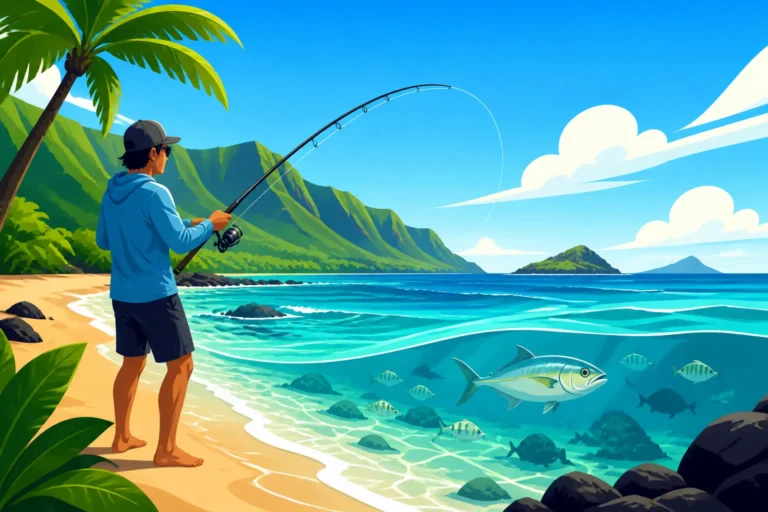
That variety is the Windward side’s strength. On the same day you can wade a flat for oio in the morning and throw a big plug off a point for ulua in the evening.
Access, Military Land and Private Frontage
A lot of the coastline is fronted by homes, and some key areas are military: Marine Corps Base Hawaii occupies the Mokapu Peninsula between Kailua and Kaneohe bays, and Bellows Air Force Station sits along part of Waimanalo. Those areas have restricted access, so do not assume you can walk onto them. Public beach parks and marked public right-of-way paths are your friends. Our article on Hawaii shoreline fishing rights and public access rules covers the basics of where the public can and cannot go.
The Best Windward Oahu Fishing Spots
Here is a quick comparison, followed by a closer look at each area from south to north.
| Spot | Style | Best Targets | Best Conditions | Difficulty |
|---|---|---|---|---|
| Makapuu Point area | Rocky shoreline, deep water | Ulua, papio | Light wind, small swell | Advanced |
| Waimanalo Bay | Sandy beach with nearshore reef | Papio, oio, moi | Light trades, dawn | Easy |
| Kailua Bay and Lanikai | Sand, reef, offshore islets | Papio, oio, reef fish | Early morning, calm | Easy to moderate |
| Kaneohe Bay | Sheltered flats and patch reefs | Oio, papio, reef fish | Calm, clear water | Moderate, boat helps |
| Kualoa and Kahana | Bay, stream mouth, reef | Papio, akule, oio | Low wind, incoming tide | Easy |
| Punaluu to Hauula | Narrow beaches and reef | Papio, reef fish | Calm, low light | Moderate |
| Laie Point and Malaekahana | Rocky point and long beach | Ulua, papio, oio | Light wind, dawn and dusk | Moderate |
Makapuu Point and the Southern Edge
Makapuu marks the southeastern corner of Oahu and the start of the Windward coast. The rocky shoreline around the point drops off quickly into deep, current-swept water, which is exactly what big ulua like. It is also exposed, windy and occasionally dangerous. Waves can wash over low ledges without warning, and the currents near the point are strong.
This is not a casual family spot. It is for experienced shore anglers with heavy tackle, good footwear and a healthy respect for the ocean. Go on days when the trades and swell are light, fish with a partner, and never set up on wet rock. Our dedicated Makapuu Point Fishing Access guide breaks down the trails and ledges in detail.
Waimanalo Bay
Waimanalo has one of the longest sandy beaches on Oahu, with several beach parks along its length. The shoreline is mostly sand with patches of reef offshore, and the bay is somewhat sheltered by the offshore islands of Manana (Rabbit Island) and Kaohikaipu to the south.
For the shore angler, Waimanalo is a relaxed, family-friendly place to fish the inside trough for oio and moi, or whip small lures for papio along the edges of the reef patches. Dawn is the best time, before the wind builds and before the beach fills up. Because it faces the trades directly, choose heavier, compact lures that cut through the wind.
Kailua Bay and Lanikai
Kailua is famous for its beach and its kayak trips to the Mokulua islets off Lanikai. For anglers, the bay offers sand flats, reef patches and a mix of oio, papio and reef fish. Kailua Beach Park has parking and facilities, and early mornings can be quiet and productive.
The bay is heavily used by swimmers, kitesurfers and windsurfers once the wind is up, which is another reason to fish early. Kayak anglers can paddle out from Kailua toward the reefs offshore on calm days, but they should know that the Mokulua islets are seabird sanctuaries with landing restrictions. Respect those closures. If you are new to fishing from a kayak, read Best kayak fishing spots off Oahu for safety and launch tips.
Kaneohe Bay
Kaneohe Bay is the heart of Windward fishing for many local anglers. It is huge, shallow and sheltered, with a barrier reef, the Ahu o Laka sandbar, patch reefs, channels and historic Hawaiian fishponds along the shore. Oio cruise the flats, papio hunt the edges and channels, and a long list of reef species lives on the patch reefs.
The challenge is access. Much of the shoreline is residential, and the best fishing is often out on the flats and channels rather than at the shoreline. That is why many anglers fish Kaneohe Bay from kayaks or small boats launched from public ramps. Parts of the bay have special management rules, and Moku o Loe (Coconut Island) is home to a marine research institute with restricted access. For a full breakdown of the bay, see Best fishing spots in Kaneohe Bay.
Imagine a calm, overcast morning on the flats, the water barely rippled. You pole or paddle slowly, watching for the tail of an oio tipping up as it noses into the sand. You drop a small bait or fly a few feet ahead of it, and the line goes tight as the fish rockets across the flat. That is the Kaneohe Bay experience that keeps people coming back.
Kualoa and Kahana Bay
North of Kaneohe, Kualoa Regional Park looks out at Mokolii, the small conical island often called Chinaman’s Hat. The park has open space, parking and a shoreline that mixes sand and shallow reef. Papio and oio both use the area, and the views are some of the best on the island.
Further north, Kahana Bay is a deep, sheltered bay at the mouth of Kahana Valley, with a stream entering at its head. Kahana is known for its connection to traditional Hawaiian fishing, including akule, and the bay can hold schools of baitfish and the predators that follow them. It is a pleasant place for light tackle fishing on calm mornings, and the stream mouth can be productive after light rain.
Punaluu, Hauula and Laie
The coast from Punaluu through Hauula to Laie is a long, rural stretch with narrow beach parks, small reefs and stream mouths. Fishing here is about finding quiet pockets of water where the reef breaks up or a stream enters, and working them with small lures or bait at dawn and dusk.
Laie Point, a rocky headland north of Hauula, is one of the better spots on the upper Windward coast for bigger fish. It drops into deeper water and is exposed to swell and wind, so treat it like any other rocky point: fish only in calm conditions and stay well back from the edge.
Malaekahana and the Kahuku Transition
At the northern end of the Windward coast, Malaekahana State Recreation Area offers a long sandy beach, camping and access to calm water behind offshore reefs. It is a good spot for oio, papio and moi, and it is less crowded than the more famous beaches to the south. Our page on Best fishing spots in Malaekahana State Park goes deeper on the specific coves.
Just beyond Malaekahana, the coast bends into Kahuku and the North Shore. That transition area is a well-known spot for trevally, and our Kahuku Beach Shore Fishing guide is the natural next read if you want to keep exploring north.
Timing, Tactics and Gear for the Windward Coast
Best Seasons and Times
The Windward side does not have the dramatic winter surf that the North Shore does, but it does feel the wind year-round, and winter can bring north swells that wrap around and hit the northern end. Summer typically brings the steadiest trades. Winter brings more variable weather, with occasional calm days and occasional storms.
| Window | Wind Pattern | What Fishes Best | Notes |
|---|---|---|---|
| Dawn | Often lighter | Papio on top, oio on flats | Best overall window |
| Midday | Strongest trades | Sheltered bays, Kaneohe flats by boat | Beaches crowded |
| Dusk | Easing wind | Points for ulua, beaches for papio | Good for bigger fish |
| Night | Variable | Ulua from points and beaches | Fish with a partner |
| Light wind days | Glassy | Everything, especially flats | Clear your schedule |
Night fishing for ulua is a long tradition on the Windward side, especially off points and along darker stretches of beach. If that appeals to you, Night Fishing for Ulua in Hawaii covers rigs, safety and etiquette.
Tactics That Work in the Wind
- Choose compact, heavier lures such as metal spoons, weighted plugs and jigs that cast into the wind.
- Position yourself so the wind is at your back or quartering, rather than straight in your face, whenever the shoreline allows.
- Fish the foam lines and edges of reef patches, where predators ambush baitfish tossed by the chop.
- On the flats, wade slowly and watch for tails, wakes and nervous water, and present baits ahead of moving fish.
- Use a slightly heavier leader around reef to resist abrasion.
- Move often; if a spot does not produce within half an hour, try the next pocket down the beach.
Whipping, the local technique of casting and retrieving a small lure across the water’s surface, is a classic way to catch papio along the Windward coast. Our Best Techniques for Whipping for Papio article explains the rod work and retrieve speeds.
Gear Checklist
| Item | Recommended Choice | Purpose |
|---|---|---|
| Light rod | 7 to 8 foot medium spinning | Whipping, oio, reef fish |
| Heavy rod | 10 to 13 foot surf rod | Ulua from points |
| Line | Braid with fluorocarbon leader | Distance and abrasion resistance |
| Lures | Spoons, plugs, jigs | Wind-friendly casting |
| Bait | Shrimp, crab, squid | Oio, moi and reef fish |
| Footwear | Reef shoes or tabis | Safe wading on reef |
| Safety | Headlamp, phone in dry bag | Dawn, dusk and night trips |
Charters and Guides
If you want to fish deeper water off the Windward side or get a guided tour of the Kaneohe Bay flats, a guide or charter can shortcut the learning curve. Platforms like FishingBooker let you browse Oahu listings in one place, compare boat sizes and trip types, and read reviews from other anglers. Many Oahu charters depart from harbors on the south shore, so check the departure point before you book. As always, confirm current prices, inclusions and cancellation terms on the listing or the operator’s own page, since those change with the season. FishingBooker can be a handy starting point, but a quick call to the captain is still the best way to find out whether a trip suits your goals.
Rules and Respect on the Windward Side
Statewide size limits, bag limits and closed seasons apply here just as they do elsewhere. Moi, uhu, papio and ulua all have rules worth knowing, and some areas of Kaneohe Bay have special management. Read Hawaii Fishing Regulations Explained and Hawaii Papio and Ulua Size Rules before you keep anything.
The Windward side is also a place where local families have fished for generations. Be friendly, be humble, give people space and pack out everything you bring. Fishing line and hooks left on the reef or beach can entangle turtles and seabirds, and the Windward coast sees plenty of both. If a Hawaiian monk seal or turtle shows up near your spot, give it room and move if needed.
Finally, remember that the Windward coast can lull you with its calm-looking bays. Currents in channels, sudden swells at points, and slippery rocks still demand attention. Fish with a partner when you can, tell someone where you are going, and never turn your back on the ocean.
For a bigger-picture view of the island, our Oahu Fishing Guide ties the Windward side together with the North Shore, the south shore and the Waianae coast, so you can plan a full trip around the wind and the swell.
Disclaimer
This article is for general informational purposes only and does not constitute professional advice. Laws, prices and regulations vary by location and change over time. Consult a qualified professional for guidance on your specific situation.