How to Catch Mahimahi in Hawaii
Oh, the mahimahi! There's something truly exhilarating about targeting these vibrant, acrobatic fish in the stunning waters of Hawaii. But let's be real, while they're often portrayed as easy catches on postcards, actually hooking a mahi, let alone consistently finding them, can be a real head-scratcher. From decoding those elusive weed lines to figuring out what lure they'll actually strike on a given day, it can feel like a game of chance. This comprehensive guide is here to cut through the guesswork, offering you seasoned advice and practical strategies to increase your odds of bringing home some delicious mahimahi.
Mahimahi Habits and What Makes Them Special in Hawaii
Mahimahi, also known as dolphin fish (though unrelated to marine mammals) or dorado, are truly one of the ocean's most incredible creatures. Their speed, iridescent colors that shimmer from electric blue and green to gold, and their aggressive feeding habits make them a prime target for anglers worldwide, and especially here in Hawaii. Understanding their basic biology and behavior is the first step in consistently finding and catching them.
Their Life Cycle and Growth
These fish are astonishingly fast growers, reaching maturity within their first year. Imagine a fish that can go from a tiny fry to weighing over 20 pounds in just 12-18 months – that's mahimahi for you! They have a relatively short lifespan, typically living only up to 4-5 years, which means they're constantly on the hunt for food to fuel their rapid growth. This constant need for sustenance is exactly what makes them such aggressive, opportunistic feeders, a characteristic that works in our favor as anglers. Their rapid reproduction rates also mean that, when managed properly, their populations can remain robust, supporting a healthy fishery. They're often found in warm, tropical, and subtropical waters, making Hawaii's ocean environment a perfect nursery and hunting ground.
Identifying Mahimahi Dorado
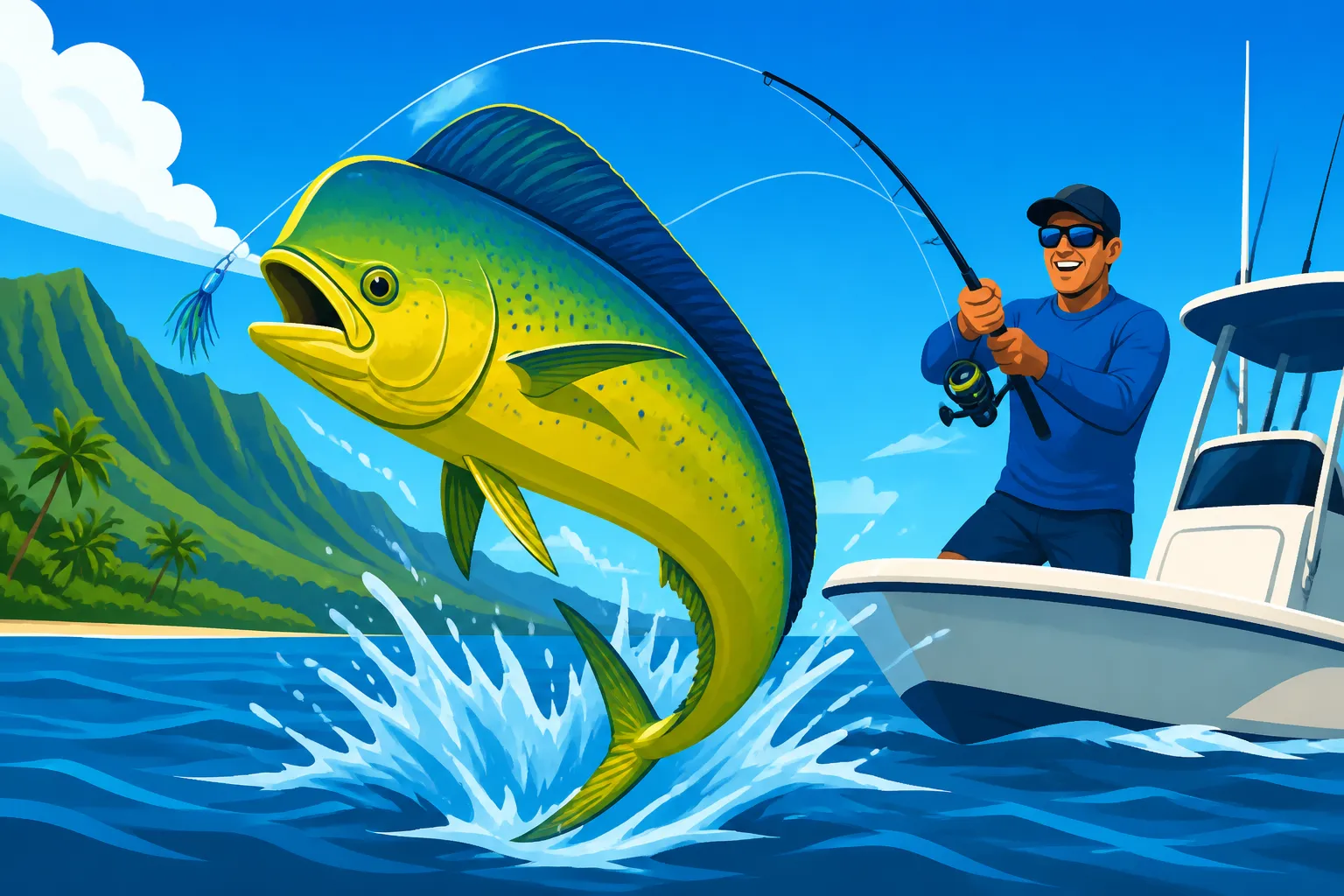
While the term "mahimahi" is common here, you might also hear them called "dorado" in other parts of the world, especially for the larger specimens. They have a distinct, compressed body with a long dorsal fin running almost the entire length of their back. Males, often called "bulls," have a prominent, blunt forehead that makes them easily identifiable and gives them a very distinctive profile, especially when compared to the rounder head of the females, or "cows." Their colors are truly spectacular, an ever-changing display of gold, green, blue, and even hints of silver, especially when they're fresh out of the water. These vibrant colors fade quickly after death, which is why seeing a live mahi flash through the water is an unforgettable experience. Knowing these visual cues can help you identify a school quickly, even if you just get a quick glimpse as they approach your boat or lures.
Why Hawaiian Mahimahi are a Unique Catch
Fishing for mahimahi in Hawaii isn't just about the fish; it's about the entire experience. Our waters are teeming with life, and the deep ocean currents off islands like the Big Island's Kona coast create unique feeding opportunities. Unlike some other regions where mahimahi might be a seasonal visitor, they are present year-round in Hawaiian waters, though their abundance certainly fluctuates. The fact that they often congregate around floating objects, like our famous Fish Aggregating Devices (FADs), or the ubiquitous weed lines that form in our currents, makes targeting them a distinct challenge and reward. The quality of the meat, firm and flaky with a mild, sweet flavor, is also highly prized, making them a fantastic table fish. Successfully catching a mahimahi here feels like a true testament to understanding the ocean's intricate ecosystem.
Best Seasons and Times to Target Mahimahi in Hawaii
Timing is everything when it comes to mahimahi. While they're available year-round, certain seasons and even times of day will drastically improve your chances of a successful outing. Ignoring these patterns can lead to a lot of time spent on the water without much to show for it.
Peak Mahimahi Season Windows
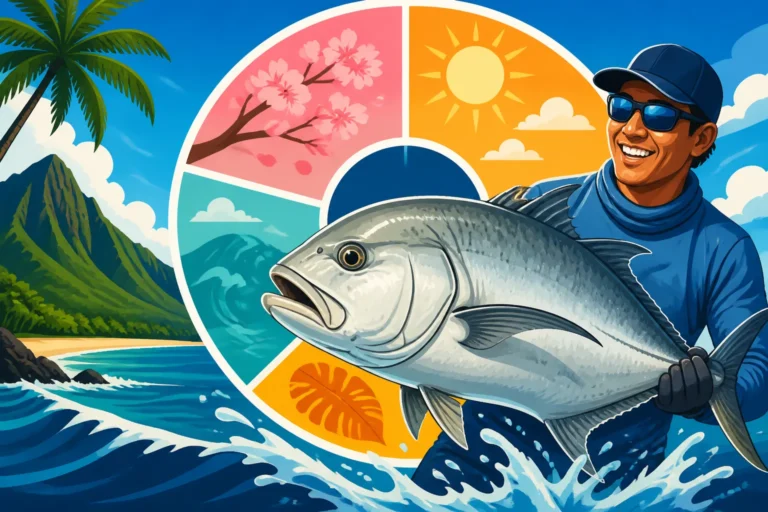
Generally speaking, the warmer months in Hawaii, from late spring through summer and into early fall (roughly April to October), tend to be the most productive for mahimahi. During this period, the ocean temperatures are at their highest, which aligns with their preferred habitat. This is when you'll often see larger schools moving through, and the chances of encountering a truly impressive "bull" mahi significantly increase. However, don't let that deter you from fishing in the "off-season." Even in the cooler winter months, you can still find mahimahi, though they might be less numerous and often found in deeper waters or farther offshore. Many local anglers will tell you that a well-placed FAD or a significant weed line can hold mahi any time of year.
Daily Activity Patterns and Best Tides
Mahimahi are highly visual predators, and like many pelagic species, they tend to be most active during daylight hours, especially around dawn and dusk. These crepuscular periods offer lower light conditions where baitfish are often more vulnerable, and the mahimahi use this to their advantage. Planning your offshore trolling or live baiting trips to coincide with these times can be incredibly beneficial. As for tides, while mahimahi are offshore pelagic fish and less directly influenced by localized tides than inshore species, strong tidal currents can concentrate baitfish, which in turn attracts predators like mahi. Look for areas where currents create rips or convergences, as these often stack up bait and provide ambush points. A rising or falling tide can sometimes kickstart a bite, especially if it's concentrating feed near offshore structures or FADs.
Seasonal Variations Across the Islands
While the general peak season holds true, there can be subtle variations depending on which Hawaiian island you're fishing from. For instance, the leeward side of the Big Island, particularly the Kona Coast, is renowned for its consistent offshore fishing due to its unique bathymetry and proximity to deep water. While Kona has year-round opportunities, the summer months still bring higher concentrations of bait and larger migratory patterns for mahimahi. On islands like Oahu or Maui, where inshore reefs are more prevalent, you might even find smaller "schoolie" mahimahi closer to shore during peak baitfish migrations. It's always a good idea to check with local tackle shops or charter captains on the specific island you'll be fishing, as they'll have the most up-to-date intel on local patterns. For a broader understanding of what to expect throughout the year, our guide on the Best Time of Year to Fish in Hawaii can provide valuable insights.
Essential Gear for Mahimahi Fishing
Having the right tackle is non-negotiable when chasing mahimahi. They're strong, fast, and prone to spectacular aerial displays, which can easily test the limits of inadequate gear. Don't skimp here; investing in reliable equipment will pay dividends in landed fish.
Rods, Reels, and Line for Offshore Trolling
For trolling, which is arguably the most popular and effective method for mahimahi, you'll want a medium-heavy to heavy conventional or spinning setup. A 30 to 50-pound class rod with a fast action tip and strong backbone is ideal for handling these powerful fish. Pair that with a robust conventional reel, capable of holding at least 300-400 yards of 30-50 pound monofilament or braided line. Many anglers prefer braided mainline for its sensitivity and strength, often topping it with a monofilament leader for abrasion resistance and stretch. For leaders, fluorocarbon in the 60-100 pound test range is excellent, as it's nearly invisible in water and stands up well to their abrasive mouths. Remember, mahimahi often travel in schools, so having multiple setups ready can be key to capitalizing on a "fire drill" when they show up. You can find a good selection of quality reels and rods suitable for Hawaiian pelagic species on online retailers like Amazon.
Lures and Baits That Mahimahi Can't Resist
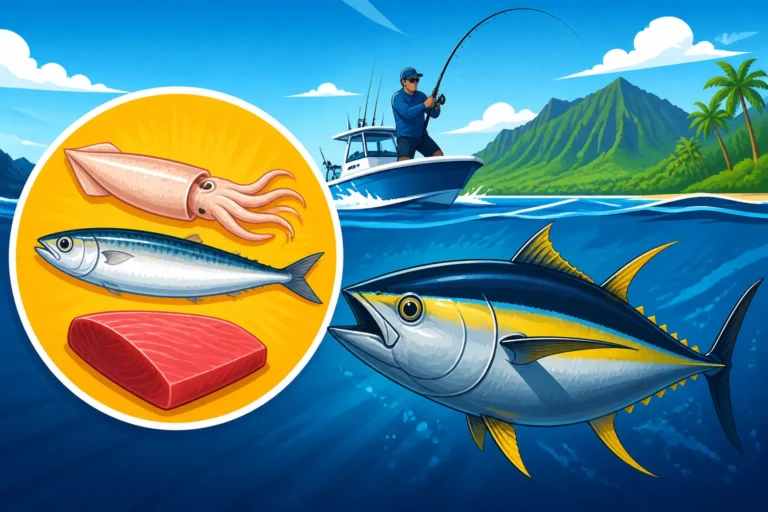
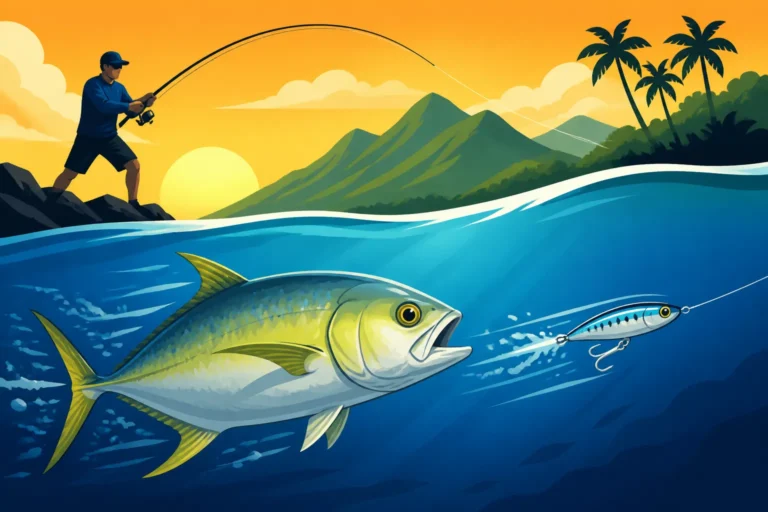
Mahimahi are aggressive and will strike a wide variety of lures. Bright, flashy colors that imitate small baitfish are often irresistible. Popular choices include skirted trolling lures in pink, green, blue, and yellow combinations. Chugger-style lures that create a commotion on the surface are also very effective, as mahimahi are drawn to surface activity. Rapala-style diving plugs, especially those that mimic flying fish or mackerel, can also produce strikes. Don't forget natural baits either! Live bait, such as opelu (mackerel scad), akule (bigeye scad), or even small kahawai (bonito), when trolled or drifted, can be absolute mahimahi magnets. If live bait isn't an option, chunking with cut bait like strips of bonito or squid can also entice them to bite, especially if you're trying to hold a school around the boat. Many local tackle shops, and even Amazon, carry a good range of proven mahimahi lures.
Safety and Auxiliary Gear Considerations
Beyond your rods and reels, a few other items are crucial for a successful and safe mahimahi trip. A sturdy gaff is essential for landing these often acrobatic fish safely once alongside the boat. Don't cheap out on your gaff; a bent hook or flimsy handle is a recipe for a lost fish and potential injury. Have a cooler with plenty of ice ready to immediately chill your catch; this is paramount for preserving the quality of the meat, especially in Hawaii's warm climate. Pliers, line cutters, and a good pair of polarized sunglasses are also must-haves. Sun protection is incredibly important, so pack sunscreen, a wide-brimmed hat, and appropriate clothing. And of course, always adhere to Hawaii's Life Jacket Requirements for Hawaii Boaters and other safety regulations, carrying all necessary emergency equipment on board your vessel.
Top Techniques for Catching Mahimahi
Now for the exciting part: how do you actually get these beautiful fish to bite? There are several proven strategies that anglers employ, each with its own nuances and ideal scenarios.
High-Speed Trolling for Pelagics
High-speed trolling is a go-to method for covering vast expanses of open ocean and locating schools of mahimahi. This technique involves dragging multiple lures behind the boat at speeds typically ranging from 7 to 12 knots. The idea is to mimic baitfish fleeing at high speed, triggering a predatory response from mahimahi. A typical spread might involve 4-6 lines, with longer lines running farther back and shorter lines closer to the boat. Lures are often skirted with vibrant colors, and some might include weighted heads to dive to different depths. Watch your rod tips constantly; a sudden jerk or a line peeling off the reel means a hookup! When you get a strike, resist the urge to immediately slow down. Often, the commotion of one hooked fish will bring other mahimahi in the school closer to the boat, giving you the chance to hook up multiple fish, especially if you're using a technique like the "chicken rig" or leaving a hooked fish in the water to attract others. Our guide on Trolling Techniques for Hawaii Pelagics delves deeper into this exciting method.
Live Baiting and Chunking Strategies
Once you've located a school of mahimahi, either by spotting them jumping, seeing them under a FAD, or getting a strike while trolling, live baiting and chunking become incredibly effective.
Live baiting involves presenting a live baitfish, such as an opelu or akule, on a hook near the school. The natural frantic movements of the live bait are often irresistible. You can either slow troll these baits or drift them naturally with the current. This method is particularly deadly when mahimahi are finicky and ignoring artificial lures.
Chunking, on the other hand, involves cutting up baitfish into small pieces and throwing them into the water to create a scent trail and attract mahimahi to your boat. As the fish come closer, you can then present a larger, hooked piece of bait among the free offerings. This method requires patience but can be incredibly rewarding, especially for holding a school around your vessel for extended periods. It's an art form to keep the fish interested without overfeeding them.
Kite Fishing and Other Specialized Methods
While less common for casual anglers, specialized techniques like kite fishing can also be highly effective for mahimahi, particularly for larger specimens. Kite fishing involves using a fishing kite to suspend live or dead baits on the surface, far away from the boat. This keeps the line out of the water, making the bait appear completely natural and unencumbered. The kite also allows you to cover a wider area and present baits in a way that's difficult with traditional trolling. Another method, especially for those venturing out on smaller craft or kayaks, is simply sight casting. If you spot a weed line or a floating debris field with mahi actively feeding, a well-placed cast with a surface popper or a soft plastic can often draw an explosive strike. However, this often requires stealth and precision, as mahimahi can be spooky in shallow water.
Where to Find Mahimahi in Hawaiian Waters
Understanding where mahimahi tend to congregate is perhaps the most critical piece of the puzzle. They are truly an open-ocean species, but they have distinct preferences for certain types of structure and currents.
Targeting FADs and Offshore Structure
Fish Aggregating Devices (FADs) are literal magnets for mahimahi and many other pelagic species in Hawaii. These are buoys anchored in deep water, often by the Department of Land and Natural Resources (DLNR), specifically designed to attract baitfish, which in turn attract predators. Each island has a network of FADs, and checking their coordinates before your trip is a must. Approaching a FAD, you'll want to circle it at a distance first, observing any surface activity or birds. Then, you can troll around it, cast live baits near it, or even jig deeper around its anchor chain. It's crucial to give other boats space and respect FAD etiquette. While FADs are productive, mahimahi also hold around natural offshore structures like seamounts, ledges, and deep-water canyons, though these are much harder to locate without good sonar and local knowledge. When you find one that's holding fish, it can be a goldmine!
Current Lines and Weed Lines: Mahimahi Magnets
One of the most exciting things to find when targeting mahimahi is a well-defined current line or weed line. Current lines form where two opposing currents meet, often creating a visible seam on the water's surface. These lines concentrate plankton, baitfish, and debris, making them prime hunting grounds. Weed lines, which are essentially floating mats of Sargassum seaweed, are miniature ecosystems in themselves. Small baitfish and juveniles hide within the weeds for protection, and mahimahi cruise the edges, ambushing anything that strays too far. Finding a thick, continuous weed line with a distinct edge can be an absolute game-changer. Troll your lures right along the edge of these lines, or cast live baits into any pockets or breaks you find. The key is to look for that visual change in the water – a different color, a line of foam, or accumulated debris.
Inshore Opportunities and Nearshore Reefs
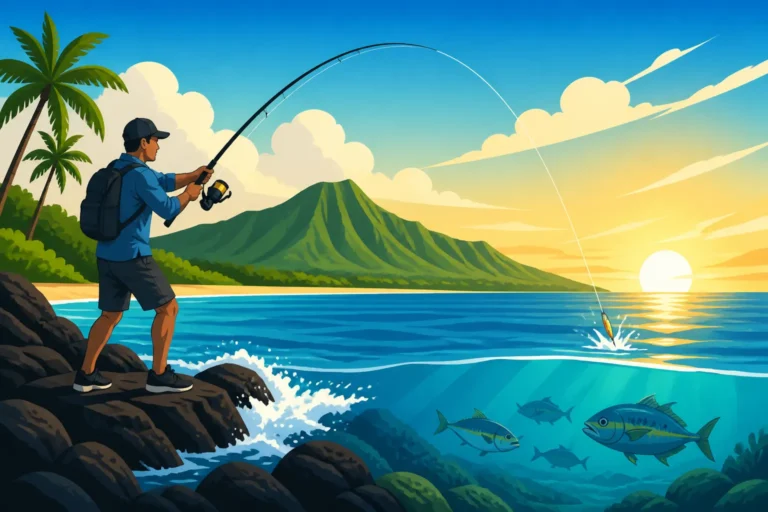
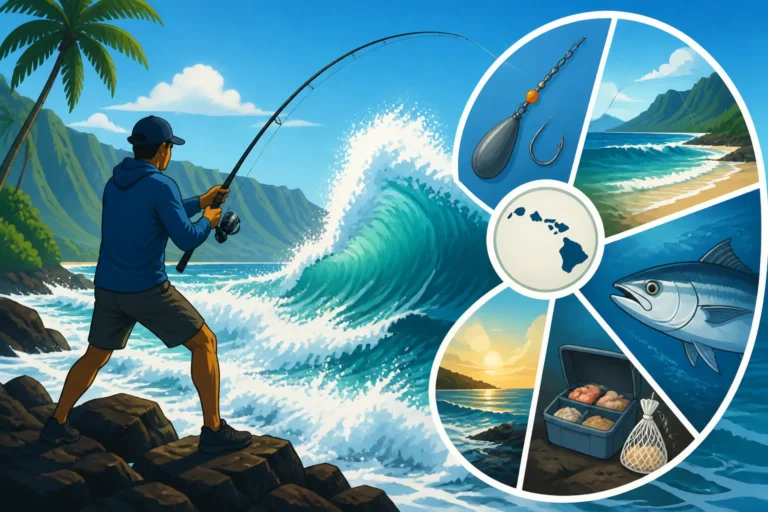
While mahimahi are predominantly an offshore species, don't rule out inshore opportunities, especially for smaller "schoolie" mahi. During periods of abundant baitfish close to shore, or when strong currents push offshore water closer to the coastline, mahimahi can occasionally be found near larger reef systems or even just outside the surf zone. This is more common around areas with deeper water access close to shore, such as the Kona coast, or points and ledges where baitfish naturally congregate. While you're less likely to find trophy-sized bulls here, catching a limit of smaller mahi can still be a fantastic experience. If you're considering a shore-based adventure, familiarizing yourself with Best Shore Fishing Spots in Hawaii can help you scout potential areas where offshore species might venture closer.
Reading the Conditions: Weather, Water, and Bait for Mahimahi
Becoming a successful mahimahi angler involves more than just having the right gear; it's about becoming a student of the ocean. Interpreting the subtle cues that the environment provides can make all the difference.
Understanding Ocean Swells and Wind Patterns
The ocean's surface conditions play a huge role in mahimahi fishing. While calm seas might seem ideal, a bit of chop or swell can actually be beneficial, as it breaks up the surface, providing cover for predators and making lures appear more natural. However, excessive wind and large swells can make fishing uncomfortable and even dangerous, not to mention making it harder to spot those crucial weed lines or birds. Always check the marine forecast before heading out. Strong winds can also create surface currents and rips that concentrate bait, so understanding the wind's direction and strength in relation to local geography can point you towards productive areas. For instance, a strong trade wind can sometimes push bait and weed lines into predictable patterns off certain points or channels.
Water Temperature and Clarity Clues
Mahimahi thrive in warm, clean, blue water. This is a critical indicator. If the water is murky, brown, or unusually cold, your chances of finding mahimahi will be significantly diminished. They prefer water temperatures generally above 75°F (24°C). Keep an eye on your boat's fish finder or temperature gauge. Finding a distinct temperature break, where warmer blue water meets cooler, greener water, can be a hotspot. These temperature changes often create current lines that stack up bait. The clarity of the water is also important for these visual predators; they hunt by sight, so exceptionally clear water allows them to spot your lures from a distance. Sometimes, even a slight change in water color from green to a deep indigo blue can signal that you've entered prime mahimahi territory.
Locating Baitfish Schools and Their Significance
Ultimately, mahimahi go where the food is. Identifying the presence of baitfish is perhaps the most reliable indicator of where you'll find them. Look for signs of bait on your sonar, especially dense schools forming "bait balls." Keep an eye on diving birds, particularly terns and boobies, as they often pinpoint baitfish being pushed to the surface by predators from below. Frantic surface activity, such as splashing or small fish jumping out of the water, is a dead giveaway that bigger fish are feeding. Even flying fish skipping across the surface can indicate that larger predators, like mahimahi, are in the vicinity. If you can locate the bait, you're almost guaranteed to find the mahimahi. Paying attention to these subtle signs can transform a slow day into an epic one.
Handling Your Catch: From Hook to Plate
Once you've hooked a mahimahi, the adrenaline really kicks in! But landing it safely and ensuring the quality of your catch are just as important as the fishing itself. Proper handling makes all the difference for a delicious meal.
The Fight and Landing Mahimahi Safely
Mahimahi are known for their spectacular acrobatic jumps and powerful runs. When you hook one, especially a larger bull, be prepared for a fight! Keep constant pressure on the fish, and try to retrieve line whenever it pauses. If the fish jumps, try to "bow to the king" by lowering your rod tip slightly to prevent the hook from pulling out when it lands. Once the fish is alongside the boat, a skilled gaff shot is crucial. Aim for the head or shoulders, just behind the gill plate, to quickly secure the fish and minimize damage to the meat. Never try to hand-line a thrashing mahimahi into the boat; their sharp fins and powerful tail can cause injury. Have a designated gaffer ready, and clear the deck of any tripping hazards.
Bleeding, Icing, and Preparing Your Catch
For the best possible eating quality, it's absolutely essential to bleed and ice your mahimahi immediately upon landing. This practice, known as "iki jime" for brain spiking, or simply cutting the gills, helps to drain the blood from the fish, which prevents spoilage and results in cleaner, milder-tasting meat. Once bled, get the fish onto ice as quickly as possible. A proper ice slurry (a mix of ice and saltwater) chills the fish rapidly and uniformly. This immediate chilling is critical in Hawaii's warm climate. Store your mahimahi whole on ice or gut it and fill the cavity with ice.
Back on shore, you can fillet your mahimahi for a variety of culinary applications. The firm, white flesh is incredibly versatile, perfect for grilling, baking, pan-frying, or even ceviche. If you're curious about different preparations, our guide Is Mahimahi Good to Eat? has some fantastic tips and recipes.
Best Practices for Catch and Release
While mahimahi are excellent table fare, many anglers also practice catch and release, especially for smaller fish or if they've already filled their limit. If you plan to release a mahimahi, try to minimize the fight time and handle the fish as little as possible. Keep it in the water if you can while removing the hook. Use dehooking tools to quickly and cleanly remove hooks, especially if the fish is deeply hooked. Avoid dragging the fish onto the boat's deck, which can remove its protective slime coat and cause internal damage. If you must bring it aboard for a quick photo, support its body horizontally and return it to the water gently, allowing it to swim off on its own power. Sometimes a gentle revival, pointing its head into the current, can help it regain strength before release. Always be mindful of Hawaii's Hawaii Pelagic Species Bag Limits and other regulations, which dictate what you can keep.
Common Challenges and Troubleshooting for Mahimahi Anglers
Even the most experienced anglers have days where the mahimahi seem to vanish or simply refuse to bite. It's part of the challenge! But understanding common issues can help you troubleshoot and turn a slow day around.
Dealing with Finicky Eaters and Missed Strikes
Mahimahi are usually aggressive, but sometimes, for reasons unknown, they can become incredibly finicky. They might follow your lures without striking, or only nip at the bait, leading to frustrating missed strikes. If this happens, try changing tactics.
- Lure Changes: Switch colors, sizes, or even lure styles. Sometimes going to a smaller, more subtle lure can entice a bite. Conversely, a larger, more erratic lure might trigger a reaction strike.
- Speed Adjustments: Experiment with your trolling speed. Slow down slightly or speed up to see what triggers them.
- Live Bait: If artificials aren't working, try deploying live bait if available. A natural presentation is often irresistible to reluctant feeders.
- Leader Changes: Sometimes a heavier, more visible leader might be putting them off. Try dropping down to a lighter fluorocarbon leader if conditions allow.
- Sounders/Chum: If you're on a school but they won't bite, a small amount of chunked bait (chum) can sometimes get them into a feeding frenzy.
Remember, patience and persistence are key. Keep experimenting until you find what they want on that particular day.
Avoiding Bycatch and Unwanted Species
While mahimahi are your target, you'll inevitably encounter other species while offshore fishing in Hawaii. Common bycatch can include skipjack tuna (aku), small yellowfin tuna (ahi), spearfish, or even other reef fish if you're fishing closer to shore. While many of these are desirable catches in their own right, sometimes you might hook something you don't want, like a small shark or a protected species.
- Targeted Gear: Using appropriate lure sizes and hook sizes can help reduce bycatch of smaller, unwanted fish.
- Know Your Area: Understanding the types of fish prevalent in a particular area can help you anticipate what you might hook.
- Quick Release: If you catch something you don't intend to keep or a protected species, handle it carefully and release it quickly. Have dehooking tools readily available. Always remember that marine life like sea turtles and monk seals are protected, and you must maintain a safe distance. Our guide on Hawaii Fishing Regulations Explained provides detailed information on protected species and fishing rules.
Navigating Regulations and Sustainable Practices
Fishing in Hawaii comes with important responsibilities. The Department of Aquatic Resources (DAR) within the Hawaii DLNR sets strict regulations to ensure the sustainability of our precious marine resources.
- Licenses: For many forms of fishing, you'll need a license. For example, if you're freshwater fishing, you absolutely need one, and there are specific rules for saltwater, too. Our article on the Hawaii Fishing License Guide for 2026 is an excellent resource to clarify who needs what license.
- Bag and Size Limits: Mahimahi, like many other species, have specific bag and size limits designed to protect their populations. You can find comprehensive details in the Hawaii Bag and Size Limits by Species guide. Always measure your fish carefully and adhere to these rules.
- Closed Seasons/Areas: Some species or areas might have closed seasons or be designated as Marine Life Conservation Districts where fishing is prohibited or heavily restricted. Always check the latest regulations before heading out.
- Responsible Angling: Beyond the rules, practice responsible angling. Don't waste fish, minimize your impact on the environment, and be respectful of other ocean users. The future of Hawaii's fishing depends on all of us doing our part.
| Technique | Target Depth | Ideal Conditions | Pros | Cons |
|---|---|---|---|---|
| High-Speed Trolling | Surface to 20 ft | Choppy seas, moderate winds, visible current lines | Covers large areas, triggers aggressive strikes | Can miss finicky fish, requires multiple rods |
| Live Baiting | Surface to Mid-depth | Calm to moderate seas, around FADs/weed lines | Highly effective for finicky fish, natural presentation | Requires catching/maintaining live bait, slower coverage |
| Chunking/Drifting | Mid-depth to Deep | Calm seas, around FADs, bait schools | Can hold schools around the boat, effective for larger fish | Requires constant chumming, attracts bycatch |
| Kite Fishing | Surface | Light to moderate winds, calm seas | Presents bait naturally away from boat, targets trophy fish | Specialized gear, wind-dependent, complex setup |
| Sight Casting | Surface/Shallow | Clear, calm water, visible fish/weed lines | Exciting, direct approach, light tackle fun | Highly dependent on visual contact, limited range |
Disclaimer
Please remember that fishing regulations in Hawaii, including those for mahimahi, can change. Always consult the most current rules and advisories from the Hawaii Department of Land and Natural Resources (DLNR) Division of Aquatic Resources (DAR) before you head out on the water. This guide is for informational purposes only and does not constitute legal advice regarding fishing regulations.