Best time of year for trophy ulua in Hawaii
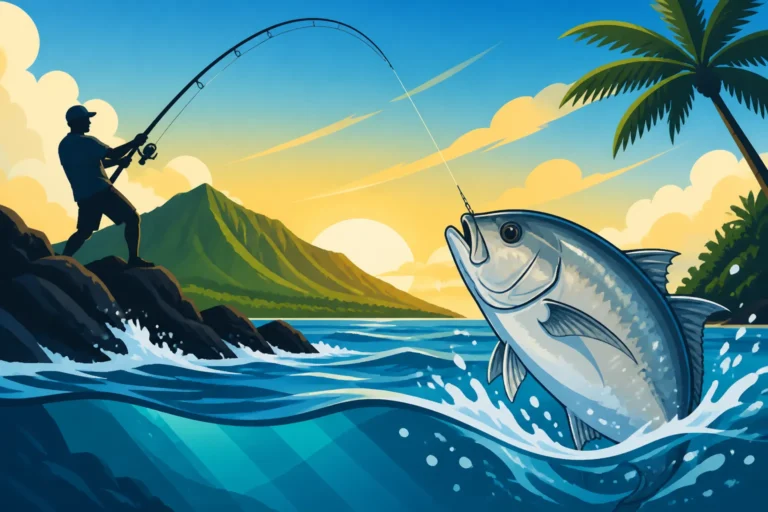
Ah, the quest for a trophy ulua! If you've ever stood on a Hawaiian shoreline, staring out at the vast Pacific with that burning desire for a truly massive fish, you know the frustration. It's not just about luck; these magnificent giant trevally are notoriously elusive, powerful, and demand a specific approach. Many anglers come here dreaming of that once-in-a-lifetime battle, only to find themselves endlessly casting without a bite. This guide is here to unravel the mysteries, helping you understand the best times of year to maximize your chances of hooking into that truly monumental ulua that makes all the effort worthwhile.
Understanding the Mighty Ulua in Hawaiian Waters
Before we dive into the "when," let's really get to know the fish we're after. The ulua, or Giant Trevally (Caranx ignobilis), is not just any fish; it's an apex predator of the reef and nearshore waters, revered by local anglers for its incredible strength and fighting spirit. They are truly the "brutes" of the reef.
The Life Cycle and Habits of Ulua Giant Trevally
Ulua start their lives as smaller, often brightly colored fish called papio. You might catch a papio weighing a pound or two in a shallow harbor, thinking it's a fun catch, and it certainly is! But these are just the juveniles, the toddlers of the species. As they mature, they move to deeper, more exposed waters, their bodies growing larger, more powerful, and taking on that characteristic silver-to-dark-grey hue. Understanding the difference between these life stages is crucial, as their behavior and preferred habitats change dramatically. For more on this, check out our guide on Ulua vs Papio: What's the Difference.
A trophy ulua isn't just big; it's ancient, wise, and has survived countless encounters with predators and anglers alike. They are opportunistic feeders, preying on anything from smaller reef fish and crustaceans to squid and even other juvenile ulua. Their diet dictates where they'll be, and their immense power allows them to dominate their feeding grounds. They're often found patrolling rocky points, reef drop-offs, and areas with strong currents that bring food directly to them. Knowing What ulua eat around Hawaii's reefs can significantly improve your bait choices.
Why Targeting Trophy Ulua is a Challenge
Let's be real: catching a trophy ulua isn't for the faint of heart. These fish are incredibly smart. They've seen it all, and they've developed a sixth sense for avoiding danger. They live in environments with sharp coral, unforgiving lava rock, and powerful currents, all of which they'll use to their advantage to break you off. This isn't light tackle sport; this is a full-body workout that requires dedication, specialized gear, and an understanding of their behavior.
Their sheer power is legendary. When a 50-pound (or even 100-pound!) ulua hits your line, it's not a gentle tug. It's an explosion of raw energy, a blistering run that can spool hundreds of yards of line in seconds. Many anglers, even experienced ones, have been humbled by an ulua's ability to simply rip line from a locked-down drag or snap heavy leader against a jagged reef. It takes serious preparation and mental fortitude to withstand their initial surge and then systematically battle them to shore or boat. This isn't just fishing; it's a test of wills.
Prime Seasons for Trophy Ulua Fishing in Hawaii
So, when exactly should you be out there, chasing these powerful fish? While ulua can be caught year-round in Hawaii, there are definitely periods that offer a significant advantage for landing a truly trophy-sized specimen. It often boils down to a combination of ocean conditions, lunar phases, and bait availability.
The Power of Winter Swells and Big Surf
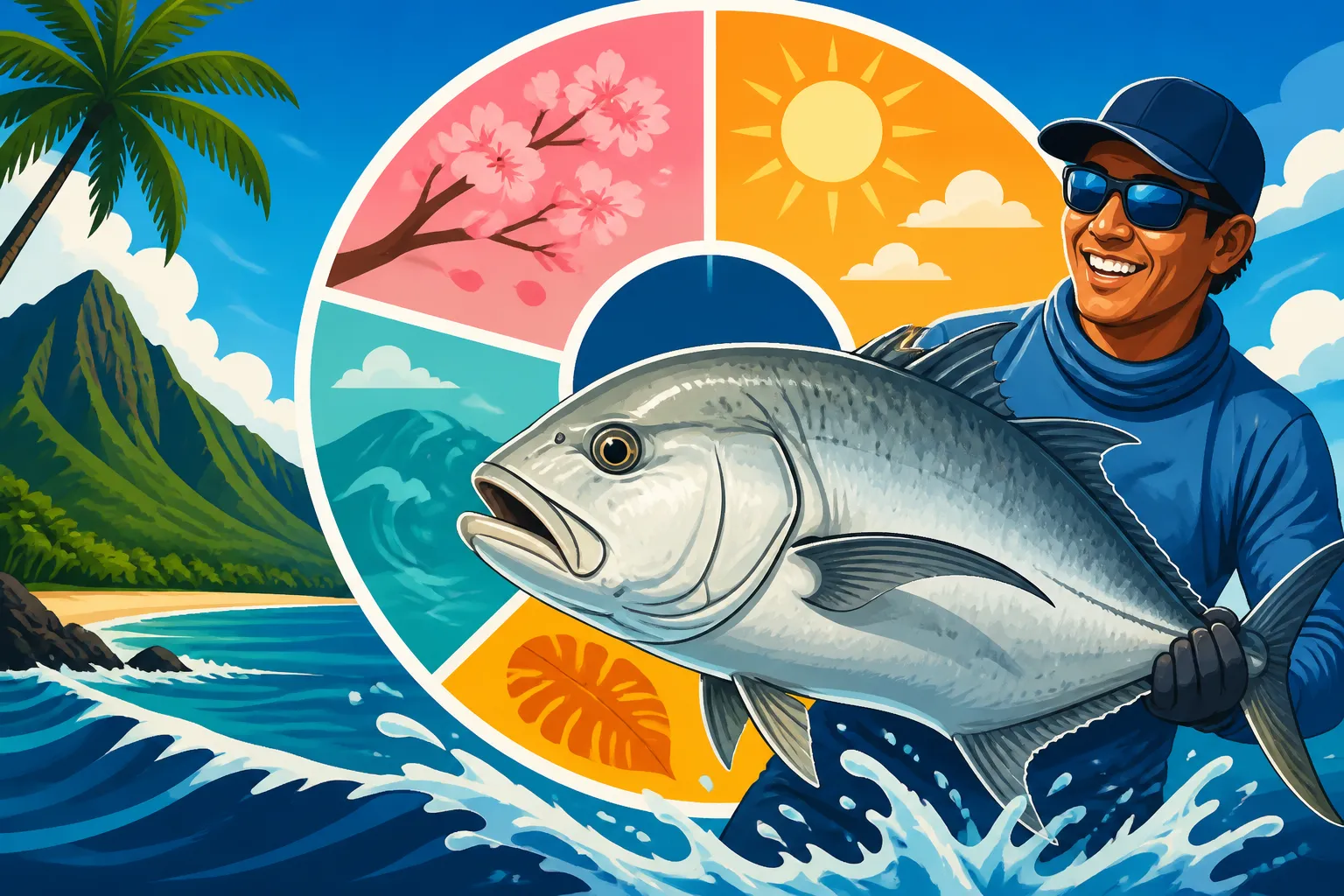
Hands down, one of the absolute best times to target trophy ulua from shore is during the winter months, roughly from November through April. Why? Because this is when Hawaii's northern and western shores get absolutely hammered by powerful winter swells. Now, you might be thinking, "Who wants to fish in that kind of craziness?" But here's the thing: these massive waves and their associated currents create a feeding frenzy for ulua.
As the big surf pounds the coastline, it stirs up the shallow reefs, dislodging crabs, shrimp, smaller fish, and other organisms that would normally be out of reach. This buffet of disoriented prey acts like a dinner bell for opportunistic predators like ulua. The turbulent water also provides cover for these large fish, allowing them to move into shallower, more accessible areas to feed without feeling as exposed. Think about it from the ulua's perspective: an easy meal and a chaotic environment where they're harder to spot by their own predators.
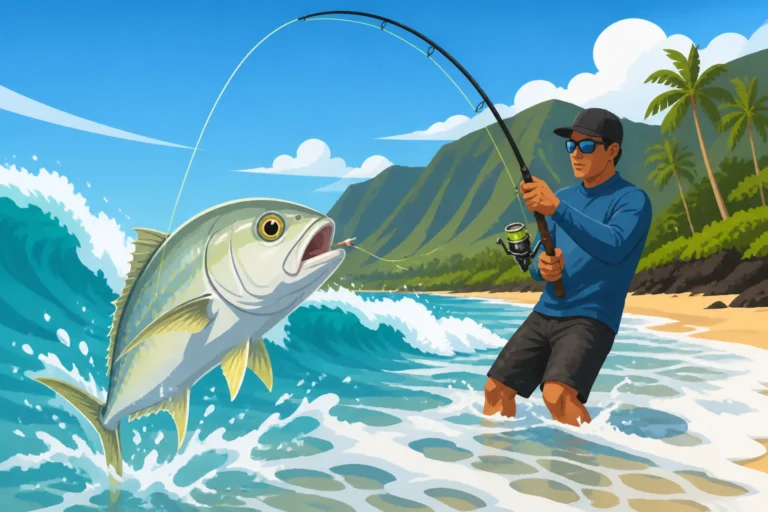
Experienced ulua anglers eagerly await these conditions. They look for the calm periods between large sets of waves or after a major swell has subsided but the water is still very churned up and productive. This isn't about fishing directly in the monster waves, which would be dangerous and unproductive, but rather understanding how the residual surge and current concentrate bait and offer ambush points. Our article on How to catch ulua during a big surf swell delves into specific tactics for these challenging but rewarding conditions.
Lunar Cycles and Tidal Influences for Ulua Success
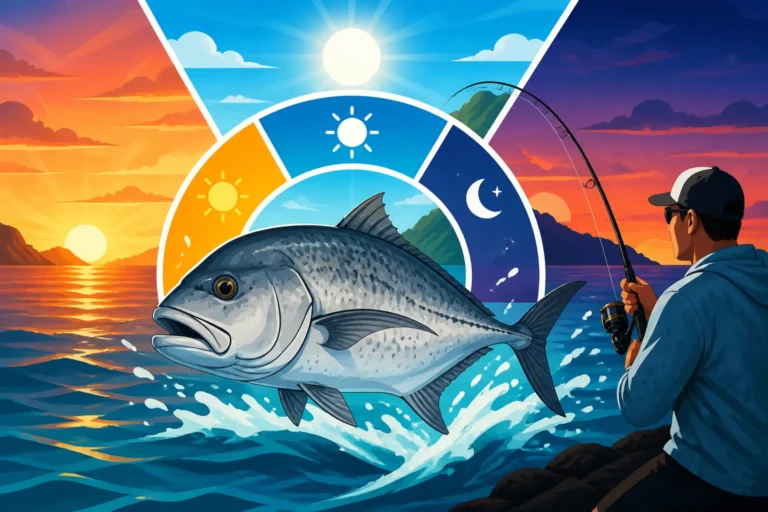
Beyond the seasons, the moon plays a surprisingly critical role in ulua behavior, particularly for those truly monster fish that prowl the night. The two most productive lunar phases for trophy ulua fishing are typically around the new moon and the full moon.
- New Moon (Dark Moon): This is often considered the holy grail for night fishing for ulua. With no moonlight illuminating the water, the darkness provides ultimate camouflage for these nocturnal predators. They are much more confident moving into shallower water to hunt under the cloak of extreme darkness. The stronger gravitational pull of the new moon also leads to larger tidal swings, which create stronger currents – another factor that ulua love for bringing food.
- Full Moon: While not as consistently celebrated as the new moon for shore fishing, the full moon can still be incredibly productive, especially for deeper water fishing or for ulua that are particularly active. The enhanced visibility might make them a bit warier in very shallow, clear water, but the strong tidal currents associated with the full moon can still trigger intense feeding activity. Some anglers even find success on the full moon during specific periods, perhaps just after moonrise or before moonset, when light levels are changing.
Regardless of the moon phase, strong tidal movement is paramount. Ulua are current-loving fish. Whether it's an incoming or outgoing tide, the periods of strongest water movement (typically an hour or two before and after peak high or low tide) are when these fish are most actively feeding. These currents not only transport food but also provide an easy way for ulua to ambush prey without expending too much energy. Learning about Best moon phase for ulua fishing can significantly sharpen your timing.
Warmer Months and Offshore Opportunities for Ulua
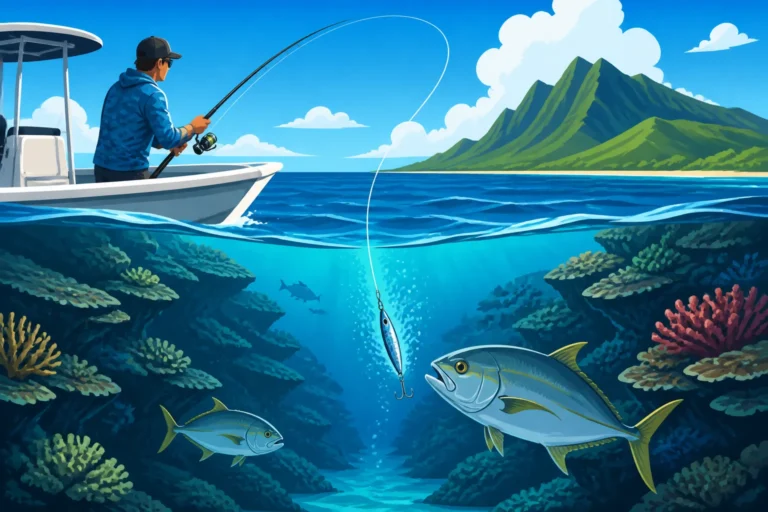
While winter swells are fantastic for shore-based trophy ulua, the warmer summer months (roughly May through October) also offer excellent opportunities, particularly for boat anglers targeting deeper water or areas around offshore structures.
During these calmer periods, baitfish schools like akule (bigeye scad) and opelu (mackerel scad) are often more abundant and predictable in offshore waters or around deeper harbor entrances and FADs (Fish Aggregating Devices). When large schools of bait are present, the bigger ulua will follow. This can mean trolling large lures or live bait around these schools or jigging heavy metal jigs on deep offshore reefs.
For those who venture out on kayaks or smaller boats, targeting the transition zones where deep water meets shallower reef, or areas with strong currents around points and channels, can be highly effective. While not as chaotic as winter surf, the consistent presence of bait and warmer water temperatures still makes ulua active. However, the true giants are often still found close to shore during specific conditions.
Essential Gear and Techniques for Trophy Ulua
Chasing a trophy ulua is not the time to skimp on your tackle. These fish will exploit any weakness in your setup. If you’re serious about landing a monster, you need to be prepared for war.
Heavy Tackle is Non-Negotiable
This isn't your average freshwater setup. For trophy ulua, especially from shore, you need robust gear built for extreme stress.
- Rods: Think heavy-duty surf rods, typically 10 to 14 feet long, capable of casting heavy weights (8-16 ounces or more) and absorbing the shock of a powerful run. Look for rods with a strong backbone but enough tip flexibility to cast. Brands like Daiwa, Shimano, or local custom rod builders are popular. You can often find excellent options for specialized surf rods on platforms like Amazon. For more detail, refer to Best rod setup for surfcasting ulua.
- Reels: Large, conventional reels are preferred for their sheer cranking power and line capacity. A reel like a Penn Squall or a Shimano Talica in a 30-50 size class, or even larger, loaded with hundreds of yards of heavy braided line, is essential. Smooth, powerful drag systems are critical, as you'll be putting immense pressure on them.
- Line: Forget monofilament for your main line. Braided line, with its incredible strength-to-diameter ratio and zero stretch, is the only way to go. You'll want 80-pound test braided line as a minimum, but many trophy hunters go up to 100-130 pound test. The lack of stretch helps you feel the bites and apply maximum pressure during the fight.
- Leader: This is where many battles are won or lost. You need heavy-duty monofilament or fluorocarbon leader, typically 150 to 300 pounds. Ulua have abrasive mouths and will rub your line on rocks. Short, heavy leaders (3-6 feet) are usually connected to the main line with strong knots like a Bimini Twist to a Uni Knot or an FG knot. Learning How thick a leader you need for ulua fishing is paramount for success.
- Hooks: Large, strong, single J-hooks are standard, often 10/0 to 16/0. Ensure they are forged and incredibly sharp. Brands like Mustad Demon Perfect or Owner Super Mutu are highly regarded.
- Sinkers: Pyramid or Sputnik sinkers ranging from 8 to 16 ounces (or even heavier in strong currents) are needed to hold your bait in place against the surf and current.
Effective Baits and Lures for Giant Trevally
Ulua are not picky eaters, but they do have preferences, especially the trophy-sized ones looking for a substantial meal.
- Sliding Baits (Live or Fresh Dead): This is the king of trophy ulua baits. A whole fish, like an akule (mackerel scad), opelu (mackerel scad), or even a smaller kahala (amberjack), presented live or fresh dead, is irresistible. The idea is to cast a heavy sinker out, then "slide" your bait down the main line to the terminal rig. This method keeps your bait in the strike zone longer and presents it naturally. What whole bait for ulua sliding rigs is a key piece of knowledge for any serious angler.
- Chunk Baits: Large chunks of fresh fish (tuna, opelu, akule) or squid can also be effective, especially when fishing on the bottom or in areas with consistent current. The scent trail can attract ulua from a distance.
- Large Lures: For active hunting, especially at dawn or dusk, big poppers (6-8 inches or more) can entice explosive topwater strikes. Large swimbaits or stickbaits, retrieved erratically, can also trigger bites. While often used for smaller papio, a truly large lure might attract an opportunistic ulua. However, for sheer trophy size, bait usually reigns supreme.
Mastering Shorecasting and Sliding Bait Rigs
The primary technique for shore-based trophy ulua is often heavy surfcasting, typically employing the sliding bait rig.
- Finding Your Spot: Look for rocky points, channels between reefs, or areas where waves are breaking, creating white water and current. These are prime ambush points.
- Casting the Weight: Using your heavy surf rod, cast your sinker out as far as you can into the desired zone. The goal is to get it to hold firmly on the bottom. Practice is key to distance and accuracy, especially with Best line for surfcasting from a rocky shore.
- Sliding the Bait: Once your sinker is settled, attach your baited leader (with a sturdy snap swivel) to your main line and let it "slide" down. The current will carry it away from your main line, presenting it naturally. Keep your line relatively tight to feel for bites. You can find detailed instructions in our guide on Sliding Bait Techniques for Ulua.
- Waiting Game: Ulua fishing is not for the impatient. You might wait hours, or even a full night, for that one explosive bite. Keep your drag set appropriately – tight enough to set the hook but loose enough to prevent immediate break-offs.
- The Strike: When a trophy ulua hits, there's usually no mistaking it. Your rod will bend violently, and line will scream off your reel. Resist the urge to immediately crank; let the fish take some line on its first blistering run. Then, lean into the fight, pumping the rod and reeling down, gaining line when you can. Be prepared for a long, grueling battle.
Maximizing Your Chances: Local Knowledge and Persistence
Beyond the gear and the seasons, a huge part of successful trophy ulua fishing comes down to local insight, patience, and a deep respect for the ocean.
Scouting the Best Ulua Hotspots
You can have the best gear and fish during the perfect moon phase, but if you're not fishing in the right spot, your chances are slim. Trophy ulua prefer areas that offer both food and structure.
- Rocky Points and Lava Flows: These areas create current breaks and ambush points. Ulua will patrol the edges, waiting for prey to be swept by.
- Deep Channels and Trenches: These underwater features serve as highways for fish, and ulua will often lie in wait along their edges.
- Reef Drop-offs: Where shallow reefs suddenly plunge into deeper water, ulua will cruise, moving between different depth zones to feed.
- Areas of Consistent Bait Activity: If you observe schools of baitfish, especially at dusk or dawn, it's a good indicator that predators like ulua are nearby.
Local knowledge is invaluable here. Talk to seasoned local anglers (respectfully!), observe where people are fishing, and use tide charts and marine forecasts to your advantage. Sites like Best night fishing spots for ulua in Hawaii can offer specific locations to start your scouting. However, remember that the best spots are often found through personal exploration and perseverance.
The Importance of Night Fishing
We've touched on the new moon, but it bears repeating: night fishing is often the most productive time for trophy ulua, especially from shore. Ulua are primarily nocturnal feeders. The cover of darkness provides them with a significant advantage over their prey, and they become much bolder, venturing into shallower water and actively hunting.
When fishing at night, safety is paramount. Always go with a buddy, bring reliable headlamps or lanterns, and be keenly aware of your surroundings, especially regarding waves and slippery rocks. A heavy-duty cooler can double as a seat and a place to store your catch if you're lucky enough to land one. The stillness of the night, broken only by the sound of waves and the occasional hoot of an owl, adds a magical, almost primal dimension to the pursuit.
Patience, Persistence, and Respect for the Ocean
Let's face it: trophy ulua fishing can be humbling. You might spend countless hours, endure bug bites, tangled lines, and the occasional lost fish, all without that glorious strike. This is where patience and persistence become your greatest assets. It's not uncommon for dedicated ulua anglers to fish all night, multiple nights in a row, for just one opportunity.
The ocean in Hawaii is a powerful, sacred place. Always approach it with respect. Take only what you need, adhere to all local regulations (including bag and size limits, if applicable, though many trophy ulua are caught and released), and leave no trace behind. If you are fortunate enough to land a trophy ulua, handle it with care, especially if you plan to release it. These magnificent creatures are a vital part of Hawaii's marine ecosystem, and ensuring their sustainability is everyone's kuleana (responsibility).
Being prepared means more than just gear; it means being ready for the conditions, understanding the fish, and having the mental toughness to keep going. The reward, when it finally comes, is truly unforgettable. An ulua is not just a fish; it's a symbol of strength, perseverance, and the raw beauty of Hawaii's wild marine environment.
Here's a quick summary table to help you plan your trophy ulua expedition:
| Factor | Optimal Conditions for Trophy Ulua | Notes |
|---|---|---|
| Season | Winter (Nov-Apr) | Big swells create turbulence, dislodge food, and provide cover for ulua nearshore. |
| Moon Phase | New Moon (Primary) | Deepest darkness provides best cover for nocturnal hunting; strong tides. Full Moon also productive due to strong tides. |
| Tidal Movement | Strong incoming/outgoing currents | Actively feeding fish use currents to ambush prey; usually an hour or two around peak high/low tide. |
| Time of Day | Night | Ulua are highly nocturnal; boldest hunters in the dark. Dawn/dusk can also be productive. |
| Water Clarity | Moderately Churned | Not crystal clear, not muddy; stirred up water from swells can be excellent, providing cover and dislodging food. |
| Location | Rocky points, reef drop-offs, channels, areas with bait schools | Focus on structure and current breaks where ulua ambush prey. Check Where the biggest ulua live in Hawaii. |
| Weather | Post-swell calm, stable pressure | Fishing Best time to fish after a big swell can be prime. Avoid fishing directly in dangerous storm conditions. |
Disclaimer
Fishing in Hawaii, like any outdoor activity, carries inherent risks. Always prioritize your safety and be aware of ocean conditions, local wildlife, and emergency procedures. Adhere to all current Hawaii fishing regulations, license requirements, bag limits, and protected species guidelines set by the Department of Land and Natural Resources (DLNR) Division of Aquatic Resources (DAR). Information provided here is for general guidance and educational purposes only and should not replace professional advice or personal judgment.