Wading Techniques for Hawaii Shore Fishing
Stepping into Hawaii's pristine nearshore waters to fish isn't just an activity; it's an immersion into the very soul of the islands. However, many anglers arrive, look at the daunting lava rock, the vibrant coral, and the powerful waves, and feel utterly lost on how to safely and effectively navigate these unique environments. This guide is dedicated to demystifying the art of wading for shore fishing in Hawaii, offering practical advice and essential knowledge to help you safely access those hidden honey holes and connect with the incredible marine life that calls these reefs home.
Why Wade Fish in Hawaii: Understanding the Unique Appeal
Hawaii's fishing scene is famous for its offshore action, with big game charters chasing marlin and tuna far out in the deep blue. But for many, the real magic happens closer to shore, and wading opens up a whole new world. It's an intimate, hands-on approach to fishing that connects you directly with the ocean in a way a boat simply can't.
Accessing Untouched Waters and Hidden Spots
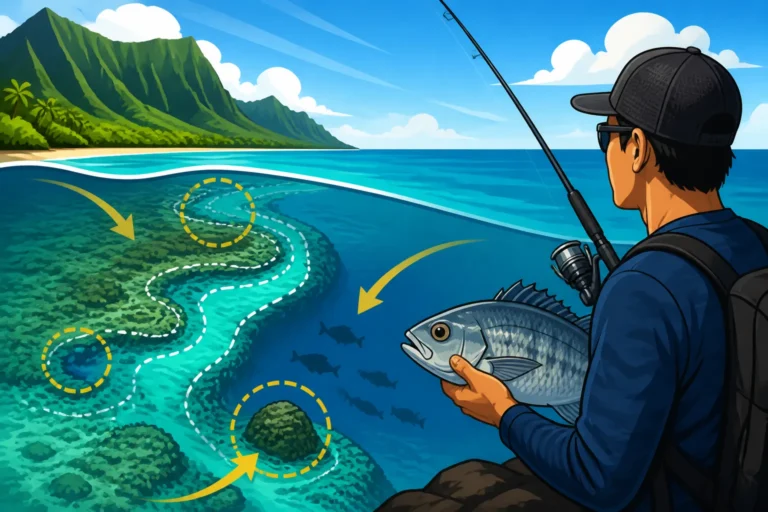
One of the biggest frustrations for shore anglers in popular areas is the crowd. Everyone fishes the same accessible beaches, piers, and jetties. Wading, however, allows you to literally walk away from the beaten path. Imagine seeing a pristine stretch of reef, a secluded tidal pool, or a quiet sandy flat that's just out of casting range from the shore but perfectly reachable by carefully wading. These are often the places where fish feel less pressured and more willing to strike. You can reach the backside of small islets, explore tide pools that hold juvenile fish, or work the edges of extensive reef systems where larger predators patrol. This access often leads to encounters with species that rarely see a hook, offering a truly unique and rewarding experience.
The Thrill of Being Connected to the Environment
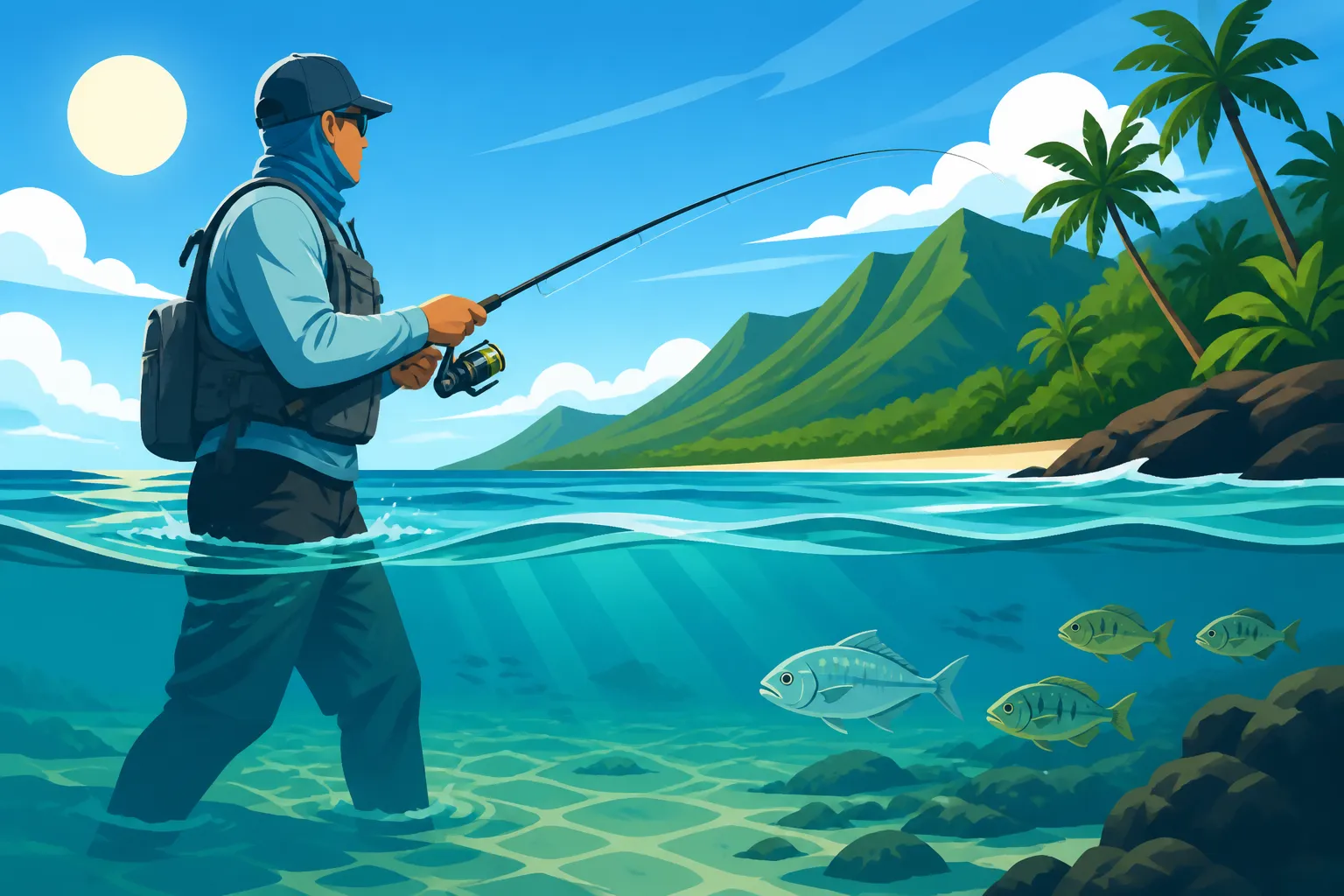
There’s a primal satisfaction that comes with wading. You're not just casting from a stable platform; you're feeling the gentle pull of the current against your legs, navigating the diverse textures of the reef underfoot, and observing the marine world unfold around you. The water is often crystal clear, allowing you to spot fish, understand their movements, and even watch them take your bait or lure. This direct connection fosters a deeper appreciation for Hawaii's delicate ecosystems. It's an active form of fishing, requiring constant awareness of your surroundings – from the shifting sands to the sudden drop-offs – making every cast feel like a part of a larger adventure.
Overcoming Crowds and Boat Limitations
While fishing from a boat has its advantages, it also comes with limitations, especially for inshore pursuits. Small boats can struggle in shallow, rocky areas, and launching can be a hassle. More importantly, boat charters can be expensive, and they operate on a fixed schedule. Wading, on the other hand, offers unparalleled freedom. You can pick your spot, go at your own pace, and stay as long or as short as you like, adapting to the fish's feeding patterns and the changing tides. This flexibility means you can target specific times, like an early morning low tide or a dusk high tide, without being tied to a charter's schedule. Plus, in many popular fishing locations, the inner portions of the reef or the shallow flats are simply inaccessible to even the smallest skiff, making wading the only viable option for truly working those areas. It’s also often easier to escape the crowds when you can walk to less-frequented stretches of coastline.
Essential Gear for Safe and Effective Hawaii Wade Fishing
Before you even think about stepping foot into the water, proper gear is paramount. Hawaii's shorelines, while beautiful, can be deceptively rugged and dangerous. Investing in the right equipment isn't just about comfort; it's about safety and maximizing your chances of success.
Footwear: Reef Boots, Wading Shoes, and Tabis
This is arguably the most critical piece of equipment for any Hawaii wader. The sharp lava rock, jagged coral, and slippery algae found on Hawaiian reefs can turn a fantastic fishing trip into a painful emergency room visit in a heartbeat. You absolutely need robust, puncture-resistant footwear with excellent grip.
- Reef Boots: These are typically heavy-duty boots, often made of neoprene or durable synthetic materials, with thick rubber soles designed for traction on wet, uneven surfaces. Brands like O'Neill or NRS make excellent options. They offer ankle support and protection from coral cuts and urchin spines. Many experienced anglers prefer these for their superior protection and durability, especially when navigating areas known for rough terrain or high concentrations of sea urchins.
- Wading Shoes/Sneakers: Lighter than full boots, these are essentially durable, quick-drying shoes with tough soles and drainage. They are more comfortable for long treks along the shore to reach your wading spot. Look for shoes with siping (small slits in the sole) for better grip on wet rocks. However, they might offer less ankle support and protection against sharp coral than dedicated reef boots.
- Tabis: Traditional Japanese-style split-toe footwear, popular among local fishermen. Tabis provide excellent tactile feel, allowing you to "grip" rocks with your toes, which can be invaluable on very slippery or uneven terrain. They often come with felt or spiked soles for maximum grip. While they offer superb dexterity, they typically provide less puncture protection than thick-soled reef boots and require a bit of getting used to.
No matter your choice, ensure they fit snugly to prevent sand and small pebbles from entering, which can cause blisters and discomfort. It's often worth trying a few different styles to find what feels most secure and comfortable for your specific needs, considering the types of shorelines you plan to explore. You can find a wide range of these specialized footwear options on Amazon, often with detailed reviews from other shore anglers.
Wading Apparel: Protection from Sun and Reefs
Hawaii's sun is no joke, and neither are its sharp reefs. Your clothing needs to protect you from both.
- UV-Protective Clothing: Long-sleeved shirts, pants, and neck gaiters made from UPF-rated fabric are essential. Not only do they protect you from sunburn, but they also offer a thin barrier against incidental scrapes from coral or barnacles. Light-colored, breathable materials are best to keep you cool.
- Board Shorts/Quick-Dry Pants: If you're not wearing full wading pants, durable board shorts or quick-dry fishing pants are a good choice. Avoid cotton, which stays wet and can chafe.
- Hat and Sunglasses: A wide-brimmed hat will protect your face and neck, while polarized sunglasses are crucial for spotting fish and reading the water, reducing glare dramatically.
- Gloves: Wading gloves (often fingerless to maintain dexterity) can protect your hands from cuts and abrasions when handling fish, lines, or scrambling over rocks. They also provide a bit of grip if you need to steady yourself.
Think about layering if you plan to be out for extended periods or during cooler, windier conditions. A light, waterproof jacket might be beneficial, especially if a sudden rain shower rolls in.
Fishing Equipment: Rods, Reels, and Tackle for Wading
Your fishing setup needs to be suitable for the environment and the species you're targeting while remaining manageable to carry while wading.
- Rod and Reel: A medium-light to medium-heavy spinning combo is generally versatile for Hawaiian shore fishing. For throwing artificial lures and bait from shore, a rod in the 7-foot to 10-foot range is common, offering good casting distance and fighting power. If you're primarily targeting bonefish on flats, a lighter setup might be preferred for finesse. For heavier targets like ulua or papio, a sturdy 9-11 foot rod paired with a durable, corrosion-resistant spinning reel in the 5000-8000 series is ideal. Make sure your reel is sealed or designed for saltwater use, as it will inevitably get wet.
- Line: Braided line (20-50 lb test, depending on target species) is popular for its sensitivity and casting distance. Pair it with a fluorocarbon leader (20-60 lb test) for abrasion resistance and invisibility underwater.
- Lures and Bait: This varies greatly depending on what you're chasing. For papio and small trevally, small poppers, Kastmasters, and soft plastics work wonders. For bonefish, leadhead jigs with plastic tails or even small shrimp patterns are effective. If you're targeting larger predators like ulua, live bait (opelu, akule) or cut bait is often preferred. Always bring a variety and adjust based on what the fish are hitting. Carrying a small, waterproof tackle box or a sling pack is much more convenient than a bulky bucket while wading.
- Pliers/Fish Grips: Essential for safely removing hooks and handling toothy fish without injury. Look for saltwater-resistant tools that can be attached to your belt or pack.
Remember, less is often more when wading. Only bring what you genuinely need to minimize bulk and make navigation easier.
Safety Gear: PFDs, Wading Staffs, and Communication
Safety should always be your top priority when wading, especially in unpredictable ocean environments.
- Personal Flotation Device (PFD): While not always worn by experienced waders in very shallow, calm areas, if you're venturing into deeper water, areas with strong currents, or if you're not a strong swimmer, a lightweight, inflatable PFD is a wise choice. It could be a lifesaver if you slip or get caught by a rogue wave.
- Wading Staff: This is an absolute game-changer for stability and probing the bottom. A sturdy, collapsible wading staff (easily found on Amazon or specialized fishing stores) can help you maintain balance on slippery rocks, test water depth, and detect sudden drop-offs before you step into them. It's like having a third leg, providing crucial support in challenging terrain.
- Communication Device: Always carry a fully charged cell phone in a waterproof bag or case. Even better, a personal locator beacon (PLB) or satellite messenger can be invaluable in remote areas where cell service is spotty. Let someone know where you're going and when you expect to return.
- First Aid Kit: A small, waterproof kit with bandages, antiseptic wipes, pain relievers, and any personal medications is non-negotiable. Cuts from coral and scrapes from rocks are common.
- Whistle: For attracting attention in an emergency.
- Water: Stay hydrated, especially in the Hawaiian sun. Carry enough water in a backpack or hydration pack.
Taking these precautions seriously can make the difference between an enjoyable day and a dangerous situation. Think of it this way: the ocean is beautiful but powerful, and showing it respect through preparation is key.
Reading the Hawaiian Waters: Understanding Tides, Currents, and Reefs
Successfully wading in Hawaii isn't just about having the right gear; it's about understanding the ocean itself. Hawaiian waters are dynamic, constantly changing with the tides, currents, and swells. Learning to "read the water" is a skill that will keep you safe and put more fish on your line.
Decoding Tide Charts and Their Impact on Wading
Tides play a monumental role in Hawaii's shore fishing, dictating access, fish behavior, and safety. You must consult a tide chart before every wading trip. Local bait and tackle shops often have them readily available, or you can find numerous apps and websites.
- Low Tide: This is often the prime time for wading because it exposes vast expanses of reef and sandy flats that are normally submerged. It provides easier access to deeper channels and drop-offs further out. Many species like bonefish (o'io) will move onto the exposed flats with the incoming tide, making the last hour of an outgoing tide and the first hour of an incoming tide incredibly productive. However, be aware that getting stranded on an outer reef by a quickly rising tide is a very real danger. Always keep an eye on the water level and your exit path.
- High Tide: While high tide limits access to many shallow areas, it can bring predator fish closer to shore, especially around rocky points, jetties, and deeper channels. Species like ulua (giant trevally) often hunt in the wash and surge created by high tide, bringing them within casting range. Wading during high tide also generally means deeper water, increasing the need for caution and potentially a PFD.
- Tidal Swings: Pay attention to the size of the tidal swing. A large swing means faster-moving water and stronger currents, which can be challenging to wade. A small swing might mean less movement and more stable conditions, but also less current to stimulate feeding activity. Understanding these patterns is crucial for planning your Best Time of Day to Catch Ulua or other target species.
Always allow yourself ample time to return to shore before the tide makes your path impassable. A good rule of thumb is to factor in extra time for unexpected challenges, such as a strong current or navigating around a suddenly appearing school of baitfish.
Identifying Currents, Rips, and Safe Entry/Exit Points
Currents are an ever-present force in Hawaii's waters and can be both your friend and your foe. They transport bait, create feeding opportunities, and can also sweep you off your feet.
- Currents: Look for visual cues like lines of foam, debris moving in a particular direction, or changes in water color. Areas where currents flow around points or through channels are often excellent fishing spots because they concentrate baitfish and provide ambush points for predators. However, these can also be incredibly strong and dangerous. Never wade into a current that feels too powerful to comfortably stand in.
- Rip Currents: These are concentrated, narrow currents of water flowing rapidly offshore, often appearing as a channel of choppy, discolored water or a break in the incoming wave pattern. Rip currents are extremely dangerous for swimmers and waders alike. If you get caught in one, remain calm, don't fight it directly, and swim parallel to the shore until you are out of the pull, then swim back to the beach. Learn to identify them from shore before you enter the water.
- Safe Entry/Exit Points: Always scout your entry and exit points thoroughly before you begin wading. Look for sandy patches, calmer water, or areas free of large, slippery rocks or dense coral. Memorize landmarks on shore so you can find your way back, especially if visibility changes due to rain, waves, or fading light. Having a clear, unencumbered path back to solid ground is non-negotiable for safety. You don't want to find yourself scrambling over sharp lava rock or navigating through crashing waves when you're tired and carrying fish.
Navigating Different Reef Structures and Substrates
Hawaii's shorelines offer an incredible diversity of bottom structures, each requiring a different approach and offering different fishing opportunities.
- Sandy Flats: These are often found near beaches and bays. They are generally easier to wade, but still require caution as they can have hidden depressions, swift currents, or patches of stingrays (shuffle your feet!). These flats are prime habitat for bonefish (o'io) and papio. Understanding the contours and depth changes is key here. Many of the Best Bonefishing Spots in Hawaii are found on vast sandy flats.
- Rocky Shorelines and Lava Fields: These are perhaps the most challenging to wade due to their uneven, sharp, and often slippery nature. Footwear with excellent grip and puncture resistance is paramount. Move slowly, deliberately, and use a wading staff for stability. These areas are excellent for targeting ulua, papio, kumu, and a variety of reef fish that hide among the rocks. Exploring Best Rocky Point Fishing Spots in Hawaii often involves navigating these terrains.
- Coral Reefs: Vibrant and teeming with life, coral reefs are also incredibly delicate and sharp. When wading over coral, always ensure your feet are well-protected and avoid stepping directly on live coral to prevent damage to both yourself and the reef. Look for sandy channels or rubble patches to walk through. These areas are home to a myriad of reef fish, including uhu (parrotfish), wrasse, and small trevally. Knowing How to Wade a Reef Flat Safely in Hawaii means minimizing your impact while maximizing your fishing success.
- Channels and Drop-offs: These are often the most productive areas, as they act as highways for fish moving between deeper and shallower water. Identifying these areas from shore (often by darker water color or wave patterns) and knowing how to safely position yourself to cast into them is crucial. Always approach drop-offs with extreme caution, using your wading staff to probe ahead.
Practical Wading Techniques for Various Shorelines
Once you have the right gear and an understanding of the water, it's time to put it into practice. Different Hawaiian shorelines demand different wading strategies for both safety and fishing effectiveness.
Wading Sandy Flats for Bonefish and Papio
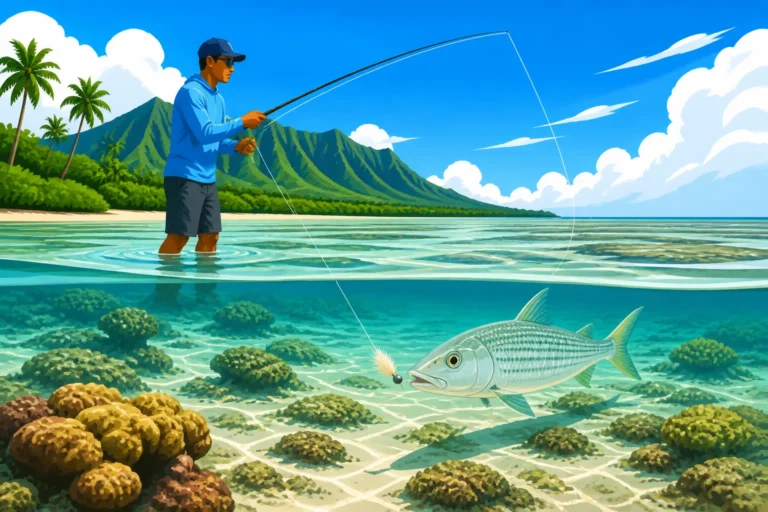
Sandy flats might seem benign, but they still require careful technique. These expansive, often shallow areas are iconic for sight-fishing for bonefish (o'io) and whipping for papio (juvenile trevally).
- Slow and Deliberate Movement: When wading sandy flats, especially for spooky fish like bonefish, stealth is paramount. Move slowly and deliberately, shuffling your feet to avoid spooking fish and to alert any stingrays resting on the bottom. Avoid splashing or making sudden movements that could send ripples across the calm water. Think of yourself as a hunter, stalking your prey.
- Reading the Micro-Topography: Even seemingly flat sand will have subtle contours – small depressions, ripples, and shallow channels. These micro-structures are where bonefish often root for food or where papio might ambush bait. Pay attention to how the water flows over these features; it can indicate where fish might be holding.
- Sight Fishing: On clear days, polarized sunglasses are your best friend. Look for subtle movements, shadows, or "nervous water" – areas where baitfish are scattering or bonefish are tailing as they feed. Cast ahead of the fish's direction of travel, allowing your lure or fly to settle before retrieving. For How to Catch Papio on Hawaii's Shoreline, focus on areas where the flat meets a deeper channel or where there's a slight drop-off.
- Targeting Papio: When whipping for papio, you can often be a bit more aggressive. Fan-cast across the flat, focusing on current lines, baitfish schools, or the edges of any deeper water. Small metal jigs or poppers are very effective here.
Many of the Best Sandy Beach Fishing Spots in Hawaii will have adjacent sandy flats perfect for these techniques. The key is patience and keen observation.
Navigating Rocky Shorelines and Lava Fields
Wading over Hawaii's rugged lava rock and rocky shorelines is perhaps the most challenging, but often the most rewarding, as these areas hold some of the biggest and most aggressive fish.
- The "Three Points of Contact" Rule: Always maintain at least three points of contact with the ground (two feet and your wading staff, or one hand and two feet) when moving over uneven, slippery, or sharp rocks. This drastically reduces your risk of slipping.
- Slow, Measured Steps: Never rush. Test each step before committing your full weight. Look for stable, flatter surfaces. Often, the algae-covered rocks are incredibly slippery, so try to step on bare rock or areas with less growth. Your heavy-duty reef boots will be essential here.
- Using Your Wading Staff: Your wading staff isn't just for balance; it's also a probe. Use it to test the depth and stability of the bottom before you step. It can also help you break your fall if you do slip.
- Understanding the Wash: Rocky shorelines are constantly battered by waves, creating a "wash" zone where water surges and recedes. This highly oxygenated, turbulent water is where many predators hunt. Position yourself safely on stable ground at the edge of this wash and cast your lures or bait into the churning water, allowing them to tumble naturally with the surge.
- Targeting Ulua and Kumu: Ulua love these turbulent, rocky environments. Heavy tackle, strong lines, and robust lures (or large live baits) are necessary. Cast into deeper channels, around prominent rock formations, and into the white water. Kumu (goatfish) are often found in the sandy pockets between rocks, rooting around for crustaceans.
Safety is paramount on rocky shorelines. Never turn your back on the ocean, and be constantly aware of incoming waves, especially larger sets that could sweep you off your feet.
Fishing Channels and Drop-offs from a Wading Position
Channels and drop-offs are highways for fish, offering deeper water and often stronger currents. Wading positions that allow you to cast into or along these features can be incredibly productive.
- Identifying Channels: From shore, channels often appear as darker strips of water, breaks in wave patterns, or areas where the current seems to accelerate. They can run parallel to the shore or cut perpendicularly through a reef flat.
- Positioning Yourself Safely: When wading near a channel or drop-off, always ensure you have solid footing on the shallower side. Never wade into a strong channel current if you're unsure of its depth or your ability to handle it. Use your wading staff to probe the edge of the drop-off before casting.
- Casting into the Flow: Cast your bait or lure upstream of the channel, allowing the current to carry it naturally down the channel, mimicking drifting food. This is often an effective technique for species like moi (Pacific Threadfin) or papio.
- Working the Edges: Fish often hold along the edges of channels, where they can dart out to ambush prey without expending too much energy fighting the main current. Focus your casts on these transition zones. For bottom-dwelling species, letting your bait drift into the deeper parts of the channel can be very effective.
- Targeting Moi: Moi, a prized Hawaiian fish, often inhabit these areas. They prefer sandy or silty bottoms near reef edges or channels. Light tackle and small, live baits like ghost shrimp or pieces of squid are often key. Understanding their habits and the best Float Fishing for Moi from Shore techniques can significantly increase your success.
Advanced Strategies and Considerations for the Serious Wader
Once you've mastered the basics, there's a whole new level of wading to explore. These advanced tactics and considerations can unlock opportunities for larger fish and more challenging conditions.
Night Wading: Risks, Rewards, and Specialized Gear
Wading under the cover of darkness can be incredibly productive, especially for elusive nocturnal predators, but it carries significant risks.
- The Rewards: Many of Hawaii's biggest predators, like ulua (giant trevally), are primarily nocturnal feeders. Under the cloak of night, they move into shallower water to hunt, offering unparalleled opportunities for land-based anglers. The fish are often less wary, and the lack of boat traffic can make for a quieter, more intimate experience. For example, Night Fishing for Ulua in Hawaii is a time-honored tradition.
- The Risks: Reduced visibility dramatically increases the risk of falls, encounters with marine life (sharks, moray eels), and disorientation. It's much harder to read currents, spot drop-offs, or identify your entry/exit points.
- Specialized Gear for Night Wading:
- Headlamp: Essential, but use it sparingly. A red light setting is less disruptive to your night vision and less likely to spook fish. Only use a bright white light when absolutely necessary for re-tying or navigating.
- Backup Light Source: Always carry a second headlamp or a powerful flashlight in a waterproof container. Batteries can die unexpectedly.
- Enhanced Footwear: Even more critical at night. You can't see what you're stepping on, so maximum protection is a must.
- Know Your Area: Never night wade in an unfamiliar area. Only explore spots you've thoroughly scouted in daylight, noting every obstacle, current, and safe path.
- Buddy System: Always wade with a partner at night. Two pairs of eyes are better than one, and you have someone to assist in an emergency.
- Communication: A whistle or even a marine radio can be vital for communicating with your partner or for signaling for help.
Night wading is not for beginners. It requires a high level of confidence, preparedness, and respect for the ocean's power.
Stealth and Presentation: Approaching Wary Fish
Wading puts you right in the fish's environment, which means they can often sense your presence. Mastering stealth and presentation is key to tricking wary fish.
- Low Profile: When approaching a known fishing spot, especially on clear flats, keep a low profile. Walk slowly, crouch down, and avoid silhouetting yourself against the sky. Fish are incredibly sensitive to movement and shadows.
- Minimize Noise and Vibration: Every step you take, every splash, sends vibrations through the water. Move as quietly as possible. Avoid dragging gear, bumping rocks, or loud conversations. Think about how easily you might spook a school of fish by simply walking along the shoreline – that effect is magnified when you're in the water.
- Accurate Casting: Your first cast is often your best chance. Practice accurate casting to place your lure or bait precisely where you want it without spooking the target. Avoid repeated, sloppy casts that churn the water.
- Natural Presentation: Whether using lures or bait, strive for a natural presentation. For lures, retrieve them in a way that mimics injured baitfish or crustaceans. For bait, ensure it drifts or rests naturally. Consider using lighter leaders if the fish are particularly finicky, but always balance this with the need for abrasion resistance around sharp reefs. Sometimes, the subtle jigging motion that comes from wading can impart an irresistible action to your lure.
Fish like bonefish and larger trevally are incredibly intelligent and wary. A careless approach or an unnatural presentation can send them fleeing, ruining your chances.
Weather and Swell: When to Stay Ashore
Hawaii's weather can change rapidly, and ocean conditions are dictated heavily by swell. Knowing when not to wade is as important as knowing how.
- Swell Direction and Size: Always check the surf report before heading out. A large swell, especially one hitting your target shoreline directly, can make wading incredibly dangerous. Even a moderate swell can create powerful surge and rip currents. The North Shore of Oahu, famous for its big waves, can be incredibly dangerous during winter swells, making any wading impossible.
- Wind Conditions: Strong winds can make casting difficult and create choppy water that hides obstacles and fish. It can also push you around in the water, compromising your balance. Downwind fishing can be effective if you're able to cast far and the wind isn't too strong.
- Rain and Visibility: Heavy rain can reduce underwater visibility, making it harder to spot fish and navigate safely. It can also make rocks even more slippery. While a light shower might not be an issue, prolonged or heavy rain is a sign to stay ashore.
- Lightning: If there's lightning in the area, get out of the water immediately. You are an electrical conductor, and being in the open water during a thunderstorm is extremely risky.
- Intuition: If the conditions feel "off," or if you have a bad feeling, trust your gut and stay on shore. No fish is worth risking your life for. There will always be another day to fish. Remember, even experienced local anglers show great respect for the ocean's power. Sometimes the Best Time of Year to Fish in Hawaii is also the time when certain areas are most dangerous due to swell.
Respecting the Aina and Marine Life: Ethical Wading Practices
Fishing in Hawaii is a privilege, and with that comes a responsibility to protect the aina (land) and its precious marine resources. Ethical wading practices ensure that these incredible fishing opportunities remain for future generations.
Understanding Regulations and Protected Areas
Hawaii has specific fishing regulations designed to protect its unique marine ecosystem. Ignorance of the law is not an excuse, and penalties for violations can be severe.
- Fishing Licenses: While most marine recreational fishing in Hawaii has traditionally not required a license for residents, freshwater fishing and certain commercial activities do. However, non-residents usually need a marine fishing license. Always check the current regulations, especially if you are a visitor. For example, understanding the Hawaii Fishing License Guide for 2026 or the specific requirements for a Hawaii Nonresident Marine Fishing License, Explained is crucial before you cast your line.
- Bag and Size Limits: Each species has specific bag limits (how many you can keep) and size limits (minimum and sometimes maximum length). These are in place to ensure sustainable populations. For instance, knowing the Hawaii Bag and Size Limits by Species for moi, uhu, or papio is essential. Measure your catch carefully and release any undersized or oversized fish immediately.
- Closed Seasons: Some species have closed seasons to protect them during spawning or critical life stages. For example, the Hawaii Moi Closed Season, Explained is a critical regulation to observe.
- Marine Life Conservation Districts (MLCDs) and Fish Replenishment Areas (FRAs): These are designated protected areas where fishing, gathering, or even entering the water might be restricted or entirely prohibited. MLCDs, like those explained in What a Marine Life Conservation District means for anglers, are typically "no-take" zones. FRAs may have specific rules. Always check the boundaries and regulations for any area you plan to fish. You can find this information through the Hawaii Division of Aquatic Resources (DAR) website or at local tackle shops.
- Prohibited Methods: Certain fishing methods, such as spearfishing with SCUBA or using certain types of nets, are prohibited in specific areas or entirely.
It is your responsibility to know and abide by all current Hawaii Fishing Regulations Explained. When in doubt, err on the side of caution or ask a local authority.
Minimizing Impact and Practicing "Leave No Trace"
Wading means you are directly interacting with the marine environment. It's vital to minimize your footprint and leave no trace behind.
- Protect the Reef: Never step directly on live coral. Coral reefs are fragile and grow very slowly. Even a single step can kill decades of growth. Aim to walk on sandy patches, rock ledges, or areas of dead coral rubble. This is where your good wading footwear becomes even more important, as it protects you while allowing you to be mindful of your steps.
- Pack It In, Pack It Out: Whatever you bring with you, take it all back out – and then some. This includes all fishing line, lures, bait packaging, food wrappers, and water bottles. Consider bringing a small mesh bag to collect any trash you find, even if it's not yours.
- Responsible Release: If you're practicing catch and release, do so quickly and with care. Minimize the fish's time out of water, handle it with wet hands, and support its body fully. If a fish is deeply hooked, cut the line rather than attempting to rip the hook out, which can cause internal damage.
- Respect Private Property and Public Access: Always be aware of property lines and respect private land. While Hawaii has strong public access laws, courtesy goes a long way. Use designated access points and avoid disturbing residents.
By following these principles, you become a steward of the environment, ensuring that the aina remains healthy and beautiful for everyone.
Safe Encounters with Marine Life
Hawaii's waters are home to a diverse array of marine life, some of which require a respectful distance or special handling.
- Sharks and Rays: While encounters are rare, sharks and stingrays do inhabit Hawaiian nearshore waters. If you see a shark, calmly and quietly exit the water. Shuffle your feet when wading sandy areas to scare off any stingrays buried in the sand. Always be aware of your surroundings, and if you're gutting fish, do it away from where you are wading.
- Sea Urchins (Wana): These spiny creatures are abundant on Hawaiian reefs. Their spines can inflict painful, deep punctures. Your wading boots are your first line of defense, but watch where you step. If you do get stung, hot water can help break down the venom, and a visit to urgent care might be needed to remove deeply embedded spines.
- Moray Eels: These ambush predators live in reef crevices. While generally shy, they can deliver a nasty bite if provoked or if you inadvertently put your hand or foot near their den. Avoid reaching into dark holes or crevices in the reef.
- Protected Species: Hawaii's waters are home to federally protected species like Hawaiian monk seals and green sea turtles (honu). It is illegal and harmful to approach, harass, or touch these animals. Maintain a respectful distance (usually 50-100 feet). If you accidentally hook one, do everything possible to release it safely without bringing it out of the water, and contact the local authorities (DLNR) for assistance if needed.
- Recognize Warning Signs: Observe the behavior of local birds and other marine life. Sudden changes in behavior can indicate the presence of larger predators or other unusual activity.
By understanding the local marine environment and showing respect for its inhabitants, you ensure a safer and more harmonious wading experience.
Disclaimer
The information provided in this guide is for general informational purposes only and does not constitute professional advice. Wading in ocean environments carries inherent risks, and conditions can change rapidly. Always prioritize your safety, exercise caution, and consult local authorities or experienced professionals before undertaking any fishing activity. Always check current regulations from the Hawaii Division of Aquatic Resources (DAR) as rules and laws can change. The author and publisher are not responsible for any accidents, injuries, or legal issues that may arise from the use of this information.