Bank Fishing Techniques for Freshwater Reservoirs
There's a common misconception that fantastic fishing in Hawaii always requires a boat, especially when you're dreaming of those big catches in our freshwater reservoirs. For many of us, owning or renting a boat isn't always practical or affordable, leaving us feeling like we're missing out on some incredible opportunities. But I'm here to tell you that some of the most rewarding and accessible fishing experiences can be found right from the shore of our beautiful Hawaiian reservoirs. This guide will walk you through everything you need to know about effective bank fishing techniques, ensuring you can enjoy a productive day on the water without ever stepping foot on a vessel.
Understanding Hawaii's Unique Freshwater Reservoirs
Hawaii might be famous for its deep blue ocean, but our islands also hide some fantastic freshwater fishing opportunities, particularly in our man-made reservoirs. These bodies of water, often tucked away amidst lush landscapes, offer a completely different angling experience from the ocean. They hold a diverse array of introduced species, providing exciting challenges for bank anglers. However, you'll need to know which reservoirs are open to public fishing and understand their specific rules.
Publicly Accessible Fishing Reservoirs
Not all reservoirs are open for public fishing, and it's crucial to know where you can legally cast a line. The two most prominent and accessible freshwater fishing reservoirs on O'ahu are Wahiawa Reservoir and Nuuanu Reservoir. On Kaua'i, the Kokee Public Fishing Area is a celebrated spot, particularly for trout. These locations are managed by the Hawaii Division of Aquatic Resources (DAR), and they each have their own nuances regarding access, species, and regulations. It's always a good idea to check the most current information before heading out, as rules can change. For a deep dive into one of O'ahu's prime spots, make sure to check out our comprehensive Wahiawa Reservoir Fishing Guide.
Wahiawa Reservoir, also known as Lake Wilson, is a sprawling body of water on O'ahu that's teeming with various freshwater game fish. It's renowned for its peacock bass, largemouth bass, and tilapia populations, offering diverse opportunities for bank anglers. There are several designated public access points, some with picnic areas and facilities, making it a great spot for a family outing. Anglers often find success targeting points, coves, and areas with submerged timber or vegetation from shore.
Nuuanu Reservoir on O'ahu, while smaller and often less crowded than Wahiawa, also holds a good population of freshwater fish. Access can be a bit more restrictive here, and it's vital to respect all posted signs and regulations. This reservoir tends to have cooler, clearer waters, which can influence fish behavior and the techniques you might employ. For a detailed look at this serene fishing spot, you'll want to read our guide on Nuuanu Reservoir Fishing Guide.
Specific Regulations for Reservoir Fishing
Just like ocean fishing, freshwater reservoir fishing in Hawaii comes with its own set of rules and regulations. This includes needing a specific freshwater fishing license, which is distinct from any marine license. It's not just about having a license; you also need to understand bag limits, size restrictions, and specific gear prohibitions that might apply to certain species or areas. For instance, some reservoirs might have restrictions on the use of live bait, or specific hook types.
The Department of Land and Natural Resources (DLNR) Division of Aquatic Resources (DAR) is the governing body, and their regulations are designed to protect and sustain our freshwater fisheries. Ignoring these rules can lead to hefty fines and a ruined day, so make sure you're well-versed in the local laws. You can find detailed information by consulting guides like Hawaii Freshwater Fishing License and Rules or by directly visiting the DAR website. Remember, these rules are in place for a reason—to ensure that future generations can enjoy the same incredible fishing experiences we do. Understanding the nuances of Hawaii DLNR Fishing Regulations Explained will always serve you well.
For instance, the Kokee Public Fishing Area on Kaua'i has a very specific season for rainbow trout fishing, typically opening in early August. There are also specific rules about the type of bait and lures allowed. Knowing these details in advance saves you from disappointment and ensures you're fishing legally and responsibly.
Essential Gear for Bank Fishing Success
When you're fishing from the bank, your gear setup becomes even more crucial. You don't have the luxury of a boat to store endless tackle boxes, so portability and versatility are key. The right rod, reel, line, and terminal tackle will make all the difference in casting distance, fighting fish, and presenting your bait effectively from shore.
Rod and Reel Combos for Shore Anglers
For freshwater reservoir bank fishing, a medium-light to medium-heavy spinning rod, typically in the 6'6" to 7'6" range, is often the most versatile choice. This length provides good casting distance without being cumbersome when maneuvering along the shoreline, especially if you're dealing with overgrown areas. A fast action rod tip offers sensitivity to detect subtle bites, which is particularly useful for species like tilapia or when fishing with finesse techniques for wary bass. The backbone of a medium power rod will give you enough leverage to set the hook firmly and steer larger fish away from snags, which are common in reservoir environments.
Pair this with a spinning reel in the 2500 to 4000 size range. This size offers a good balance of line capacity and retrieve speed, capable of handling most freshwater species you'll encounter in Hawaii. Look for a reel with a smooth drag system, as this is vital for preventing line breaks when a peacock bass makes a sudden run or a big largemouth tries to dive into cover. Brands like Shimano, Daiwa, or Penn offer reliable options that can withstand the demands of frequent use. You might even find some great deals on versatile rod and reel combos for beginners on Amazon, allowing you to get started without breaking the bank.
Terminal Tackle Essentials
Your terminal tackle is where the magic happens, connecting your line to your lure or bait. For reservoir fishing, a versatile selection of hooks, weights, swivels, and leader material is paramount.
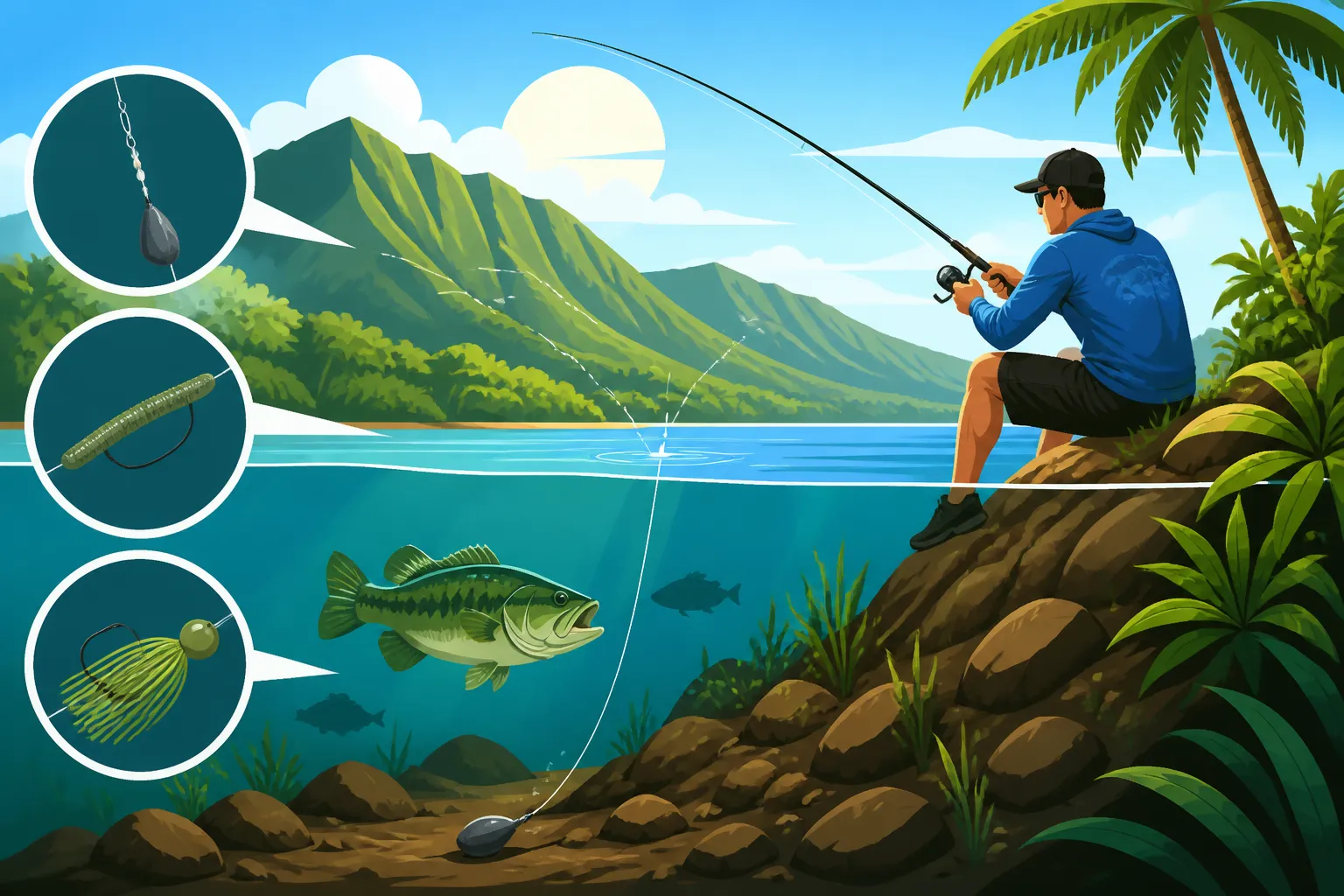
- Hooks: Offset worm hooks (sizes 1/0 to 3/0) are excellent for rigging soft plastic baits for bass, ensuring a weedless presentation. Circle hooks (sizes 4 to 1/0) are fantastic for live bait fishing, particularly for tilapia or larger bass, as they promote lip-hooking, which is better for the fish if you plan to release it. Treble hooks are primarily for hard body lures.
- Weights: Keep a variety of bullet weights (1/8 oz to 1/2 oz) for Texas rigging soft plastics, and split shots or small egg sinkers for slip-sinker rigs. Having a few heavier casting sinkers might be useful for reaching distant points if you're employing a heavy bait setup for ulua, though ulua are typically saltwater fish and less common in Hawaii's freshwater reservoirs unless in brackish areas.
- Swivels: Barrel swivels help prevent line twist, especially important when using spinning gear or baits that rotate.
- Leader Material: Fluorocarbon leader (10-20 lb test) is a game-changer. It's nearly invisible underwater and highly abrasion-resistant, offering a crucial buffer against sharp teeth or rough underwater structure. A good leader can make the difference between landing a trophy fish and snapping off.
Don't forget a pair of needle-nose pliers for hook removal and line cutters. A small, compact tackle box or bag that can be easily carried along the bank is invaluable. You can often find well-organized tackle storage solutions and starter kits on Amazon that cover all these essentials.
Bait and Lure Selection
The choice of bait or lure often depends on the target species and their current feeding patterns. Being adaptable is key.
Natural Baits:
- Live Worms/Nightcrawlers: A universal bait that appeals to nearly all freshwater fish, including tilapia and bass. They are highly effective, especially for more passive techniques.
- Crustaceans: Small freshwater prawns or crayfish (if legal and available) can be absolute dynamite for bass and peacock bass, mimicking a natural food source.
- Cut Bait: For larger predatory fish, cut pieces of tilapia (where legal) can be effective.
Artificial Lures:
- Soft Plastics: Senkos, swimbaits, and creature baits rigged weedless are incredibly effective for largemouth bass and peacock bass. Experiment with colors like green pumpkin, junebug, or watermelon.
- Crankbaits: Shallow to medium-diving crankbaits (2-8 feet dive depth) are great for covering water and triggering reaction strikes, especially around submerged cover.
- Spinnerbaits/Chatterbaits: These lures create flash and vibration, excellent for enticing aggressive strikes from bass, particularly in slightly stained water.
- Topwater Lures: Poppers, walk-the-dog baits, and prop baits can be exhilarating to use during low-light conditions (dawn/dusk) when fish are actively feeding on the surface. Nothing beats the explosive strike of a peacock bass on a topwater lure.
- Jigs: Small jigs with grub tails or hair jigs can be highly effective for crappie, bluegill, and even smaller bass.
Having a diverse selection allows you to adapt to whatever the fish are biting on that day. Sometimes, a simple live worm outfishes an expensive lure, and other times, only a specific crankbait will get a bite.
Mastering Bank Fishing Techniques
Fishing from the bank presents its own unique set of challenges and opportunities. Without a boat, you need to rely on your casting skills, understanding of fish behavior, and effective presentation to entice bites. It's all about making the most of the water accessible from shore.
Casting Accuracy and Presentation
From the bank, your casting ability is paramount. You need to be able to accurately place your lure or bait near structure, drop-offs, or feeding lanes that might be out of reach for a less experienced angler. Overhanging trees, submerged logs, and patches of weeds are all prime hiding spots for fish, but they require precise casting to avoid snags and present your offering naturally.
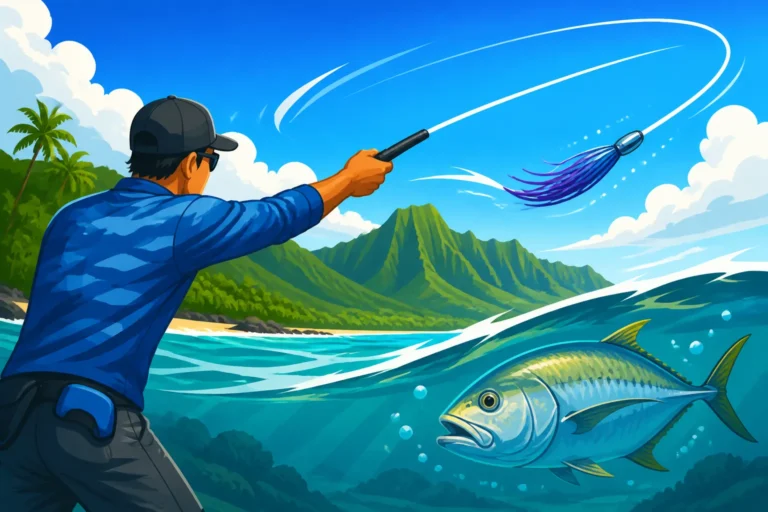
Practice different casting techniques, such as overhead casts for distance and accuracy, or a sidearm cast to sneak under low-hanging branches. Pay attention to how your lure lands – a quiet, gentle entry is often more effective than a loud splash, especially in clear water or when targeting wary fish like peacock bass. After your cast, the presentation of your bait is equally vital. Whether you're slowly retrieving a plastic worm along the bottom, twitching a topwater lure, or letting a live worm sit under a bobber, making it look natural and appealing to the fish is the goal. Remember that fish often hug the bank, especially where there's cover, so don't overlook those close-in spots.
Effective Live Bait Rigs for Reservoirs
Live bait fishing is often a go-to for bank anglers because of its simplicity and effectiveness. Fish are naturally attracted to live prey, and a well-presented live bait can often outperform artificial lures, especially on tougher days.
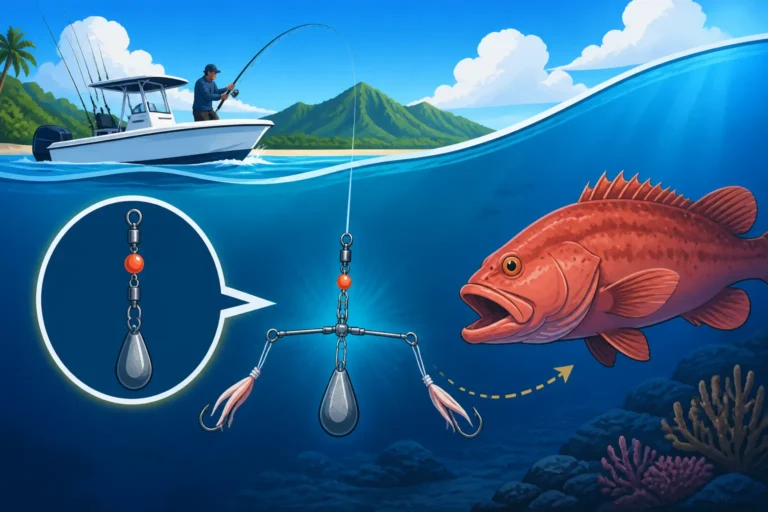
- Slip-Sinker Rig (Carolina Rig adaptation): This is a fantastic rig for targeting bottom-dwelling species or when you want your bait to sit naturally on the bottom while still allowing fish to pick it up without feeling resistance. Thread an egg sinker (1/8 to 1/2 oz) onto your main line, followed by a small bead to protect the knot, then tie on a barrel swivel. To the other end of the swivel, attach a fluorocarbon leader (12-24 inches) and then your hook. This setup allows the fish to pull the line through the sinker without feeling the weight, giving you more time to set the hook. This rig works wonderfully with live worms, small fish, or even chunks of cut bait.
- Bobber Rig (Float Fishing): The classic bobber rig is perfect for suspending live bait at a specific depth, keeping it off the bottom and away from snags, and making it visible to fish that might be cruising higher in the water column. Attach a bobber (slip bobbers are great for casting further and fishing deeper) to your main line, add a split shot or two a foot or so above your hook to get the bait down, and then tie on your hook. This is particularly effective for tilapia and smaller bass, and it's an excellent method for beginners or kids. For more on this simple yet effective approach, check out Float Fishing for Moi from Shore – while Moi are saltwater fish, the principles of float fishing remain similar.
When using live bait, always keep it fresh and lively. A lively bait is a tempting target! Store your worms in a cool, damp environment, and if using live fish, ensure they are kept in a well-aerated bucket.
Artificial Lure Strategies
Artificial lures require a more active approach but can be incredibly rewarding, allowing you to cover more water and mimic various prey items.
- Retrieve and Pause: This is a fundamental strategy for many lures, especially soft plastics and crankbaits. Cast out, retrieve for a few turns, then pause, letting the lure sink or suspend. Many strikes occur during the pause as the lure looks like injured prey. Vary the duration of your pauses until you find what triggers bites.
- Jigging: For jigs or soft plastics, a jigging retrieve involves lifting your rod tip, letting the lure fall, and repeating. This mimics a baitfish rooting on the bottom or hopping along. This is particularly effective for bass holding tight to structure.
- Topwater Action: When using topwater lures, experiment with different retrieves. Poppers are designed to be "popped" across the surface, creating a splash. Walk-the-dog baits require a rhythmic twitching of the rod tip to make them zig-zag. The key is to create enough disturbance to attract attention without making it look unnatural. Topwater action is often best at dawn, dusk, or on overcast days.
Remember to vary your retrieve speed, depth, and cadence. If one lure or retrieve isn't working, don't be afraid to switch things up. Fish can be finicky, and what worked yesterday might not work today. This adaptability is what separates good bank anglers from great ones.
Targeting Specific Reservoir Species
Hawaii's freshwater reservoirs are home to several exciting game fish, each with its own preferences and behaviors. Understanding these nuances will dramatically improve your chances of success, especially when you're limited to bank access.
Peacock Bass and Largemouth Bass Tactics
Peacock bass (cichla ocellaris) are arguably the most sought-after freshwater game fish in Hawaii, especially in Wahiawa Reservoir. They're aggressive, powerful fighters known for their beautiful colors and explosive strikes. Largemouth bass (micropterus salmoides) are also abundant and provide excellent sport. Both species are ambush predators, meaning they love to hide in cover and dart out to strike unsuspecting prey.
-
Peacock Bass: These fish prefer warm, clear water and are often found around submerged timber, rock piles, lily pads, or other vegetation. They are highly aggressive and respond well to fast-moving lures. Topwater baits like poppers and prop baits are incredibly effective, especially during low light conditions or when fish are actively feeding. Small crankbaits, spinnerbaits, and bright-colored jigs can also provoke a strike. When fishing for Peacock Bass in Wahiawa Reservoir, focus on casting precisely to cover. Look for eddies and current breaks near structures, as these are prime ambush points. They'll often hit lures with ferocity, so be ready for a fight! For the serious angler, understanding best techniques for peacock bass on Wahiawa Reservoir can make a huge difference.
-
Largemouth Bass: Largemouth bass in Hawaii's reservoirs often hold in similar types of cover as peacock bass, but they might be found in slightly deeper or muddier water. They are less visually oriented than peacock bass and respond well to slower, more methodical presentations. Soft plastic worms (Texas-rigged or Carolina-rigged), plastic creature baits, and jigs are perennial favorites. When targeting Largemouth Bass in Hawaii's Reservoirs, try pitching or flipping your lures into dense cover, letting them sink slowly, and working them with subtle twitches. Crankbaits and spinnerbaits can also be effective when covering open water between structures. You might find some excellent specific lure kits for bass on Amazon that are perfectly suited for these methods. Our guide on Best Techniques for Largemouth Bass in Hawaii Reservoirs offers even more detailed advice.
Tilapia and Other Panfish Approaches
Tilapia, though often considered a nuisance or baitfish in some regions, are actually quite popular targets for anglers in Hawaii, especially for those looking for a tasty meal or some consistent action. They are prolific breeders and can be found in nearly all freshwater reservoirs. Other panfish species like bluegill or cichlids might also be present, offering light tackle fun.
- Tilapia: These fish are primarily vegetarians or detritivores but will readily strike small baits and lures. The most effective method for tilapia is often simple bait fishing. A small piece of bread, corn, or a live worm fished under a small bobber or on a light bottom rig will usually do the trick. They have smaller mouths, so using smaller hooks (sizes 6-10) is crucial. Fish for them in shallower areas, especially around weed beds or muddy bottoms. Tilapia are often found in schools, so once you catch one, there are likely more in the same area. A quiet approach is important, as they can be easily spooked.
- Panfish: If bluegill or other smaller cichlids are present, similar techniques with small baits will work. Tiny jigs tipped with a piece of worm or a small artificial grub can also be effective. Ultralight spinning gear makes catching these smaller fish incredibly fun and provides a great way to hone your casting and retrieve skills.
These species are fantastic for beginners, kids, or anyone looking for consistent bites and a relaxing day by the water. Just be mindful of any specific regulations on Tilapia in Hawaii's Freshwater Reservoirs, as their management can vary.
Rainbow Trout Fishing at Kokee
While most freshwater fishing in Hawaii's reservoirs targets introduced species, the Kokee Public Fishing Area on Kaua'i offers a unique opportunity to catch rainbow trout. This fishery is sustained by stocking efforts from the Division of Aquatic Resources, creating a distinct experience from the bass and tilapia fisheries on O'ahu.
- Kokee Trout: The trout season at Kokee is highly anticipated each year, typically opening in early August and running for a limited time. These waters are cooler and higher in elevation, providing the ideal habitat for trout. Effective bank fishing techniques often involve using small spinners, spoons, or flies (if fly fishing is your passion) in the stream or pond sections. PowerBait, salmon eggs, or live worms fished under a bobber or on a very light bottom rig are also popular and successful baits. Given the often-clear water, stealth and a natural presentation are important. Using lighter fluorocarbon leaders (4-6 lb test) will also increase your chances. For detailed information on this special fishery, be sure to consult our Rainbow Trout: Hawaii's Only Freshwater Trout Fishery guide and plan your trip accordingly, as the fishing season and rules are strictly enforced. Understanding the Kokee Public Fishing Area Guide will provide all the necessary details.
Reading the Water from Shore
Being a successful bank angler often boils down to your ability to "read the water" – identifying potential fish-holding structures and understanding how environmental factors influence fish behavior, all from your vantage point on shore. Since you can't motor around, every cast counts, and targeting the most productive areas is paramount.
Identifying Productive Structure and Cover
Fish, especially predatory species like bass, are structure-oriented. They use submerged objects and changes in topography for ambush points, shelter from current, and protection from predators. From the bank, you need to visually identify these features or infer their presence.
- Visible Cover: Look for obvious signs of cover such as overhanging trees, fallen logs, rock piles, lily pads, or patches of emergent weeds. These are prime locations where fish will hold. Cast your lures or bait as close as possible to these areas, working the edges thoroughly.
- Submerged Structure: While you can't always see it, look for clues. A sudden change in water color might indicate a drop-off or a shift from shallow to deep water. Points that extend out into the reservoir often have submerged ledges or rock formations. Look for areas where the bank transitions from sandy to rocky, or where an old roadbed or foundation might have once stood. In some cases, historical maps or even Google Earth can give you clues about submerged features. Pay attention to changes in wind direction and how it might push baitfish or insects into certain coves or against certain banks, as predatory fish will follow.
- Current Breaks: Even in reservoirs, there can be subtle currents, especially near inlets or outlets. Fish will often position themselves just out of the main current, waiting for food to drift by. Cast upstream and let your bait drift naturally into these current breaks.
Spending time observing the water before you cast can reveal a lot. Look for jumping fish, baitfish scattering, or even the subtle ripples of a fish cruising near the surface.
Understanding Depth and Bottom Contours
Knowing the depth and contours of the bottom is crucial for presenting your bait effectively. You don't have a fish finder on the bank, so you'll have to rely on other methods.
- Trial and Error: Make exploratory casts with a weighted lure (like a jig or a heavy soft plastic) and count how long it takes to reach the bottom. This can give you a rough idea of depth. Repeat this at different distances and angles to start building a mental map of the bottom.
- Natural Indicators: Steep banks on shore often indicate steep drop-offs underwater. Conversely, gradually sloping banks usually mean a more gradual slope into the water. Inlets and channels where streams feed into the reservoir can often be deeper than surrounding areas.
- Lure Selection: Choose lures that are designed to fish at different depths. Shallow-diving crankbaits for shallower areas, medium-divers for intermediate depths, and jigs or weighted soft plastics for bottom fishing in deeper water. Adjust your presentation based on your depth observations – if you think fish are holding deep, let your bait sink longer.
The Impact of Weather and Water Conditions
Weather and water conditions play a huge role in fish behavior and can significantly affect your bank fishing success.
- Water Temperature: Cooler water (early mornings, winter months) often means fish are less active and might be holding deeper. Warmer water can make fish more active and willing to chase lures, but extreme heat can make them lethargic and send them to deeper, cooler waters or dense shade.
- Water Clarity: In clear water, fish are more wary. You'll need to use lighter lines, smaller baits, and subtle presentations. In stained or murky water, fish rely more on scent and vibration, so louder lures, larger profiles, and natural baits often work better.
- Cloud Cover and Rain: Overcast days or light rain can often trigger feeding activity, especially for bass, as it reduces light penetration and makes them feel more secure. Heavy rain can cause runoff, potentially muddying the water and altering fish locations, pushing them to clearer edges or away from heavy current.
- Wind: Wind can be your friend or foe. A light chop on the water surface can break up the light, making fish less wary. Wind can also push baitfish into certain areas, concentrating predators. However, strong winds can make casting difficult and reduce your ability to feel subtle bites. Adjust your casting angle to use the wind to your advantage, or seek out more sheltered coves.
By paying attention to these factors, you can make informed decisions about where to fish, what baits to use, and how to present them, even without a boat.
Seasonal Considerations and Best Practices
Bank fishing in Hawaii's freshwater reservoirs can be productive year-round, but understanding how the seasons and time of day influence fish behavior will help you maximize your catch rates. Adaptability is the name of the game, and knowing what to expect can set you up for success.
Best Times of Day for Reservoir Fishing
The time of day can dramatically affect fish activity levels, especially in reservoirs where water temperatures can fluctuate significantly.
- Dawn and Dusk: These are almost universally the best times to fish in any freshwater reservoir. As the sun rises or sets, light levels are lower, and water temperatures are often cooler and more stable. Many predatory fish, like peacock bass and largemouth bass, are most active during these periods, moving into shallower waters to feed. Topwater lures can be incredibly exciting during these low-light windows, as fish are more willing to strike at the surface.
- Mid-day: During the harsh mid-day sun, especially in Hawaii's tropical climate, fish tend to retreat to deeper, cooler waters or seek dense cover to escape the heat and bright light. This doesn't mean fishing is impossible, but you'll need to adjust your tactics. Focus on fishing deep drop-offs, shaded areas, or dense submerged vegetation. Slow-moving baits or finesse presentations are often more effective during these slower periods.
- Night Fishing: While not as commonly practiced from the bank in Hawaii's reservoirs due to access restrictions and safety concerns, night fishing can be incredibly productive for larger predatory fish like ulua (though less common in pure freshwater) or even large bass. If you have safe, legal access to a well-lit pier or bank area, consider using dark-colored soft plastics or noisy topwater lures to entice strikes from nocturnal feeders. Always prioritize safety and check local regulations before fishing at night.
Adapting to Hawaii's Seasons
Hawaii essentially has two main seasons: a warm, drier summer (May to October) and a cooler, wetter winter (November to April). These subtle changes, combined with unique spawning patterns, influence reservoir fishing.
- Warm, Drier Months (Summer): During summer, water temperatures in the reservoirs are at their highest. Fish can be very active in the early mornings and late evenings. During the heat of the day, they will seek cooler, deeper water or dense shade. Focus your efforts on these refuge areas. This is often a great time for topwater action in the early hours. Hydration and sun protection are paramount for bank anglers during these months.
- Cooler, Wetter Months (Winter): The "winter" months bring slightly cooler air and water temperatures, and often more rain. Fish might be more active throughout the day, as the water temperature is more comfortable. Increased runoff from rain can introduce new nutrients and baitfish into the reservoir, which can stimulate feeding. However, heavy rains can also muddy the water, requiring different lure choices (louder, more vibratory) or bait presentations. Bass might move into slightly shallower areas as the overall water temperature cools.
- Spawning Periods: Both largemouth and peacock bass have distinct spawning seasons. For largemouth bass in Hawaii, spawning typically occurs in the spring when water temperatures are ideal. Peacock bass, in warmer climates, can spawn multiple times a year, but there are often peak periods. During spawning, fish are highly territorial and aggressive, often protecting nests. While catching them can be easier, many anglers practice catch and release during this sensitive time to protect future generations. Be aware of the "closed season" or specific regulations for certain species, like the Hawaii Moi Closed Season, Explained for a saltwater example, which highlights how certain fish are protected during spawning.
Best Practices for Responsible Bank Angling
As responsible anglers, it's our duty to protect Hawaii's precious freshwater resources.
- Catch and Release: Consider practicing catch and release, especially for larger breeding fish, to help sustain fish populations in the reservoirs. If you do keep fish, only take what you need and adhere strictly to all bag and size limits.
- Minimize Stress: When releasing fish, handle them gently with wet hands, avoid touching their gills, and release them quickly. Use de-hooking tools to minimize injury.
- Leave No Trace: Pack out everything you pack in. This includes all your fishing line, bait containers, and any other trash. Our reservoirs are beautiful, and it's up to us to keep them that way.
- Respect Private Property: Always be mindful of land ownership. Only fish in designated public access areas and respect private property boundaries.
- Check for Aquatic Invasive Species: Be vigilant about preventing the spread of aquatic invasive species. Clean your gear thoroughly between fishing trips, especially if moving between different bodies of water, to avoid transferring unwanted plants or organisms.
By following these best practices, you contribute to the health and sustainability of Hawaii's unique freshwater fisheries, ensuring that bank fishing remains an incredible experience for everyone for years to come.
Disclaimer
Fishing regulations and conditions in Hawaii can change frequently. Always consult the official Hawaii Department of Land and Natural Resources (DLNR) Division of Aquatic Resources (DAR) website or local authorities for the most current rules, license requirements, and safety guidelines before heading out on any fishing trip. The information provided in this guide is for general informational purposes only and should not be considered legal advice.