Best technique for fishing a channel between reefs
Trying to figure out where the fish are hiding in Hawaii can be a real head-scratcher, especially when you're staring at what looks like an endless stretch of beautiful blue ocean. But for many anglers, the real frustration hits when you see those tempting channels cutting through the reef, full of churning water and promising structure, yet you just can't seem to get a bite. This guide is here to walk you through the very best techniques for effectively fishing these dynamic reef channels, turning that frustration into the thrill of a successful catch.
Understanding Reef Channels: More Than Just a Gap
Reef channels in Hawaii are often overlooked or underestimated by those unfamiliar with their potential. They aren't just empty spaces; they are vibrant, current-driven highways for marine life, acting as crucial feeding grounds and ambush points for a wide array of desirable fish species. Learning to "read" these channels is the first step to unlocking their secrets.
What Makes Reef Channels Prime Fishing Territory?
Imagine a highway. Reef channels are precisely that for fish. They are natural cuts or deeper depressions in the coral or lava rock formations of a reef system, creating pathways that concentrate water flow, baitfish, and predatory species. The dynamic interaction of tides and currents through these constricted areas creates a buffet line that no serious angler should ignore.
These channels funnel nutrient-rich water, bringing plankton and smaller baitfish like opelu and akule directly into the path of larger predators. The constant flow creates predictable current lines and eddies where game fish can hold with minimal effort, waiting to ambush unsuspecting prey. This makes them absolute hotspots for species like ulua (giant trevally), papio (juvenile trevally), moi (Pacific threadfin), and various reef dwellers.
Furthermore, the varied depths and structures within channels provide excellent hiding spots. You might find ledges, overhangs, or even small caves carved out by centuries of water flow. These features offer protection for smaller fish and perfect ambush points for larger ones, meaning that even a relatively small channel can hold a surprising amount of quality fish. It's a complex ecosystem compacted into a manageable fishing zone.
Identifying Productive Channels from Shore or Boat
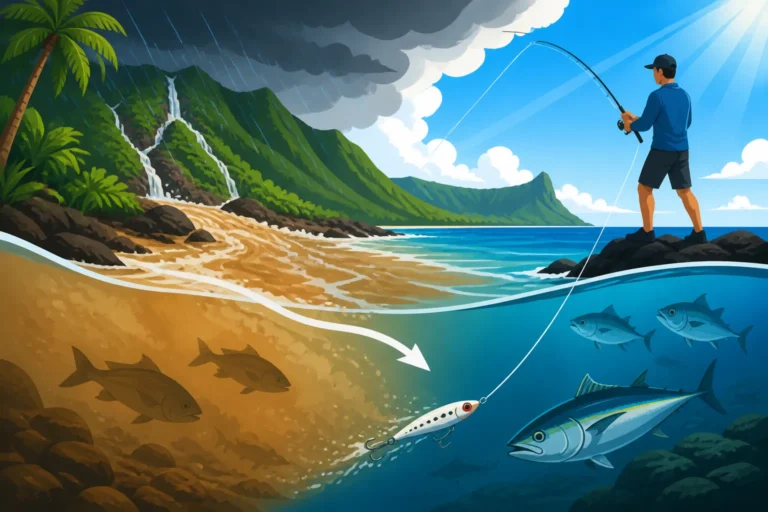
Finding a productive channel isn't always about having the biggest boat or the fanciest electronics, though they certainly help! From shore, look for visual cues. Observe wave patterns; often, waves will break differently over shallower reef flats and then smooth out or surge through deeper channels. You might see a distinct change in water color – deeper channels often appear darker blue or green compared to the lighter turquoise of the surrounding flats. Keep an eye out for any signs of baitfish activity, such as nervous water, birds diving, or even splashes from predatory fish.
If you're fishing from a boat or kayak, a good depth finder is your best friend. Look for sudden drops in depth or distinct troughs running through a shallower area. Topographic charts can also highlight these features before you even get on the water. Beyond the technology, don't underestimate local knowledge. Talk to seasoned local anglers at harbors or tackle shops; they often have a wealth of information about specific channels and their nuances. Understanding how these channels connect to deeper offshore waters or how they're influenced by nearby points and bays can also reveal their potential.
Essential Gear and Rigs for Channel Fishing
Fishing channels effectively requires a thoughtful approach to your tackle. The powerful currents and the potential for large, hard-fighting fish in tight quarters mean you need gear that can handle the abuse and deliver results. Skimping here often leads to heartbreak.
Rods, Reels, and Line for the Fight
For channel fishing, especially when targeting larger game fish like ulua or papio, a medium-heavy to heavy action rod is usually a wise choice. You'll want something with enough backbone to cast heavier lures or baits against the wind and through strong currents, but also enough sensitivity to detect subtle bites. Rods in the 9-12 foot range are excellent for shore casting into channels, while shorter, more powerful boat rods are ideal for jigging or live baiting from a vessel.
Pair your rod with a robust spinning reel or a reliable conventional reel that has a smooth, powerful drag system and a high line capacity. You never know when a monster fish will decide to use the channel's current to its advantage. For line, braid is king. Its thin diameter, incredible strength, and zero stretch offer maximum sensitivity and casting distance. Spool up with 30-65 lb test braid, depending on your target species and channel conditions. Always, always, always attach a fluorocarbon leader of at least 60-100 lb test. This invisible barrier protects against abrasive reef structure and the sharp teeth of many predatory fish. You can find a fantastic selection of these specialized fishing lines and reels on platforms like Amazon, making it easy to get exactly what you need delivered right to your door.
Lures and Baits that Dominate the Channels
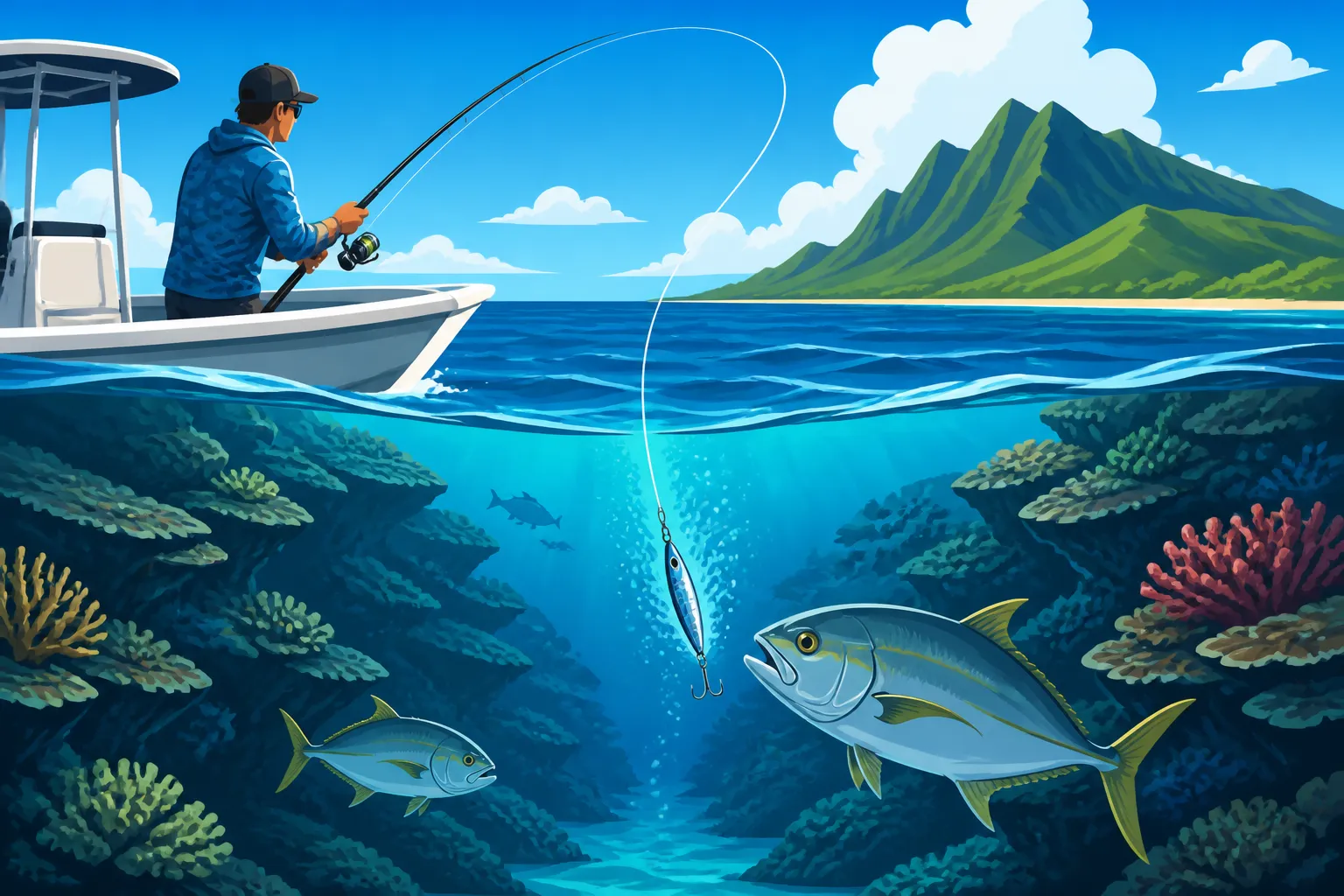
When it comes to tempting fish in these current-swept pathways, presentation is key. For artificials, heavy jigs are incredibly effective. Metal jigs ranging from 2-6 ounces can be vertically jigged or cast and retrieved, mimicking fleeing baitfish or injured prey. Soft plastic swimbaits rigged on heavy jig heads also work wonders, especially when fished near the bottom or along the channel edges. Consider colors that imitate local baitfish, like chrome, blue, green, or even pink.
However, nothing beats natural bait for many channel dwellers. Live opelu or akule (mackerel scad and bigeye scad) are like candy to ulua and other predators. If you can catch them fresh, bridle-rigging a live bait allows it to swim naturally and present irresistible action. For bottom-oriented species, fresh dead baits like whole or cut opelu, squid, or even chunks of smaller reef fish can be deadly. Rig these on a strong, sharp circle hook with enough lead to get your bait down and hold it in the current without it tumbling uncontrollably. Searching for high-quality bait hooks and tackle boxes to keep everything organized is easy on Amazon, ensuring you're always prepared.
Top Techniques for Targeting Channel Predators
Now that you've got your gear sorted and a basic understanding of channels, let's dive into the practical application. Different scenarios call for different tactics, and mastering a few key techniques will drastically improve your success rate.
Drifting and Jigging the Depths
Drifting through a channel, whether from a boat or by carefully wading from shore, allows you to cover a lot of ground and present your bait or lure to fish holding at various depths. From a boat, position yourself upcurrent of the channel and allow your vessel to drift naturally, deploying jigs or baited rigs. Pay close attention to your depth sounder to understand the contours of the channel floor and adjust your lure or bait depth accordingly.
Vertical jigging is incredibly effective in channels where fish might be holding tight to structure or in deeper pockets. Drop your heavy metal jig to the bottom, then work it with a series of aggressive lifts and drops, mimicking a wounded baitfish. Be ready for a strike on the drop or as you begin your retrieve. If you're bottomfishing in Hawaii, remember to keep your leader strong to prevent break-offs on the sharp reef. The key is to maintain bottom contact while allowing the current to impart some natural action to your jig. Experiment with jig weights; you need just enough to reach the bottom and stay there, but not so much that it stifles the action.
Casting and Retrieving for Ambush Hunters
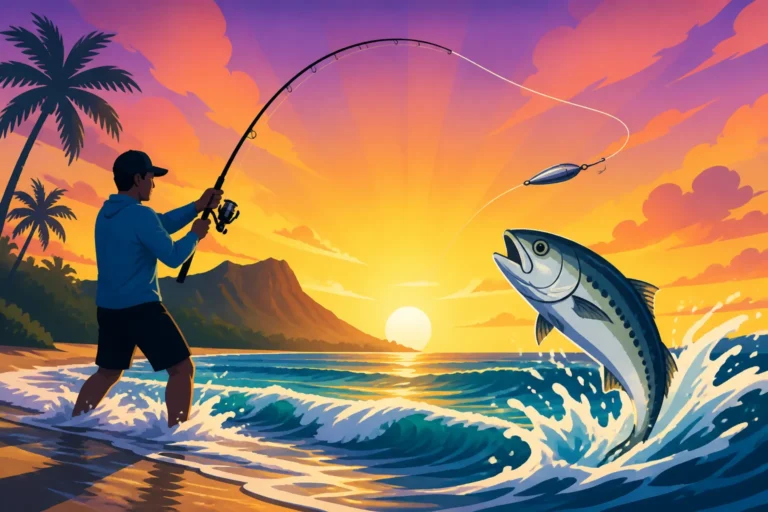
Shore anglers and those in smaller boats or kayaks can excel by casting into and across channels. Identify the current lines, eddies, and areas where bait might be congregating. Cast beyond these points and retrieve your lure or bait back through them. Heavy casting spoons, plugs, or large swimbaits are excellent for this. The goal is to make your lure look like an easy meal being swept along by the current.
Vary your retrieve speed and technique. Sometimes a fast, erratic retrieve triggers a strike, while other times a slow, steady retrieve with occasional pauses is more effective. Pay close attention to how the swell and current are moving your lure; you want it to look natural. Targeting the "edges" of the channel, where the deeper water meets the shallower reef flat, is often highly productive as predators will stage here to dart out and grab prey. This method is particularly effective when practicing Shore Fishing Techniques for Hawaii, especially for species like papio and ulua.
Live Baiting for Big Bites
There's nothing quite like the allure of a live bait struggling in the current to draw out the biggest predators. If you have access to live bait, channel fishing is an ideal place to use it. For shore anglers targeting ulua, a popular and effective method is the sliding bait technique for ulua. This involves casting out a heavy weight beyond the channel, then sliding a live bait down your main line, letting it swim freely in the channel. The key is to use a strong leader and a circle hook, allowing the fish to take the bait and swim before setting the hook.
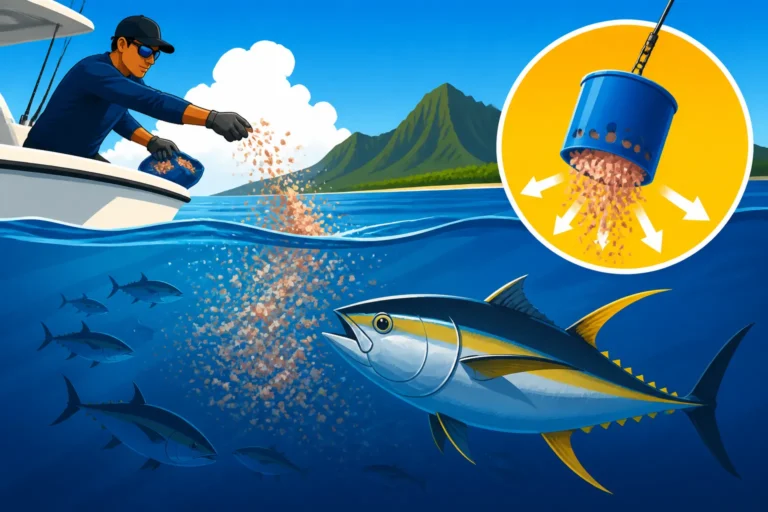
From a boat, you can anchor strategically just upcurrent of a promising channel feature, then deploy live baits on weighted lines or under floats. The idea is to let the live bait drift naturally through the channel, presenting itself as an easy meal. Bridle-rigging larger live baits, like opelu, gives them maximum freedom of movement and makes them incredibly attractive to passing ahi, ono, and of course, giant ulua. Always check Hawaii Pelagic Species Bag Limits for any species you might encounter when live baiting offshore.
Reading the Conditions: Tides, Currents, and Swells
Successful channel fishing isn't just about technique; it's about understanding the environment. The ocean's rhythm—tides, currents, and swells—plays a monumental role in fish behavior and your safety.
The Critical Role of Tidal Movement
Tides are the lifeblood of reef channels. The incoming and outgoing tides create the currents that sweep through these cuts, bringing in food and creating ambush opportunities. Generally, the most productive times to fish a channel are during the outgoing or incoming tides, especially around the middle of the tide cycle when the current is at its strongest. This is when baitfish are most actively flushed through the channel, attracting predators.
Slack tide, the period of minimal current between tide changes, can sometimes be slow, as the "food conveyor belt" slows down. However, it can also be a time when larger, lazier fish might move out from cover. It's crucial to consult a tide chart and understand how the local tides will affect the current in your chosen channel. Different Hawaii Fishing Seasons by Month can also influence tidal patterns and fish activity, so always keep an eye on the calendar.
Navigating Swells and Safety Considerations
Hawaii's ocean can be powerful, and fishing channels, particularly from shore or small boats, requires acute awareness of swells. Large swells can make fishing channels dangerous, especially if they are narrow or close to shore. Always observe the wave sets for a good 15-20 minutes before committing to a spot. Look for sneaker waves or larger sets that could sweep you off your feet or swamp your vessel.
If you're shore fishing or employing Wading Techniques for Hawaii Shore Fishing near a channel, know your escape route. Never turn your back on the ocean. From a boat, position your vessel to safely navigate any breaking waves or strong surge. Be mindful of how a swell might interact with the channel, creating confused seas or dangerous rip currents. Safety should always be your number one priority, especially when fishing these dynamic zones. Remember, Hawaii Spearfishing Regulations also emphasize safety, and these channels can be attractive to spearfishers, so be aware of others in the water.
Here's a quick reference for common channel fishing scenarios:
| Scenario | Target Species | Recommended Technique | Optimal Conditions | Key Gear Considerations |
|---|---|---|---|---|
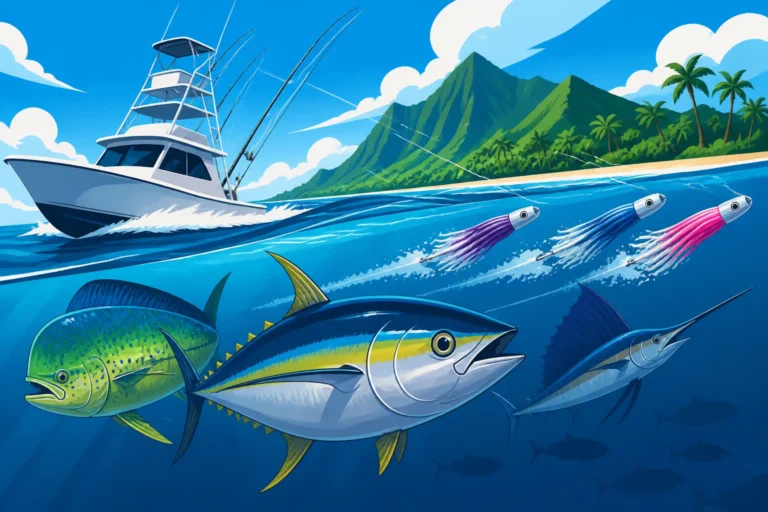
| Deep Offshore Channel | Ahi, Ono, Mahimahi, Marlin | Trolling, Live Baiting | Strong current, bait presence | Heavy tackle, large lures/baits, reliable boat |
| Inshore Reef Channel | Ulua, Papio, Moi, Bottomfish | Jigging, Sliding Bait, Casting | Mid-tide current, clean water | Med-heavy rod, braid, fluorocarbon leader, heavy jigs |
| Shallow Reef Edge Channel | Papio, Kumu, Weke, Uhu | Whipping, Light Jigging, Baits | High tide, clear water, calm swells | Light-medium rod, small lures/baits, stealth |
| Night Fishing Channel | Ulua, Menpachi, Ehu | Live baiting, Glow jigs | Incoming/Outgoing tide, dark conditions | Heavy tackle, light source, fresh live bait |
Remember that fish sizes matter, too. Always be aware of Hawaii Papio and Ulua Size Rules and Hawaii Uhu (Parrotfish) Size and Bag Limits to ensure you're fishing legally and sustainably.
Disclaimer
This article is for general informational purposes only and does not constitute professional advice. Laws, prices and regulations vary by location and change over time. Consult a qualified professional for guidance on your specific situation.