Best Guided Shore Fishing Trips on Oahu
Stepping onto Oahu's stunning shores, you might dream of casting a line into the turquoise waters and reeling in a monster catch, but the reality for many visiting anglers is quickly met with frustration over unknown spots, confusing regulations, and specialized techniques. This comprehensive guide will walk you through the incredible advantages of booking a guided shore fishing trip on Oahu, ensuring you maximize your chances for success and truly experience the island's unique angling opportunities.
Why a Guided Shore Fishing Trip on Oahu is a Game-Changer
Imagine landing on Oahu with your trusty fishing gear, full of anticipation. You head to what looks like a promising stretch of beach, only to find yourself casting into barren water, unknowingly trespassing, or using the wrong bait for the local species. It’s a common scenario, and it’s precisely why a local guide is invaluable. Shore fishing in Hawaii isn't just about throwing a line; it's about understanding the pulse of the ocean, the hidden structures, and the behavior of the fish that call these reefs and currents home. A guided trip transforms a potentially frustrating experience into an educational and exhilarating adventure.
Navigating Local Knowledge and Regulations
Hawaii's fishing regulations can feel like a labyrinth, especially for visitors. There are specific size limits, bag limits, and even seasonal closures for certain popular species like moi or uhu. Beyond that, many areas are designated as Marine Life Conservation Districts (MLCDs) or Fish Replenishment Areas (FRAs) where fishing might be completely restricted or heavily regulated. It's not always obvious where these zones begin and end, and a simple mistake can lead to hefty fines or, worse, unintended harm to fragile ecosystems.
A seasoned local guide doesn't just know the rules; they understand the spirit of the rules, passed down through generations of fishing. They know which areas are strictly protected, where catch-and-release is encouraged, and how to identify Hawaii Bag and Size Limits by Species with precision. They can explain why certain regulations exist, connecting you deeper to the island's conservation efforts and traditional practices. This insight is something you simply can't get from reading a pamphlet or browsing a website; it comes from years spent on the water, observing and learning.
Furthermore, guides often have relationships with landowners or community members, allowing them access to prime shorelines that might otherwise be inaccessible to the general public. This insider access can mean the difference between a crowded public beach with limited action and a secluded stretch of coast teeming with fish. They ensure you're always fishing legally and respectfully, protecting both you and Hawaii's precious marine resources. For a deeper dive into the legalities, check out Hawaii Fishing Regulations Explained.
Mastering Oahu-Specific Techniques and Tackle
The fishing techniques used on Oahu's shores are often unique to the islands, honed over centuries to target specific species in distinct environments. If you're used to freshwater bass fishing or even deep-sea trolling, the nuances of Hawaiian shore fishing can be a steep learning curve. From whipping for papio (juvenile trevally) over shallow reefs to sliding baits for powerful ulua (giant trevally) in pounding surf, each method requires specialized tackle, rigging, and a keen understanding of fish behavior.
A skilled guide will not only provide you with the right gear – often including custom rods, reels, and terminal tackle perfectly suited for the local conditions – but they will also teach you how to use it effectively. They'll demonstrate proper casting techniques to reach distant holes, explain how to read the subtle movements of the water to identify feeding zones, and teach you the art of setting the hook on a fast-moving papio. This hands-on instruction is invaluable. You'll learn the difference between a gentle tug from a small reef fish and the aggressive strike of a hard-fighting trevally, developing skills that will serve you well on future independent trips.
Consider the art of whipping, a dynamic and active form of fishing that uses light tackle and artificial lures to target predatory fish like papio, barracuda, and even small ulua. A guide will show you how to properly retrieve your lure to mimic fleeing baitfish, how to work the edges of the reef, and what patterns and colors are most effective on a given day. Similarly, for the more intense challenge of ulua fishing, they'll teach you the intricacies of setting up a sliding bait rig, choosing the right live or cut bait, and patiently waiting for that once-in-a-lifetime bite. You can get a head start on some of these methods by reading Shore Fishing Techniques for Hawaii.
Accessing Prime, Often Secluded, Fishing Spots
Oahu is a bustling island, and many of the most accessible shorelines can be heavily fished, leading to fewer bites and smaller catches. The real treasures are often found in less-trafficked areas, down unmarked trails, or along stretches of coast that require local knowledge to reach safely and effectively. These "secret spots" aren't just about avoiding crowds; they're often areas where specific currents, reef structures, or baitfish concentrations create ideal feeding grounds for target species.
Guides spend countless hours scouting and fishing these locations. They know which coves offer shelter on a windy day, where the papio school up during certain tides, or which rocky points hold big ulua at night. They understand the hazards too – the unpredictable waves, slippery lava rocks, and strong currents that can turn a beautiful day into a dangerous one. Their expertise ensures your safety while putting you in the best possible position for success. This often means driving to remote areas, sometimes requiring a 4×4, or knowing the precise entry and exit points for tricky shoreline access.
For example, while popular spots like Sandy Beach are well-known, a guide might take you to a lesser-known point on the Windward side where the current consistently brings in baitfish, or to a secluded stretch near Kaena Point known for its robust ulua population, all while ensuring you understand the unique challenges and opportunities of that particular location. They don't just take you to a spot; they explain why it's a good spot and what you should be looking for. If you're curious about general productive areas, check out Best Shore Fishing Spots in Hawaii.
Types of Guided Shore Fishing Experiences on Oahu
Oahu offers a diverse range of shore fishing experiences, each targeting different species with unique methods. A good guide will specialize in one or more of these, tailoring the trip to your interests, skill level, and what's biting best at the time. Whether you're a seasoned angler seeking a trophy or a beginner hoping to feel the thrill of a fish on the line, there's a guided trip for you.
Whipping and Light Tackle Papio Hunts
Whipping is one of the most exciting and active forms of shore fishing on Oahu, perfect for anglers who love constant action. These trips typically involve using lightweight spinning gear, small artificial lures like Kastmasters, grubs, or small poppers, and constantly casting and retrieving. The target species, papio, are often schooling around shallow reefs, rocky points, and sandy channels, and they hit lures with surprising aggression.
On a guided whipping trip, your guide will lead you along productive stretches of coastline, teaching you how to "read" the water for signs of feeding fish – diving birds, nervous baitfish, or subtle changes in current. They'll instruct you on various retrieve speeds and actions to entice a strike, and show you how to land a strong-fighting papio without getting hung up on the reef. These trips are fantastic for both beginners and experienced anglers looking for a fast-paced challenge. It's not uncommon to catch multiple fish in a session, offering plenty of opportunities to refine your technique. Guides will often have a specific rotation of spots depending on the tide, swell, and time of day, ensuring you're always fishing the most opportune areas for papio. If you want to refine your technique, consider reading How to Catch Papio on Hawaii's Shoreline.
Ulua Giant Trevally Sliding Bait Adventures
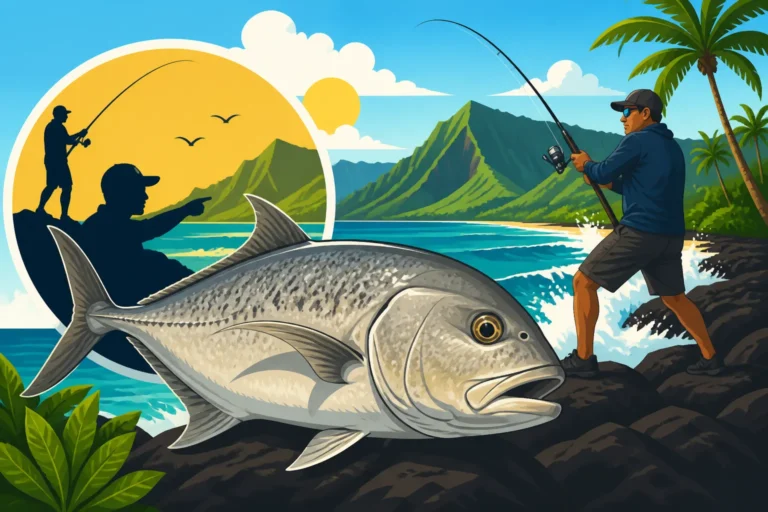
For many serious shore anglers, the ulua (giant trevally) is the ultimate prize. These powerful fish can weigh well over 100 pounds and are legendary for their brutal fights and incredible strength. Catching a trophy ulua from shore is a true test of patience, skill, and endurance. Guided ulua trips are typically longer, often involving overnight stays, and focus on specific deep-water access points or rocky ledges where these giants patrol.
Your guide will instruct you on the specialized "sliding bait" technique, which involves casting a heavy lead weight far out into the ocean, then sliding a large live or cut bait down the main line to the desired depth. This method allows for presenting substantial baits in deep water far offshore without needing a boat. Guides will help you select the freshest bait, rig it correctly, and position your rods for maximum effectiveness. Be prepared for a lot of waiting, but the moment that rod bends over and the reel screams, you'll understand why anglers dedicate their lives to this pursuit. These trips are for the dedicated angler looking for a truly challenging and potentially record-breaking experience. For more on this impressive fish, see Ulua (Giant Trevally) Fishing in Hawaii and How to Catch Ulua from Shore.
Bonefishing Oio on the Flats
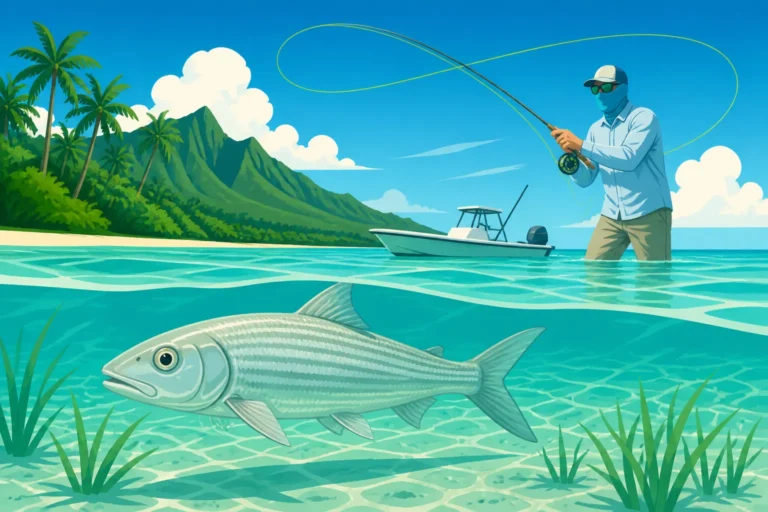
Oahu is home to some fantastic bonefish (oio) flats, particularly in areas like Keehi Lagoon and near Sand Island. Bonefishing is a highly specialized pursuit, often compared to hunting, as it requires keen eyesight, stealth, and precise casting to target these elusive "ghosts of the flats." These guided trips often involve wading in shallow, clear water, sometimes for hours, in search of tailing or cruising bonefish.
A bonefishing guide is an expert at spotting these camouflaged fish against the sandy or rocky bottom. They'll teach you how to approach silently, make accurate casts with light spinning gear or fly rods, and present your lure or fly naturally without spooking the fish. The thrill of watching a bonefish dart after your offering and then feeling its explosive run is unparalleled. Bonefishing trips are ideal for anglers who appreciate a more subtle, technical challenge and the beauty of Hawaii's shallow water environments. These guides are true masters of observation, often spotting fish that an untrained eye would completely miss. If you're interested in the finer points, read Best Bonefishing Techniques for Oahu Flats.
Family-Friendly and Beginner-Focused Trips
Not every fishing trip needs to be about landing a monster or mastering complex techniques. Many guides on Oahu specialize in creating fun, accessible experiences for families with children or absolute beginners. These trips often focus on easier-to-catch species, calmer locations, and prioritizing the overall experience over trophy hunting.
A family-friendly trip might involve fishing from a calm pier or a protected bay, targeting smaller but plentiful reef fish like goatfish (kumu, weke), triggerfish (humuhumu), or small papio. The guide will provide all the necessary gear, teach basic casting and baiting techniques, and ensure everyone has a chance to feel a fish on the line. They'll also handle the less glamorous aspects like baiting hooks and unhooking fish, allowing parents to relax and enjoy the experience with their kids. These trips are designed to introduce the joy of fishing in a safe, supportive, and picturesque Hawaiian setting, creating lasting memories for everyone involved.
What to Look for in an Oahu Shore Fishing Guide
Choosing the right guide can make all the difference between a memorable trip and a disappointment. On Oahu, there's a range of individuals and small operations offering guided shore fishing. Knowing what qualities to prioritize will help you find the perfect match for your angling goals and expectations.
Experience and Local Expertise
The most crucial factor is a guide's experience and depth of local knowledge. You want someone who has spent years, if not decades, fishing the shores of Oahu. This isn't just about knowing where the fish are, but when they're there, what they're biting, and how local conditions like tide, swell, and wind affect their behavior. An experienced guide can quickly adapt a plan if conditions change, ensuring you're always in the best possible position.
Look for guides who are passionate about teaching and sharing their knowledge. They should be able to clearly explain techniques, identify fish species, and share insights into Hawaii's marine ecosystem and fishing culture. Ask about their specialties – do they focus on light tackle, heavy tackle, or fly fishing? Ensure their expertise aligns with the type of fishing you're hoping to do. Reviews on platforms like FishingBooker can often give you a good indication of a guide's reputation and how previous clients have rated their knowledge and teaching style.
It's also beneficial to find a guide who is not only a skilled angler but also a good communicator. Fishing with someone for hours means you want a personality you connect with, someone who can keep spirits high even if the bites are slow. The best guides are storytellers, educators, and companions all rolled into one, making the experience much richer than just catching fish.
Safety First: Gear and Practices
Shore fishing, especially on Oahu's rocky coastlines or in heavy surf, can involve inherent risks. A professional guide prioritizes your safety above all else. This means having appropriate safety gear, understanding local ocean conditions, and adhering to strict safety protocols. They should be knowledgeable about tides, currents, and swell patterns, and be able to identify dangerous spots before you even set foot near them.
Inquire about the safety equipment they carry: first-aid kits, communication devices, and personal flotation devices (PFDs) if wading or near unpredictable water. They should also provide appropriate gear for the terrain, such as sturdy wading boots with good grip for slippery rocks. A responsible guide will conduct a safety briefing before the trip, outlining potential hazards and how to navigate them. Never hesitate to ask about a guide's safety record and their approach to navigating challenging conditions.
For example, when tackling ulua from rugged lava flows, a guide will ensure you have proper footwear, understand wave sets, and know safe escape routes should a rogue wave appear. For bonefishing on shallow flats, they'll emphasize careful wading to avoid sharp coral or sea urchins. Their experience minimizes risks, allowing you to focus on the fishing with peace of mind.
Inclusions: What Your Trip Covers
When booking a guided shore fishing trip, it's essential to understand what's included in the price. Typically, a good guide will provide all the necessary fishing gear, including rods, reels, line, and terminal tackle. They should also supply high-quality bait or a selection of effective lures. Water and perhaps some snacks are often provided, but it's always good to confirm.
Confirm whether transportation to and from the fishing spots is included, especially if you're staying in a tourist area like Waikiki and heading to more remote parts of the island. Some guides will pick you up from your accommodation, while others might designate a central meeting point. It's also worth asking about fish cleaning and bagging services if you plan to keep your catch (and if regulations allow). Understanding these inclusions upfront prevents any surprises later on. A great resource for seeing what charters often provide is What Gear a Hawaii Charter Provides.
| Feature | Typically Included by Guide | You Might Need to Bring |
|---|---|---|
| Fishing Gear | Rods, Reels, Line, Lures/Bait, Terminal Tackle | Your favorite lucky hat! |
| Local Expertise | Best Spots, Techniques, Species ID, Safety Briefing | An open mind and a willingness to learn |
| Safety Equipment | First-Aid Kit, Communication Devices, Basic Safety Gear | Sunscreen, Sunglasses, Hat |
| Instruction | Casting Lessons, Rigging Tips, Fish Handling | Patience, a good attitude |
| Refreshments | Bottled Water, Sometimes Snacks | Additional snacks/drinks, packed lunch |
| Transportation | Often to/from fishing spot (confirm pickup options) | |
| Fish Cleaning | Sometimes, if keeping fish (confirm prior) | Cooler with ice for your catch (if keeping) |
| Permits/Licenses | Generally covered by the guide for the group | Your personal photo ID |
| Rain Gear/Outerwear | Rarely, depends on weather; best to bring your own | Light rain jacket, quick-dry clothing |
Remember to clarify any details specific to your trip when booking. It's always better to over-communicate to ensure everyone is on the same page. You can often find detailed listings of inclusions and exclusions when booking through platforms like FishingBooker.
Planning Your Oahu Shore Fishing Expedition
A little preparation goes a long way when planning your guided shore fishing trip on Oahu. Thinking about the best time to go, how to book, and what personal items to bring will ensure a smoother, more enjoyable experience.
Best Seasons and Times for Shore Fishing
Oahu generally offers good shore fishing opportunities year-round, thanks to its mild tropical climate. However, certain seasons and times of day can be more productive for specific species or techniques. For instance, the calmer summer months (roughly May through September) often provide easier access to exposed rocky points and clearer water for sight fishing, making them ideal for bonefishing or light tackle whipping. During the winter months (October through April), larger swells can make some shorelines unfishable, but they can also bring in larger predatory fish closer to shore, offering exciting opportunities for ulua.
Tides play a significant role in shore fishing success. Many species become more active during incoming or outgoing tides, as currents stir up baitfish and nutrients. Your guide will be an expert on tidal patterns and will schedule your trip accordingly to maximize your chances. Early mornings and late afternoons are often prime feeding times for many fish species, so be prepared for an early start or a sunset finish. Discuss your target species and preferred fishing style with your guide when booking to help them determine the optimal time for your adventure.
How to Book Your Guided Trip
Booking a guided shore fishing trip on Oahu is easier than you might think. Many guides operate independently, often through word-of-mouth or their own websites. However, using a reputable booking platform like FishingBooker can streamline the process, offering a wide selection of guides, detailed trip descriptions, customer reviews, and secure payment options. This allows you to compare different guides, their specialties, and their availability all in one place.
When booking, be clear about your expectations: what species you hope to catch, your experience level, and any physical limitations you might have. This transparency helps the guide tailor the trip to your needs. Don't hesitate to ask questions about the type of gear provided, the specific locations they plan to fish, and what their cancellation policy is, especially concerning weather. It's always a good idea to book well in advance, particularly during peak tourist seasons, as the best guides tend to fill up quickly. A phone call or email before booking can also help you gauge the guide's personality and ensure a good fit.
What to Bring and What to Leave Behind
While your guide will provide the essential fishing gear, there are several personal items you should bring to ensure your comfort and safety. Here’s a quick checklist:
- Sun Protection: Oahu's sun is intense. Bring high SPF sunscreen, a wide-brimmed hat, and polarized sunglasses to protect your eyes and help you spot fish.
- Appropriate Clothing: Light, quick-drying clothing is ideal. If wading, consider quick-dry shorts or pants. A light rain jacket is a good idea, as tropical showers can appear quickly.
- Footwear: Crucial for shore fishing. Sturdy, closed-toe shoes with good grip are a must, especially if you'll be walking on rocky or uneven terrain. Water shoes or wading boots are excellent if the trip involves wading.
- Water Bottle/Hydration: Even if the guide provides water, bring your own reusable bottle to stay hydrated throughout the day.
- Snacks: While some guides offer snacks, having your preferred energy bars or treats can be a lifesaver on longer trips.
- Camera: You'll want to capture the stunning scenery and your potential catch! Ensure it's waterproof or in a protective case.
- Small Backpack: To carry your personal items comfortably.
What to leave behind? Unnecessary valuables, heavy luggage, or anything that can't get wet or sandy. The goal is to be agile and comfortable on the shore, so pack light and smart. Also, remember to think about Tipping Etiquette for Hawaii Fishing Charters if you plan to show appreciation for your guide's hard work.
Common Catches and the Thrill of Oahu Shore Fishing
The sheer diversity of fish that inhabit Oahu's nearshore waters is astounding. From small, vibrant reef fish to powerful pelagic predators, every cast holds the potential for something unique. A guided trip increases your chances of encountering these incredible species, and your guide will teach you how to identify them and appreciate their unique characteristics.
The Fight of Papio and Ulua
Papio and ulua, both members of the trevally family (Carangidae), are among the most sought-after game fish from Oahu's shores, and for good reason. Papio, the juvenile stage of various trevally species, are abundant and aggressive, providing exhilarating fights on light tackle. Even a small papio will pull like a fish twice its size, making them a fantastic target for whipping trips. They are known for their sudden strikes and strong runs, often darting into reef structures.
Ulua, especially the giant trevally (Caranx ignobilis), are the undisputed heavyweights of the Hawaiian shore. Hooking into a large ulua is an epic battle of strength and endurance. These fish are notorious for their initial blistering runs, often stripping hundreds of yards of line from a reel in seconds. Landing one requires heavy-duty tackle, precise drag settings, and a strong back. The satisfaction of finally bringing a massive ulua to shore after a grueling fight is an experience that few anglers ever forget. The transition from a tiny papio to a colossal ulua is fascinating; Papio Growth Stages Into Trophy Ulua details this journey.
The Elusive Bonefish
Often called "ghosts of the flats" due to their incredible camouflage and stealth, bonefish (oio) are prized by sight fishermen for their challenging nature and explosive speed. Found in the shallow, clear waters of Oahu's flats, these fish are incredibly wary and require a delicate approach. Once hooked, they live up to their reputation, making blistering runs that can strip line off your reel in a flash.
The thrill of bonefishing isn't just in the catch, but in the hunt itself. Stalking these silvery torpedoes in crystal-clear water, making the perfect cast, and then watching them inhale your bait or fly is an incredibly rewarding experience. A guided bonefishing trip is often focused on the technical aspects of presentation and the subtle art of not spooking the fish. If you manage to land one, you'll instantly understand why so many anglers travel to Hawaii specifically to chase these elusive beauties. Learn more about these incredible fish in Bonefish (Oio) in Hawaii.
Other Reef Dwellers and Bycatch
Beyond the primary targets, Oahu's nearshore waters are teeming with a vibrant array of other species that you might encounter. Depending on the fishing location and technique, you could hook into various reef fish such as goatfish (kumu, weke), snappers (toau, ehu), triggerfish (humuhumu), and even small barracuda. While not always the main target, these fish often provide unexpected excitement and add to the overall diversity of your catch.
Sometimes, you might also encounter species that are less common or protected. Your guide will be instrumental in identifying these fish, explaining local regulations regarding them, and ensuring they are handled and released properly if required. For instance, the invasive taape and roi (bluestripe snapper and peacock grouper) are often encouraged to be harvested due to their impact on native species. Learning about these various species from a local expert deepens your understanding of Hawaii's unique marine ecosystem and the importance of responsible angling. Every fish caught, whether common or rare, contributes to the rich tapestry of a Hawaiian shore fishing adventure.
Embarking on a guided shore fishing trip on Oahu is an investment in an unforgettable experience. It's an opportunity to connect with the island's unique marine environment, learn from seasoned experts, and create lasting memories, whether you're targeting a trophy ulua or simply enjoying a day of family fun.
Disclaimer
This article is for general informational purposes only and does not constitute professional advice. Laws, prices and regulations vary by location and change over time. Consult a qualified professional for guidance on your specific situation.