Hawaii Spearfishing Regulations
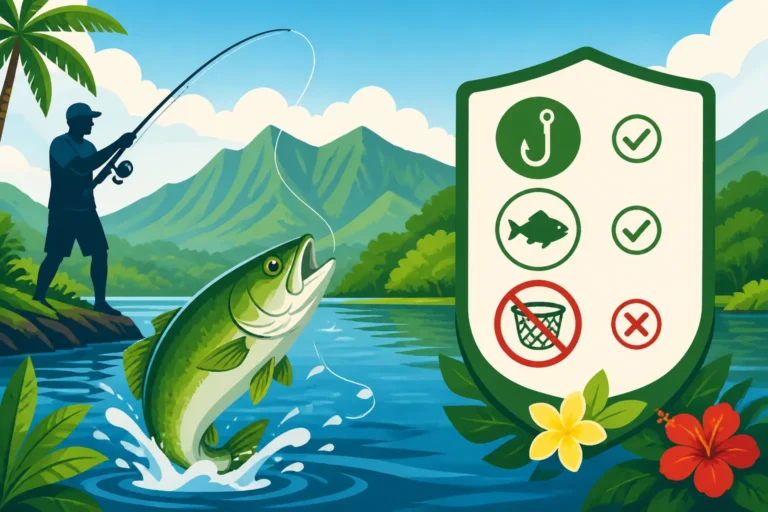
The allure of Hawaii's crystal-clear waters and abundant marine life makes spearfishing an incredibly tempting activity, whether you're a seasoned freediver or an adventurous visitor. However, the excitement can quickly turn to frustration if you're not absolutely sure about the rules. It often feels like a maze trying to figure out what's allowed and what's not, with different rules seemingly popping up around every corner. This comprehensive guide is here to untangle the complexities of Hawaii spearfishing regulations, ensuring you can enjoy this rewarding pursuit responsibly and legally.
Understanding the Big Picture of Hawaii Spearfishing Regulations
When you first start looking into spearfishing in Hawaii, it can feel like you're drowning in a sea of contradictory information. One friend tells you one thing, a local might offer different advice, and the internet just throws a bunch of PDFs at you. It’s enough to make anyone throw up their hands! But once you understand the underlying philosophy, the regulations start to make a lot more sense.
Why So Many Rules? The Purpose Behind the Regulations
At its core, every rule and restriction you encounter in Hawaii's aquatic environment is designed with conservation and sustainability in mind. Our precious ocean resources are finite, and the Hawaiian islands, being isolated, have unique ecosystems that are particularly vulnerable to overfishing and habitat destruction. The Department of Land and Natural Resources (DLNR) and its Division of Aquatic Resources (DAR) are tasked with managing these resources for both current and future generations.
Think about it this way: if everyone just went out and took whatever they wanted, whenever they wanted, our reefs would be empty in no time. These regulations aim to prevent that. They protect spawning fish, ensure certain species can reach maturity to reproduce, and safeguard critical habitats. While it might feel like a hassle to learn all the specifics, knowing that these rules are in place to preserve the very beauty you've come to enjoy can help put things into perspective. It’s not about making things difficult; it’s about perpetuating a healthy ocean for everyone.
Statewide vs. Location-Specific Rules
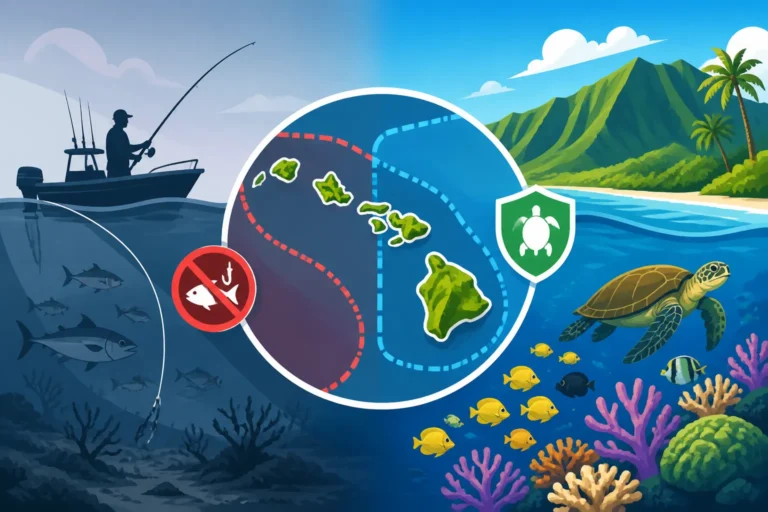
One of the biggest sources of confusion for spearfishers in Hawaii is understanding that the rules aren't always uniform across the entire state. You can't just memorize a single set of guidelines and apply them everywhere. While there are certainly statewide regulations that cover general practices and certain species, many critical restrictions are hyper-local.
For instance, what's perfectly legal on the west side of Oahu might be strictly prohibited in a protected bay on Maui, or a Marine Life Conservation District (MLCD) on the Big Island. These localized rules are often implemented to protect specific ecosystems, particularly vulnerable species, or areas that serve as important breeding grounds. It's crucial to consult the DLNR's Division of Aquatic Resources for the specific island and even the specific bay or coastline you plan to fish. You'll find that areas like Hanauma Bay, for example, have very strict prohibitions on any form of take, including spearfishing. It’s like driving—you follow the general traffic laws, but then you have to pay attention to specific speed limits and parking rules for individual neighborhoods. Ignoring these localized rules can quickly lead to heavy fines or worse. You need to be aware of areas like Hawaii Marine Life Conservation Districts, Explained and how they impact your plans. Additionally, keep an eye out for specific Fish Replenishment Areas (FRAs) that might have their own set of rules, often geared towards restoring fish populations.
Essential Gear and Technique Restrictions for Spearfishing
Spearfishing isn't just about pointing a stick at a fish; there are specific tools and methods allowed, and just as many that are strictly off-limits. Understanding these boundaries is critical before you even think about getting in the water. The equipment you choose and how you use it can make all the difference between a legal catch and a costly citation.
Legal Spearguns and Slings: What You Can and Can't Use
In Hawaii, the general approach to spearfishing is geared towards traditional, sustainable methods. This usually means relying on your breath-hold capabilities and basic, manually operated gear. Pole spears and Hawaiian slings are widely accepted and commonly used. A pole spear is essentially a long shaft with a tip, propelled by hand. A Hawaiian sling is similar, but it uses a separate band that you hold to propel the spear, much like a bow and arrow. Both require skill, patience, and getting up close and personal with your target, which aligns with selective harvesting principles. You can often find a good selection of durable pole spears and Hawaiian slings, complete with varying tip styles, by browsing trusted outdoor gear retailers on platforms like Amazon.
However, the regulations start to get very specific when it comes to more advanced equipment. For example, pneumatic (air-powered) spearguns or spearguns that use powerful bands with mechanical triggers are generally allowed for commercial fishing purposes in specific areas, but their use can be heavily restricted or entirely prohibited for recreational spearfishing in certain locations. The rule of thumb is that any device that gives you an unfair advantage by extending your dive time or greatly increasing your range without significant effort is usually viewed with caution by regulators. Always double-check the local rules for the exact spot you plan to spearfish, as restrictions on speargun types can vary by county or specific management area.
Prohibited Spearfishing Methods
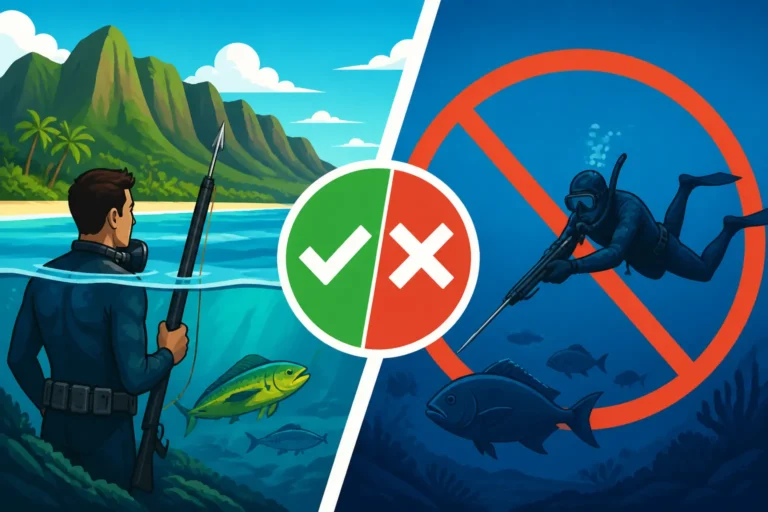
This is perhaps the most critical section for anyone considering spearfishing in Hawaii. There are absolute "no-go" methods that are illegal statewide, no matter where you are or what species you're targeting. The most widely known and strictly enforced prohibition is the Hawaii SCUBA Spearfishing Ban. This means you cannot use SCUBA gear, rebreathers, or any other artificial breathing apparatus while spearfishing. The rationale is simple: SCUBA allows divers to spend extended periods underwater, reducing the challenge and increasing the potential for overharvesting fish that might be less wary of divers on tanks. Spearfishing in Hawaii is fundamentally a freediving activity, emphasizing breath-hold capabilities.
Beyond SCUBA, other methods are also prohibited:
- Night Spearfishing with Lights: While you might see people using lights for other types of night fishing, spearfishing with lights after dark is generally not allowed. This is because many fish are less active and more easily approached at night, making them vulnerable.
- Use of Powerheads or Explosives: This should go without saying, but any form of explosive or powerhead device attached to a spear is strictly illegal and incredibly dangerous.
- Taking Fish from Certain Protected Areas: As mentioned earlier, MLCDs and other specific management areas often completely ban spearfishing. You can't even enter these areas with a speargun or sling, even if it's disassembled. For a deeper dive into the legal techniques, check out the article on Hawaii breath-hold spearfishing rules. Always practice safe and legal methods to protect both yourself and the ocean.
Species-Specific Rules and Bag/Size Limits
It's one thing to know how to spearfish, but it's an entirely different (and equally important) thing to know what you can spearfish. Hawaii has specific rules for many species, aiming to protect vulnerable populations and ensure healthy breeding stock. Ignoring these can lead to fines and a real hit to the local ecosystem.
Knowing Your Target: Protected and Regulated Species
Not every fish you encounter on the reef is fair game, no matter how tempting it might look. Hawaii has several species that are either completely protected, have strict closed seasons, or come with specific size and bag limits. A big part of being a responsible spearfisher is knowing your targets inside and out. For example, certain species of parrotfish, known locally as Uhu, have very specific regulations. While some Uhu species might be fair game, others, particularly the larger ones or those identified as being in breeding aggregations, might have tighter restrictions. You can dive into the specifics of Hawaii Uhu (Parrotfish) Size and Bag Limits to ensure you're compliant.
Another critically important species is Moi, or Pacific Threadfin. This fish was historically reserved for Hawaiian royalty and has made a remarkable comeback thanks to diligent conservation efforts. It has a strict closed season, typically from June to August, and specific size limits when it is allowed to be caught. Catching a Moi during its closed season, regardless of how it's caught, is a serious offense. Learn more about the Hawaii Moi Closed Season, Explained before heading out. Opihi, a limpet shellfish often gathered by hand from rocky shorelines, also has strict harvest limits and size rules, so spearfishers who might encounter them while climbing rocks should be aware of these as well. The article on Hawaii Opihi Harvest Limits and Size Rules provides essential details.
Then there are species like Papio and Ulua (Giant Trevally), which are highly sought after by spearfishers. While generally allowed, they still have minimum size limits to allow them to reach reproductive maturity. Taking an undersized Papio could mean removing a future trophy Ulua from the ecosystem. Make sure you're familiar with Hawaii Papio and Ulua Size Rules. Beyond these, there are other species like certain reef sharks, rays, and sea turtles that are federally and state protected, and interacting with them or attempting to spear them is absolutely illegal and carries severe penalties.
Daily Bag Limits and Minimum/Maximum Sizes
Once you've identified a legal target species, you still need to ensure it meets the size requirements and that you haven't exceeded your daily bag limit. These limits are designed to prevent individual anglers from overharvesting, even if they're only taking legal-sized fish. It's about cumulative impact.
For most recreational spearfishing, general bag limits often apply across a broad range of reef fish. For example, you might have a limit of 20 fish total per day, with no more than 10 of any single species, but this varies widely depending on the specific area and species. Certain valuable food fish might have much lower limits, sometimes as few as one or two per day.
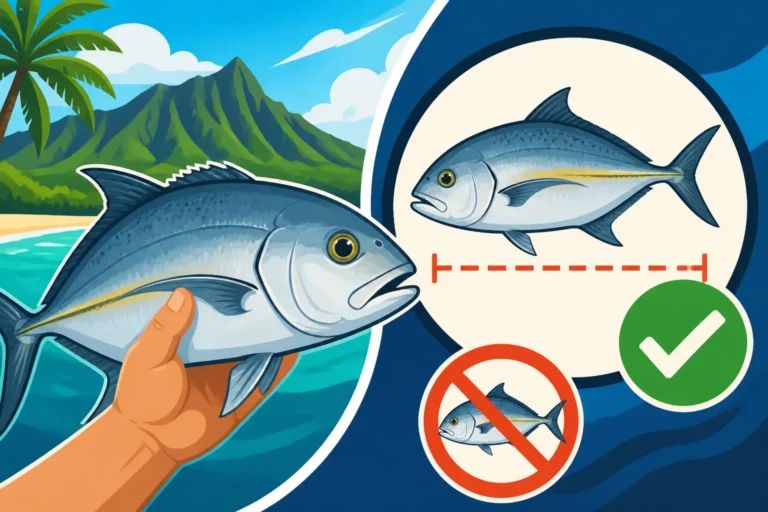
Measuring fish accurately is paramount. Always carry a flexible measuring tape with you. For most fish, the measurement is taken from the tip of the snout to the fork of the tail. If a fish is undersized, it must be released immediately and unharmed. If you're unsure of the exact species or its specific regulations, the safest bet is always to let it go. Trying to guess or hoping you won't get caught is a risky gamble, both for your wallet and for the health of Hawaii's marine life.
Here's a simplified table of common species and general spearfishing guidelines. Always consult current DLNR regulations for the most up-to-date and location-specific information.
| Species (Local Name) | General Size Limit (Min/Max) | General Daily Bag Limit | Notes |
|---|---|---|---|
| Uhu (Parrotfish) | Varies by species, often 12" | 2-5 (species specific) | Many species, some protected or have specific seasons (e.g., Ahulu). Always check DLNR for specific Uhu regulations. |
| Moi (Pacific Threadfin) | 11" minimum | 10 (total) | Closed Season: June 1st – August 31st. Highly regulated. |
| Papio/Ulua (Trevally) | Papio: 10" min; Ulua: 16" min | 20 (combined) | Papio are juvenile Ulua. The 16" minimum for Ulua helps ensure they reach reproductive age. |
| Kumu (Goatfish) | 10" minimum | 20 (total) | Popular food fish, but specific size and bag limits apply. |
| Opihi (Limpet) | 1" shell minimum | 20 per person per day | Restricted to specific methods of removal; often involves hand gathering. |
| Taape (Bluestripe Snapper) | No limit | No limit | Invasive species, highly encouraged to harvest. |
| Roi (Bluespotted Grouper) | No limit | No limit | Invasive species, highly encouraged to harvest. |
Disclaimer: This table provides general examples and is not exhaustive or legally binding. Specific regulations, including size limits, bag limits, and seasonal closures, vary significantly by species, location, and year. Always consult the Hawaii Department of Land and Natural Resources (DLNR) Division of Aquatic Resources (DAR) for the most current and accurate information before spearfishing.
Navigating Restricted and Protected Areas for Spearfishing
Just as important as knowing what fish you can take is knowing where you can and cannot take them. Hawaii's commitment to marine conservation has led to the establishment of numerous protected areas, each with its own specific set of rules that can drastically impact spearfishing activities. These zones are designed to safeguard fragile ecosystems, allowing fish populations to thrive and ensuring biodiversity.
Marine Life Conservation Districts (MLCDs) and Fisheries Management Areas (FMAs)
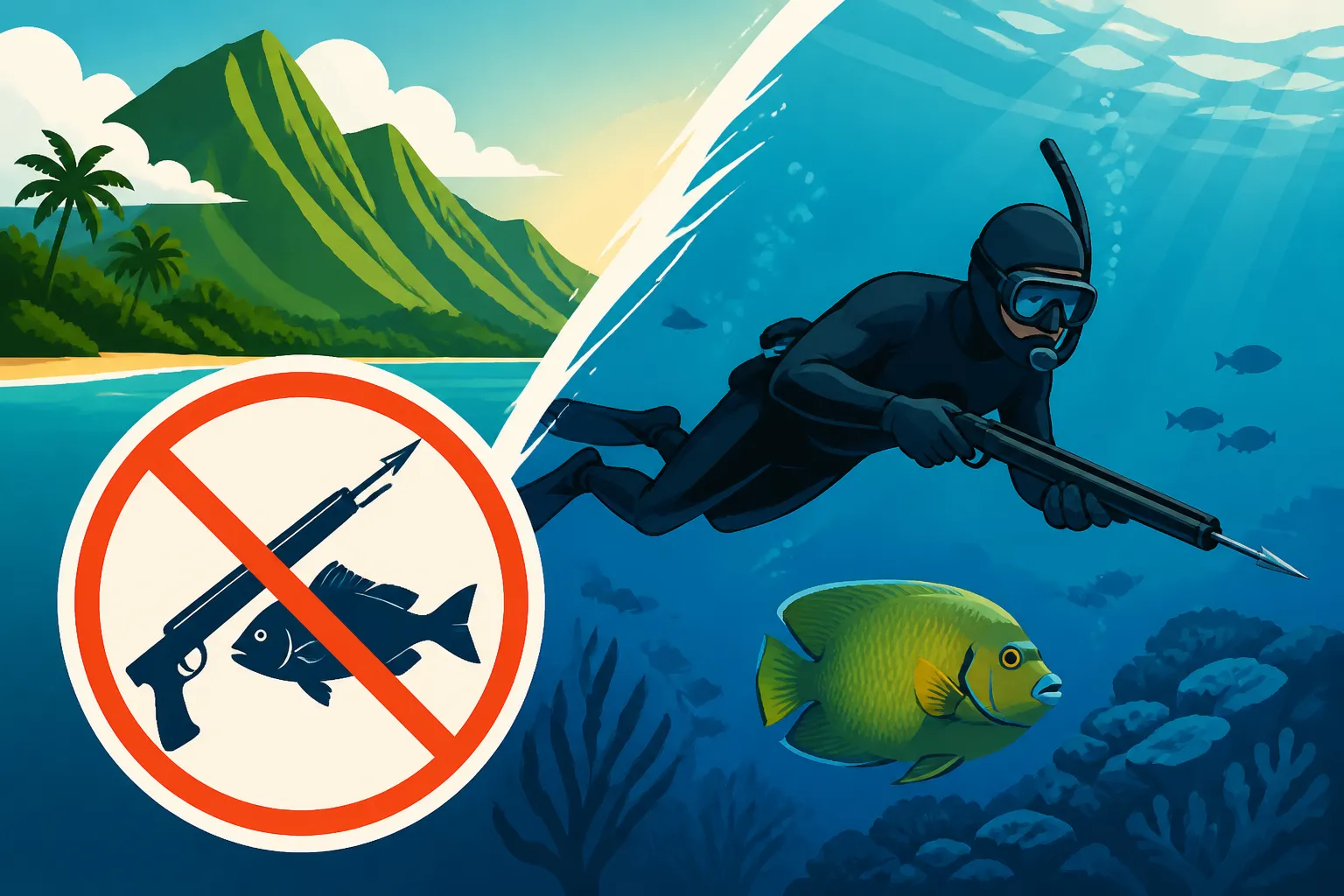
Marine Life Conservation Districts (MLCDs) are perhaps the most well-known and strictly protected areas in Hawaii. Within an MLCD, all marine life is protected, and typically, absolutely no fishing or removal of marine life is permitted. This means spearfishing is completely out of the question. These areas are essentially underwater parks, allowing marine life to flourish undisturbed and providing incredible opportunities for snorkeling and diving to observe the ocean's beauty.
Iconic locations like Hanauma Bay on Oahu are MLCDs, where even entering the water with fishing gear is prohibited. It's not just about not taking fish; it's about not disturbing the marine environment at all. While Hanauma Bay is a famous example, there are MLCDs on all major islands, including Kealakekua Bay on the Big Island and Molokini Shoal off Maui. Before you even pack your speargun, it's vital to know if your intended spot is within an MLCD. For more details, refer to the comprehensive guide on Hawaii Marine Life Conservation Districts, Explained and specifically, Is Fishing Allowed at Hanauma Bay?. Other Fisheries Management Areas (FMAs) or community-based subsistence fishing areas (CBSFAs) might have less restrictive but still unique rules, often focusing on sustainable take limits or specific gear restrictions. Always consult the DLNR maps and regulations for the exact area you plan to visit.
Harbor Entrances, Boat Channels, and Other No-Go Zones
Beyond the ecologically sensitive MLCDs, there are also numerous areas where spearfishing is restricted for safety reasons, navigational purposes, or to prevent conflicts with other ocean users. Common sense often plays a role here, but official regulations back it up.
You'll find that spearfishing is generally prohibited or heavily restricted in:
- Harbor Entrances and Boat Channels: These are high-traffic areas for vessels of all sizes. Spearfishing here poses significant risks to both the diver and boaters. Imagine trying to surface with a fish while a boat is passing over you! The dangers are obvious.
- Designated Swimming and Recreation Zones: Areas marked off for swimmers, snorkelers, or other non-fishing recreational activities are typically off-limits for spearfishing. This is for the safety of everyone in the water.
- Near Public Piers and Docks: Similar to harbor entrances, these areas see a lot of activity, both from people on the structures and in the water. Spearfishing too close can be dangerous and is often prohibited.
- Near Fish Aggregating Devices (FADs): While FADs are excellent for attracting pelagic species, spearfishing directly on or immediately around them might be restricted to prevent overharvesting or interference with other fishing methods.
- Specific Shoreline Access Points: Some public access points might have specific rules regarding fishing methods allowed from that particular stretch of beach or rocks.
It's also worth noting that some areas have Hawaii Net Fishing Restricted Areas, and while this specifically addresses nets, it often indicates a general conservation effort in that location, which could imply other subtle spearfishing restrictions. Always be aware of your surroundings and look for signs posted by the DLNR or local authorities. When in doubt, move to a different spot. Understanding these boundaries, along with areas like Hawaii Fish Replenishment Areas in West Hawaii, is crucial for a legal and safe spearfishing adventure.
Licensing, Enforcement, and Penalties
This is the part that often causes the most confusion and, unfortunately, can lead to the most trouble if misunderstood. Many people assume that because Hawaii has such a rich fishing culture, licenses might not be needed for simple activities like spearfishing. This isn't always the case, and being caught without the proper authorization or in violation of other rules can quickly ruin your trip and your finances.
Do You Need a Special Spearfishing License in Hawaii?
This is a frequently asked question, and the answer isn't as straightforward as you might think for all types of fishing in Hawaii. Historically, Hawaii residents have been exempt from needing a license for recreational marine (ocean) fishing, including spearfishing, as long as they are not selling their catch. This tradition stems from the state's deep cultural connection to subsistence fishing. So, if you're a Hawaii resident, generally you do not need a specific marine fishing license to spearfish for recreational purposes. You can read more about this exemption in Hawaii Resident Ocean Fishing License Exemption.
However, this resident exemption does not apply to non-residents. If you're visiting Hawaii and want to spearfish in the ocean, you will need a Hawaii Nonresident Marine Fishing License. This license ensures that visitors are also contributing to the conservation efforts of the state's marine resources. These licenses can be purchased for various durations, such as 1-day, 7-day, or annual. It's essential to understand the distinction. Furthermore, both residents and non-residents do require a freshwater fishing license if they plan to fish in any of Hawaii's freshwater reservoirs or streams, though spearfishing is typically not a method used or allowed in these environments. The definitive article Do You Need a Fishing License in Hawaii provides a full breakdown of requirements. For non-residents, understanding the specifics of a Hawaii Nonresident Marine Fishing License, Explained is absolutely critical.
DLNR Enforcement and Consequences of Violations
The Hawaii Department of Land and Natural Resources (DLNR) is the state agency responsible for protecting and managing Hawaii's natural resources. Their enforcement arm, the Division of Conservation and Resources Enforcement (DOCARE), are the officers you'll encounter in the field, whether on land, at sea, or even underwater. These are the folks who will check your catch, ensure you have the right license (if applicable), and confirm you're adhering to all regulations.
DOCARE officers are highly trained and have a strong presence in popular fishing and spearfishing areas, as well as in protected zones like MLCDs. They take their job very seriously, and ignorance of the law is never an acceptable excuse. If you are found in violation of spearfishing regulations, the consequences can range from significant fines to the confiscation of your gear (including your speargun, fins, and wetsuit), and in severe or repeated cases, even criminal charges and jail time.
For example, being caught spearfishing in an MLCD carries a hefty fine, as does taking undersized fish or exceeding bag limits. Violating the SCUBA spearfishing ban can lead to severe penalties. The fines for illegal fishing can run into the hundreds or even thousands of dollars per violation. It's far cheaper and less stressful to take the time to learn the rules before you go. You can find more detailed information on potential repercussions in the guide about Fishing Without a Required License in Hawaii: Penalties. Always carry your fishing license (if required) and be prepared to show your catch and gear to a DOCARE officer upon request. They are there to protect the resources for everyone, and cooperation is key.
Best Practices for Responsible Spearfishing in Hawaii
Spearfishing is more than just a hunt; it's an intimate connection with the ocean, requiring respect, skill, and a deep understanding of the marine environment. Beyond simply following the rules, responsible spearfishing involves adopting a mindset that prioritizes safety, ethics, and conservation.
Safety First: Understanding Ocean Conditions and Personal Limits
The ocean in Hawaii can be incredibly beautiful, but it's also powerful and unpredictable. Safety should always be your number one priority, even before you think about finding fish.
- Know Your Conditions: Always check the weather forecast, wave reports, tides, and currents before heading out. Conditions can change rapidly, turning a calm morning into a dangerous afternoon. Strong currents can sweep you away from shore or your boat, and large swells can make surfacing or exiting the water extremely hazardous.
- Never Spearfish Alone: This is a golden rule in freediving and spearfishing. Always have a buddy. If you experience a shallow water blackout or encounter an unexpected situation (like a marine animal or entanglement), your buddy could save your life.
- Know Your Limits: Be honest about your breath-hold capabilities and diving depth. Pushing yourself too hard can lead to dangerous situations like shallow water blackout. Make conservative dives and always allow ample recovery time between dives.
- Use a Dive Flag: A dive flag signals your presence to boaters and other water users, greatly reducing the risk of collision. This is often legally required in many areas. You can purchase a high-visibility dive flag and float from marine supply stores or online retailers like Amazon to ensure you're seen.
- Proper Gear: Ensure all your gear is in good working condition. Check your speargun bands, lines, and fin straps. A malfunction underwater can be a major problem.
By prioritizing safety, you not only protect yourself but also set a good example for others and minimize potential incidents that could reflect poorly on the spearfishing community.
Ethical Considerations and Conservation Mindset
Responsible spearfishing extends beyond legal compliance; it embraces a strong ethical code and a conservation-first mindset. It's about being an active steward of the ocean, not just a harvester.
- Selective Harvesting: One of the greatest advantages of spearfishing is its selectivity. You can choose your target. Prioritize taking invasive species like Taape (Bluestripe Snapper) and Roi (Bluespotted Grouper), which often outcompete native species and disrupt the delicate reef ecosystem. You can learn more about Hawaii taape and roi invasive species harvest rules and the encouragement to remove them. Avoid taking gravid (pregnant) fish, as they are crucial for future generations. Aim for mid-sized fish that have already spawned, leaving the very largest and smallest individuals to continue breeding or grow.
- Minimal Impact: Tread lightly on the reef. Avoid kicking or standing on live coral. Use your fins carefully to navigate around sensitive areas. When you shoot a fish, retrieve it quickly and efficiently to minimize struggling and attracting predators.
- Leave No Trace: Pack out everything you pack in, including any trash, fishing line, or discarded spear tips. Leave the shoreline and the reef cleaner than you found them.
- Respect Marine Life: While some species are targets, treat all marine life with respect. Never harass or intentionally harm non-target species. This includes respecting protected animals like sea turtles and monk seals; maintaining a safe distance is not just ethical but also legally required. Familiarize yourself with Hawaii turtle and monk seal proximity rules for anglers.
- Share Knowledge: If you see someone doing something unsafe or illegal, respectfully educate them if the situation allows. By fostering a community of responsible spearfishers, we all contribute to a healthier ocean and a more positive perception of our sport.
Embracing these best practices ensures that spearfishing in Hawaii remains a sustainable, respectful, and deeply rewarding experience for years to come.
Disclaimer
The information provided in this guide is for general informational purposes only and does not constitute legal advice. Fishing regulations in Hawaii are complex, frequently updated, and can vary significantly by location and species. It is the individual's responsibility to consult the most current official regulations from the Hawaii Department of Land and Natural Resources (DLNR) Division of Aquatic Resources (DAR) before engaging in any fishing activities. Failure to do so may result in fines or legal penalties.