Best jetty fishing spots near Honolulu Harbor
Finding a productive fishing spot in a bustling urban area like Honolulu can feel like searching for a needle in a haystack, especially when you're hoping for something beyond the typical tourist traps. Many anglers, both kama'aina and visitors, overlook the incredible opportunities that the jetties around Honolulu Harbor offer. This guide will take a deep dive into the best jetty fishing spots, revealing their unique offerings, ideal techniques, and crucial regulations to help you reel in a memorable catch right in the heart of the city.
The Unique Appeal of Jetty Fishing Near Honolulu Harbor
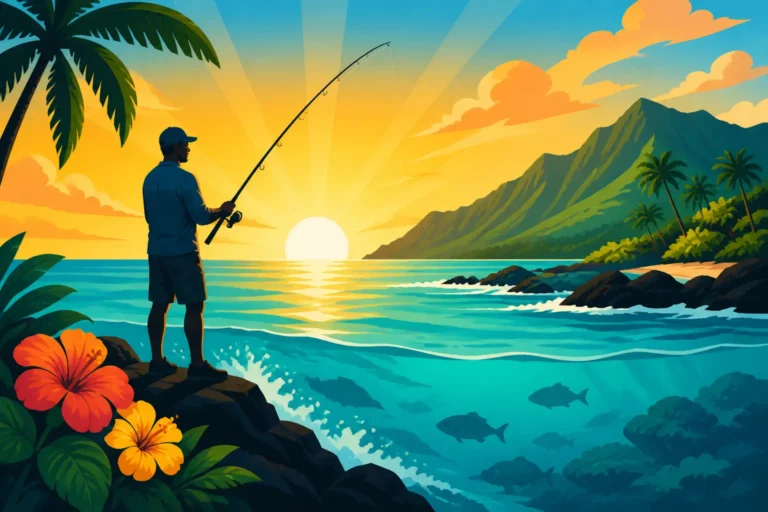
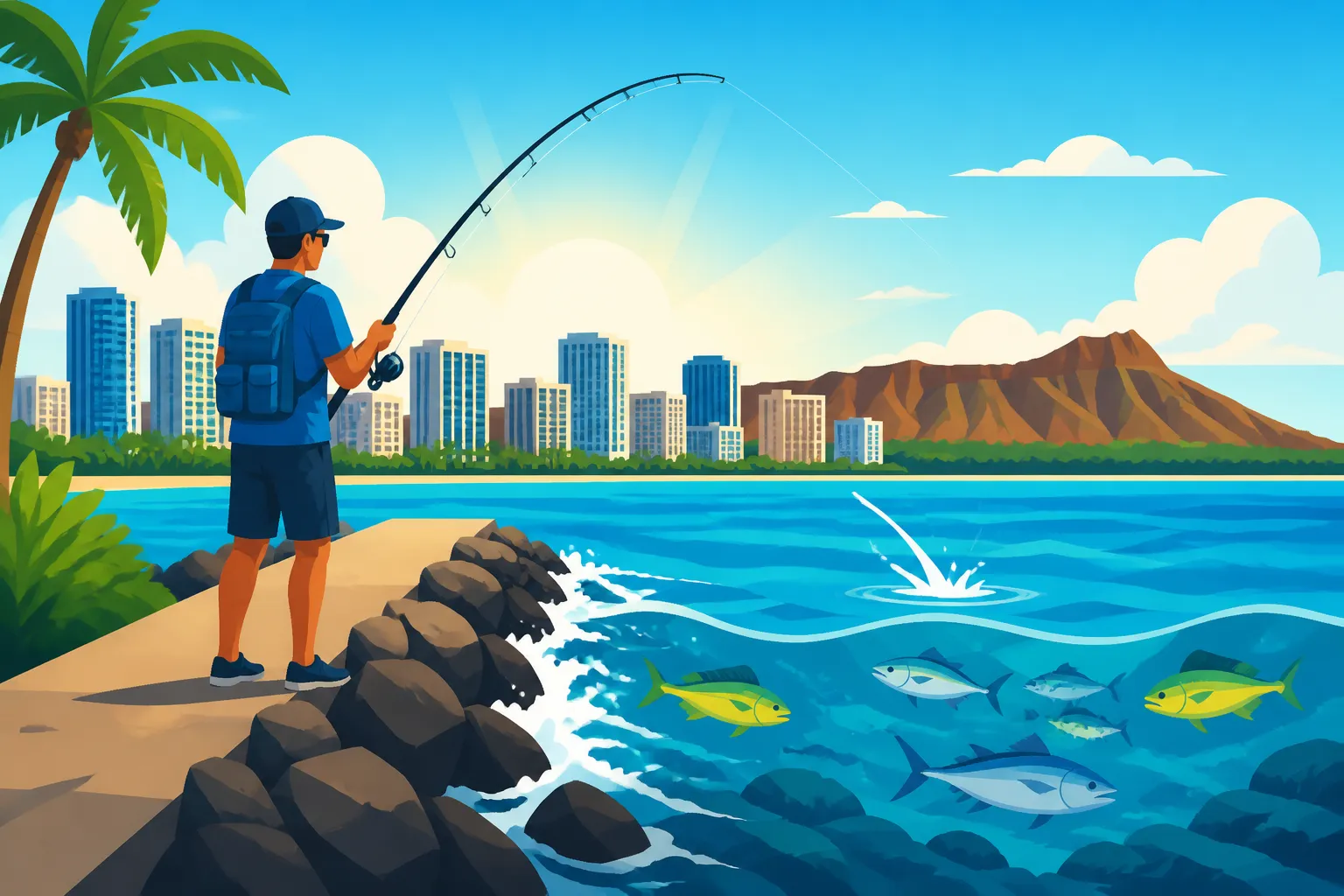
There's something truly special about jetty fishing, especially in a place like Honolulu. Unlike vast open beaches or remote rocky points, jetties offer a concentrated fishing experience, often providing easy access to deeper water and varied structure that attracts a wide array of fish species. The proximity to Honolulu Harbor means these spots are usually accessible, yet they can still feel like a world away once you've got a line in the water and the city noise fades into the rhythm of the waves.
Understanding Jetty Dynamics and Fish Behavior
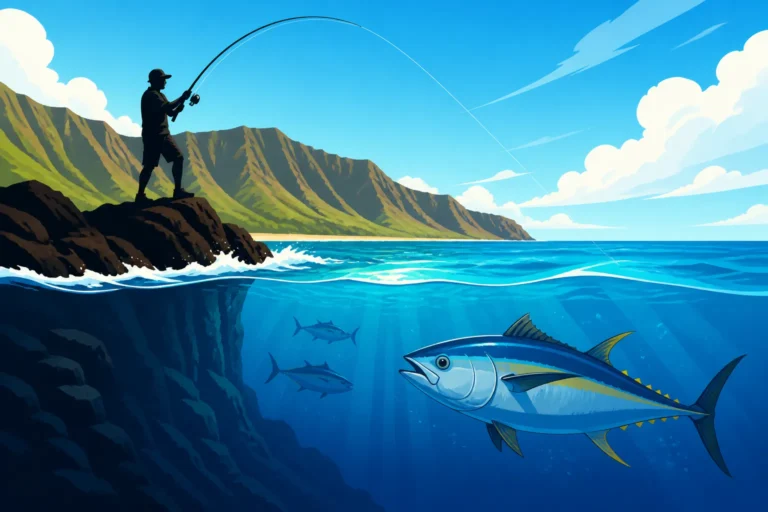
Jetties, whether constructed from rock or concrete, serve a crucial purpose in coastal engineering: protecting harbors and shorelines from wave action and erosion. For anglers, this means they create an artificial reef system. The rocks and submerged structures provide cover, ambush points, and foraging grounds for countless baitfish, which, in turn, attract larger predatory species. The interface between the calm harbor waters and the dynamic open ocean on the other side of a jetty is a prime feeding zone. Currents often sweep baitfish along these structures, concentrating them for predators. This also means you're not just casting into a featureless expanse; you're targeting specific areas where fish naturally congregate.
For instance, you might find papio (juvenile trevally) ambushing smaller baitfish in the calmer, inner harbor side, while on the ocean side, larger ulua (giant trevally) might patrol the deeper water at the jetty's end, especially during tide changes. The structure itself also acts as a sanctuary for reef fish, drawing in species like goatfish (kumu, weke) and various wrasse that can be targeted with lighter tackle. Understanding these dynamics is key to success, helping you decide where on the jetty to cast your line and what species to anticipate.
Accessibility and Urban Fishing Benefits
One of the biggest frustrations for many anglers in Hawaii is finding readily accessible fishing spots that don't require an hour's drive or a challenging hike. Honolulu's jetties are a game-changer in this regard. Many are just a short drive from downtown, Waikiki, or other populated areas, often with decent parking nearby. This makes them perfect for a quick morning or evening session, or for those who don't have the time or means to venture to more remote locations. You don't need a boat, a 4×4, or specialized off-road gear – just your fishing tackle and a desire to cast a line.
Beyond accessibility, urban fishing spots offer a unique atmosphere. You're often fishing alongside locals who are happy to share aloha and perhaps even some tips, though always be respectful of their space and practices. There's a vibrant energy that comes from being connected to the city while still engaging with the ocean. Plus, if you need a quick snack, more bait, or forgotten tackle, you're usually just minutes away from a convenience store or tackle shop. It’s an ideal setting for spontaneous fishing trips or for introducing newcomers to the joys of the sport without the commitment of a full-day excursion.
Specific Hotspots: Where to Cast Your Line
While Honolulu Harbor is a busy commercial port, several jetties and adjacent areas offer excellent fishing opportunities for those who know where to look. Each spot has its own character, target species, and ideal conditions.
Ala Moana Beach Park Jetties
When you think of fishing near Honolulu Harbor, the Ala Moana Beach Park jetties are often the first to come to mind for many local anglers, and for good reason. These jetties, particularly the one protecting the Magic Island lagoon, provide fantastic access to both calm, protected waters and the more dynamic open ocean. The main jetty at Magic Island stretches quite a distance, offering plenty of room for anglers to spread out.
On the lagoon side, you'll find calmer, shallower waters ideal for lighter tackle targeting papio, goatfish, and even some smaller reef species. Kids often have great success here with small pieces of shrimp or breadball bait. As you venture further out along the jetty towards the open ocean, the water deepens, and the current becomes more pronounced. This is where you'll want to focus for larger papio, occasional barracuda, and even ulua, especially at dawn or dusk, or during strong incoming tides. The very end of the jetty can be productive for casting into deeper water, but always be mindful of boat traffic entering and exiting the harbor channel. For those looking for more insight into land-based fishing, our guide on Shore Fishing Techniques for Hawaii offers some excellent strategies that apply here.
Sand Island State Recreation Area Jetties
Just across the harbor channel from Ala Moana lies Sand Island State Recreation Area, home to another set of highly productive jetties. These jetties help protect the channel and the inner harbor from swells, and they are well-known among local fishermen. The advantage here is the proximity to the deeper channel, which acts as a highway for various fish species. Anglers casting from the Sand Island jetties often target a broader range of fish, from reef dwellers to migratory pelagics that might venture closer to shore.
The jetties here extend into fairly deep water relatively quickly, making them excellent for bait fishing with heavier setups. Ulua are a prime target, especially at night when they venture closer to the structure to feed. You might also encounter moi (Pacific threadfin) in season, particularly on the calmer, sandier stretches. Additionally, the deeper water and currents can bring in schooling fish like akule or opelu, which can be caught for bait or for consumption. Always be aware of the currents, which can be quite strong, especially during tidal changes. For anglers considering a dedicated trip, services like FishingBooker can sometimes connect you with local guides who specialize in these areas, offering valuable on-the-spot advice.
Kewalo Basin Jetties
While primarily known as a bustling hub for fishing charters and tour boats, Kewalo Basin also has accessible jetties that offer surprisingly good fishing. Located just east of Ala Moana Beach Park, the jetties here help define the basin's entrance. The primary draw of Kewalo Basin's jetties is their immediate proximity to the deeper waters of the open ocean, making them a strategic point for targeting species that might be moving in or out of the harbor.
Anglers at Kewalo Basin often focus on whipping or casting lures for papio, barracuda, and even small tuna species that might be chasing baitfish near the surface. Bottom fishing can yield goatfish, snappers, and occasionally even small sharks. The area around the mouth of the basin can be particularly productive during the incoming tide when nutrients and baitfish are pushed in. It's a fantastic spot for a morning session, watching the fishing charters head out while you enjoy some productive shore casting. Always be respectful of the boat traffic and ensure you're not obstructing any navigational channels. Understanding the local Hawaii Fishing Regulations Explained will be crucial here, especially regarding species limits and protected areas.
Essential Gear and Techniques for Honolulu Jetties
Successful jetty fishing in Honolulu isn't just about showing up; it's about having the right gear and employing effective techniques. The varied conditions and diverse species call for a flexible approach.
Recommended Rod, Reel, and Line Setups
For general jetty fishing around Honolulu, you'll want versatile setups that can handle a range of situations.
- Light to Medium Setup: A 7 to 9-foot spinning rod with a medium-fast action, paired with a 3000-4000 size spinning reel, is incredibly versatile. Spool it with 15-20 lb braided line, which offers excellent casting distance and sensitivity. A fluorocarbon leader of 20-30 lb test, about 2-3 feet long, will provide abrasion resistance against the rocks and be less visible to fish. This setup is perfect for whipping lures for papio, small grunts, and general bait fishing. You can find more specific advice on light tackle fishing in our guide on How to Catch Papio on Hawaii's Shoreline.
- Heavy Setup: For targeting larger ulua or other powerful species, particularly at night or during strong currents, a heavier setup is essential. A 9 to 12-foot heavy-action spinning or conventional rod, matched with a 6000-8000 size reel (or a robust conventional reel), spooled with 50-80 lb braided line, is ideal. A heavy monofilament or fluorocarbon leader of 80-150 lb test is crucial for abrasion resistance and fighting powerful fish near structure. This setup is used for sliding baits or casting large chunks of bait. If you're serious about battling a big one, check out our guide on How to Catch Ulua from Shore.
Baits, Lures, and Rigs That Work
The key to success on Honolulu's jetties is often matching the hatch – using baits and lures that mimic what local fish are already eating.
- Live Bait: Live baits are king, especially for predatory fish. Small opelu, akule, or even juvenile mackerels can be caught with sabiki rigs or small cast nets, then fished live on a sliding rig or under a float. For papio, small live shrimp or ghost shrimp work wonders.
- Cut Bait: Chunks of fresh aku (skipjack tuna), opelu, or even squid are incredibly effective for bottom feeders and larger predators like ulua. Rig them on a fish-finder or sliding sinker rig with a strong circle hook.
- Lures:
- Grub Tails & Soft Plastics: Small grub tails or swimbaits in white, clear, or natural colors on jig heads (1/4 to 1/2 oz) are excellent for papio and reef fish.
- Metal Jigs (Whipping Lures): Small, slender metal jigs (1/2 to 1 oz) are fantastic for casting long distances and imitating fleeing baitfish. Work them with a fast retrieve and occasional twitches for schooling papio. Brands like Lamiglas or Daiwa often have popular models.
- Poppers & Topwater Plugs: For exciting surface strikes from papio or barracuda, especially at dawn or dusk, small poppers or walk-the-dog style plugs can be highly effective.
- Rigs:
- Carolina Rig/Fish-Finder Rig: A sliding sinker above a swivel, with a 1-3 foot leader and hook. Excellent for bottom fishing with live or cut bait.
- Dropper Loop Rig: Creates two snelled hooks off the main line, good for fishing multiple baits for smaller reef fish.
- Sliding Rig (Ulua Rig): A heavy leader with a large hook is attached to a slider that runs on the main line, allowing the bait to swim freely while the heavy sinker holds bottom. This is a go-to for bigger ulua.
Best Times and Conditions
Timing is everything in fishing, and Honolulu's jetties are no exception.
- Tides: The incoming and outgoing tides are generally the most productive periods, as moving water dislodges bait and concentrates fish. Strong tidal exchanges can be particularly good, but also make fishing challenging due to currents.
- Time of Day: Dawn and dusk are prime times for predatory species like papio, ulua, and barracuda, as light levels are low, and baitfish are more active. Night fishing is often favored by experienced ulua anglers, as these powerful fish are nocturnal hunters. Mid-day can still be productive for bottom fish or if there's a strong current.
- Weather: Overcast days can extend the productive bite window. While it's tempting to fish during or right after heavy rain, remember that excessive freshwater runoff can push fish away from the shore due to changes in salinity and water clarity. However, a light rain can sometimes trigger a bite. Always prioritize safety, especially during high winds or large swells, which can make jetties extremely dangerous.
| Jetty Location | Primary Target Species | Recommended Time of Day | Key Techniques | Notes |
|---|---|---|---|---|
| Ala Moana Beach Park | Papio, Goatfish, Ulua, Barracuda | Dawn/Dusk, Night (Ulua) | Whipping, Bait Fishing | Versatile for light & heavy tackle. Magic Island jetty extends far, offering varied depth. Be mindful of swimmers on the lagoon side and boat traffic at the end. |
| Sand Island State Rec. | Ulua, Papio, Moi, Akule, various Snappers | Night (Ulua), Dawn/Dusk | Heavy Bait, Whipping | Closer to deep channel, strong currents possible. Excellent for those targeting larger, stronger fish. |
| Kewalo Basin Jetties | Papio, Barracuda, Small Tuna, Reef Fish | Morning (Incoming Tide) | Whipping, Light Bait | Proximity to open ocean. Great for casting lures. Watch out for charter boat traffic and ensure you're in designated fishing areas. |
Rules, Regulations, and Safety Considerations
Fishing on Hawaii's jetties, especially in an urban setting, comes with specific rules and safety guidelines that every angler must follow. Respecting these ensures your safety, protects the environment, and keeps fishing opportunities open for everyone.
Understanding Hawaii Fishing Regulations
It's absolutely vital to be familiar with Hawaii's fishing regulations, as they are designed to protect precious marine resources. Many anglers mistakenly believe that ocean fishing in Hawaii doesn't require a license, but while recreational marine fishing historically did not require one for residents, specific rules and species limits are always in effect. It's always best practice to check the latest regulations from the Department of Land and Natural Resources (DLNR) Division of Aquatic Resources (DAR). Our detailed guide on Hawaii Fishing License Guide for 2026 can clarify any confusion about licensing requirements, especially for non-residents or those targeting freshwater species if you ever decide to venture beyond the jetties.
Key regulations to pay attention to include:
- Bag and Size Limits: Know the legal size and daily bag limits for species you might encounter, such as papio, ulua, moi, and various reef fish. These limits are in place to ensure sustainable populations. For example, there are specific Hawaii Papio and Ulua Size Rules that anglers must adhere to.
- Closed Seasons and Areas: Certain species have closed seasons to protect them during spawning. Additionally, some areas, like Marine Life Conservation Districts (MLCDs), have strict restrictions or outright bans on fishing. While the jetties discussed are generally open for fishing, always double-check for any localized restrictions. You can learn more about these protected areas in Hawaii Marine Life Conservation Districts, Explained.
- Prohibited Methods: Certain fishing methods, like the use of poisons or explosives, are strictly prohibited. While not typically a concern for jetty anglers, it's good to be aware.
- Protected Species: Be aware of protected species such as sea turtles and Hawaiian monk seals. If you accidentally hook one, know how to safely release it without causing harm. It's crucial to understand Hawaii turtle and monk seal proximity rules for anglers. Ignoring these rules can lead to severe penalties.
Always carry a copy of the current regulations or have access to them on your phone. Ignorance of the law is not an excuse, and penalties for Fishing Without a Required License in Hawaii: Penalties or violating bag limits can be steep.
Safety on the Jetties
Jetty fishing, while rewarding, carries inherent risks. The ocean is powerful and unpredictable, even near shore.
- Footing and Waves: Jetties are often made of uneven, slippery rocks that can be covered in algae. Always wear appropriate footwear with good grip – sandals or flip-flops are a recipe for disaster. Be constantly aware of incoming waves, especially during high tide or when swells are running. A rogue wave can easily sweep you off a jetty into dangerous waters. Never turn your back on the ocean.
- Currents and Drop-offs: The water around jetties can have strong currents, and there are often sudden drop-offs into deep water. If you fall in, escaping can be extremely difficult. Consider wearing a personal flotation device (PFD), especially if you're not a strong swimmer or if conditions are rough.
- Sharps and Debris: Jetties accumulate trash, including broken glass, rusty hooks, and old fishing line. Watch your step and handle your own discarded line and hooks responsibly.
- Night Fishing Precautions: If fishing at night, a headlamp or flashlight is indispensable for visibility. Let someone know where you are going and when you expect to return. Consider fishing with a buddy. The rocks become even more treacherous in the dark.
- Environmental Awareness: Dispose of all trash, including monofilament line and bait containers, properly. Monofilament fishing line is particularly harmful to marine life. Pack out everything you pack in.
Respecting Other Anglers and the Environment
Part of the aloha spirit is showing respect for others and the natural environment.
- Space and Courtesy: Jetties can get crowded, especially on weekends. Give other anglers ample space and avoid casting directly over their lines. If someone is already set up, politely ask if there's room before you crowd in.
- Noise Levels: While it's a social activity, keep excessive noise down, especially during the early morning or late evening hours.
- Shoreline Access: Always be mindful of public access rights to the shoreline. In Hawaii, traditional and customary fishing rights are recognized, and public access to the ocean is generally protected. Understand Hawaii shoreline fishing rights and public access rules to ensure you're always fishing legally and respectfully.
- Catch and Release: Consider practicing catch and release, especially for species you don't intend to eat or if you've already met your bag limit. Handle fish gently, and release them quickly to maximize their survival chances. For smaller papio or ulua, letting them grow bigger means better fishing for everyone in the future.
By understanding the unique appeal of jetty fishing, knowing the prime spots around Honolulu Harbor, equipping yourself with the right gear and techniques, and adhering to all regulations and safety protocols, you’re well on your way to enjoying some truly memorable fishing experiences in Hawaii’s urban waters.
Disclaimer
The information provided in this guide is for general informational purposes only. Fishing regulations and conditions in Hawaii can change frequently. Always consult the most current regulations issued by the Hawaii Department of Land and Natural Resources (DLNR) Division of Aquatic Resources (DAR) before heading out. Safety should always be your top priority when fishing.