Drift Fishing for Ahi in Hawaii
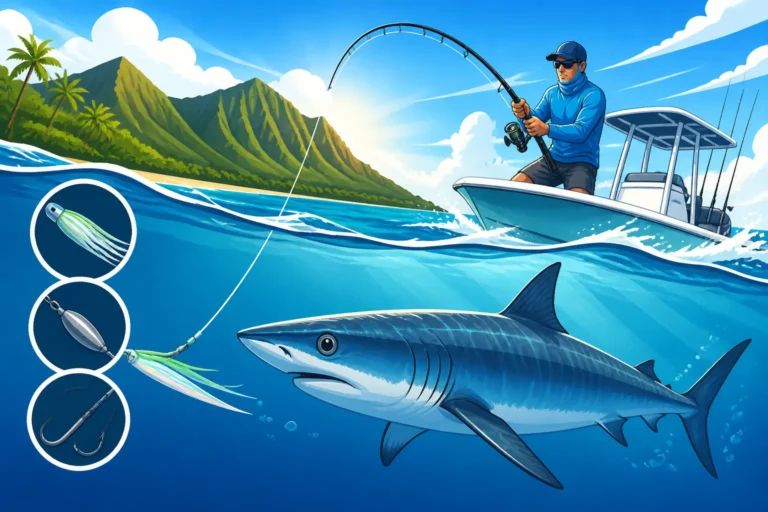
There's nothing quite like the thrill of chasing Ahi (Yellowfin Tuna) in Hawaii's expansive blue waters, but sometimes, those magnificent fish aren't interested in chasing a trolled lure. When they're a bit finicky, or simply holding deep beneath bait schools or FADs, traditional high-speed trolling can leave you empty-handed. This comprehensive guide is here to shed light on a highly effective, often more nuanced method: drift fishing for Ahi, giving you the tools to succeed when other techniques fall short.
Understanding Ahi Behavior and Habitat for Drift Fishing
Before you even think about dropping a line, understanding the unique habits and preferred environments of Ahi is paramount to successful drift fishing. These powerful, fast-swimming predators are creatures of habit, and knowing their routine will significantly increase your chances of finding them.
Ahi Migration Patterns and Feeding Habits
Ahi are highly migratory, constantly on the move across vast stretches of ocean. While they are present year-round in Hawaiian waters, their concentrations can ebb and flow with seasons and ocean conditions. You'll often find them congregating around various oceanic features that offer food or shelter. These can include seamounts, ledges, current breaks, and especially Fish Aggregating Devices (FADs) – those buoys deployed by the state that act as magnets for baitfish, and consequently, for larger predators like Ahi. Understanding Ahi Migration Patterns Around Hawaii is key.
When it comes to feeding, Ahi are opportunistic carnivores. They primarily feast on smaller baitfish like mackerel, opelu (mackerel scad), akule (bigeye scad), squid, and even juvenile skipjack tuna. Their feeding activity is often visually indicated by diving seabirds or nervous bait schools breaking the surface. They have incredible eyesight and a keen sense of smell, both of which you'll leverage when drift fishing. Unlike trolling, where you're actively searching for feeding fish, drift fishing often involves attracting Ahi to you by mimicking a natural feeding event. This is particularly effective when Ahi are holding in deeper water, perhaps digesting a meal or waiting for the right moment to strike.
Ideal Conditions for Drifting for Ahi
Successful Ahi drift fishing isn't just about showing up; it's about understanding and capitalizing on the right environmental conditions. Certain factors can make or break your day on the water.
Firstly, currents are your best friend when drift fishing. A moderate, consistent current allows your boat to move naturally, spreading your chum and baits over a wide area. Too much current can make it hard to keep baits in the strike zone and cause your lines to belly out excessively, while too little current can make your presentation appear lifeless. Look for current lines where two different currents meet, as these often concentrate baitfish and debris, creating a natural feeding ground for Ahi.
Water temperature also plays a critical role. Ahi prefer warmer waters, typically above 75°F (24°C). Significant temperature breaks can often signal productive areas, as these interfaces concentrate bait and act as highways for pelagic species. Using a good fishfinder with temperature overlays can help you identify these subtle but crucial changes.
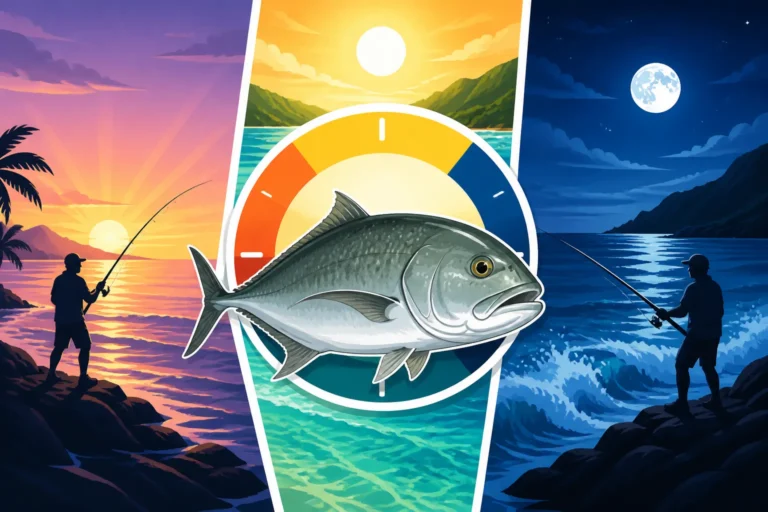
Moon phases and time of day are also considerations. While Ahi can be caught at any time, many experienced anglers find that early mornings and late afternoons, when light levels are lower, can often trigger more aggressive feeding. The full moon and new moon cycles are also known to influence feeding patterns, often leading to more active fish. For specific insights, looking into the Best Time of Day to Book a Charter for Ahi might reveal interesting patterns based on local knowledge. Keep an eye on tide charts as well; a strong outgoing or incoming tide can enhance current flow, which, as we discussed, is ideal for a good drift.
Essential Gear for Successful Ahi Drift Fishing
Drift fishing for Ahi requires robust, reliable tackle that can withstand the immense power of these fish. You're not just trying to catch a fish; you're often trying to stop a runaway train! Skimping on gear here is a surefire way to end up with a broken heart and an empty cooler.
Rods, Reels, and Line Selection
For Ahi, especially those larger 80-pound-plus specimens Hawaii is famous for, you'll want heavy-duty conventional gear. Think 50-class to 80-class reels spooled with plenty of line. A good reel will have a smooth, powerful drag system that can apply significant pressure without faltering. Brands like Penn, Shimano, and Daiwa are staples in the Hawaiian big-game fishing scene. You can find a fantastic selection of these robust reels and rods on platforms like Amazon, ensuring you have the right tools for the job.
Matching your reel to a stout, fast-action rod, typically 6 to 7 feet in length, is crucial. The rod needs enough backbone to lift a heavy fish but enough tip sensitivity to detect subtle bites and absorb headshakes. Many anglers prefer bent-butt rods for stand-up fighting, which can reduce strain during prolonged battles.
When it comes to line, a strong braided mainline (e.g., 80-130 lb test) is often favored for its sensitivity and incredible breaking strength. Braid allows for more line capacity on your reel and less stretch, which helps with hooksets at deep depths. However, braid is visible and can be abrasive, so it's essential to use a monofilament top shot (e.g., 80-150 lb test, 100-200 yards) connected with a strong knot like an FG knot or a wind-on leader. This mono top shot provides shock absorption, some stretch, and a less visible presentation in the water, crucial for wary Ahi. A high-quality fluorocarbon leader, typically 100-200 lb test, will then be tied to your main line or top shot, offering excellent abrasion resistance and near-invisibility in the water.
Terminal Tackle and Bait Rigs
Your terminal tackle is the business end of your setup, and every component needs to be top-notch. For hooks, circle hooks are highly recommended, especially when fishing with live or chunk bait. They are designed to hook fish in the corner of the mouth, minimizing gut hooks, which is better for both the fish if you decide to release it, and for landing the fish cleanly. Sizes can range from 12/0 to 16/0, depending on bait size and target Ahi. While J-hooks are still used by some, the conservation and effectiveness benefits of circle hooks are hard to ignore.
Leader material is another critical component. As mentioned, fluorocarbon is preferred for its low visibility and strength. You'll want to use 100-200 lb test leader, typically 10-20 feet long, to withstand the Ahi's sharp fins and rough fight. Swivels, usually heavy-duty ball-bearing swivels (400-600 lb test), are essential to prevent line twist, especially when drifting with spinning baits.
Weights are crucial for getting your bait down to the desired depth and keeping it there in the current. Various types include egg sinkers, torpedo sinkers, or even specialized trolling weights if you're trying to achieve greater depth with a slower drift. The amount of weight needed will vary greatly depending on current, depth, and the type of bait you're using. Sometimes, a simple weighted hook or a small crimped-on weight is enough; other times, you might need several ounces or even pounds to get into the deep Ahi zone.
For specific bait rigs, a simple yet effective setup involves a main line connected to a heavy-duty swivel, then a fluorocarbon leader (10-20 ft) snelled or crimped to a circle hook. Sometimes, a small lead weight is crimped a few feet above the hook for faster descent. Another popular rig for chunking involves multiple circle hooks spaced along a longer leader, allowing you to present several chunks of bait in the chum line. Always ensure your knots are tied meticulously and your crimps are secure. Don't forget a sturdy pair of pliers and a sharp knife, indispensable tools for rigging and unhooking your catch.
| Feature | Live Bait | Dead Bait (Chunking) | Artificial Lures (Jigs) |
|---|---|---|---|
| Pros | Highly natural, strong scent trail, appealing action | Readily available, cost-effective, good scent trail, versatile | Reusable, no refrigeration needed, active presentation |
| Cons | Requires bait acquisition and care, can be expensive | Less lively, may be ignored by picky fish, can be picked apart by smaller fish | Requires constant angler action, less natural scent |
| Best Uses | When Ahi are active and picky, or deep beneath the boat | For setting a consistent chum line, targeting fish attracted to scent | When Ahi are aggressively feeding, for targeting specific depths with vertical presentation |
| Technique Focus | Subtle drifts, allowing bait to swim naturally | Consistent chumming, slow descent of bait | Active jigging motion, rapid retrieves, focus on specific depths |
Mastering Drift Fishing Techniques for Ahi
Drift fishing isn't just about throwing bait in the water; it's a strategic dance with the ocean, currents, and your target species. Success hinges on a thoughtful approach to location, boat handling, and bait presentation.
Locating Promising Drift Zones
The first step in any successful drift fishing excursion for Ahi is finding where the fish are likely to be. This involves a combination of technology, observation, and local knowledge.
Using Sonar: Your boat's sonar or fishfinder is your most powerful tool. Look for large schools of baitfish, often appearing as dense clouds or inverted teardrops on the screen. Ahi will often be lurking beneath or around these bait schools, appearing as larger, distinct arches. Pay attention to structure too – seamounts, ledges, and deep-water pinnacles can hold bait and, consequently, Ahi. The waters off the Kona Coast, for instance, are renowned for their deep-water fishing grounds.
Bird Activity: Keep a keen eye on the sky. Diving or congregating seabirds (like boobies and terns) are often a dead giveaway for active baitfish schools being pushed to the surface by predators, including Ahi. Sometimes, you'll see large schools of skipjack tuna or juvenile Ahi actively feeding, a sign that bigger Ahi might be nearby, picking off stragglers or feeding deeper below the melee.
Temperature Breaks and Current Lines: As mentioned earlier, these oceanic phenomena are crucial. Use your electronics to identify subtle changes in water temperature or distinct current lines. Often, you'll see a clear demarcation where two currents meet, creating a ripple effect on the surface. These areas concentrate nutrients, baitfish, and often, the predators that feed on them. Exploring zones around Hawaii's FADs (Fish Aggregating Devices) is also highly recommended, as these man-made structures are designed to attract pelagic species. The Hawaii Fish Replenishment Areas in West Hawaii also have regulations to consider but are often productive.
Once you identify a promising zone, you need to assess the wind and current direction. You want to start your drift well up-current or up-wind of your target area, allowing your boat and baits to naturally drift through the productive zone. This strategic positioning is absolutely key.
Setting Up and Executing Your Drift
With a promising drift zone identified, it's time to put your plan into action. This involves meticulous boat positioning, careful chum deployment, and a thoughtful presentation of your baits.
Positioning the Boat: The captain's role here is crucial. The goal is to position the boat so it drifts naturally with the wind and current, allowing your chum and baits to flow freely into the target area. This might mean making a few short passes to gauge the drift speed and direction. Often, you'll want to start your drift a good distance up-current from the FAD or structure you're targeting, giving your chum line time to establish and attract fish.
Deploying Chum: As you begin your drift, it's time to start the chumming process. This usually involves deploying a steady stream of ground bait or small chunks of bait into the water. The goal is to create an enticing scent trail that draws Ahi from deeper waters or nearby schools. This should be a continuous, not sporadic, effort to keep the Ahi interested and rising in the water column. You can use specialized chum bags over the side of the boat, or simply cut up pieces of frozen mackerel, opelu, or squid and toss them overboard regularly. Consistency is far more important than quantity in this phase. For detailed guidance, check out Best Techniques for Chumming for Ahi.
Deploying Baits: Once the chum line is established, it's time to deploy your baits. The key to effective drift fishing is to present your baits naturally within the chum line, making them appear indistinguishable from the free offerings. This often means using multiple lines set at varying depths to cover the water column. Some lines might be "flat lines" fished close to the surface, while others are weighted to sink deeper, perhaps with an egg sinker or a small lead attached a few feet above the hook.
A common strategy is to have several baits out:
- Surface Bait: A live bait or chunk, barely weighted, allowing it to drift naturally with the current.
- Mid-Depth Baits: Baits with a bit more weight, allowing them to sink slowly through the middle of the water column.
- Deep Baits: Heavily weighted baits, or even jigs, dropped hundreds of feet down to probe the depths where larger Ahi often lurk.
The goal is to match the drift speed of your bait to the drift speed of your chum. This takes practice and constant adjustment of weight and line release. Keep an eye on your rod tips for any unusual behavior – a sudden bend, a twitch, or even just a change in how the line is flowing can indicate a bite.
The Art of Chumming for Ahi
Chumming isn't just tossing fish scraps overboard; it's a strategic technique that creates a feeding frenzy and draws Ahi to your boat. When drift fishing for Ahi, chumming is often the make-or-break element.
Types of Chum: The most effective chum is typically oily baitfish that are natural prey for Ahi. Mackerel, opelu, akule, and squid are all excellent choices. Many anglers prefer to use a mix of finely ground chum and larger chunks. The ground chum creates a widespread scent trail, while the chunks give the fish something tangible to eat, keeping them around the boat longer. Frozen blocks of chum are widely available at tackle shops and can be easily deployed in mesh bags. Some even choose to make their own custom chum.
Deployment Methods: There are a few ways to deploy chum effectively.
- Chum Bags: These mesh bags, often weighted, are hung off the stern of the boat. As the boat drifts and the current washes over the bag, it slowly releases a steady stream of scent and small particles. This creates a continuous, natural-looking chum line.
- Chunking by Hand: This involves regularly cutting up small pieces of bait (chunks) and tossing them into the water. This method allows for more control over the size and frequency of the chum, and it's especially effective when you want to mimic injured baitfish or create a more enticing visual presentation.
- Bait Dispensers: Some boats are equipped with mechanical bait dispensers that can automatically release chum at set intervals, ensuring consistency.
The Importance of a Steady, Consistent Chum Line: This cannot be stressed enough. The goal is to create a "river of food" that leads straight to your baits. If your chumming is erratic or stops, the Ahi might lose interest and disperse. Imagine you're a fish and a buffet line suddenly closes; you'd probably swim off too! A steady stream keeps them engaged and draws them closer to the surface or into the range of your deep baits. Pay attention to how the chum drifts in the current; your baits should be drifting at the same speed and depth as your chum. This requires constant vigilance and adjustment, but when done right, it's incredibly effective.
Bait and Lure Strategies for Drifting Ahi
Once you've mastered the mechanics of drifting, the next crucial decision is what to present to these powerful tuna. Ahi can be notoriously picky, so having a diverse approach to bait and lures is a smart strategy.
Live Bait vs. Dead Bait for Ahi
The choice between live and dead bait often comes down to availability, personal preference, and the Ahi's current mood. Both have their distinct advantages.
Live Bait: There's something undeniably effective about a frantic, natural live bait. The erratic movements, the vibrations, and the distressed scent it emits are often irresistible to a hungry Ahi.
- Pros: Highly natural presentation, maximum appeal, often triggers more aggressive strikes, especially from larger Ahi. The "escape" attempts of live bait can be a huge trigger.
- Cons: Requires significant effort to acquire and maintain. You'll need a livewell on your boat, and baitfish like opelu, akule, or mackerel can be challenging to catch in sufficient quantities. Keeping them healthy throughout the day is also a constant battle.
- Best Live Baits: Opelu (mackerel scad) are a perennial favorite in Hawaii due to their oiliness and toughness. Akule (bigeye scad) and small skipjack tuna are also excellent choices.
The presentation needs to be subtle. Hook the live bait gently, often through the nose or back, to allow it maximum freedom of movement. Let it swim freely in the chum line, perhaps with minimal weight, allowing it to sink naturally. For more on what these giants prefer, consider reading about Best Bait for Ahi Fishing.
Dead Bait (Chunking): Using dead bait, particularly in a "chunking" scenario, is another highly effective method, especially when you're establishing a strong chum line.
- Pros: Readily available (often frozen), easy to prepare and deploy, and creates a fantastic scent trail. It's less demanding to manage than live bait.
- Cons: Less lively, may not appeal to finicky Ahi as much as live bait. Smaller bait thieves can pick at it.
- Best Dead Baits: Again, oily fish like mackerel, opelu, or even bonito (small skipjack) are excellent. Cut them into 1-2 inch chunks, ensuring each chunk has some skin and meat for maximum scent and visual appeal.
When chunking, your rigged baits should mimic the size and appearance of the chum chunks you're tossing overboard. This creates an illusion of a continuous, effortless meal for the Ahi. Some anglers will thread a larger chunk onto a circle hook, allowing it to slowly sink into the chum line.
Effective Artificial Lures for Drifting
While live and dead baits dominate drift fishing for Ahi, artificial lures have a powerful place in the arsenal, especially when Ahi are actively feeding or you're targeting specific depths.
Jigs: Vertical jigging can be incredibly productive while drifting, especially when you've located schools of Ahi holding deep below the boat or around submerged structure.
- Types of Jigs: Butterfly jigs, knife jigs, and slow-pitch jigs are popular choices. These come in various weights (from a few ounces to over a pound) and colors. Metal jigs in silver, blue, pink, or glow-in-the-dark are often effective. Look for reputable brands like Shimano, Daiwa, or even some of the great generic options you can find on Amazon.
- Techniques: While drifting, drop your jig down to the depth where you're seeing fish on your sonar. Then, employ various jigging actions:
- High-Speed Vertical Jigging: Rapidly retrieve the jig with sharp upward pulls and quick drops. This mimics a fleeing baitfish.
- Slow-Pitch Jigging: A more subtle, rhythmic lift and fall that makes the jig flutter and dart erratically, resembling an injured baitfish.
- "Yo-Yo" Jigging: Simply dropping the jig to the desired depth and then reeling it up quickly for a short distance, then dropping it again.
The beauty of jigs is their versatility. You can cover different depths, mimic various baitfish, and actively provoke a strike. Don't be afraid to experiment with retrieve speeds and jigging styles until you find what the Ahi are responding to on a given day. Sometimes, a subtle flutter is all it takes; other times, a frantic retrieve is what triggers the bite.
Soft Plastics and Scented Lures: While less common for pure Ahi drift fishing, large soft plastics, especially those infused with scent, can also be effective when fished on a weighted jig head or as a teaser in the chum line. Their natural feel and scent can sometimes entice a bite from a wary Ahi.
The key with any bait or lure strategy is observation and adaptation. If the Ahi aren't responding to live bait, try a well-presented chunk. If the chum line isn't bringing them up, try jigging deeper. Being flexible is the hallmark of a successful Ahi drift fisherman.
Fighting and Landing Ahi on a Drift
Hooking a big Ahi is one thing; landing it is an entirely different beast. These fish are known for their incredible power, stamina, and ability to make blistering runs that test both angler and tackle.
The Initial Hookup and First Run
When an Ahi hits, there's usually no mistaking it. You'll often feel a sudden, violent strike, followed by the reel screaming as line peels off at an alarming rate. This initial run is often the most powerful, as the Ahi realizes it's hooked and bolts for freedom.
What to Expect:
- A Solid Strike: It won't be a gentle tap. Ahi hit hard, often engulfing the bait.
- Blistering Runs: Expect long, powerful runs, sometimes taking hundreds of yards of line. Your drag system will be put to the ultimate test. It's crucial to have your drag set properly before the strike – typically at about 25-30% of your line's breaking strength.
- Headshakes and Deep Dives: After the initial run, Ahi will often settle into a pattern of powerful headshakes and deep, circling dives. They use their broad, powerful tails to create immense resistance.
Importance of a Proper Hookset: With circle hooks, a "set" isn't a violent yank of the rod. Instead, once you feel the weight of the fish, simply apply steady, firm pressure by lifting the rod tip and slowly reeling. The circle hook is designed to slide into the corner of the fish's mouth as pressure is applied, usually resulting in a solid, secure hookup. If you yank too hard, you might pull the hook away.
Managing Powerful Runs: During these initial runs, resist the urge to clamp down on the drag. Let the fish run, trusting your gear. Your main job is to maintain pressure and keep the line tight. If the Ahi goes deep and "dogs" you, be patient. Pump the rod by lifting it slowly and then reeling down to gain line. It's a grueling workout, often lasting an hour or more for larger fish.
Boat Maneuvers and Teamwork
Landing a big Ahi is rarely a solo effort, especially on a charter boat. Effective communication and synchronized boat maneuvers are critical to success.
Working with the Captain: The boat captain is your most important ally. As the angler, you need to clearly communicate what the fish is doing: "He's running right!" or "He's deep and circling!" The captain will use the boat to keep the fish in an optimal position, away from the props and rudder, and to help you gain line. They might slowly motor forward to reduce line angle or back down on the fish to shorten the fight. In the heat of the battle, clear and concise communication is paramount.
Angler Endurance and Pumping: Fighting a large Ahi is a marathon, not a sprint. Maintain good posture, use your legs and core, not just your arms, to pump the fish. Take breaks when you can, but never stop applying pressure. If you slackline, the hook can fall out, or the fish might gain an advantage. Many anglers use a fighting harness and gimbal belt to distribute the load and save their back.
The Role of the Gaff Man: As the Ahi gets closer to the boat, the deckhand or gaff man takes over. Their job is to expertly gaff the fish when it's within reach and safely bring it aboard. This requires precision, strength, and timing. The angler needs to bring the fish close enough and get its head up to the surface for the gaff man to make a clean shot. Always keep your hands and feet clear once the gaff is deployed. Safety for everyone on board is paramount during this exciting, but potentially dangerous, final stage.
Safety and Conservation While Drift Fishing
Hawaii's waters are a treasure, and enjoying them responsibly means prioritizing safety and adhering to conservation principles. As a seasoned angler, I can tell you that preparedness and respect for the environment are non-negotiable.
Essential Safety Precautions
The open ocean can be unpredictable, even on a seemingly calm day. It's crucial to be prepared for anything.
Life Jackets: Always ensure everyone on board knows where the life jackets are and how to use them. For children, wearing one at all times is often a wise choice. Familiarize yourself with Life Jacket Requirements for Hawaii Boaters.
Communication: Have multiple forms of communication on board – VHF radio, cell phone, and ideally, a satellite communication device for offshore trips. Let someone on shore know your float plan.
Hydration and Sun Protection: The Hawaiian sun is intense. Drink plenty of water to avoid dehydration. Wear wide-brimmed hats, polarized sunglasses, and apply high-SPF sunscreen regularly. Long-sleeved shirts and pants can offer additional protection.
Awareness of Surroundings: Always be aware of other boats, especially around FADs, and keep an eye on changing weather conditions. Squalls can pop up quickly in the tropics.
First Aid: A well-stocked first aid kit is essential for any cuts, scrapes, or minor injuries that can occur on a rocking boat. Knowing basic first aid is also a plus.
Seasickness Prevention: If you're prone to seasickness, take preventative measures before you get on the boat. Medications like Dramamine or Bonine, acupressure bands, and ginger can all help. Staring at the horizon and staying on deck in the fresh air often helps too.
Responsible Angling and Regulations
As anglers, we are stewards of the ocean. Our actions directly impact the health of Hawaii's marine ecosystems.
Catch and Release vs. Harvest: Decide beforehand whether you intend to keep your catch or release it. If releasing, use techniques that minimize harm, such as barbless hooks (if practical for Ahi) and careful handling. Ahi, being highly migratory, are often caught for harvest, but responsible practices still apply.
Size and Bag Limits: Always know and adhere to the current Hawaii fishing regulations. There are specific Hawaii ahi bag limit rules and overall Hawaii Pelagic Species Bag Limits that dictate how many fish you can keep and if there are any minimum or maximum sizes. These regulations are in place to ensure sustainable fishing for future generations.
Minimizing Impact: Avoid discarding trash, fishing line, or plastics overboard. Dispose of all waste properly. If you see a marine mammal, like a monk seal or dolphin, maintain a respectful distance and avoid disturbing it. For a comprehensive overview of rules, refer to Hawaii Fishing Regulations Explained.
Reporting: If you accidentally catch a protected species, know how to safely release it and, if required, report it to the Hawaii Division of Aquatic Resources (DAR).
By combining strategic angling techniques with a strong commitment to safety and conservation, you can enjoy the incredible thrill of drift fishing for Ahi in Hawaii while helping to preserve these magnificent fisheries for years to come.
Disclaimer
The information provided in this guide is for general informational purposes only and is not intended as legal or professional advice. Fishing regulations, conditions, and best practices can change rapidly. Always consult the latest official Hawaii Division of Aquatic Resources (DAR) regulations and local authorities before engaging in any fishing activities. The author and publisher are not responsible for any actions taken based on the information provided herein.