Best kayak fishing spots off Oahu
There's nothing quite like the freedom of gliding across Hawaii's pristine waters in a kayak, but finding those truly productive fishing spots off Oahu can feel like hunting for a needle in a haystack. Crowded shorelines, tricky currents, and a lack of clear information often leave enthusiastic kayak anglers frustrated. This comprehensive guide is here to cut through the confusion, offering you the insider scoop on Oahu's best kayak fishing locations, essential gear, and crucial safety advice to make your next paddle an unforgettable angling adventure.
The Unique Appeal and Challenges of Kayak Fishing on Oahu
Kayak fishing on Oahu isn't just a hobby; it's an immersive experience that connects you deeply with the ocean. However, it comes with its own set of thrills and spills. Understanding both the allure and the unique challenges is key to a successful outing.
The Allure of Oahu's Kayak Fishing Experience
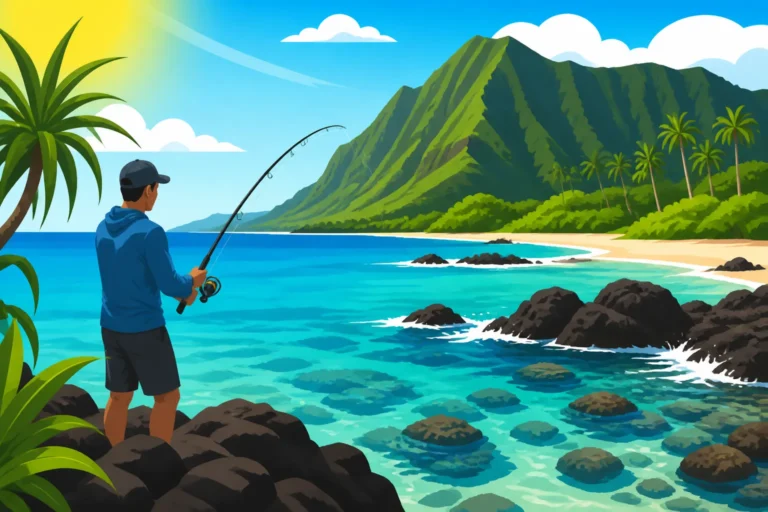
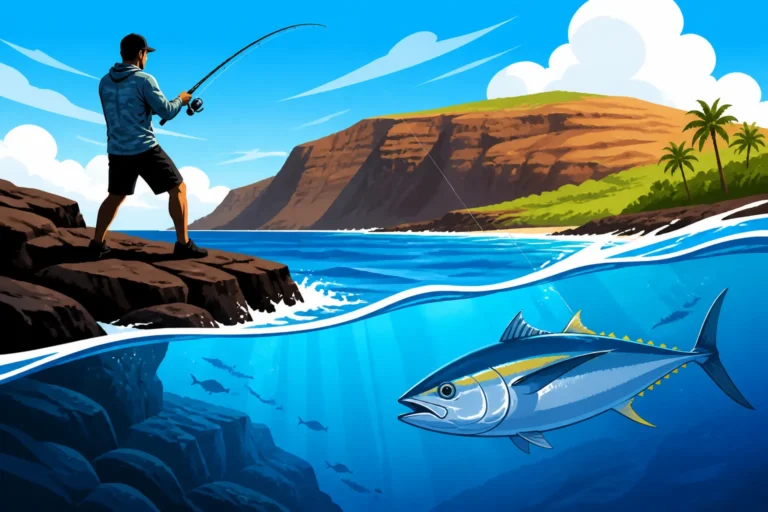
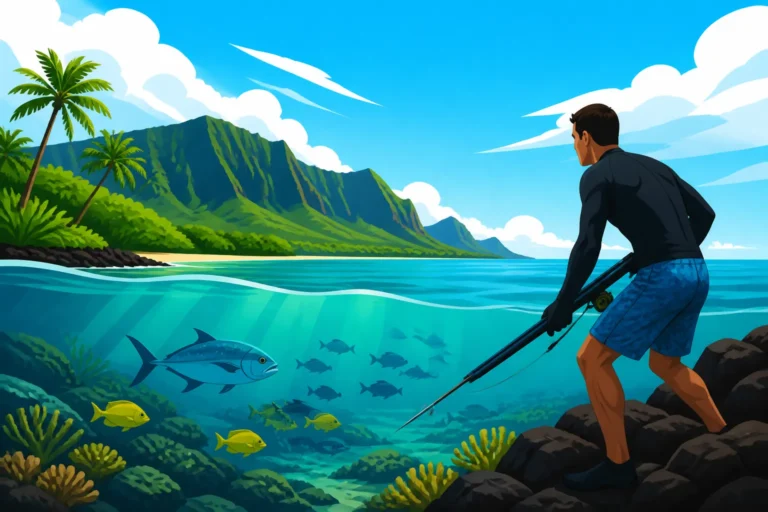
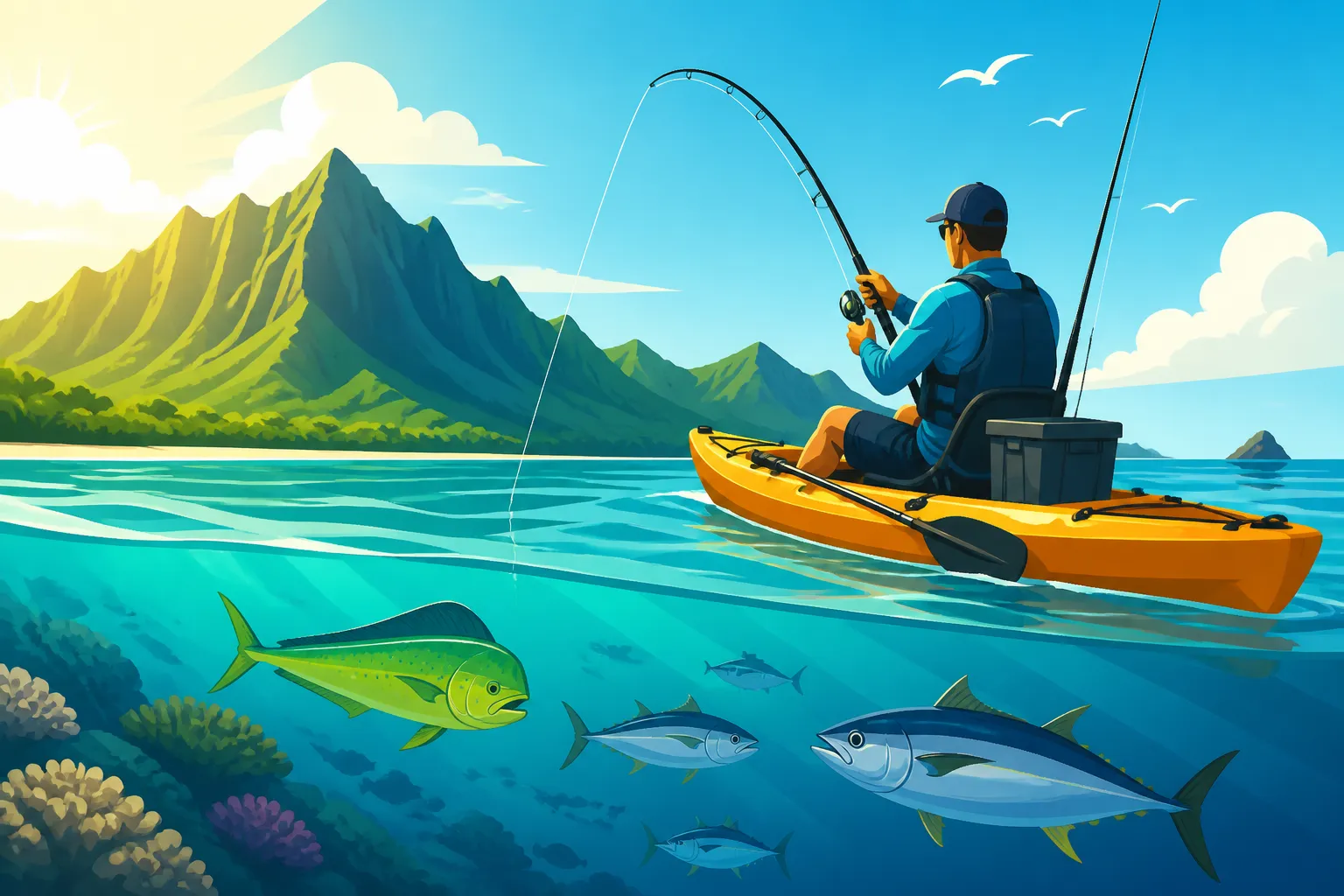
Imagine paddling silently past bustling beaches, the only sounds being the gentle dip of your paddle and the distant cry of seabirds. This serene connection to nature is one of the biggest draws of kayak fishing. Unlike large charter boats or even small powerboats, a kayak allows you to access incredibly shallow, intricate reef systems, and quiet coves that are inaccessible to larger vessels. You can hug the coastline, explore hidden lava tubes, or venture a mile or two offshore to target pelagics, all while getting a fantastic workout.
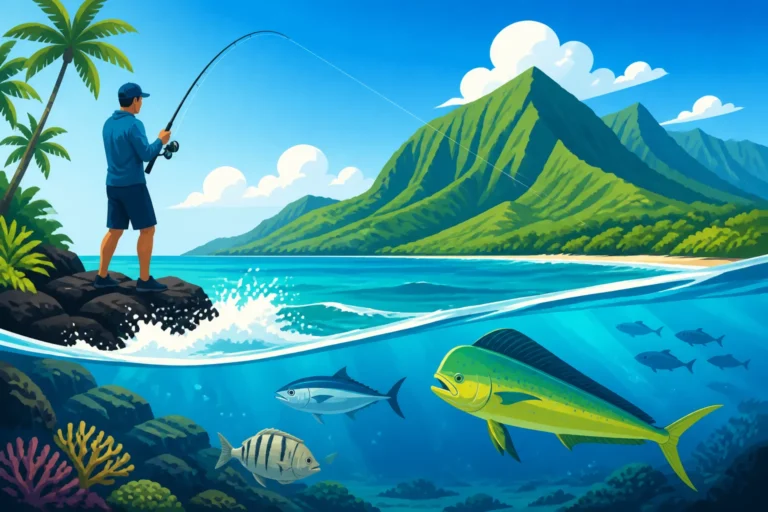
For many, the appeal lies in the self-sufficiency and raw challenge. You're the engine, the navigator, and the angler, all rolled into one. The fish you catch feel earned in a way that's hard to replicate from a dock or a large boat. Oahu's diverse marine life, from vibrant reef fish like papio (juvenile trevally) and various goatfish to hard-fighting ulua (giant trevally), mahi-mahi (dorado), and even smaller tunas further offshore, means there's always something exciting to chase. The accessibility is also a huge plus; with a portable kayak, you can launch from nearly any public beach or boat ramp, bypassing the expenses and logistics associated with larger boats.
Navigating Oahu's Dynamic Ocean Waters Safely
While the allure is undeniable, Oahu's waters demand respect. The ocean here is incredibly dynamic, and conditions can change rapidly. One moment you might be enjoying calm, glassy water, and the next, a strong current or sudden wind gust could make paddling challenging. For instance, the channels between islands can experience powerful currents, and even nearshore areas can have surprising rip tides or strong tidal flows, especially around points and harbors.
Understanding local weather patterns is paramount. The trade winds, while often pleasant, can pick up significantly, making an offshore paddle a grueling return trip. Swells from distant storms can also arrive unexpectedly, turning a peaceful fishing spot into a washing machine. This is why checking marine forecasts is not just a suggestion, but a crucial safety measure before every trip. Beyond the weather, you need to be constantly aware of other ocean users, from surfers and swimmers to larger boats. Navigating through busy channels or near popular surf breaks requires vigilance and clear communication. Proper safety gear, including a Coast Guard-approved Personal Flotation Device (PFD), a whistle, a signaling device like a mirror or brightly colored flag, and a means of communication (waterproof cell phone or VHF radio) are non-negotiable for every single outing. Remember, even experienced anglers can be caught off guard, so planning for the unexpected is always the smartest approach.
Top Kayak Fishing Hotspots Off Oahu
Oahu offers an incredible variety of kayak fishing opportunities, from protected bays to exposed coastlines. Knowing where to launch and what to expect can make all the difference.
Leeward Coast Gems Waianae, Nanakuli, and Beyond
The Leeward Coast, extending from Kaena Point down to Ewa Beach, is often overlooked by tourists but cherished by local anglers for its calm waters on trade wind days and productive fishing grounds. This side of the island is drier, with beautiful, often less-crowded beaches and rocky points that hold a variety of species.
Areas like the coastline near Waianae and Nanakuli are fantastic starting points. Here, the reef system extends fairly close to shore, offering excellent opportunities for targeting papio, smaller ulua, and various reef fish. Launching from beaches like Pokai Bay in Waianae offers some protection from swells and allows you to explore the adjacent rocky points and reef edges. These areas are particularly good for casting plastics, small plugs, or live bait near structure. You might find yourself hooking into kumu (goatfish), weke (another type of goatfish), or even a lurking barracuda. For those seeking a bit more adventure, paddling further offshore, perhaps a mile or two, can put you over deeper structure where you might encounter an occasional mahi-mahi or ono (wahoo), especially if you're trolling lures. The key here is to go early in the morning before the afternoon winds tend to pick up, and always be mindful of the currents that can run parallel to the shore. For more detailed insights into these specific areas, you might want to check out guides on Best fishing spots in Waianae and Best fishing spots in Nanakuli.
Windward Side Wonders Kaneohe Bay and Waimanalo
The Windward Coast, especially Kaneohe Bay, offers a completely different kayak fishing experience. Kaneohe Bay is the largest sheltered bay in Hawaii, protected by a barrier reef, making it an ideal location for those seeking calmer waters. The bay is a mosaic of sand flats, patch reefs, and deeper channels, teeming with life.
Within Kaneohe Bay, you can spend days exploring different zones. The shallow sand flats are prime hunting grounds for bonefish (oio), which can provide an exhilarating fight on light tackle. Paddling along the edges of the patch reefs allows you to target a variety of reef fish like uhu (parrotfish), various snappers, and papio. Fly fishing for bonefish is also very popular here. For those interested in deeper water, the main channels and areas closer to the barrier reef can hold larger papio, ulua, and even occasional schools of predatory fish like akule (bigeye scad) that attract larger game. Kayak access is available from several public ramps and parks within the bay. Just be aware of the numerous small boat channels and the no-wake zones. Further south, the stretch of coastline near Waimanalo offers stunning scenery and productive nearshore reef fishing, although it's more exposed to trade wind swells. Here, you might target papio, triggerfish, and various other reef species by casting spoons or small jigs. For a deeper dive into the bay's fishing potential, read our article on Best Fishing Spots in Kaneohe Bay.
South Shore Accessible Bites Kewalo Basin, Diamond Head, and Beyond
The South Shore of Oahu, particularly around Honolulu, offers the convenience of urban access points, though it often comes with more boat traffic and crowds. Despite this, there are still excellent kayak fishing opportunities to be found.
Launching from areas near Kewalo Basin, for example, gives you immediate access to deeper waters just offshore. While you won't be casting into a serene wilderness, you can quickly paddle out to the nearshore FADs (Fish Aggregating Devices) or troll along current lines where mahi-mahi, ono, and various tuna species might be holding. The deeper drop-offs and ledges offer opportunities for bottom fishing with jigs or bait for menpachi (squirrelfish) and small snappers. Similarly, the waters off Diamond Head offer a mix of rocky coastline and deeper reefs. Here, shore-based anglers target ulua and papio, and kayak anglers can extend their reach to adjacent submerged structures. Keep an eye out for schooling baitfish, which are often a magnet for predators. For those looking for quick access to deeper water without a long paddle, these urban launch points can be very appealing. However, be extra vigilant about boat traffic, especially during peak hours. You can find more information about shore access in this area by looking at Best pier fishing spots at Kewalo Basin and Best shore fishing near Diamond Head.
Essential Gear and Safety Tips for Oahu Kayak Anglers
Being prepared with the right equipment and understanding crucial safety protocols are non-negotiable for any kayak fishing trip on Oahu. The ocean here is powerful and unpredictable, and your safety hinges on your preparedness.
Kayak and PFD Essentials for Stability and Survival
When it comes to the kayak itself, stability is paramount. Sit-on-top kayaks are generally preferred for fishing due to their open deck, ease of re-entry from the water, and often greater stability compared to sit-inside models. Pedal-drive kayaks, like those from Hobie or Old Town, are incredibly popular on Oahu as they free up your hands for fishing, allow for precise boat positioning, and make battling strong winds or currents much less exhausting. They can, however, be heavier to transport. Regardless of the type, ensure your kayak is well-maintained, with all scupper plugs in place and ample storage for your gear.
Your Personal Flotation Device (PFD) is not just a suggestion; it's a lifeline. Even if you're a strong swimmer, a PFD is crucial for conserving energy if you capsize or get separated from your kayak. Choose one that fits snugly and comfortably, allowing for full range of motion while paddling and fishing. Modern fishing PFDs often come with pockets and attachment points for essential tools. Beyond the PFD, a whistle or air horn is vital for signaling, especially to larger vessels that might not see you. A bright flag on a tall pole (often called a "safety flag" or "kayak flag") significantly increases your visibility to other boaters, which is especially important in high-traffic areas or when venturing offshore. For more general guidelines on what safety equipment is required for any vessel, you might want to review the Hawaii required boat safety equipment checklist and Life Jacket Requirements for Hawaii Boaters.
Rods, Reels, and Rigging for Oahu's Diverse Catch
Oahu's diverse fish species mean you'll need a versatile setup. For light tackle shore fishing targeting papio or smaller reef fish, a 7-foot medium-light to medium action spinning rod paired with a 2500-4000 series reel spooled with 10-20 lb braided line is a great all-around choice. This setup allows for long casts with light lures and has enough backbone to handle a spirited fight. For larger species like ulua, larger mahi-mahi, or smaller tunas that you might encounter a few miles offshore, you'll want to step up to a medium-heavy spinning or conventional setup, perhaps an 8-foot rod paired with a 5000-8000 series reel spooled with 30-50 lb braid.
Leaders are crucial here. Fluorocarbon leaders ranging from 20 lb for smaller reef fish up to 60-100 lb for ulua or toothy pelagics are essential to prevent cut-offs on sharp teeth or reef structure. For lures, spoons (like the ever-popular "Kona Killer"), jigs (both metal and soft plastics), and small casting plugs are productive for various species. Live bait, if you can catch it (like opelu or akule), is often unbeatable for larger predators. Remember to have a gaff or a large net suitable for the size of fish you're targeting, and don't forget pliers, line cutters, and a stringer or cooler for your catch. Local tackle shops like POP Fishing & Marine or West Side Bait & Tackle can offer invaluable advice on current hot lures and rigging specifics, helping you tailor your setup to the local bite. While exploring spots on your own is part of the adventure, sometimes getting local insights or connecting with a guided trip can fast-track your success. Many seasoned kayak anglers on Oahu also offer guided tours, and platforms like FishingBooker can be a great place to find them, especially if you're looking for specialized knowledge.
Safety First Understanding Oahu's Waters and Marine Life
Beyond your PFD and signal devices, understanding the ocean itself is your ultimate safety tool. Always check the marine weather forecast before you launch, paying close attention to wave height, swell direction, wind speed, and wind direction. Be aware that conditions can vary significantly from one side of Oahu to another. What's calm on the Leeward side might be rough on the Windward side, and vice-versa.
Always file a "float plan" with a trusted person on shore. This simply means letting someone know where you're going, when you expect to return, and what to do if you don't check in. A waterproof phone in a dry bag is good for emergencies, but a VHF marine radio is superior for communicating with boats and the Coast Guard. Be mindful of marine life. While shark attacks are rare, they do occur, and it's always wise to avoid fishing near large schools of baitfish that might attract predators, or bleeding fish in the water. Respect Hawaii's protected marine life, such as Hawaiian monk seals and green sea turtles; keep a safe distance and never harass them. You can learn more about protecting these creatures in our guide on Hawaii turtle and monk seal proximity rules for anglers. Even if you plan to launch your own kayak, having a chat with local guides found through resources like FishingBooker can offer insights into the current bite, optimal conditions, and areas to avoid.
Navigating Regulations and Respecting Local Practices
Fishing in Hawaii, even from a kayak, comes with rules and responsibilities. Understanding these regulations and embracing the local cultural ethic of "Malama Aina" (care for the land) ensures a sustainable and respectful experience for everyone.
Licensing and Specific Area Rules for Kayak Anglers
One of the most common questions recreational anglers have is about fishing licenses. For recreational marine fishing in Hawaii, residents generally do not need a license. Non-residents, however, have recently become subject to new licensing requirements. It's crucial to verify the most current regulations with the Hawaii Department of Land and Natural Resources (DLNR) or a local tackle shop before you head out. You can find comprehensive information on this topic in articles like Do You Need a Fishing License in Hawaii and Hawaii Fishing License Guide for 2026.
Beyond general licensing, specific areas have their own sets of rules. Hawaii is home to several Marine Life Conservation Districts (MLCDs) and Fish Replenishment Areas (FRAs), where fishing is either highly restricted or completely prohibited. For example, popular snorkeling spots like Hanauma Bay are MLCDs where all fishing and even taking of marine life is forbidden. Other areas may have gear restrictions, species-specific bag and size limits, or seasonal closures. Always consult the Hawaii Division of Aquatic Resources (DAR) regulations for the specific area you plan to fish. Ignoring these rules can lead to hefty fines and damage the fragile marine ecosystem. Our article on Hawaii Marine Life Conservation Districts, Explained offers a good starting point for understanding these important areas. For those looking to combine a kayak trip with a larger fishing adventure, or if you prefer a guided experience, checking out options on FishingBooker for dedicated kayak fishing charters can be a fantastic way to learn the ropes from an expert.
The Ethic of Malama Aina Care for the Land and Ocean
"Malama Aina" is more than just a phrase in Hawaii; it's a way of life. It translates to "care for the land" (and by extension, the ocean) and embodies the principle of responsible stewardship. As a kayak angler, practicing Malama Aina means leaving no trace, respecting the environment, and ensuring the sustainability of Hawaii's resources for future generations.
This involves several key practices:
- Catch and Release: While keeping legal-sized fish for consumption is part of fishing, consider practicing catch and release, especially for species that are vulnerable or not destined for your dinner plate. Handle all fish with care to maximize their survival chances.
- Respect Bag and Size Limits: Always adhere strictly to the established bag and size limits for each species. These limits are in place for a reason – to prevent overfishing and protect fish populations. Our guide on Hawaii Fishing Regulations Explained can provide more details.
- Avoid Damaging Reefs: Kayaks allow access to shallow areas, but be extremely careful not to scrape your kayak or anchor on delicate coral reefs. If you must anchor, use a reef-friendly anchor that won't cause damage, or consider a drift fishing approach.
- Pack It In, Pack It Out: Anything you bring onto the water, take it back with you. This includes all trash, fishing line, and discarded bait. Keep our oceans clean.
- Respect Local Customs: Be mindful of shoreline access points, often used by local families for generations. Show respect to other ocean users, including cultural practitioners. If you're unsure about tackling a new spot alone or want to explore an area with a local, consider checking FishingBooker for kayak fishing guides who can provide invaluable expertise and ensure a safe, productive outing. Beyond just booking charters, websites like FishingBooker often feature reviews and detailed profiles of guides, which can give you a better sense of what to expect from a kayak fishing excursion on Oahu.
By following these guidelines, you not only ensure your own enjoyment but also contribute to the health and preservation of Hawaii's incredible marine environment.
Oahu Kayak Fishing Spot Comparison
To help you decide where to launch your kayak, here's a quick comparison of some popular Oahu kayak fishing areas:
| Spot / Region | Best For | Conditions (Typical) | Target Species (Key) | Access Notes | Challenges |
|---|---|---|---|---|---|
| Kaneohe Bay | Bonefish, Reef Fish, Papio | Calm, protected | Bonefish, Papio, Uhu | Multiple public boat ramps/parks within the bay | Navigating channels, crowded on weekends |
| Waianae Coast | Papio, Ulua, Nearshore Pelagic | Variable, exposed to swells | Papio, Ulua, Kumu, Mahi-mahi | Beaches like Pokai Bay, Maili Beach Park | Afternoon winds, strong currents on some days |
| Nanakuli | Papio, Reef Fish, Entry-Level | Generally calm on tradewinds | Papio, Triggerfish, Weke | Nanakuli Beach Park | Can get crowded, occasional rough shore break |
| Diamond Head/Waikiki | Pelagics (offshore), Papio | Exposed, busy boat traffic | Mahi-mahi, Ono, Papio, Ulua | Ala Wai Harbor, small beach launches | Heavy boat traffic, limited easy parking |
| Waimanalo Coast | Reef Fish, Papio, scenic | Exposed to trade swells | Papio, Kumu, various reef fish | Waimanalo Bay Beach Park, public beach access | Stronger currents, more exposed to swells |
Disclaimer
The information provided in this guide is for general informational purposes only and is not intended as legal, safety, or professional advice. Fishing regulations, conditions, and best practices can change rapidly. Always consult the latest Hawaii Department of Land and Natural Resources (DLNR) Division of Aquatic Resources (DAR) regulations before fishing. Prioritize safety by checking marine weather forecasts, using appropriate safety gear, and informing others of your float plan. Fishing and kayaking inherently carry risks, and you are solely responsible for your own safety and compliance with all applicable laws and regulations.