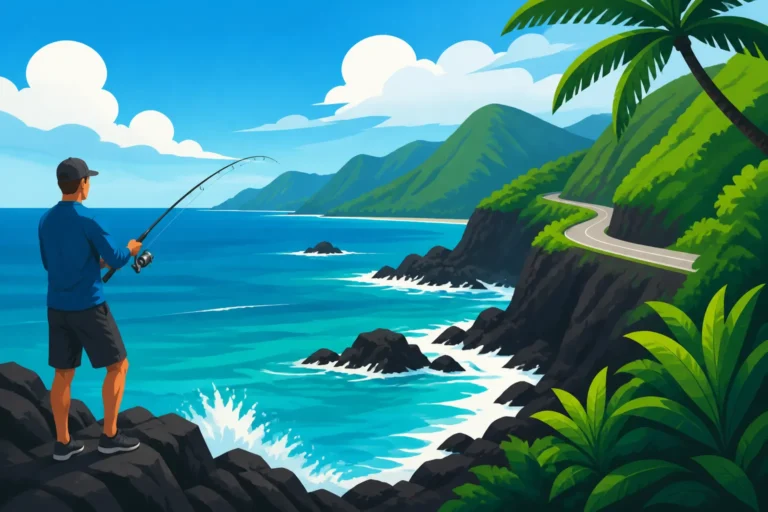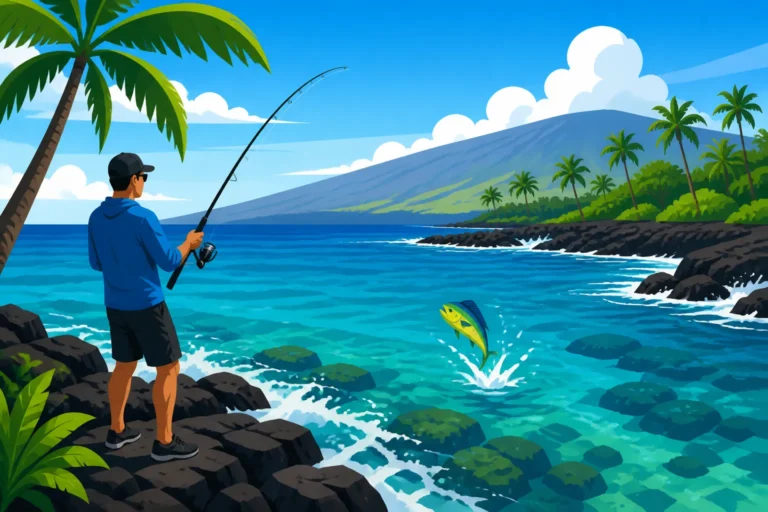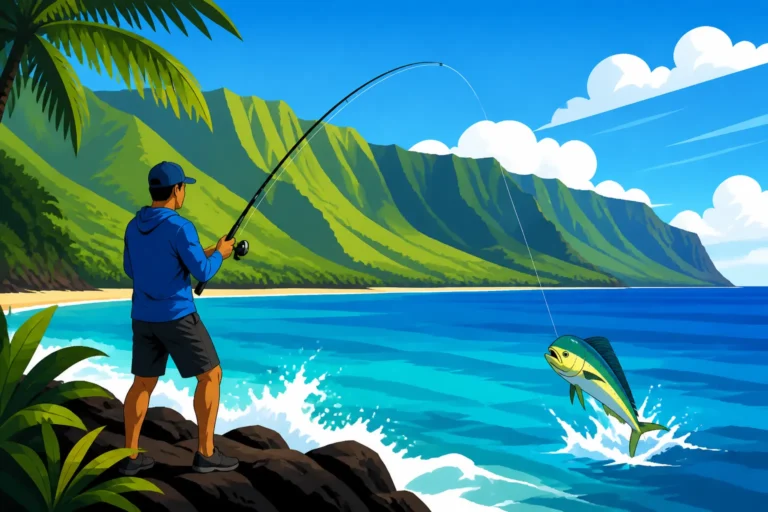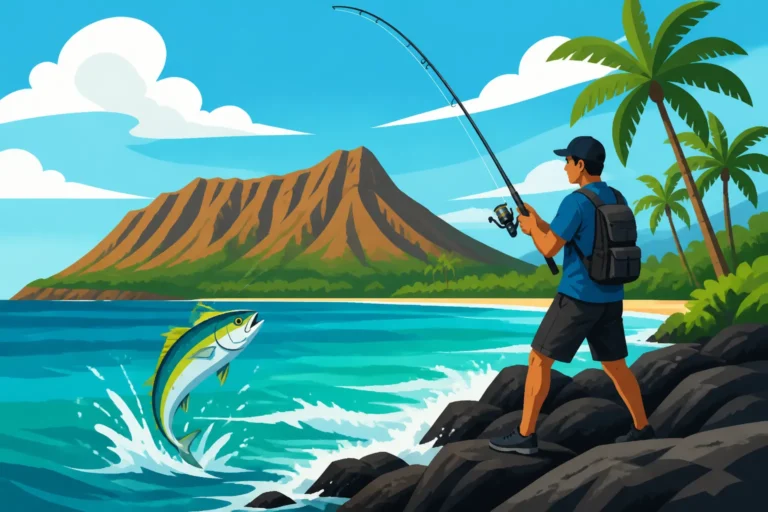
Best fishing spots on the North Shore of Oahu
Trying to find a great fishing spot on Oahu's North Shore can feel like you're searching for a needle in a haystack, especially with its reputation for monstrous waves and crowds. It’s easy to get intimidated, wondering where the locals go when the surf isn't pumping, or if there's even anything biting when it is. This guide is here to demystify fishing on the North Shore, helping you discover prime locations and the best ways to tackle them, no matter your experience level.
Understanding the North Shore's Unique Fishing Environment
The North Shore of Oahu is world-renowned for its surfing, but beneath those iconic waves lies a vibrant and challenging fishery. It's a place of contrasts, where serene, calm days can give way to massive swells, dramatically altering the fishing landscape. Understanding these dynamics is key to a successful and safe experience.
Seasonal Swells and Their Impact on Fishing
One of the biggest factors influencing fishing on the North Shore is its seasonal swell patterns. From roughly October to April, the North Shore transforms into a mecca for big wave surfers, with powerful northwest swells regularly pounding the coastline. During these times, shore fishing can be incredibly difficult, if not downright dangerous. The massive waves create strong currents, make casting a challenge, and stir up the nearshore waters, reducing visibility for both fish and anglers. You'll often find that many popular shoreline spots become unfishable due to the sheer force of the ocean.
However, this doesn't mean fishing completely shuts down. During these larger swell periods, calmer bays and more protected coves might offer some refuge, or you might need to shift your focus to species that thrive in the turbulent white water, like certain types of ulua (giant trevally). When the swells subside, typically from May through September, the North Shore often experiences much calmer conditions. This is when the reef flats become more accessible, the water clears, and a wider variety of species move closer to shore. Knowing the forecast and the prevailing swell direction is paramount before planning your trip. A quick check of surf reports will often give you a good idea of what to expect, even if you’re not planning to surf.
Diverse Marine Habitats and Target Species
The North Shore boasts a rich tapestry of marine habitats, each attracting different species. You'll find everything from shallow, rocky reef flats teeming with smaller papio (juvenile trevally), uhu (parrotfish), and various wrasse, to deeper ledges and sand channels that hold larger ulua, moi (Pacific threadfin), and sometimes even omilu (bluefin trevally). The volcanic origins of the islands mean there are plenty of lava rock formations, crevices, and ledges that provide shelter and hunting grounds for a wide array of fish.
Further offshore, the drop-offs can be incredibly productive for pelagic species like mahimahi (dolphin fish), ono (wahoo), and various tuna, though these are typically targeted by boat. For shore anglers, understanding these nearshore habitats is crucial. Sandy beaches with adjacent reef structures, for instance, are classic spots for moi, especially during their season. Rocky points and ledges that drop off into deeper water are prime hunting grounds for ulua, particularly during twilight hours or at night. The sheer diversity means you need to be versatile with your gear and techniques, or at least tailor your approach to the specific spot you're targeting. For a deeper dive into the specific rules for different catches, take a look at our Hawaii Bag and Size Limits by Species guide.
Cultural Significance and Public Access
Fishing has always been deeply intertwined with Hawaiian culture, and many spots on the North Shore hold significant historical and cultural value. When you're out there, you're not just casting a line; you're participating in a tradition. This means respecting the land, the ocean, and the local community is absolutely paramount. Always pack out what you pack in, and perhaps even a little more. Be mindful of others using the same areas, whether they are surfers, swimmers, or other fishermen.
Public access to many fantastic fishing spots is generally good, but some areas might require a bit of a hike, while others are easily accessible from main roads. Parking can sometimes be a challenge, especially at popular beaches, so arriving early is often a good strategy. It's also vital to be aware of any Marine Life Conservation Districts (MLCDs) or other protected areas. For instance, Pupukea Beach Park has specific MLCD rules that affect fishing. Always double-check current regulations with the Hawaii Division of Aquatic Resources (DAR) or local signage. Ignoring these rules not only risks fines but also disrespects the ongoing conservation efforts that are so vital to Hawaii's unique marine environment. Understanding the broader Hawaii Fishing Regulations Explained can save you a lot of trouble.
Top Shore Fishing Locations on Oahu's North Shore
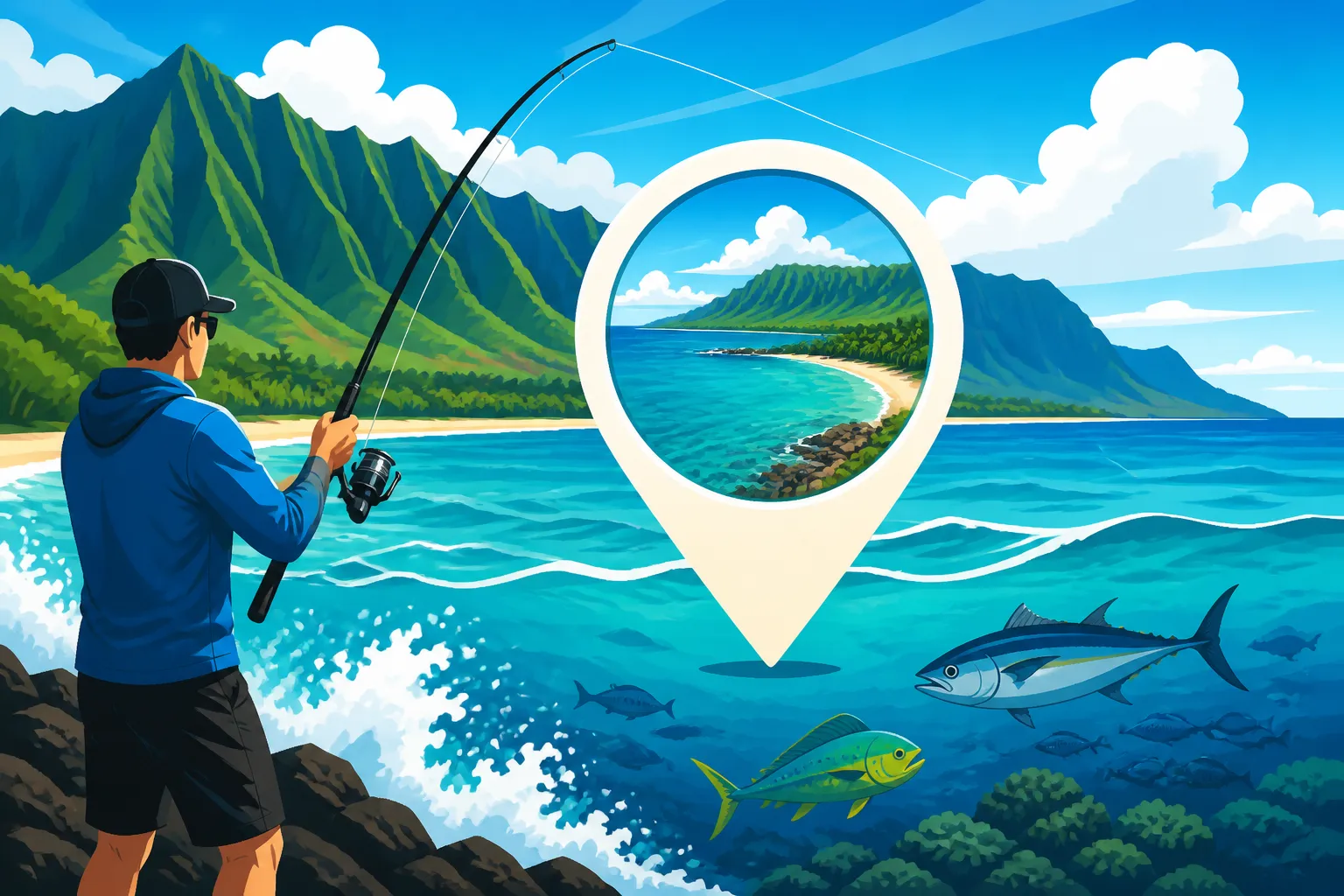
The North Shore offers some truly epic spots for shore fishing, each with its own character and opportunities. From famous surf breaks to quiet coves, there’s a place for almost every type of angler, provided you know where to look and when to go.
Waimea Bay and Surroundings
Waimea Bay is legendary for its massive winter surf, but don't let that deter you from its fishing potential during calmer periods. When the waves are small, the bay’s sandy bottom meets rocky outcrops, creating an ideal habitat for a variety of inshore species. Anglers often target papio and ulua here, especially around the rocky points that flank the bay. You can also find moi along the sandy stretches, particularly in the early morning or late evening when they move into shallower waters to feed. The deep channel that forms during larger swells, when it calms down, can also hold some interesting fish.
The key to fishing Waimea, like many North Shore spots, is timing. During the calm summer months, or on days between winter swells, the water clears, and it becomes much more accessible. Light tackle whipping with small spoons or plastics can be incredibly effective for papio. For those chasing larger ulua, sliding bait rigs with live or fresh dead bait (like opelu or akule) cast into deeper pockets are often the go-to. Just be aware of swimmers and snorkelers, as Waimea is a popular spot for recreation when the surf is down. Access is straightforward with a dedicated parking lot, but it fills up fast. Our guide on Waimea Bay Fishing Access provides even more detailed entry points and tips.
Kahuku Point and Beyond
For a more rugged, adventurous fishing experience, the eastern end of the North Shore, particularly around Kahuku Point, offers some fantastic opportunities. This area is less developed than the central North Shore and features a mix of rocky coastline, small sandy coves, and fringing reefs. It’s a prime location for those targeting larger ulua and oio (bonefish), especially for anglers willing to hike a bit. The powerful currents and exposed nature of Kahuku mean you'll need sturdy gear and a keen eye for safety, but the rewards can be substantial.
Shore casters here often employ heavy spinning gear or conventional setups for sliding bait. The rocky ledges and deeper channels offshore provide excellent ambush points for predatory fish. Patience is a virtue in this remote area; you might not get a bite every cast, but when you do, it could be a fish of a lifetime. Always be aware of rogue waves and slippery rocks. Early mornings or late evenings are often the most productive times. If you're really looking to maximize your chances in this specific area, we have a dedicated guide to Kahuku Beach Shore Fishing that covers tactics and species in more detail.
Pupukea Beach Park and Reefs
Pupukea Beach Park, home to the famous Shark’s Cove, is another unique North Shore fishing destination, but it comes with a significant caveat: it's part of a Marine Life Conservation District (MLCD). This means strict rules apply, and fishing is completely prohibited within certain designated areas to protect the thriving reef ecosystem. However, surrounding areas outside the MLCD boundaries still offer excellent opportunities for shore anglers. It's crucial to understand the exact boundaries before you cast a line here. Checking the Hawaii Marine Life Conservation Districts, Explained guide is highly recommended.
Once you're safely outside the MLCD, the reefs around Pupukea can be very productive. The mix of rocky shorelines, tide pools, and deeper coral heads provides excellent habitat for various reef fish, as well as papio and smaller ulua that cruise the edges. Light tackle fishing with small grubs, plastics, or cut bait can yield good results. Many local anglers also target moi in the sandy channels adjacent to the reefs during their season. When the ocean is calm, the clear water makes for exciting sight-fishing opportunities. Always practice responsible angling and minimize your impact on this beautiful and sensitive environment. For more information on this specific area, check out our Pupukea Beach Park Fishing Spots guide.
Tips for a Successful Fishing Trip on the North Shore
Fishing the North Shore isn't just about finding the right spot; it's about being prepared, understanding the conditions, and respecting the unique environment. A little preparation and local knowledge can go a long way in turning a potentially frustrating outing into a memorable one.
Gearing Up for North Shore Conditions
The rugged nature of the North Shore often demands more robust gear than you might use in calmer, more protected waters. For shore fishing, a sturdy surf rod in the 9-12 foot range, capable of casting heavy weights (2-6 oz) and baits, is often a good starting point, especially if you're targeting ulua or fishing in moderate surf. Pair that with a reliable reel spooled with 20-50 lb braided line, backed with a heavy monofilament or fluorocarbon leader to withstand abrasive rocks and powerful fish. For lighter tackle targeting papio or moi in calmer conditions, a medium-heavy spinning rod (7-9 feet) with 10-20 lb braid will suffice.
Don't forget the terminal tackle! A good selection of circle hooks (sizes 3/0 to 8/0), swivels, and a variety of weights (pyramid sinkers are excellent for holding bottom in current) are essential. When it comes to bait, fresh is always best. Common baits include pieces of opelu, akule, squid, or even shrimp. If you’re looking to try whipping for papio, a variety of small spoons, Kastmasters, and soft plastic grubs in natural colors can be highly effective. Some anglers even prefer throwing poppers and stickbaits, especially at dawn or dusk, to elicit aggressive strikes. For general techniques that apply to many areas, check out our Shore Fishing Techniques for Hawaii article. If you're not sure where to start with gear, checking out what local guides recommend on platforms like FishingBooker can offer great insights into appropriate tackle for specific species and locations.
Respecting the Ocean and Local Customs
This cannot be stressed enough: respect is paramount when fishing anywhere in Hawaii, especially on the North Shore. The ocean is a powerful force, and conditions can change rapidly. Always keep an eye on the waves and currents, never turn your back on the ocean, and understand your limits. If the surf is too high or the currents too strong, it's always better to err on the side of caution and pack it in for the day, or move to a more protected area. For those seeking the thrill of a night bite, remember that Night Fishing for Ulua in Hawaii carries additional safety considerations due to reduced visibility.
Beyond safety, respect for the local community and the land ("aina") is crucial. This means practicing "kapu aloha" – a respectful and responsible approach to fishing. Share spots, offer advice when asked, and always leave no trace behind. Don't crowd other anglers, and be mindful of private property boundaries. Fishing is a privilege, not a right, and maintaining good relationships with the local community ensures continued access for everyone. Remember, you might need a Hawaii Fishing License Guide for 2026 even for casual shore fishing, depending on what you're targeting or how you're classified.
Safety First: Understanding Currents and Waves
The North Shore’s beauty can be deceiving; its powerful waves and currents pose significant risks, even on seemingly calm days. Rip currents are common and can quickly pull an unsuspecting angler offshore. Always know how to identify a rip current and, if caught in one, remember to swim parallel to the shore until you are out of its pull, then swim back to land. Never try to fight directly against a rip current. Wearing reef shoes or sturdy closed-toe shoes with good grip is essential when navigating rocky shorelines, which can be incredibly slippery.
It's also a good idea to bring a fishing buddy, especially when exploring more remote or challenging spots. Inform someone of your plans and estimated return time. A fully charged cell phone, a basic first-aid kit, and plenty of water are also must-haves. Even if you're feeling adventurous, remember that the ocean has the final say. Understanding How to Catch Ulua from Shore requires not just skill with a rod, but also a profound respect for the environment you're fishing in. Sometimes, the best way to ensure safety and success, especially for visitors or beginners, is to hire a local guide, many of whom are easily found on platforms like FishingBooker, offering invaluable local knowledge and ensuring a safe experience.
| Fishing Spot Area | Target Species (Common) | Best Conditions | Key Considerations |
|---|---|---|---|
| Waimea Bay (calm days) | Papio, Moi, smaller Ulua | Calm, low/incoming tide | High recreational use, watch for swimmers |
| Kahuku Point (exposed) | Ulua, Oio (Bonefish), Papio | Moderate swell, high tide | Remote, strong currents, requires heavy gear |
| Pupukea Reefs (outside MLCD) | Papio, Uhu, reef fish, Moi | Calm, clear water, low tide | Strict MLCD rules nearby, very popular for snorkeling |
| Mokuleia Beach Park Area | Papio, Moi, some Ulua | Calm to moderate surf | Mix of sandy and rocky bottom, less crowded |
| Sunset Beach (calmer areas) | Papio, small Ulua | Calm days | Accessible, can be crowded during surf season |
| Rocky shoreline near Haleiwa | Papio, Ulua, Omilu | Moderate conditions | Good structure, can be very slippery |
Final Thoughts on Fishing Oahu's North Shore
Fishing the North Shore of Oahu is an experience unlike any other. It combines the thrill of potentially landing a trophy fish with the breathtaking natural beauty and rich cultural tapestry of Hawaii. While the area is synonymous with world-class surfing, its fishing opportunities are equally impressive, offering diverse habitats and a wide range of species for those willing to learn its nuances. Whether you're casting for papio in calm bays, battling a powerful ulua off a rocky point, or simply enjoying the peaceful solitude of a sunset cast, the North Shore delivers.
Remember, patience and respect are your greatest assets here. The conditions can be challenging, but understanding the seasonal swells, gearing up appropriately, and always prioritizing safety will greatly enhance your chances of success. Embrace the adventure, learn from the locals, and always leave the 'aina better than you found it. After all, fishing in Hawaii isn't just about the catch; it's about connecting with the spirit of the islands. If you're planning a full Hawaiian fishing adventure, consider checking out our guide on the Best Shore Fishing Spots in Hawaii for more inspiration beyond Oahu's North Shore. And don't forget that a legitimate fishing license is often required; you can find details on that in our Do You Need a Fishing License in Hawaii guide.
Disclaimer
Please be aware that fishing regulations in Hawaii are subject to change. Always consult the most current rules and regulations published by the Hawaii Division of Aquatic Resources (DAR) before heading out. This guide is for informational purposes only and does not constitute legal advice. Adhering to all local laws and practicing safe, responsible angling is your responsibility.