Best fishing spots in Kaneohe Bay
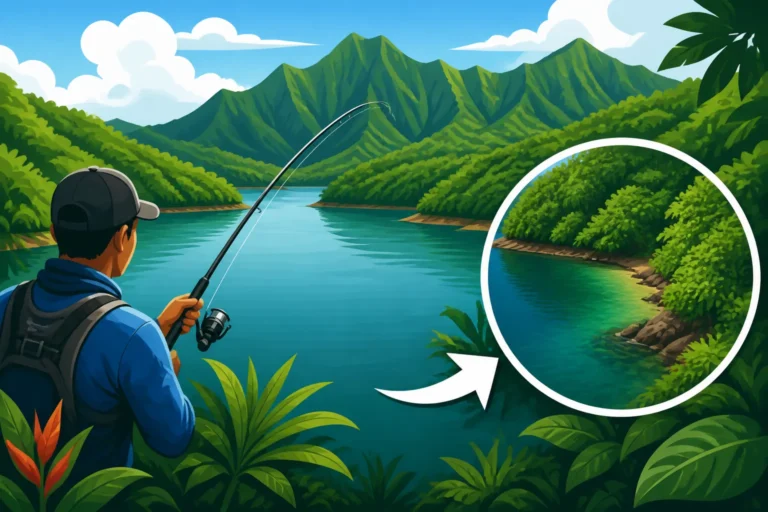
Oh, Kaneohe Bay! If you've ever stood on the windward side of Oahu, gazed out at that vast, sparkling expanse of water dotted with countless patch reefs and the iconic silhouette of Mokoliʻi (Chinaman's Hat), you know it’s a truly special place. But if you’re an angler, that beauty can quickly turn into a frustrating puzzle. Where do you even begin in a bay so massive, so intricate, and so full of regulations? It's not like walking up to a simple pier. Many people feel overwhelmed by the sheer scale and complexity, wondering if they'll ever unlock its fishing secrets. Well, aloha, because this guide is here to break down the best fishing spots in Kaneohe Bay, giving you the local insights and actionable steps you need to turn that frustration into fishing success.
Understanding Kaneohe Bay's Unique Fishing Environment
Kaneohe Bay isn't just a bay; it's an ecosystem, a sprawling marine labyrinth that offers incredibly diverse fishing opportunities. Located on the windward side of Oahu, it's the largest sheltered body of water in the Hawaiian Islands, characterized by its extensive coral reef systems, shallow sand and mud flats, deeper navigation channels, and even some freshwater input from streams. This unique blend creates habitats for a vast array of fish, from the prized bonefish (oio) cruising the flats to the powerful ulua (giant trevally) lurking in the channels.
One of the biggest frustrations for new anglers here is just how much the environment changes within a relatively small area. You can go from knee-deep water over a sandy flat to a sudden drop-off into a coral canyon in just a few paddle strokes. This means understanding the bay's geography is paramount to finding fish. The shallow, clear waters often make fish spooky, requiring stealth and patience, especially if you’re wading or kayaking. The tides also play a huge role here; what might be a productive spot at high tide could be a completely dry, exposed reef at low tide, making access impossible or dangerous. Knowing when and where to go is truly half the battle, and it's a battle many anglers lose if they don't do their homework.
Adding to the complexity are the significant environmental protections in place. Much of the bay is home to delicate coral and marine life, and it's vital to fish responsibly and understand any specific rules for certain areas. For example, areas around Coconut Island (Moku o Loʻe), home to the Hawaii Institute of Marine Biology, are designated as a Marine Life Conservation District (MLCD), meaning strict prohibitions on fishing and harvesting. It’s easy to inadvertently stray into these areas, so knowing their boundaries is crucial. We’ll dive deeper into regulations later, but just remember that Kaneohe Bay demands respect and a little homework for a truly rewarding experience. For a broader understanding of what to expect, you might want to read about Hawaii Fishing Regulations Explained.
Prime Fishing Zones Within Kaneohe Bay
Kaneohe Bay can essentially be broken down into several distinct fishing zones, each with its own characteristics and target species. Knowing these zones will help you strategize your approach, whether you’re on shore, in a kayak, or on a small boat.
The Shallow Flats and Patch Reefs
This is arguably the most famous and productive area for certain species in Kaneohe Bay. The vast expanse of shallow, sandy flats interspersed with countless coral patch reefs provides incredible habitat for bonefish (oio), papio (juvenile trevally), various types of goatfish (kumu and weke), and even some smaller reef species like uhu (parrotfish).
- Target Species: Bonefish (Oio), Papio, Kumu, Weke, small Barracuda.
- Best Techniques:
- Wading/Sight Fishing: This is the bread and butter for bonefish. The clear, shallow water allows you to spot cruising fish, especially during incoming or outgoing tides when they move onto the flats to feed. Long casts with small jigs (like kalua pigs or lead heads dressed with rubber tails) or flies are incredibly effective. Patience and stealth are key; these fish are notoriously skittish.
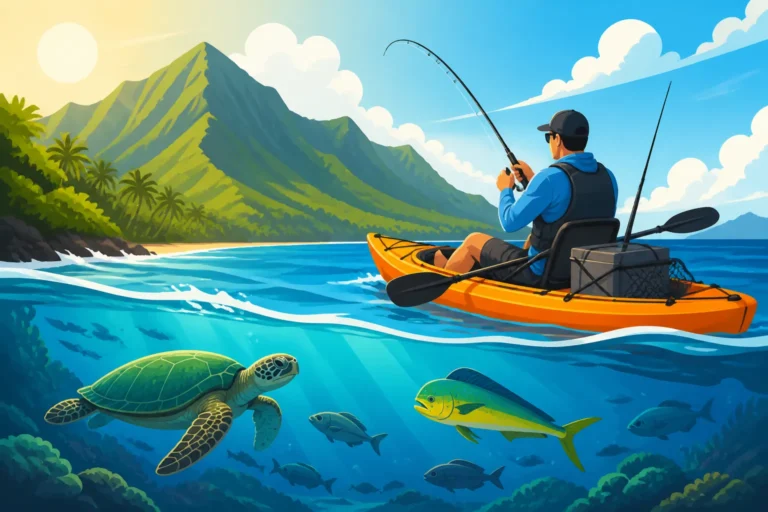
- Kayak/SUP Fishing: A kayak or stand-up paddleboard gives you unparalleled access to these skinny waters without spooking fish as much as a motorized boat. You can quietly paddle into remote areas of the flats, anchor up, and cast, or even drift. This method is fantastic for covering ground and finding schools of papio or actively feeding oio.
- Shore Casting (Limited): While much of the bay’s shoreline is developed or private, there are public access points where you can cast onto the edges of these flats, particularly near residential areas with public easements or parks. Small spoons, poppers, or live bait (like opelu or akule if you can catch them) can entice papio and small ulua.
- Key Considerations:
- Tides: Fishing the flats is highly tide-dependent. An incoming tide often brings fish onto the flats, while an outgoing tide concentrates them in channels. Low tide can expose many reefs and make navigation tricky.
- Coral: Be incredibly careful of the coral. It’s sharp, fragile, and vital for the ecosystem. Avoid stepping on it or dragging your gear over it. If you hook a fish that dives into coral, try to gently guide it out rather than pulling directly.
- Sun Protection: The clear, shallow water means intense sun exposure. Bring hats, polarized sunglasses (essential for sight fishing!), and plenty of sunscreen.
One particularly renowned area for bonefish within Kaneohe Bay is often found near the sandbars and channels connecting the various patch reefs towards the center and southern end of the bay, away from the main boat traffic. It requires a bit of an adventure to reach, but the rewards for a dedicated fly or light tackle angler can be immense. For those focused on a specific species, learning about Bonefish Oio in Hawaii will enhance your chances.
Deeper Channels and Reef Edges
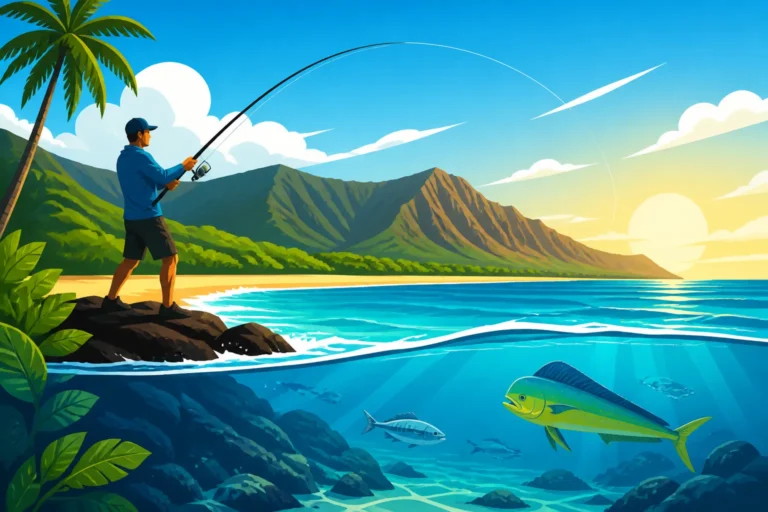
While the flats get a lot of attention, the deeper channels and the edges of the main barrier reef also hold incredible potential, offering a different suite of species and techniques. The main navigation channel that runs through the bay, as well as the numerous deeper cuts between patch reefs, provides avenues for larger predatory fish.
- Target Species: Ulua (Giant Trevally), larger Papio, Barracuda, Moi (Pacific Threadfin), various Snappers, occasional small Pelagics (like Aku or small Ono).
- Best Techniques:
- Drift Fishing with Live Bait: This is a highly effective method in the channels. Using live bait (opelu, akule, or even small halalu) on a sliding sinker rig or under a float allows it to drift naturally with the current, presenting a tempting meal to lurking ulua, moi, or barracuda. Drifting from a small boat or kayak allows you to cover a lot of ground effectively.
- Bottom Fishing: Around the deeper patch reefs and channel edges, bottom fishing with cut bait (squid, dead fish pieces) or small jigs can yield a variety of snappers, goatfish, and sometimes even small grouper. This is often done from an anchored boat.
- Trolling: In the main navigation channels or closer to the bay mouth, light trolling with artificial lures (small diving plugs or soft plastics) can sometimes pick up barracuda or even smaller pelagic visitors like aku (skipjack tuna).
- Spearfishing: For experienced and licensed spearfishers, the deeper reef edges can offer opportunities for various reef fish, though strict regulations apply to certain species and areas. Always be aware of other boaters and swimmers.
- Key Considerations:
- Current: Channels can have strong currents, especially during tide changes. Factor this into your anchoring and drifting strategies.
- Boat Traffic: The main channels can be busy, especially on weekends. Be mindful of other boats, particularly larger vessels.
- Regulations: Moi have a closed season, and other species have specific size and bag limits. Always check the latest Hawaii Moi Closed Season, Explained and Hawaii Papio and Ulua Size Rules to ensure compliance.
Fishing near the mouth of Kaneohe Bay, where it meets the open ocean, can sometimes yield larger pelagic species that venture closer to shore. However, these areas are often exposed to stronger ocean swells and currents, requiring more experience and a more capable boat. If you’re looking to venture further out for species like mahimahi or ono, consider booking a charter. FishingBooker is a great resource to explore options for charters that specialize in Hawaii's diverse fishing conditions, even if you’re looking for a trip just outside the bay.
Shoreline Access Points and Brackish Water Influences
While boat access dominates much of Kaneohe Bay's fishing, there are still valuable shoreline opportunities, particularly where streams feed into the bay, creating brackish water zones. These areas often harbor a unique mix of freshwater and saltwater species.
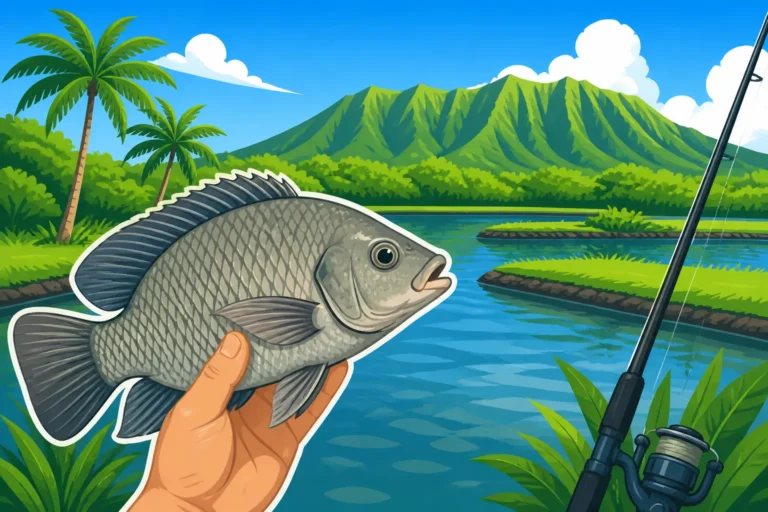
- Target Species: Papio, Tilapia, Peacock Bass (in freshwater sections), Barracuda, small Ulua, Milkfish.
- Best Techniques:
- Whipping/Casting Light Lures: For papio and small barracuda, light tackle with small spoons, grubs, or poppers can be incredibly effective, especially around sunrise and sunset. Cast parallel to the shore or around any structure like fallen trees or rocky outcrops.
- Bait Fishing: Using live or cut bait (squid, shrimp, bread for tilapia) fished on the bottom or under a bobber can yield a variety of species. This is often a great, relaxed way to fish with kids.
- Fly Fishing: Some of the shallower, calmer shoreline areas with good tidal flow can be prime for sight fishing papio or even bonefish with small crab or shrimp patterns.
- Key Considerations:
- Private Property: Much of the shoreline is private. Always respect property boundaries and look for designated public access points, such as parks, road ends with easements, or public boat ramp areas.
- Runoff: After heavy rains, streams can bring a lot of murky freshwater into the bay, which can affect fishing. Sometimes this concentrates fish; other times, it disperses them. Pay attention to water clarity.
- Safety: Be aware of uneven terrain, slick rocks, and potential hazards like discarded trash.
Heeia Kea Small Boat Harbor is a significant public access point on the windward side, offering boat ramps and some limited shoreline fishing opportunities. It's a great place to launch a kayak or small boat to explore the interior of the bay. Always be mindful of boat traffic around ramps and docks. For more tips on shore-based angling, check out Shore Fishing Techniques for Hawaii.
Top Species to Target and How to Find Them
Kaneohe Bay is a treasure trove of fish, and understanding the habits of the most commonly sought-after species will significantly boost your chances of success.
Papio (Juvenile Trevally) and Ulua (Giant Trevally)
These are arguably the most popular targets in the bay. Papio are the juvenile stage of ulua, and they are abundant throughout the bay's shallow flats, reef edges, and even nearshore areas. Ulua, the larger, more powerful adults, typically prefer deeper channels and the outer edges of the bay, though they will venture into shallower areas to feed.
- Habitat: Papio are everywhere – sand flats, patch reefs, shorelines, drop-offs. Ulua prefer deeper channels, reef edges, and areas with strong currents and structure.
- Techniques:
- Papio: Light tackle whipping (casting small spoons, Kastmasters, small poppers like the Rebel Pop-R, or soft plastic grubs) is incredibly effective. They hit aggressively, especially at dawn and dusk. Live bait (opelu, shrimp) also works wonders.
- Ulua: For the big ones, sliding live bait (opelu, akule, or even small dabs) into deeper channels or along reef edges is the prime method. Heavy tackle is a must! Night fishing can also be very productive for larger ulua.
- Tips: Look for birds diving, which can indicate baitfish schools, and where there's bait, there are often papio and ulua. For more specialized techniques, consider reading How to Catch Ulua from Shore.
Oio (Bonefish)
Kaneohe Bay is one of Hawaii's premier destinations for bonefish, known locally as oio. These powerful, silver rockets are highly prized by light tackle and fly anglers for their incredible fighting ability in shallow water.
- Habitat: Primarily found cruising the shallow sand and mud flats, often near patch reefs or channels, especially during incoming tides.
- Techniques:
- Fly Fishing: Small, weighted crab or shrimp patterns (e.g., bonefish jigs, Clouser Minnows) presented quietly ahead of a cruising fish. Long, accurate casts are essential.
- Spin Fishing: Small leadhead jigs dressed with rubber tails (like a grub or "kalua pig" jig) fished slowly along the bottom.
- Tips: Polarized sunglasses are non-negotiable for sight fishing. Be incredibly stealthy; oio have excellent eyesight and will spook easily. Wade slowly or use a quiet kayak.
Moi (Pacific Threadfin)
Moi are a revered food fish in Hawaii, known for their delicate flavor. They are often found in the surf zone along sandy beaches but also inhabit the calmer, sandier areas within Kaneohe Bay.
- Habitat: Sandy bottoms, typically in shallower water, often near areas of light current.
- Techniques:
- Float Fishing: A small piece of limu (seaweed), shrimp, or bread fished under a bobber can be very effective.
- Bottom Fishing: Small hooks with pieces of shrimp or limu on a light lead.
- Tips: Moi are subtle biters. Watch your line closely for any unusual movement. Remember, moi have a strict closed season and minimum size limits. Always verify current regulations before targeting them.
Uhu (Parrotfish) and Kumu/Weke (Goatfish)
These reef fish are abundant throughout the coral areas of Kaneohe Bay. While not always targeted by sport anglers, they make for excellent table fare and can be fun to catch on light tackle.
- Habitat: Uhu are found directly on coral reefs, grazing on algae. Kumu and weke are typically found over sandy bottoms adjacent to reefs, using their barbels to sift for food.
- Techniques:
- Uhu: Small pieces of limu or bread on tiny hooks, fished directly into reef pockets. Spearfishing is also common for uhu, but ensure you know the Hawaii Uhu Parrotfish Size and Bag Limits.
- Kumu/Weke: Small pieces of shrimp, squid, or cut bait fished on the bottom.
- Tips: These fish are often found in groups. Once you find one, there are likely more. Be mindful of reef structure to avoid snags.
Navigating Regulations and Best Practices in Kaneohe Bay
Fishing in Kaneohe Bay requires a keen awareness of local regulations and a strong commitment to responsible angling. Hawaii has specific rules designed to protect its unique marine environment, and these rules are enforced by the Division of Aquatic Resources (DAR).
General Hawaii Fishing License and Bay-Specific Rules
First things first: do you need a fishing license? The answer for marine (ocean) fishing in Hawaii has traditionally been "no" for residents, but "yes" for non-residents wanting to spearfish or catch bottomfish. However, regulations evolve, and it's always best to consult the latest guidance. For clarity on general requirements, refer to the Do You Need a Fishing License in Hawaii guide. For those considering spearfishing in the bay, always remember to verify current Hawaii Spearfishing Regulations as they can be quite detailed and restrictive.
Beyond general state regulations, Kaneohe Bay has specific areas that are either restricted or completely off-limits to fishing.
- Marine Life Conservation Districts (MLCDs): The most prominent example within Kaneohe Bay is the area around Coconut Island (Moku o Loʻe), which is part of an MLCD. In MLCDs, fishing, spearfishing, and even collecting marine life are strictly prohibited or heavily restricted. These zones are clearly marked on official maps and often with buoys or signs. Violating MLCD rules can result in significant fines and penalties. Understanding Hawaii Marine Life Conservation Districts, Explained is crucial before heading out.
- Minimum Size and Bag Limits: As mentioned with species like moi, uhu, papio, and ulua, there are specific size and daily bag limits for many species. These are in place to ensure sustainable populations. Always measure your catch and release undersized fish promptly and safely.
- Protected Species: Be aware of protected species like sea turtles (honu) and Hawaiian monk seals. If you accidentally hook one, know how to safely release it without causing harm. It is illegal to harass or disturb them.
Responsible Angling Practices
Beyond legal requirements, practicing kuleana (responsibility) is vital when fishing in Kaneohe Bay.
- Catch and Release: For many sportfish, especially large ulua or bonefish, practicing catch and release helps sustain populations. If you do release a fish, ensure it's handled gently, revived properly, and released quickly.
- Trash No More: Pack out everything you pack in. Fishing line, hooks, and plastic waste are deadly to marine life. Kaneohe Bay is beautiful; let's keep it that way.
- Coral Conservation: Kaneohe Bay's coral reefs are its living heart. Avoid anchoring on coral, standing on it, or dragging gear over it. If you’re wading, shuffle your feet to avoid stepping on hidden coral fragments or disturbing stingrays.
- Bait Use: Be mindful of what bait you're using. Avoid introducing non-native species, and dispose of unused bait properly, not by dumping it into the bay.
- Share the Water: Kaneohe Bay is used by boaters, kayakers, stand-up paddleboarders, swimmers, and even researchers. Be courteous and aware of others around you. Give plenty of space to other anglers and water users.
Planning Your Kaneohe Bay Fishing Adventure
Embarking on a fishing trip in Kaneohe Bay is an experience unlike any other. Whether you're a seasoned local or a visitor eager to cast a line, a little preparation goes a long way.
Gear Essentials
The gear you bring will depend heavily on your target species and fishing method, but some universal items are critical for Kaneohe Bay.
- Rods and Reels:
- Light Spinning Rod (6-7 ft): Perfect for whipping papio with small lures, float fishing moi, or casting bait. Pair with a 2000-3000 series reel spooled with 10-15 lb braid and a fluorocarbon leader.
- Medium Spinning/Baitcasting Rod (7-9 ft): For larger papio, small ulua, or bottom fishing in deeper areas. A 4000-6000 series reel with 20-30 lb braid is suitable.
- Heavy Ulua Rod (10-13 ft): If you're serious about targeting trophy ulua from shore or a boat, a heavy surf rod with a large spinning or conventional reel (8000-14000 series) spooled with 50-80 lb braid is necessary for sliding bait.
- Fly Rod (8-10 wt): Essential for bonefishing on the flats.
- Terminal Tackle: Assortment of hooks (sizes 1/0 to 8/0), swivels, lead weights (from 1/4 oz for light tackle to several ounces for ulua rigs), fluorocarbon leader material (15-80 lb test), and appropriate lures (spoons, grubs, poppers).
- Safety Gear:
- Personal Flotation Device (PFD): Absolutely essential if you’re kayaking, paddleboarding, or boating, even in calm bay waters.
- Sun Protection: Wide-brimmed hat, polarized sunglasses, long-sleeved UPF clothing, and plenty of reef-safe sunscreen. The sun reflects off the water intensely.
- First-Aid Kit: Small cuts from coral or hooks are common.
- Water/Snacks: Stay hydrated, especially on the flats.
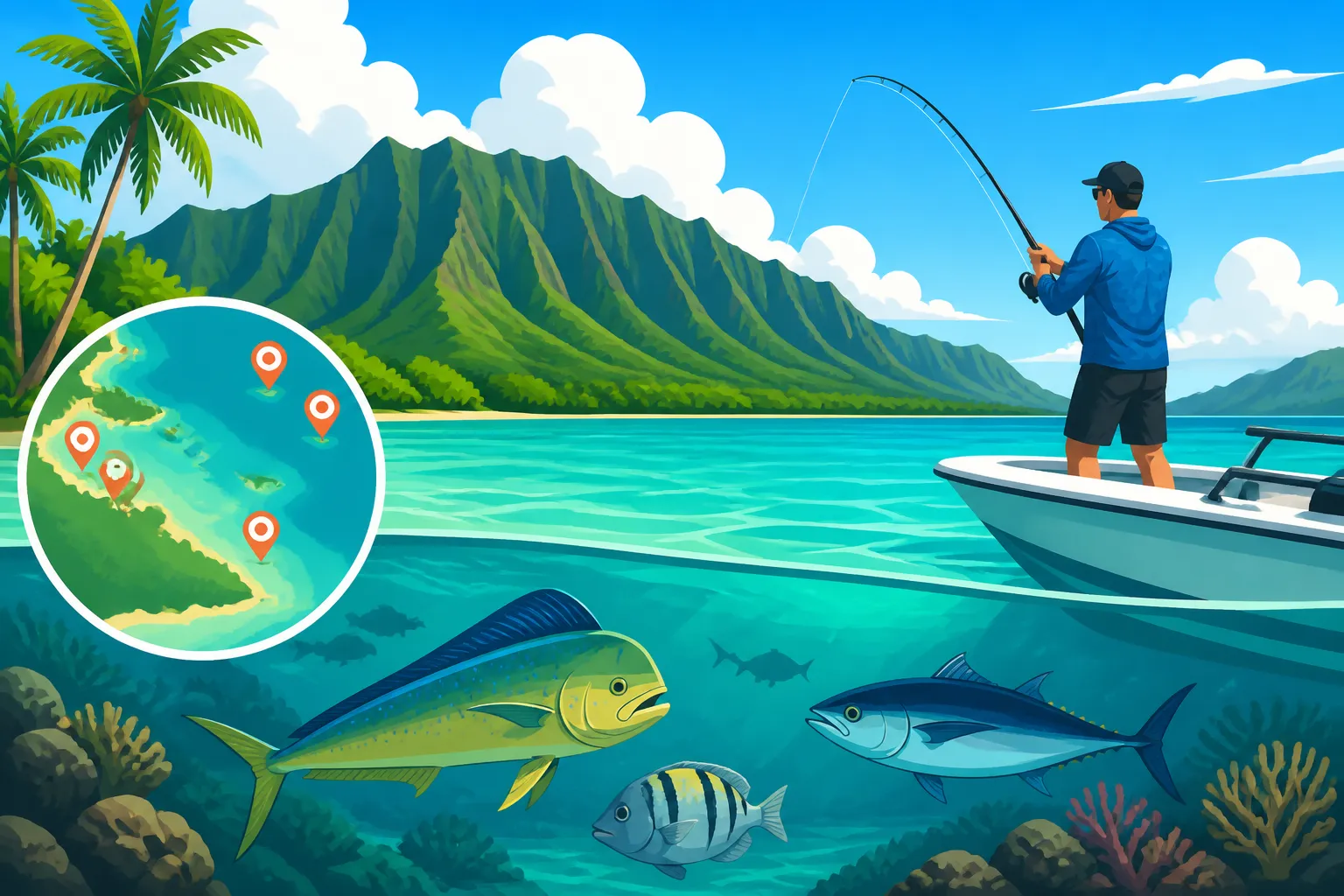
- Navigation: A reliable GPS device or a mapping app on your phone (with downloaded offline maps) is highly recommended, especially if you're exploring the patch reefs. It's easy to get disoriented among the countless reefs, and low tide can leave you stranded.
- Tools: Pliers for hook removal, a knife, and a measuring tape or ruler.
- Cooler: For keeping your catch fresh, if you plan to keep any.
Choosing Your Mode of Transport
- Shore Fishing: Limited but accessible in certain parks or public easements. Best for light tackle or bait fishing near stream mouths.
- Kayak/SUP: Offers incredible stealth and access to shallow flats and patch reefs. Ideal for bonefishing, light tackle papio, and exploring remote areas. Ensure you have proper safety gear and know your limits, especially with currents and potential wind. If you're looking for guidance, remember that FishingBooker lists many local guides who specialize in kayak fishing trips within the bay.
- Small Boat (Private): If you have your own small boat, launching from Heeia Kea Small Boat Harbor gives you the most flexibility to explore the entire bay, including deeper channels and distant reef edges. Always check weather forecasts, especially for strong wind warnings, which can make the bay choppy.
- Fishing Charters: For visitors or those without their own vessel, booking a local fishing charter is an excellent option. Experienced captains know the bay inside and out, understand the local conditions, and can put you on fish safely and efficiently. Charters can specialize in bottom fishing, light tackle for papio and bonefish, or even targeting larger ulua. Using platforms like FishingBooker can help you find reputable charters operating specifically within Kaneohe Bay or just outside its mouth, offering various trip durations and target species. They provide a safe and effective way to experience the bay's best fishing spots without needing all your own gear or local knowledge.
Kaneohe Bay is a dynamic and rewarding fishing destination. With proper planning, respect for the environment, and a little aloha spirit, you're sure to create unforgettable memories and maybe even land that fish of a lifetime.
Disclaimer
The information provided in this guide is for general informational purposes only and is subject to change. Fishing regulations in Hawaii, including those specific to Kaneohe Bay, are frequently updated by the Department of Land and Natural Resources (DLNR). It is always the angler's responsibility to consult the most current official regulations from the Hawaii Division of Aquatic Resources (DAR) before fishing to ensure compliance with all laws, including licensing requirements, size limits, bag limits, and protected areas like Marine Life Conservation Districts. Neither the author nor the publisher assumes any responsibility for actions taken based on the information contained herein. Please fish responsibly and safely.