Best sliding bait rig for giant trevally
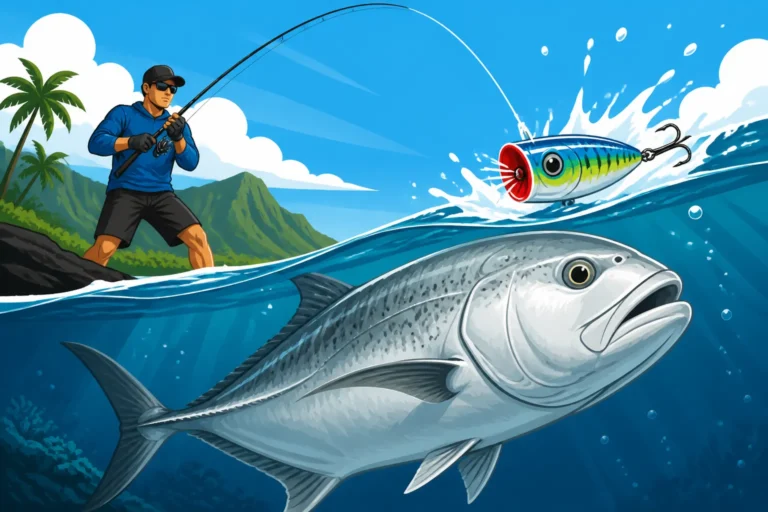
For anyone who's ever spent hours on a Hawaii shoreline, patiently casting, only to come up empty-handed when targeting the elusive giant trevally, or ulua as we call them, you know the frustration. These powerful fish are notoriously cunning, and presenting your bait naturally and effectively can feel like a constant battle. This guide will walk you through the ins and outs of the best sliding bait rig, a technique proven to give you a significant edge in hooking into these magnificent, hard-fighting fish.
Understanding the Challenge of Ulua Fishing
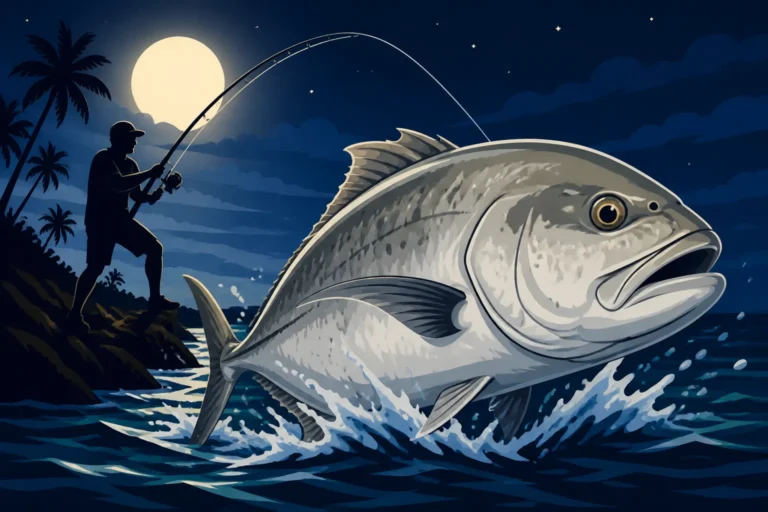
Ulua fishing from shore isn't for the faint of heart. These apex predators patrol Hawaii's reefs and coastlines, often in areas with strong currents, abrasive lava rock, and complex underwater structures. They're intelligent, wary, and demand a near-perfect presentation to even consider striking. Many anglers, especially those new to the game, struggle with rigs that don't allow for the natural movement of bait, or worse, get snagged repeatedly on the unforgiving Hawaiian bottom.
Why Traditional Rigs Fall Short for Giant Trevally
Think about your typical bottom fishing rig: a heavy sinker fixed at the end, a leader, and a hook. While effective for some species in calmer waters, this setup often fails with ulua. First, a fixed sinker limits the bait's movement, making it look unnatural and suspicious to a cautious ulua. The bait sits in one place, or worse, rolls unnaturally in the current, signaling danger rather than an easy meal. Second, in Hawaii's rugged environments, a fixed sinker is a magnet for snags. Imagine casting out into a reef channel, only for your lead to wedge itself between two lava boulders, leaving you heartbroken and re-rigging while the fish are biting. This constant snagging isn't just frustrating; it's a huge time-waster and can quickly deplete your tackle box.
Traditional rigs also struggle with line visibility. Ulua have excellent eyesight, and a thick, visible main line running directly to your bait can be a major turn-off. The goal is stealth, and many standard setups simply don't offer that necessary element of disguise against the clear Hawaiian waters. It's easy to see why anglers often leave the shore feeling defeated after battling snags and spooked fish.
The Importance of Natural Bait Presentation
Ulua are opportunistic hunters, but they are also incredibly selective. They've survived by being smart. A bait that tumbles awkwardly, resists the current, or appears tethered and static raises immediate red flags. What you want is a presentation that mimics an injured or unsuspecting fish or cephalopod drifting naturally with the currents, looking like an easy meal. This is where the magic of a sliding bait rig comes into play.
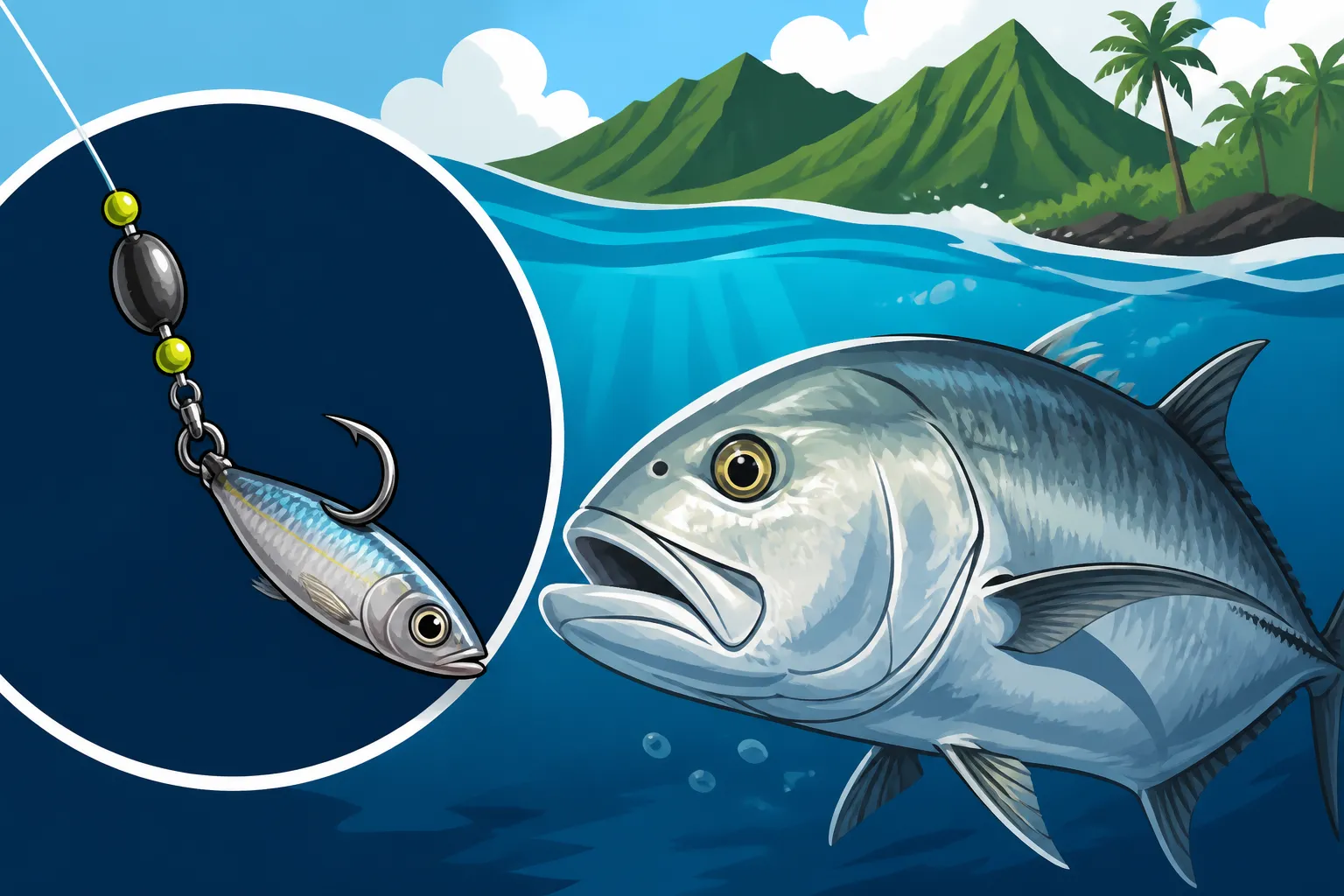
The sliding bait rig allows your bait to move freely and independently of the sinker. Imagine a live opelu or a fresh chunk of mackerel, slowly drifting down a current seam, its movements unhindered by a heavy lead. This natural drift is irresistible to a cruising ulua, triggering its predatory instincts. It’s about making your offering look alive, vulnerable, and exactly what an ulua would be hunting in its natural environment. Achieving this natural presentation means more bites, and ultimately, more chances to battle one of these incredible fish. It's the difference between merely getting your bait in the water and truly fishing effectively for a trophy catch.
Deconstructing the Sliding Bait Rig
The sliding bait rig, often affectionately called a "slide bait" by local anglers, is a masterpiece of simplicity and effectiveness. It's designed to overcome the limitations of traditional setups by allowing your bait to be presented in the most natural way possible, often suspended in the water column or slowly drifting just above the bottom. This rig is absolutely crucial for targeting large, wary fish like ulua from shore, especially in challenging conditions.
Essential Components of the Rig
Understanding each part of the sliding bait rig is key to proper assembly and deployment. While there are variations, the core components remain consistent:
- Heavy Main Line: You'll need a stout main line on your reel, typically 80 to 100 lb braided line. This isn't just for fighting the fish; it's also crucial for casting heavy weights and resisting abrasion against rocks.
- Shock Leader: Directly tied to your main line, a shock leader (often 100-200 lb monofilament or fluorocarbon) absorbs the immense force of casting heavy sinkers and provides additional abrasion resistance. It needs to be significantly longer than your rod length.
- Large Sinker: This is the anchor. You'll use substantial pyramid or Sputnik sinkers, often ranging from 8 to 16 ounces, sometimes even more depending on current and casting distance. The sinker needs to hold the bottom firmly.
- Sinker Slide: This is the heart of the "sliding" mechanism. A specialized clip or ring, often made of stainless steel or heavy-duty plastic, attaches to your main line above the sinker. This is where your bait leader will eventually attach. Many anglers find reliable options for these components on sites like Amazon.
- Bait Leader (Trace): This is a separate, shorter length of heavy monofilament or fluorocarbon, typically 150-300 lb test, depending on the target size and potential toothy bycatch. Its length can vary from 3 to 10 feet.
- Hooks: Often a single, very strong 8/0 to 16/0 circle hook is used, sometimes two in a snelled setup. Circle hooks are preferred for their effectiveness in hooking fish in the corner of the mouth, reducing gut hooks and improving catch-and-release survival rates for any non-target species.
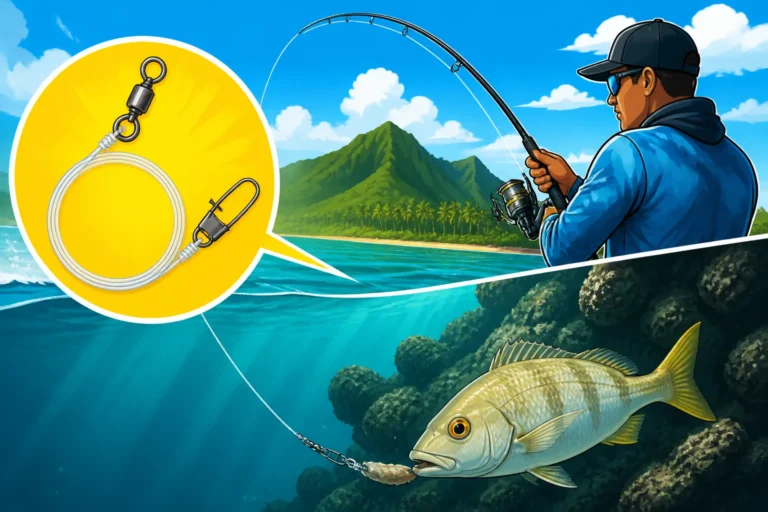
- Swivels and Crimps: High-quality barrel swivels (rated for hundreds of pounds) are essential to prevent line twist. Heavy-duty crimps are used to secure connections on the thick leaders, offering a stronger, cleaner connection than knots for these heavier lines.
Here's a breakdown in a table format to help visualize the components:
| Component | Purpose | Typical Specifications |
|---|---|---|
| Main Line | Reel line, strength for casting and fighting fish | 80-100 lb Braided |
| Shock Leader | Absorbs casting shock, abrasion resistance | 100-200 lb Mono/Fluoro, 1.5-2x rod length |
| Sinker | Anchors rig to bottom, holds against current | 8-16 oz Pyramid or Sputnik |
| Sinker Slide | Allows bait leader to slide down to the water | Heavy-duty stainless steel clip/ring |
| Bait Leader | Connects hook to main line via slide, holds bait | 150-300 lb Mono/Fluoro, 3-10 ft length |
| Hooks | Securely holds bait and hooks the fish | 8/0 – 16/0 Circle Hook (single or snelled) |
| Swivels | Prevents line twist, connects main to bait leader | Heavy-duty barrel swivel (200lb+ rated) |
| Crimps | Secure heavy leader connections | Copper or aluminum crimps, appropriate for line diameter |
Step-by-Step Assembly Guide
Building a solid sliding bait rig requires precision and good knots (or crimps for heavier lines). Here’s how to put it all together:
- Attach Shock Leader to Main Line: First, spool your reel with your heavy braided main line. Then, tie your shock leader to your main line using a strong knot like an FG knot or an Albright knot. Make sure this connection is smooth and strong, as it will pass through your guides during casting and take the brunt of the casting force.
- Attach Sinker Slide: Thread your main line (above the shock leader) through the eye of your sinker slide. The sinker slide should be able to move freely up and down your main line.
- Attach Sinker: Tie your heavy sinker directly to the end of your main line (or the end of your shock leader, if you've extended it past the rod tip). Use a strong knot, like a Palomar or improved clinch, suitable for the heavy mono/fluoro shock leader. This sinker is cast first and acts as your anchor.
- Prepare the Bait Leader: This is where your hook and bait will be.
- Cut a length of your heavy bait leader material (e.g., 6-8 feet of 200 lb fluorocarbon).
- At one end, crimp or tie your hook(s) onto the leader. If using a snelled two-hook rig, ensure the hooks are spaced appropriately for your chosen bait.
- At the other end, crimp or tie a heavy-duty barrel swivel. This swivel will be what clips into your sinker slide.
- Rigging with Bait:
- Once your main rig (main line, shock leader, sinker slide, sinker) is cast out and anchored securely, you will then attach your bait to your separate bait leader.
- Clip the swivel on your bait leader into the sinker slide.
- Now, with your bait secured, gently open your reel bail and let the bait leader, with the bait, slowly slide down your main line, all the way to the water. The weight of the bait (and optionally a small egg sinker above the bait) will carry it down. Keep a finger on the line to control the speed and prevent tangles.
- Once the bait is in the water and sliding freely, slowly reel in any slack until your main line is taut, but not so tight that you pull your sinker off the bottom. You want just enough tension to feel a bite, but allow the bait to drift naturally.
This two-step process—casting the anchor first, then sending the bait down—is what gives the sliding bait rig its incredible advantage, allowing for an unhindered, natural presentation of your chosen bait. You can find many of these specific components, from heavy-duty swivels to sinker slides, readily available on platforms like Amazon, making it convenient to gather everything you need.
Mastering Deployment and Technique
Once you've built your sliding bait rig, the real art begins: deployment and fishing technique. This isn't just about casting far; it's about understanding currents, selecting the right bait, and knowing when to strike. Each step contributes to your success in luring and landing a mighty ulua.
Optimal Bait Selection and Preparation
Choosing the right bait is paramount, and for ulua, bigger is often better. These powerful predators are looking for a substantial meal. Fresh, local bait is almost always superior to frozen, store-bought options.
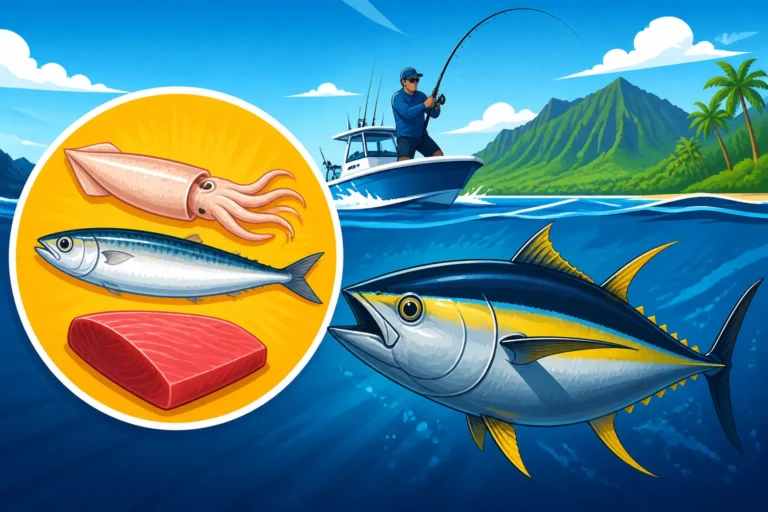
- Live Bait: If you can get it, live bait is king. Small opelu (mackerel scad), akule (bigeye scad), moi (Pacific threadfin), or even small papio (juvenile trevally, if legal to use as bait in your area) are irresistible to ulua. Hook them strategically through the nose or back, ensuring they can swim naturally and stay alive for as long as possible. The distress signals from a live bait are a powerful attractant. Remember, live bait needs to be handled gently and kept in a livewell to ensure maximum vitality until it's on the hook.
- Cut Bait: Large chunks of fresh fish are also highly effective, especially for "soak" fishing where you leave the bait out for extended periods. Popular choices include chunks of mackerel, skipjack tuna (aku), or even the heads and tails of larger baitfish. The key is freshness and a good "bleed" to attract fish. Cut the bait into substantial, natural-looking pieces. A whole fish head, especially from a larger species, can be particularly enticing for a monster ulua.
- Cephalopods: Freshly caught octopus (tako) or squid can be incredibly effective. Their scent and texture are very appealing. When using octopus, you can use a whole small one or large strips from a bigger one, ensuring it's securely hooked.
Preparation is also crucial. Ensure your bait is securely hooked so it won't fly off during casting (if you’re casting the bait leader) or get picked apart by smaller fish before the ulua finds it. For cut bait, make sure the hook point is exposed for a clean hookset. Using quality Best whole bait for ulua sliding rigs can make a huge difference in your success.
Strategic Casting and Setting the Slide
The most challenging part for many anglers is getting that heavy sinker out to the desired spot. Ulua often patrol deeper channels, drop-offs, or the fringes of a reef, requiring long, powerful casts from the shore.
- Scout Your Spot: Before you even cast, understand your chosen Best Shore Fishing Spots in Hawaii. Look for channels, deeper pockets, or areas where current brings food. Consider the tide and wave action; calm periods and outgoing tides can often be productive.
- The Big Cast: Using a heavy surf rod (10-14 feet) and a large, strong conventional reel, you’ll need to put your back into it. The key is a smooth, powerful overhead cast that leverages the weight of the sinker. Practice makes perfect here. Aim for areas where you suspect ulua might be lurking.
- Anchoring the Sinker: Once your sinker hits the water, let it settle. Give it a few seconds to dig into the sand or wedge into the reef. You want it to be firmly anchored, resisting the pull of the current and your main line.
- Sending Down the Bait: This is the "slide" part. Open your bail, allowing the bait leader (with bait attached) to freely slide down your main line towards the water. Let the weight of the bait carry it. Keep a gentle thumb on the spool to prevent overruns and maintain control. The goal is a smooth, uninterrupted slide. The moment you clip your bait leader to the sinker slide, you're creating a connection that will carry your carefully chosen bait out to where the big fish are.
- Setting Tension: Once the bait reaches the water (or the depth you desire), slowly reel in the slack. You want just enough tension to keep the main line taut and straight, but not so much that you pull your sinker free or hinder the natural movement of the bait. Your rod tip should have a slight bend, indicating tension. This setup allows the bait to drift enticingly while your sinker holds firm.
Reading the Conditions and Striking
Ulua fishing requires patience and a keen understanding of the subtle signals the ocean provides.
- Reading the Water: Pay attention to the currents. Ulua often position themselves to ambush prey moving with the current. Understand how your bait is drifting. Look for changes in water color, current lines, or baitfish activity – these can all signal a prime ulua hunting ground. Consider the Best time of day to catch ulua from shore, which often correlates with tidal movements.
- The Bite: An ulua bite is rarely subtle. It’s usually a powerful, jarring strike that can rip the rod from an unprepared angler's hands. When you see your rod bend sharply, or feel a violent tug, resist the urge to immediately set the hook. With circle hooks, the fish will often hook itself as it swims away with the bait.
- The Strike and Fight: Instead of a hard, theatrical hookset, simply reel down firmly and lift the rod. Let the rod load up, engaging the circle hook. Once hooked, brace yourself! Ulua are known for their explosive runs and incredible power. Maintain steady pressure, let the rod and reel do the work, and be prepared for a long, grueling fight. This is where your heavy main line and robust Best rod setup for surfcasting ulua come into their own. Fighting an ulua is a test of endurance, both for you and your gear.
Tips for Success and Common Pitfalls
Fishing for giant trevally with a sliding bait rig is rewarding, but it comes with its own set of nuances and potential challenges. Learning to adapt your rig and gear, maintaining your equipment, and practicing ethical angling can significantly increase your success and enjoyment.
Rig Customization and Adaptability
One of the great strengths of the sliding bait rig is its adaptability. While the core components remain, you can tweak elements to suit specific conditions or target fish:
- Leader Length and Strength: If you're fishing in exceptionally clear water or targeting particularly wary fish, you might extend your bait leader slightly, allowing your bait to drift further from the main line. Conversely, in very strong currents or snaggy areas, a slightly shorter leader can reduce tangles. For monstrous fish or areas with sharp coral, increasing the test of your bait leader (e.g., to 300 lb fluorocarbon) provides extra insurance. Think about the How thick a leader you need for ulua fishing when selecting materials.
- Hook Size and Type: While large circle hooks are standard, you might adjust the size based on your bait. A larger bait might require a larger hook for proper presentation and hookup. Some anglers prefer a single large circle hook, while others opt for a snelled two-hook rig for longer baits, ensuring a better chance of a solid hookup.
- Adding a Float: In certain situations, especially if you want your bait to suspend higher in the water column or drift over very snaggy bottom, you can add a small, buoyant float to your bait leader. This keeps the bait off the bottom, making it more visible to cruising ulua and reducing snags. Just make sure the float doesn't hinder the natural movement of the bait too much.
- Sinker Choice: While pyramid and Sputnik sinkers are common, experiment with different weights and shapes. A heavier sinker is crucial in strong currents to prevent your rig from dragging, while a lighter one might be sufficient in calmer areas.
Understanding Hawaii Fishing Regulations Explained and Hawaii Bag and Size Limits by Species is vital, as certain areas or species might have specific rules for gear or bait.
Maintenance and Gear Considerations
Your gear takes a beating when ulua fishing. Heavy weights, powerful fish, and abrasive environments demand robust equipment and diligent maintenance.
- Rod and Reel Care: After every outing, thoroughly rinse your rod and reel with fresh water to remove salt and sand. Pay special attention to the reel's moving parts. Periodically grease and oil your reel according to manufacturer instructions. A well-maintained reel will last longer and perform better when you hook into a giant.
- Line Inspection: Regularly inspect your main line and shock leader for nicks, abrasions, or weak spots. Saltwater and sharp rocks are brutal on line. It's better to re-tie a knot or replace a section of line than to lose a trophy fish to a preventable break. Remember, you might consider replacing your main line annually if you fish frequently.
- Hook Sharpness: Always check your hook points. A dull hook will drastically reduce your hookup ratio. Carry a hook file or sharpener and touch up your hooks frequently. A razor-sharp hook is critical for penetrating the bony mouths of ulua.
- Component Quality: When buying swivels, crimps, and sinker slides, don't skimp on quality. Cheap components are a false economy. Invest in reputable brands for all terminal tackle. When sourcing these specialized items, many anglers find a wide selection of durable gear on Amazon, ensuring they get components that can withstand the demands of heavy surf fishing.
- Carrying a Digital License: In Hawaii, it’s often convenient to have your license readily available. Check the rules on Printing or Carrying a Digital Fishing License in Hawaii to ensure you're always compliant.
Safety and Ethical Practices
Fishing for ulua in Hawaii often means fishing in rugged, sometimes remote areas. Safety should always be your top priority, followed closely by ethical angling practices.
- Shoreline Awareness: Always be aware of the ocean conditions. Never turn your back on the waves, especially on rocky points or cliff faces. A rogue wave can sweep you off your feet. Check tide charts and surf forecasts before you go.
- Proper Footwear: Wear sturdy, non-slip footwear to navigate slippery rocks and uneven terrain. Wading shoes or tabi boots are excellent choices for maintaining grip on wet, mossy surfaces.
- Hydration and Sun Protection: Hawaii's sun is intense. Bring plenty of water, wear a wide-brimmed hat, sunglasses, and sun-protective clothing.
- Respect the Environment: Pack out everything you pack in, including all your discarded line, bait wrappers, and any other trash. Leave no trace.
- Know Your Limits: Don't fish beyond your physical capabilities or in areas that are too dangerous. If the surf is too high or the rocks too treacherous, it's better to find another spot or fish another day.
- Catch and Release Best Practices: If you're not keeping your catch, practice responsible catch and release. Minimize the time the fish is out of the water, handle it gently with wet hands, and use circle hooks to reduce harm. Understanding Ulua (Giant Trevally) Fishing in Hawaii is crucial for appreciating these majestic creatures. For those special nights, mastering Night Fishing for Ulua in Hawaii can lead to unforgettable experiences.
By diligently applying these techniques and embracing a responsible approach, you'll not only increase your chances of landing a magnificent giant trevally but also ensure that Hawaii's incredible fishing opportunities remain vibrant for generations to come.
Disclaimer
This article is for general informational purposes only and does not constitute professional advice. Laws, prices and regulations vary by location and change over time. Consult a qualified professional for guidance on your specific situation.