Oahu Fishing Guide
Oahu, with its bustling cityscapes and serene natural beauty, offers a fishing experience unlike any other Hawaiian island. But let's be real: trying to figure out where to cast a line, what to target, and what rules apply can feel like navigating a maze, especially if you're not a seasoned local. The diverse shorelines, deep offshore waters, and even hidden freshwater reservoirs all present their own unique challenges and incredible rewards. This comprehensive guide is designed to cut through the confusion, helping you understand the best spots, the prime species, and the essential techniques to make your Oahu fishing adventure truly unforgettable.
Understanding Oahu's Unique Fishing Landscape
Oahu isn't just about Waikiki beach and Diamond Head; it's a dynamic fishing ground, offering an incredible variety for every type of angler. From casting into powerful surf to chasing giants offshore, the island's aquatic environments are as diverse as its people. Understanding these unique landscapes is the first step to a successful day on the water.
The Island's Diverse Environments
When you think of fishing in Hawaii, you probably picture pristine blue ocean, and Oahu certainly delivers on that. But peel back the layers, and you'll discover a mosaic of distinct fishing habitats.
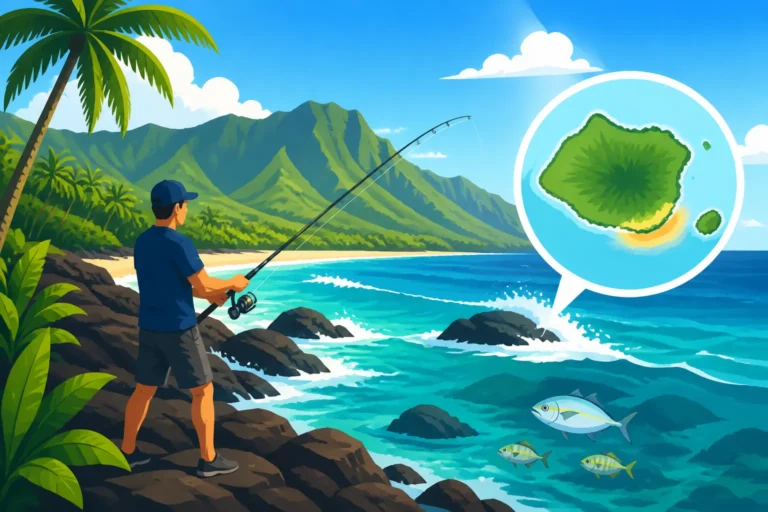
The shoreline around Oahu is incredibly varied. You'll find long stretches of sandy beaches, perfect for targeting papio or bonefish, especially during calmer conditions. Then there are the rugged, dramatic rocky points and lava rock cliffs, which are prime real estate for larger ulua and other reef dwellers, offering challenging but rewarding opportunities. Reef flats, teeming with smaller fish and bait, transition into deeper ledges, creating incredible structure for a range of species. Each type of shoreline demands different techniques and offers a distinct set of target fish, making reconnaissance key to a productive outing.
Beyond the shoreline, Oahu boasts numerous harbors and piers that provide sheltered, easily accessible fishing. These spots are often bustling with local activity and can be fantastic for casual angling. Here, you might find schools of baitfish, juvenile jacks (papio), or even small barracuda patrolling the docks. These areas are excellent for families, beginners, or anyone looking for a relaxed session without the need for a boat. Think of places like Kewalo Basin or Ala Moana Beach Park, where the hustle and bustle of city life contrasts with the quiet patience of a fisherman.
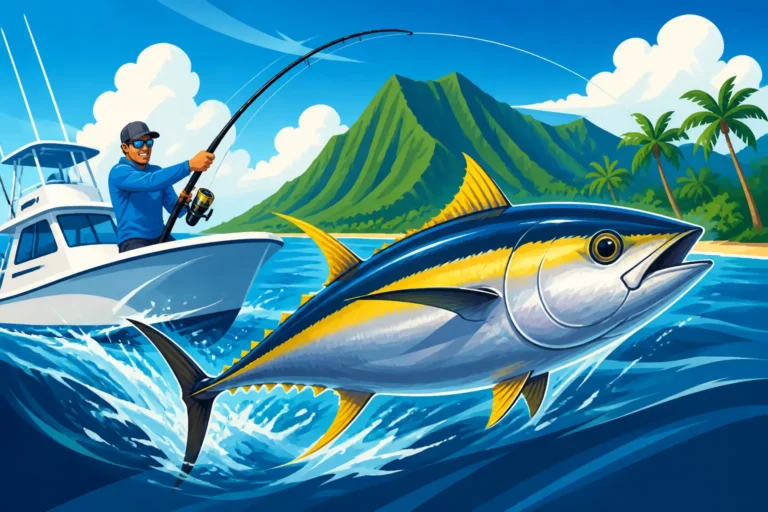
And then, there's the vast, deep blue. Oahu’s offshore depths plunge dramatically just a few miles from shore, making it an ideal location for deep-sea fishing. These steep drop-offs, underwater seamounts, and current lines are highways for pelagic powerhouses like marlin, ahi (yellowfin tuna), ono (wahoo), and mahimahi. Whether you're trolling lures or dropping baits to the deep, the possibilities for trophy catches are very real. These waters, particularly off the Waianae Coast or the deep ledges south of Diamond Head, hold some incredible fish.
Perhaps most surprising to many visitors are Oahu's hidden freshwater reservoirs. Tucked away inland, places like Wahiawa and Nuuanu reservoirs offer a completely different angling experience. Here, you're not chasing tuna but rather species like peacock bass, largemouth bass, and tilapia. It's a refreshing change of pace and a testament to the island's unexpected natural diversity.
Seasonal Considerations and Weather Patterns
One of the beautiful things about fishing in Hawaii is that it's largely a year-round affair. The temperate climate means you can always find something biting. However, just like anywhere else, certain species peak at specific times, and local weather patterns play a significant role in success.
For pelagic species like marlin, ahi, mahimahi, and ono, while present year-round, there are certainly peak seasons. For instance, blue marlin tend to be more prevalent in the warmer summer months, while striped marlin can show up in cooler winter and spring waters. Ahi schools often move in cycles, influenced by baitfish migrations and ocean currents. Watching for bird activity and current breaks is crucial year-round. These deep-sea targets are always a possibility, but timing can definitely improve your odds of encountering a hot bite.
Shoreline fishing is heavily influenced by surf conditions and tradewinds. Oahu's famous North Shore, while world-renowned for its winter waves, can be incredibly challenging, even dangerous, for shore fishing during those months. Big swells churn up the water, making it difficult for fish to see baits and for anglers to safely access prime spots. The calmer summer months generally offer better, safer conditions for shore casters, particularly on the exposed northern and western coasts. Conversely, the more sheltered south and east shores might be fishable in bigger winter swells, but strong tradewinds can make casting a chore. Rain runoff, especially after heavy downpours, can also impact nearshore visibility and fish behavior, pushing them out to clearer water or concentrating them at stream mouths where bait gathers.
Understanding the subtle shifts in wind, current, and swell direction, often referred to as "reading the ocean" by locals, is a critical skill. Sometimes a change in swell direction can mean the difference between a barren stretch of beach and a prime feeding zone. The good news is that with Oahu's varied coastline, if one side of the island is blown out or too rough, you can often find calmer, fishable waters on the opposite side.
Prime Shore Fishing Hotspots on Oahu
Shore fishing, or "uli" as some old-timers might call it, is a time-honored tradition in Hawaii. There's something incredibly satisfying about standing on the land, feeling the salt spray, and battling a powerful fish right from the edge of the Pacific. Oahu offers some truly iconic and productive shore fishing spots, each with its own character and challenges.
The Wild West and North Shores
These parts of Oahu are known for their raw beauty and powerful ocean conditions, offering some of the most exciting and demanding shore fishing experiences.
Kaena Point is at the northwestern tip of Oahu, a wild, rugged, and remote area that feels a world away from Honolulu's bustle. It's a challenging spot to access, requiring a hike or a 4×4 vehicle, but the rewards can be monumental. Anglers here often target ulua (giant trevally) and papio, which patrol the deep waters and strong currents that sweep around the point. You'll need heavy tackle, strong lines, and a healthy respect for the ocean's power. It’s not uncommon for locals to use sliding bait rigs here, sending large baits out into the depths to entice a passing ulua. Be sure to bring plenty of water, sun protection, and a buddy, as it’s quite isolated. If you’re considering an adventure, checking out the detailed guide on Best Deep Water Access at Kaena Point can provide invaluable local tips for navigating this impressive location.
Further along the North Shore, areas around Waimea Bay and other famous surf breaks can be fantastic during the calmer summer months. While winter sees massive waves, summer brings flatter, clearer waters that are perfect for whipping or light tackle fishing. Papio, small trevally, and various reef fish become active closer to shore. You might even spot bonefish cruising the sandy flats near the river mouths. Finding those transitions from sand to rock, or areas with slight current, often holds the key to success.
Kahuku Beach, stretching along the northeastern coast, offers long sandy stretches interspersed with rocky outcrops. This area is known for its diverse catches, including papio, small ulua, and even some barracuda. Whipping with artificial lures or throwing bait from the beach can be very effective here. The open nature of the beach means you can often find your own solitude, but it also means you're exposed to the tradewinds. The Best Trevally Spots at Kahuku Beach resource provides excellent insights into specific areas and techniques that tend to produce here.
South and East Side Access Points
Moving to the southern and eastern parts of Oahu, you'll find spots that range from powerful shore breaks to more sheltered, reefy areas, often closer to urban centers.
Sandy Beach is notorious for its powerful shore break, which draws body surfers and skimboarders from all over. What many don't realize is that this same powerful surge also makes it a prime location for ulua and papio. The churning water and strong currents create excellent feeding grounds for these predatory jacks. However, fishing here requires extreme caution due to the shore break. Heavy surf rods are a must, and anglers often use "dunking" techniques, casting heavy weights and baits directly into the impact zone. Always keep an eye on the ocean and never turn your back on the waves. For more detailed safety and fishing advice, you might consult resources like Best Shore Fishing Spots at Sandy Beach.
Makapuu Point, on Oahu's southeastern tip, is another dramatic locale. The iconic lighthouse trail offers stunning views, but below, the rocky ledges drop into deep, productive waters. This spot is excellent for casting lures or bait into the strong currents that bring pelagic species closer to shore. It's not uncommon to catch papio, small ulua, and even the occasional ono or mahimahi if you're lucky and cast far enough. The deep water access directly from shore is a huge draw for serious anglers looking for bigger game without a boat. Understanding the currents and how to safely navigate the rocky terrain is paramount. For more specific guidance on this spot, look into resources like Best Fishing Access at Makapuu Point.
Closer to Honolulu, Diamond Head offers accessible shore fishing with a mix of reef and sandy bottom. Anglers here can target papio, various reef fish, and sometimes small ulua, especially around the ledges and deeper pockets. It’s a convenient spot for a quick fishing session, offering picturesque views to boot. Casting spoons or small poppers for papio can be productive during sunrise or sunset. You can find more targeted information on Best Shore Fishing Near Diamond Head for specific techniques and productive areas.
Even within the heart of the city, the Waikiki and Honolulu areas offer surprising shore fishing opportunities. While not known for monster game, the various small piers, rock walls, and beach areas can yield papio, barracuda, and other smaller reef fish. It’s a fantastic option for families or those staying in Waikiki who want to experience some local fishing without traveling far. Early mornings often provide the best conditions and fewer crowds. To make the most of urban angling, consider reading up on Best Shore Fishing Spots Near Waikiki.
Harbor and Pier Fishing: Accessible Angling on Oahu
Sometimes, the most fruitful fishing doesn't require a long hike or a boat ride into the deep blue. Oahu's harbors and piers provide incredibly accessible, often sheltered, fishing opportunities that are perfect for a casual outing, a family adventure, or simply to wet a line after a busy day. These spots are hubs of activity, not just for boats but for a thriving ecosystem of smaller fish and bait.
Bustling Urban Fishing Grounds
Oahu's urban fishing spots blend the convenience of city access with the tranquility of angling, offering a unique perspective on the island's marine life.
Kewalo Basin, located just west of Ala Moana Beach Park, is primarily known as a bustling departure point for many of Oahu's deep-sea fishing charters. However, it also offers fantastic pier fishing opportunities. Anglers often line the edges of the basin, casting into the deeper waters or around the docks. Here, you're likely to encounter papio, small barracuda, various goatfish (kumu, weke), and schools of baitfish. It's a great spot to practice light tackle techniques or simply enjoy the atmosphere. The availability of fresh bait from local tackle shops nearby also makes it convenient. For those interested in the specific pier fishing potential, our guide on Best Pier Fishing Spots at Kewalo Basin has some excellent pointers.
Right next door, Ala Moana Beach Park and its adjacent Magic Island offer calm, family-friendly waters. The protected lagoon and breakwall areas are ideal for targeting smaller reef fish, papio, and even some moi during their open season. The shallow, clear waters make it a safe environment for kids to learn how to cast. Bait fishing with shrimp or small pieces of squid is usually effective. It's a popular spot for picnics and recreation, so expect company, but there's usually enough space for everyone to enjoy.
Further west, Honolulu Harbor is a massive, industrial port, but certain public access points and jetties can be surprisingly productive. While it's not the prettiest backdrop, the deep channels and boat traffic often stir up food, attracting various species. Local anglers here might target larger papio, ulua, or even barracuda, especially around specific structures like the Aloha Tower area or the harbor entrance jetties. You'll need to be mindful of boat traffic and respect any posted restrictions. For those who don't mind the industrial setting for a potentially good catch, articles like Best Jetty Fishing Spots Near Honolulu Harbor can offer specific directions and tips.
What to Expect and Target Species
Fishing in these accessible urban locations is often a different ball game compared to the wild coastlines or the open ocean.
When fishing harbors and piers, expect a more casual and community-oriented atmosphere. These spots are often crowded with local families, seasoned anglers, and curious tourists alike. It's a fantastic way to observe local techniques and learn from those who fish these waters regularly. The primary target species are typically smaller, though surprises can always happen. You'll consistently find schools of baitfish like juvenile akule or opelu, which are crucial for the larger predators further out. These make great live bait if you're trying to up your game.
Papio, the juvenile stage of the formidable giant trevally, are a common and exciting catch. They fight hard on light tackle and are often found patrolling the edges of structures, around pilings, or along shallow reefs. You might also encounter various species of goatfish (kumu, weke), which are excellent eating fish, often found foraging on the sandy or silty bottoms. Small barracuda are also frequent visitors, lurking around shaded areas or sudden drop-offs, ready to ambush unsuspecting baitfish. Occasionally, a larger jack or even a bonefish might make an appearance, adding to the thrill.
From a practical standpoint, the accessibility means you don't need highly specialized gear. A medium-light spinning rod and reel setup, spooled with 10-20 lb test line, is usually sufficient. Simple rigs like a sliding sinker rig with a single hook, or a small bobber rig, are often all you need. Live bait, fresh dead bait (like squid or shrimp), or small artificial lures like grubs and spoons will usually do the trick. It's important to be mindful of your surroundings, especially in crowded areas, to avoid tangling lines or snagging other people's gear. Always be sure to clean up after yourself, leaving the area better than you found it – a fundamental rule of respecting the 'aina (land).
Deep Sea and Offshore Adventures: Pelagic Powerhouses
For many, the ultimate Hawaii fishing experience lies beyond the horizon, in the deep blue waters where the true giants roam. Oahu's offshore fishing grounds are world-class, offering thrilling encounters with some of the ocean's most powerful and sought-after game fish.
Chartering an Offshore Experience
Venturing into Oahu's deep waters typically means booking a fishing charter. This is where local expertise, specialized gear, and a proper vessel become absolutely essential.
Oahu's major departure points for offshore charters are primarily Kewalo Basin in Honolulu and, to a lesser extent, Ko Olina Marina on the leeward side. From these harbors, experienced captains and crews will take you to the prime fishing grounds, which can be just a few miles offshore where the bottom drops steeply, or further out to the FADs (Fish Aggregating Devices) that act as magnets for pelagic species.
Choosing the right charter is crucial for a successful and enjoyable trip. There are various factors to consider, such as the type of fishing you want to do (trolling for marlin, jigging for tuna, or deep dropping for bottomfish), the size of your group, and your budget. You’ll find options ranging from luxurious sportfishing yachts to more modest center consoles. Some charters specialize in specific techniques or target particular species. For a comprehensive overview, checking out resources like How to Choose a Hawaii Fishing Charter can be incredibly helpful.
When it comes to booking, online platforms can be a real lifesaver. Services like FishingBooker allow you to browse a wide array of Oahu charters, compare prices, read reviews from other anglers, and book with confidence. This transparency helps ensure you’re getting a reputable captain and a well-maintained boat, which is paramount for safety and success on the open ocean. Don't hesitate to ask questions about the boat, the crew's experience, what gear is provided, and their typical catch rates.
Charters typically offer different trip durations: half-day trips are great for beginners or those with limited time, often focusing on closer-in pelagics or shallower bottomfish. Full-day trips provide more time to travel further offshore and target a wider range of species, increasing your chances of landing a trophy. You can also opt for a private charter for an exclusive experience with your group, or join a shared charter to split the cost with other anglers, which is a more budget-friendly option.
Chasing the Big Game
Once you're out on the deep blue, the true adventure begins. Oahu's waters are home to an incredible array of powerful game fish, each offering a unique challenge.
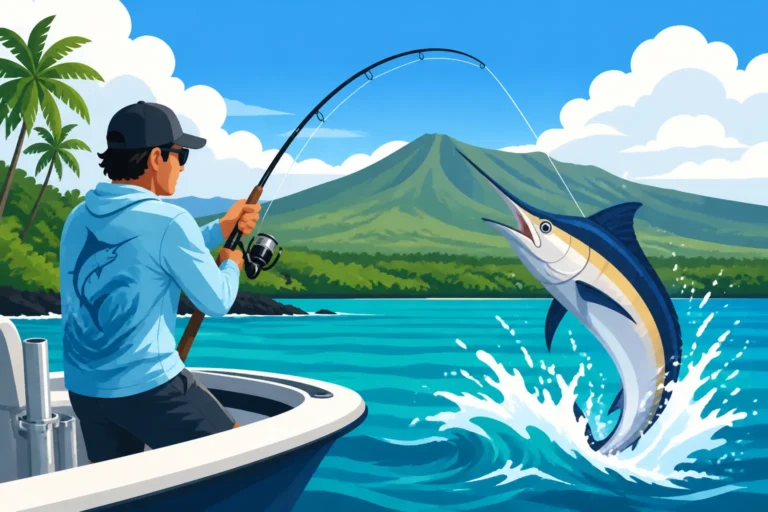
Marlin are often the holy grail for offshore anglers in Hawaii. While the Kona Coast of the Big Island is arguably the most famous marlin destination, Oahu's waters regularly produce impressive catches of both blue marlin and striped marlin. Blue marlin are the ultimate prize, known for their incredible size and acrobatic fights. Striped marlin are smaller but incredibly feisty. Most marlin fishing in Oahu involves trolling large lures or rigged baits at specific depths and speeds, mimicking baitfish. The captains and crews are experts at setting a spread of lures designed to entice these apex predators. To learn more about marlin, especially the differences between species, you might consult our article on Marlin Fishing off the Kona Coast and apply some of those principles to Oahu's waters.
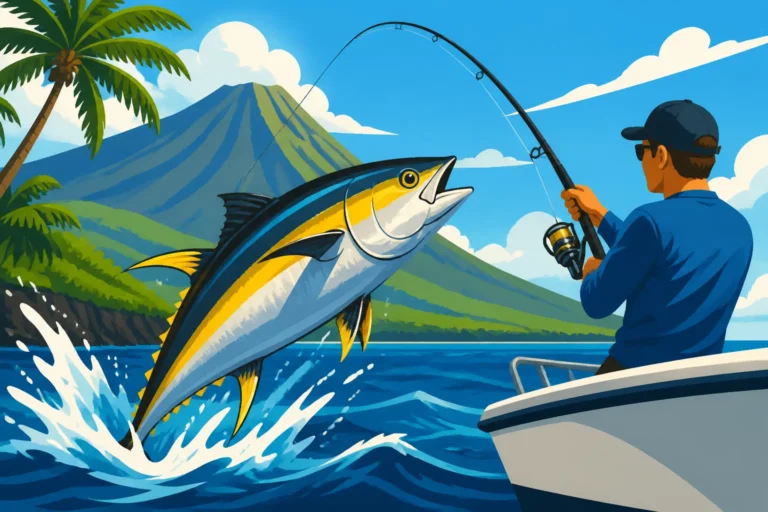
Ahi (Yellowfin Tuna) are another highly sought-after species, prized for their delicious meat and powerful runs. Ahi can be caught trolling, but a popular and often highly effective method is "chunking" or "bait-and-switch" around FADs or schools of porpoise and birds. This involves throwing cut bait into the water to attract tuna, then presenting a hooked bait. The rush of a school of ahi blasting through your chum line is an unforgettable experience. For more in-depth knowledge on how to target these magnificent fish, check out Ahi (Yellowfin Tuna) Fishing in Hawaii.
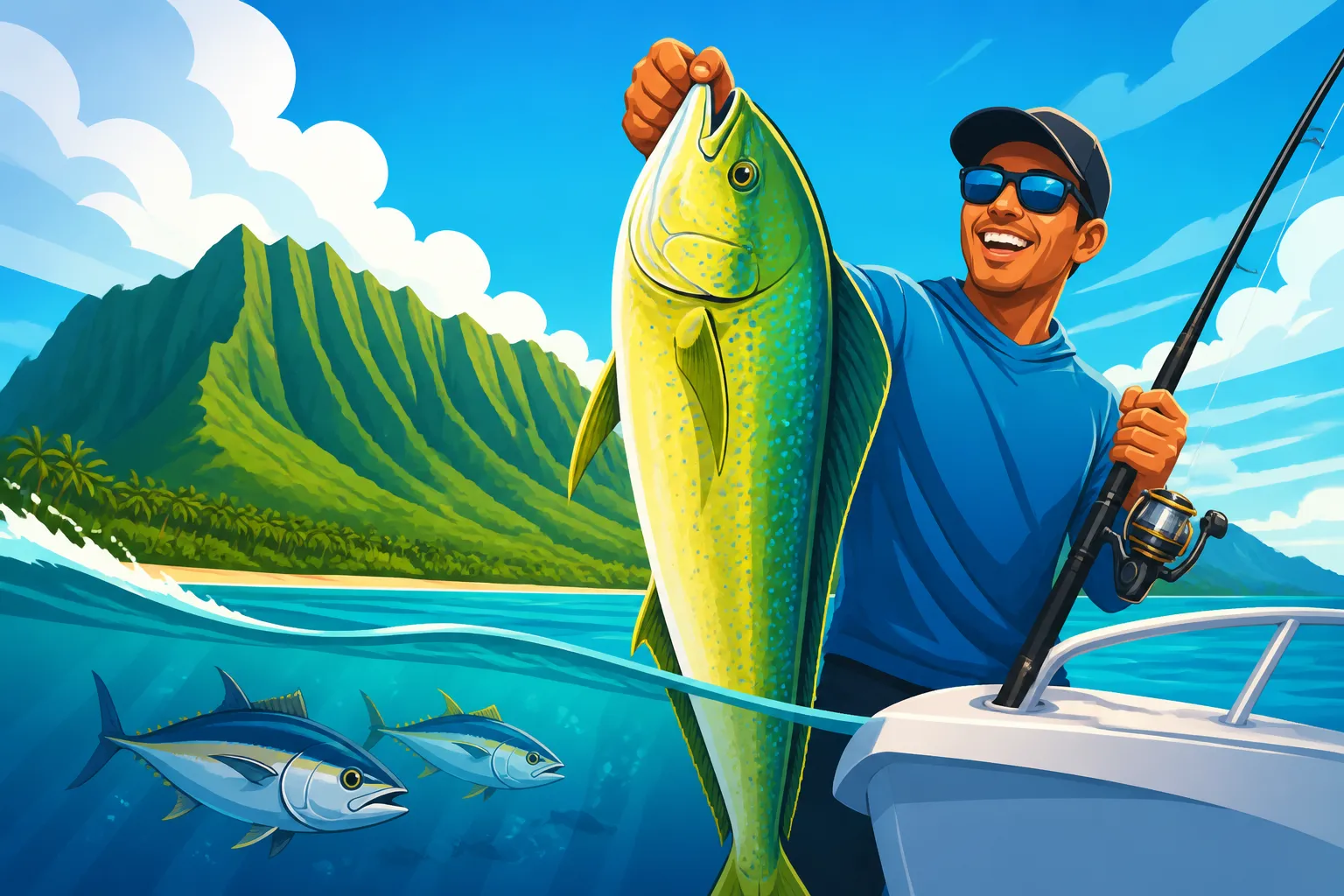
Fast-trolling methods are also incredibly effective for two other popular pelagic species: Ono (Wahoo) and Mahimahi (Dorado/Dolphin fish). Ono are sleek, incredibly fast predators known for their razor-sharp teeth and blistering runs. They're often found around current lines, weed lines, and FADs. Mahimahi are equally aggressive and vibrant, recognized by their brilliant colors and acrobatic leaps. They often school up, so when you find one, you're likely to find more. These fish are not only thrilling to catch but also provide excellent table fare. Our guides on Ono (Wahoo) Fishing in Hawaii and Mahimahi Fishing in Hawaii offer fantastic insights into their habits and the best techniques to catch them.
Beyond the surface action, Oahu also offers excellent bottomfishing opportunities. Descending into depths of several hundred feet, anglers target highly prized species like opakapaka (pink snapper), onaga (ruby snapper), and hapuu (grouper). This specialized fishing requires heavy electric reels and specific rigs, but the reward is often a cooler full of some of the finest eating fish in the ocean. For a deeper dive into the world of Hawaii's deep-water species, you'll find plenty of valuable information in our article Bottomfish Species of Hawaii. Remember to always be aware of the Hawaii Pelagic Species Bag Limits and other regulations that protect these valuable marine resources.
Oahu's Freshwater Fishing: A Hidden Gem
While Hawaii is globally renowned for its spectacular ocean fishing, Oahu actually harbors a surprising secret: a vibrant freshwater fishery tucked away in its inland reservoirs. This offers a completely different kind of angling experience, a quiet reprieve from the saltwater hustle, and a chance to target some truly unique species for the islands.
Wahiawa Public Fishing Area
The undisputed crown jewel of Oahu's freshwater fishing is the Wahiawa Public Fishing Area (PFA), commonly known as Wahiawa Reservoir or Lake Wilson. This large, man-made reservoir in the center of the island is the only public fishing area where you can consistently target game fish like peacock bass, largemouth bass, and various tilapia species.
The star attraction here, without a doubt, is the peacock bass. These vibrant, hard-fighting fish are native to the Amazon but have thrived in Wahiawa's warm waters. They are incredibly aggressive and provide an exhilarating fight, often exploding on topwater lures. It’s a truly unique opportunity to catch these stunning fish outside of their native range. Anglers often employ various techniques, but throwing topwater poppers or walking baits, as well as spinnerbaits and crankbaits, can be incredibly effective, especially during the warmer months when they are most active.
Largemouth bass are also abundant in the reservoir, offering a more familiar freshwater challenge for many anglers. They can be found in similar habitats to peacock bass, often lurking around submerged timber, weed lines, and rocky points. Texas-rigged plastic worms, jigs, and crankbaits are go-to lures for these bucketmouths.
Beyond the bass, tilapia species are plentiful. While often considered a nuisance fish elsewhere, they provide consistent action and are actually quite tasty when prepared fresh. They can be caught on small baits like worms or even bread.
It's absolutely crucial to remember that unlike much of Hawaii's marine fishing, freshwater fishing on Oahu does require a license. This is a common point of confusion for visitors and even some residents. Before heading out to Wahiawa or any other freshwater spot, make sure you have the appropriate license. You can find all the necessary details and how to obtain one by reading our comprehensive guide on Hawaii Freshwater Fishing License and Rules. This will save you from potential fines and ensure you're fishing legally. For even more localized advice on tackling the Wahiawa PFA, our Wahiawa Reservoir Fishing Guide is an invaluable resource.
Other Freshwater Opportunities
While Wahiawa is the primary destination, Oahu has a few other, albeit more limited, freshwater fishing opportunities.
The Nuuanu Reservoir system, located in the mountains above Honolulu, is another area where freshwater fishing is possible. However, access is highly restricted and subject to specific permits and regulations, which can change. It’s not a casual drop-in spot, and you’ll need to do your homework with the Honolulu Board of Water Supply (BWS) to understand current rules. Historically, it has held bass and tilapia, but its primary function is water supply, so public access for recreation is carefully managed. For the most up-to-date information, it's best to consult the Hawaii Nuuanu Reservoir Fishing Rules before making any plans.
Beyond these main reservoirs, Oahu also has a network of small ponds, irrigation ditches, and stream systems. While not officially designated public fishing areas, some of these smaller bodies of water may hold various introduced species like tilapia or guppies. However, access to these areas is often on private property, and it is paramount to respect landowners' rights. Never trespass, and always seek explicit permission before fishing on private land.
Overall, freshwater fishing on Oahu offers a delightful contrast to the dominant saltwater scene. It’s a chance to explore a different side of the island’s natural beauty and target species that provide a spirited fight in a serene setting. Just remember to secure your license and respect the local rules to ensure these unique fisheries remain healthy and accessible for everyone.
Targeting Specific Species in Oahu Waters
Oahu's incredible biodiversity means anglers have a smorgasbord of species to target, each with its own preferred habitats, feeding behaviors, and challenges. Knowing what you're after can significantly increase your success rate and make your fishing trip more focused and rewarding.
Shoreline Favorites
From the sandy flats to the rocky ledges, Oahu's shoreline offers a fantastic playground for anglers targeting a variety of prized fish.
The Ulua (Giant Trevally) and their juvenile counterparts, Papio, are legendary in Hawaiian shore fishing circles. Ulua are powerful, aggressive predators that can grow to immense sizes, making them a bucket-list catch for many. Papio, while smaller, offer an incredible fight on light tackle. Both are found patrolling the surf zone, rocky points, and deep ledges. For ulua, local techniques often involve "sliding bait" – using a balloon or float to carry a large live or dead bait (like an opihi or squid) far out into the deeper water, letting it drift with the current. For papio, "whipping" with small artificial lures like spoons, grubs, or poppers, or using small live baits, is highly effective. You can learn more about these incredible fish and how to target them in depth by reading Ulua (Giant Trevally) Fishing in Hawaii and How to Catch Papio on Hawaii's Shoreline.
Bonefish (Oio) are another highly sought-after shoreline species, especially for fly anglers, though they can also be caught on spinning gear. Known for their ghost-like ability to disappear into their surroundings and their blistering runs, bonefish are often found cruising the shallow, sandy flats in areas like Keehi Lagoon or certain protected bays. Sight fishing is the name of the game here, requiring stealth and accurate casting. Small jigs, shrimp patterns, or live bait (like small crabs) are excellent choices. While our guide on Best Bonefishing Spots in Hawaii offers general advice, many of those principles apply directly to Oahu's flats.
Moi (Pacific Threadfin) are considered a delicacy in Hawaii, known for their flaky, white meat. They are a nearshore species often found over sandy bottoms adjacent to reefs or in protected bays. Moi fishing is highly seasonal, with strict closed seasons to protect their spawning aggregations. When open, small pieces of squid, shrimp, or limu (algae) are effective baits. They are a schooling fish, so if you catch one, there are likely more. Always check current regulations regarding moi before targeting them, as they are a carefully managed species. More detailed information can be found in Moi (Pacific Threadfin) in Hawaii.
Deepwater Delights
Moving into the realm of offshore fishing, Oahu's deep waters are home to a suite of pelagic and bottom-dwelling species that promise thrilling battles and bountiful harvests.
Ahi (Yellowfin Tuna) are a top-tier pelagic species, highly prized for their strength and culinary value. These powerful swimmers are often found around FADs, offshore banks, or associated with schools of porpoise and birds. Techniques include fast trolling lures, live baiting with opelu or akule, or "chunking" (chumming with cut bait) to draw them in. Landing a large ahi requires heavy tackle and endurance. Their smaller cousins, Aku (Skipjack Tuna), are also abundant and provide fast-paced action, often found in large schools closer to shore. Check out Ahi (Yellowfin Tuna) Fishing in Hawaii for the full scoop on these incredible fish.
Oahu’s deep offshore waters also hold some fantastic bottomfish species that live on the slopes of seamounts and ledges at depths of 300 to over 1,000 feet. The most highly prized among these are Opakapaka (Pink Snapper), Onaga (Ruby Snapper), and Hapuu (Grouper). Catching these requires specialized deep-drop electric reels and robust rigs, often baited with squid or cut fish. These fish are incredible eating, making the effort well worth it. Bottomfishing is typically done from a charter boat, as it requires specific knowledge of these deepwater structures. For a comprehensive overview of these species and the techniques used to catch them, refer to Bottomfish Species of Hawaii.
Table: Popular Fishing Species on Oahu by Location
| Location Type | Primary Target Species | Common Techniques | Typical Gear | Notes |
|---|---|---|---|---|
| Shoreline (Sand) | Papio (juvenile GT), Bonefish (Oio), Moi | Whipping, Bait Fishing | Light to Medium Spinning | Look for flats, structure changes, clear water. |
| Shoreline (Rock) | Ulua (GT), Papio, Barracuda, Reef Fish | Sliding Bait, Heavy Casting | Heavy Surf Rods | Exercise caution on rocky terrain, strong currents. |
| Harbors/Piers | Papio, Barracuda, Goatfish, Baitfish | Light Bait Fishing, Whipping | Light Spinning | Accessible, family-friendly, watch for boat traffic. |
| Offshore (Pelagic) | Marlin, Ahi, Ono, Mahimahi | Trolling, Jigging, Chunking | Heavy Trolling/Jigging | Best with a charter. |
| Offshore (Bottom) | Opakapaka, Onaga, Hapuu | Deep Dropping | Electric Reels | Specialized, often part of a charter. |
| Freshwater (Reservoir) | Peacock Bass, Largemouth Bass, Tilapia | Lure Casting, Bait Fishing | Medium Spinning/Baitcasting | License required. Look for structure. |
Essential Gear and Techniques for Oahu Anglers
Having the right gear and knowing the most effective techniques are paramount to a successful fishing trip on Oahu. The diversity of the island's fishing environments means you'll need to be adaptable, but a few core setups and methods will cover most situations.
Shore Fishing Essentials
Shore fishing, or "pā'ūpa'a" in Hawaiian, is a hands-on experience that connects you directly with the ocean. The gear you choose will depend heavily on what you're targeting and where you're fishing.
For general papio and light reef fishing, a medium-light to medium action spinning rod (7-9 feet) paired with a 3000-4000 size reel spooled with 15-20 lb braided line and a fluorocarbon leader (20-30 lb) is a versatile setup. This is perfect for "whipping," which involves casting small artificial lures like spoons (e.g., Krocadile, Kastmaster), small plastic grubs on jig heads, or topwater poppers. The quick retrieve and erratic action of these lures mimic baitfish, enticing aggressive papio, small barracuda, and other jacks. This setup also works well for bait fishing with small pieces of squid or shrimp under a bobber or with a light sliding sinker rig.
When you're aiming for the formidable ulua, you'll need to step up your game considerably. Heavy surf rods (10-14 feet or even longer) paired with large conventional or spinning reels (6000-10000 size or equivalent) are standard. These reels should be spooled with 50-80 lb braided line, often with a heavy mono shock leader (100-200 lb) to absorb the impact of powerful casts and battles. The primary technique for ulua from shore is "dunking" or "sliding bait." This involves casting a heavy lead weight out into the surf or deeper water, then attaching a live or large dead bait (like an opihi, squid, or mackerel) to a separate line that slides down to the main line, positioning the bait where the ulua are feeding. A stout circle hook is essential for a good hookup and to protect the fish if you plan to release. Our full guide on Shore Fishing Techniques for Hawaii delves much deeper into these methods.
Regarding baits, local options are often the most effective. Fresh squid, ghost shrimp, and limu (algae) are popular for smaller reef fish and moi. For ulua, larger dead baits like mackerel, barracuda, or even small octopus are common. Live bait, such as akule or opelu, caught with a cast net or sabiki rig, can be deadly for papio and ulua if you have the time and skill to gather it.
Offshore and Freshwater Gear
The gear requirements for offshore and freshwater fishing diverge significantly from shoreline setups, demanding specialized equipment for different environments and target species.
For offshore fishing, whether you're trolling for marlin, ahi, ono, or mahimahi, or deep dropping for bottomfish, heavy-duty tackle is the norm.
Trolling setups for marlin and larger tuna typically involve 80-130 lb class rods paired with massive conventional reels (e.g., Penn International, Shimano Tiagra) spooled with heavy monofilament line. The lures used are often large, brightly colored skirts designed to imitate baitfish. Jigging setups for ahi and other pelagics might use heavier spinning rods (50-80 lb class) or lighter conventional jigging rods, paired with powerful spinning or lever drag conventional reels spooled with heavy braid. Vertical jigs, often weighing several ounces to over a pound, are dropped to target specific depths. When booking an offshore charter, the good news is that they almost always provide all the necessary heavy tackle, ensuring you have the right tools for the job.
Deep drop bottomfishing is a very specialized technique requiring electric reels mounted on heavy rods. These reels allow anglers to effortlessly retrieve lines from depths of 500-1500 feet, which is essential when bringing up multiple fish and heavy weights. The rigs involve multiple hooks with glow-in-the-dark skirts and squid or cut bait, targeting species like opakapaka, onaga, and hapuu. While some charters specialize in this, others focus more on trolling. It’s important to communicate your fishing preferences when booking through platforms like FishingBooker to ensure the charter is equipped for your desired experience.
For freshwater fishing in reservoirs like Wahiawa, the gear is much lighter. A medium-action spinning or baitcasting rod (6-7 feet) paired with a 2500-3000 size reel spooled with 10-15 lb fluorocarbon or braided line is ideal. This setup is versatile for targeting peacock bass, largemouth bass, and tilapia. Common lures include topwater poppers and walking baits for peacock bass, spinnerbaits and crankbaits for both bass species, and Texas-rigged plastic worms or jigs for largemouth. Small live baits like worms or even bread can work wonders for tilapia. Remember, if you're hitting Wahiawa, you'll need to secure your Hawaii Freshwater Fishing License and Rules beforehand.
Navigating Regulations and Conservation on Oahu
Fishing in Hawaii comes with a unique set of rules and a deep cultural emphasis on "malama ka 'aina," which means to care for the land, and by extension, the ocean. Understanding and respecting these regulations is not just about avoiding fines; it's about preserving Hawaii's precious marine and freshwater resources for future generations.
Licenses, Limits, and Prohibited Areas
Navigating the legalities of fishing can sometimes feel overwhelming, but it's essential for responsible angling.
One of the most common questions from visitors and even new residents is about fishing licenses. Here’s the key distinction: for marine (ocean) fishing, Hawaii residents typically do not need a recreational fishing license. However, if you are a nonresident, or if you are fishing in freshwater, a license is required. This is a crucial point that trips many people up. Before you cast a line in Wahiawa Reservoir or any other freshwater body, ensure you have the proper permit. Our detailed guides, such as Do Hawaii Residents Need an Ocean Fishing License? and Hawaii Freshwater Fishing License and Rules, provide all the necessary information on who needs what license and how to obtain it.
Beyond licenses, adherence to bag and size limits is critical for species sustainability. The Hawaii Division of Aquatic Resources (DAR) sets specific regulations for different species, dictating how many you can keep and what minimum (or sometimes maximum) size they must be. These limits are in place to prevent overfishing and protect juvenile fish, allowing them to mature and reproduce. For example, popular eating fish like moi have very specific size limits and seasonal closures. Pelagic species like ahi, marlin, ono, and mahimahi also have their own bag limits, especially for recreational anglers. It is your responsibility to know these rules before you go out. Our resources like Hawaii Bag and Size Limits by Species and Hawaii Pelagic Species Bag Limits are excellent places to check the most up-to-date regulations.
Perhaps one of the most important aspects of conservation in Hawaii is understanding Marine Life Conservation Districts (MLCDs) and other prohibited areas. These are designated zones where marine life is strictly protected, and all fishing or taking of marine life is either prohibited or highly restricted. A prime example on Oahu is Hanauma Bay, which is a strict no-take zone – absolutely no fishing, collecting, or disturbing marine life is allowed. Other MLCDs may have specific rules allowing certain types of fishing with specific gear, but generally, they are areas to observe and appreciate, not to fish. Fishing in an MLCD can result in significant fines and penalties. It's imperative to know the boundaries and rules of any MLCD or other restricted area before you visit. Our guide Hawaii Marine Life Conservation Districts, Explained offers comprehensive details, including a specific look at Is Fishing Allowed at Hanauma Bay?.
Respecting the Aina and Local Customs
Beyond the written laws, there's an unwritten code of conduct when fishing in Hawaii, rooted in cultural respect and environmental stewardship.
The concept of "malama ka 'aina" – caring for the land – extends profoundly to the ocean ("kai"). This means leaving no trace, packing out everything you pack in (including all trash, fishing line, and bait remnants), and even picking up any litter you find. Pollution harms the delicate marine ecosystem and detracts from the beauty of these natural spaces. Locals take immense pride in their island, and visitors are expected to share that responsibility.
Respecting private property and ancient Hawaiian fishing rights is also crucial. Many prime fishing spots, especially along the shoreline, may border private land. Always be aware of property lines and never trespass. Additionally, traditional and customary fishing practices hold a special place in Hawaiian culture. While these don't typically impact recreational anglers directly, understanding their significance fosters a deeper appreciation for the local way of life.
Finally, ethical angling practices are strongly encouraged. This includes practicing catch and release for species you don't intend to eat or that are undersized, handling fish with care, and only taking what you need and will consume. Avoid wasteful harvesting. By adhering to these principles, you not only contribute to the health of Oahu's fisheries but also earn the respect of the local fishing community. Fishing in Hawaii is more than just a sport; it's a connection to culture, history, and a commitment to preserving paradise.
Disclaimer
Please be aware that fishing regulations in Hawaii, including license requirements, bag and size limits, and protected areas, can change frequently. While we strive to provide the most up-to-date and accurate information, it is always your responsibility to consult the latest official regulations from the Hawaii Division of Aquatic Resources (DAR) before engaging in any fishing activities. Ensure you verify all rules and obtain any necessary licenses or permits to fish legally and responsibly.